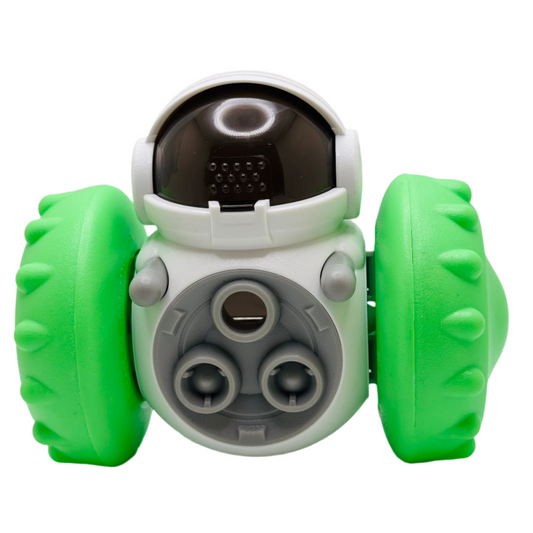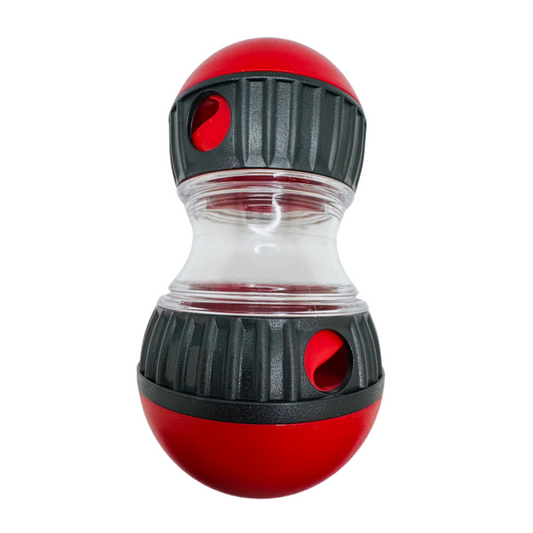

Interactive Dog Feeder for Active Dog Breeds
Index
Why an interactive dog feeder helps active dog breeds
How to choose an interactive dog feeder for active dog breeds
Training and routine tips with an interactive dog feeder
Interactive dog feeder types for active dog breeds, comparison table
High energy dogs are amazing companions, but they can also be intense. If you share life with a Border Collie, Australian Shepherd, Belgian Malinois, Husky, Labrador, Jack Russell Terrier, or an eager young mixed breed, you already know the pattern. A quick walk is rarely enough. When their brain and body still have fuel, they may pace, bark, chew furniture, or invent their own games.
An interactive dog feeder can turn mealtime into a mini workout for the mind. It slows down fast eaters, adds dog enrichment to everyday routines, and gives active dog breeds a safe task to focus on. In this guide, you will learn how puzzle feeders and slow feeders work, what features to look for, and how to build a routine that keeps your dog calmer and happier.
Why an interactive dog feeder supports active dog breeds
Active dog breeds often need more than physical exercise. They need mental work. Feeding from a standard bowl is over in seconds, especially for dogs that gulp. That fast eating can lead to gas, discomfort, and in some cases vomiting. But the bigger issue is missed enrichment. Your dog gets calories without the satisfaction of earning them.
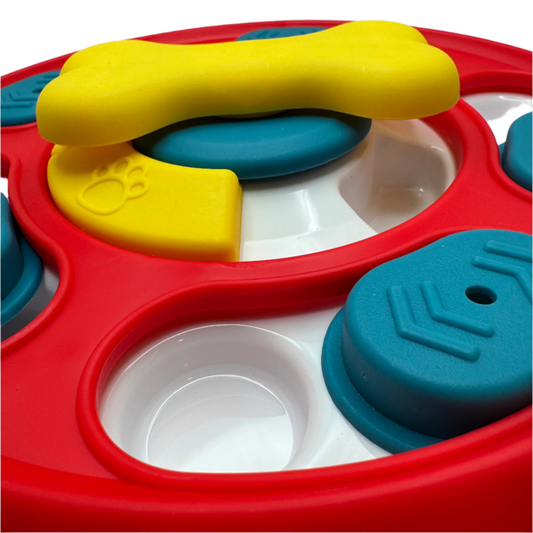
Interactive dog toys that dispense food and puzzle feeders are designed to stretch mealtime, encourage problem solving, and provide natural sniffing and licking. Many dogs relax after a good brain session, similar to how they nap after training. If your dog is mouthy, pairing feeder time with appropriate chew toys can also reduce unwanted chewing. For more ideas that keep busy dogs engaged, explore Interactive Toys and rotate options through the week.

For many dogs, a feeder that makes them lick and nudge for food can also lower stress. Licking is self soothing, and sniffing is naturally tiring. This is why slow feeders and puzzle feeders are popular among trainers for enrichment, crate training routines, and rainy day boredom busters.
How to choose an interactive dog feeder for active dog breeds
Not every feeder suits every dog. A powerful, persistent dog may flip light toys, while a gentle dog may get frustrated by a complex puzzle. Start with your dog’s eating style and personality, then match the feeder level.
- Material and durability: For intense chewers, choose thick, food safe materials. If your dog treats feeders like chew toys, supervise and pick tougher designs.
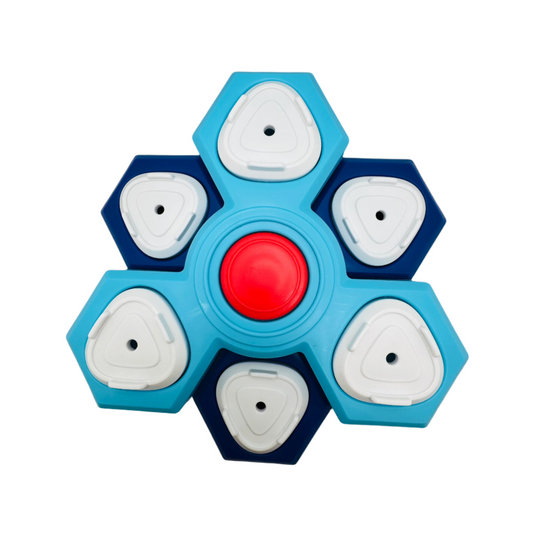
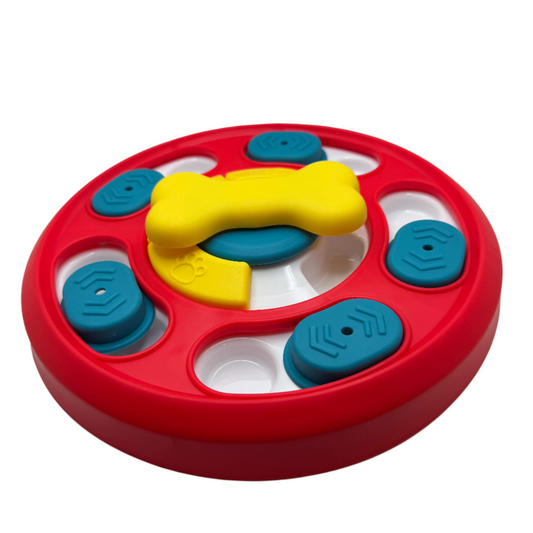
- Difficulty level: Beginners do well with simple slow feeders. Advanced dogs enjoy multi step puzzle feeders that require sliding, lifting, or turning.
- Stability: Look for wide bases and non slip bottoms, especially for athletic dogs that pounce.
- Cleaning: Easy cleaning matters because food residue builds up fast. Dishwasher safe parts are a big win.
- Portion control: Many active dogs need steady calories, but measured portions. Feeders can help you slow the pace without overfeeding.
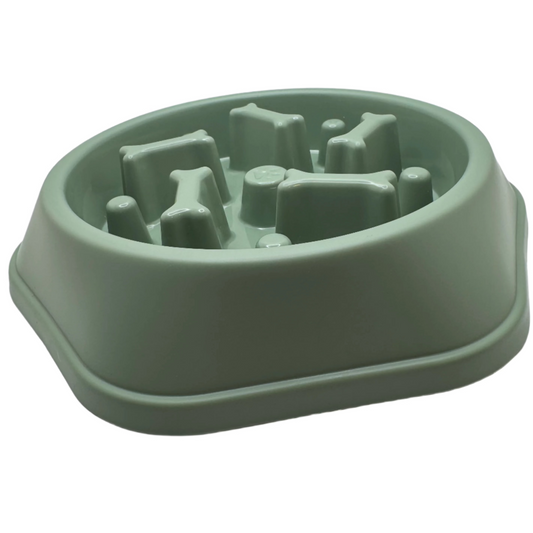
If your dog eats too fast, start with a slow feeder bowl. You can browse options in Slow Feeder Bowls. If you want a truly special option, a customized slow feeder can feel like a personalized gift and a daily upgrade for your routine. The Custom Slow Puzzle Feeder Bowl is also a thoughtful dog gift for new puppy parents, and it pairs beautifully with a cat gift or personalised gift theme for multi pet homes.
Training and routine tips with an interactive dog feeder
To get the best results, treat the feeder like training equipment, not just a bowl. Begin when your dog is calm, and keep the first sessions easy so they learn success.
- Start simple: Use high value kibble or a few treats in the easiest sections first.
- Show them the game: Let your dog watch you place food, then point or tap the area to help them begin.
- Use a routine: Many active dog breeds settle better when they can predict the day. Try breakfast in a slow feeder, lunch in a puzzle feeder, and dinner in a standard bowl if needed.
- Mix in enrichment: Add short training sessions, sniff walks, and safe chew toys. Chewing is calming and helps reduce boredom.
- Supervise at first: Especially for dogs that might chew the feeder instead of solving it.

One more tip for active dogs with sensitive stomachs: slow feeders can reduce gulping and air intake. If your dog is new to puzzle feeders, avoid making it too hard at first. Frustration can create the opposite of calm. Build success, then increase challenge slowly.
Interactive dog feeder options for active dog breeds, comparison table
Different feeders create different types of work. Use this quick comparison to match your dog’s needs with the right style of dog enrichment.
| Feeder type | Best for | Enrichment focus | Tip for active dog breeds |
|---|---|---|---|
| Slow feeder bowl | Fast eaters, puppies, beginners | Licking and pacing meals | Spread wet food thinly to extend time |
| Puzzle feeder | Smart, persistent dogs | Problem solving | Start easy, then increase steps weekly |
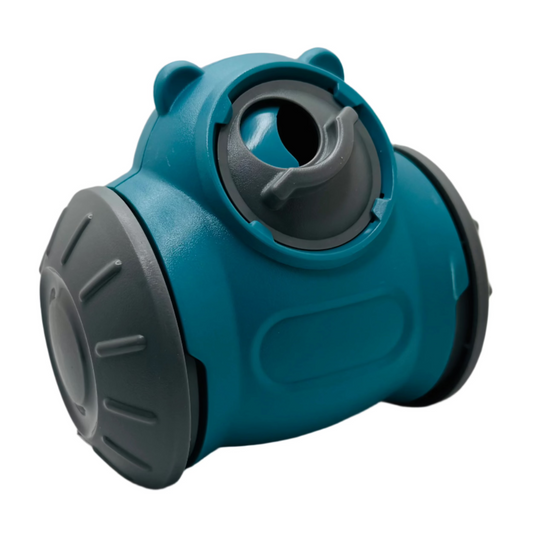
| Treat dispensing interactive dog toys | Dogs that love movement | Chasing and nose work | Use in short bursts to prevent over arousal |
| Snuffle style feeding mat | Sniffers, anxious dogs | Natural foraging | Great for rainy days and apartment living |
For the most balanced plan, rotate tools. One day use a slow feeder, another day use a puzzle feeder, and add chew toys on rest days. This variety keeps your dog interested and reduces the chance they will try to “beat” the system too quickly.
Active dogs give their whole hearts, and they deserve routines that support them, not fight them. If you want calmer evenings, fewer boredom behaviors, and a dog that feels truly satisfied after meals, try adding an interactive dog feeder to your week. Visit Petsun home page to find feeder options, enrichment favorites, and meaningful gift ideas. Your dog is working hard to be good. Give them a job they will love.
Frequently Asked Questions
What is the best interactive dog feeder for active dog breeds?
The best choice depends on your dog’s experience and intensity. Many active dog breeds start well with slow feeders, then move to puzzle feeders as they learn the game. Durability and easy cleaning are key.
Do slow feeders really help dogs that eat too fast?
Yes. Slow feeders reduce gulping by creating barriers and channels that force smaller bites and more licking. This can help with pacing, comfort, and overall mealtime calm.
How do I introduce puzzle feeders without frustrating my dog?
Begin with the easiest setting and use high value food. Guide your dog by pointing or tapping, and stop the session while they are still enjoying it. Once they succeed consistently, increase the challenge gradually.
Let customers speak for us
It can keep my cat's busy for a long time, but it should be under supervised I think. Long time playing with it can make them tired!
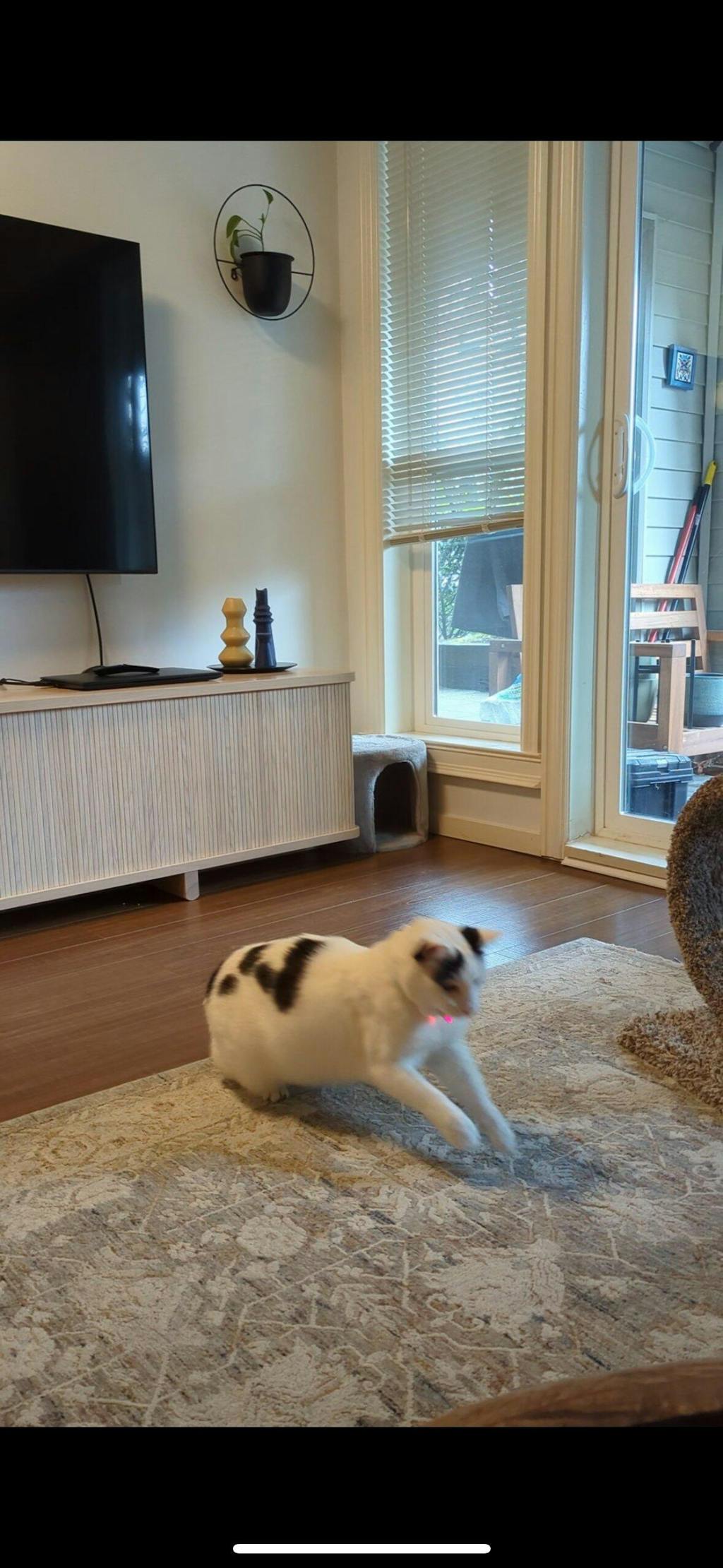
Maki playing with her ball. 😀
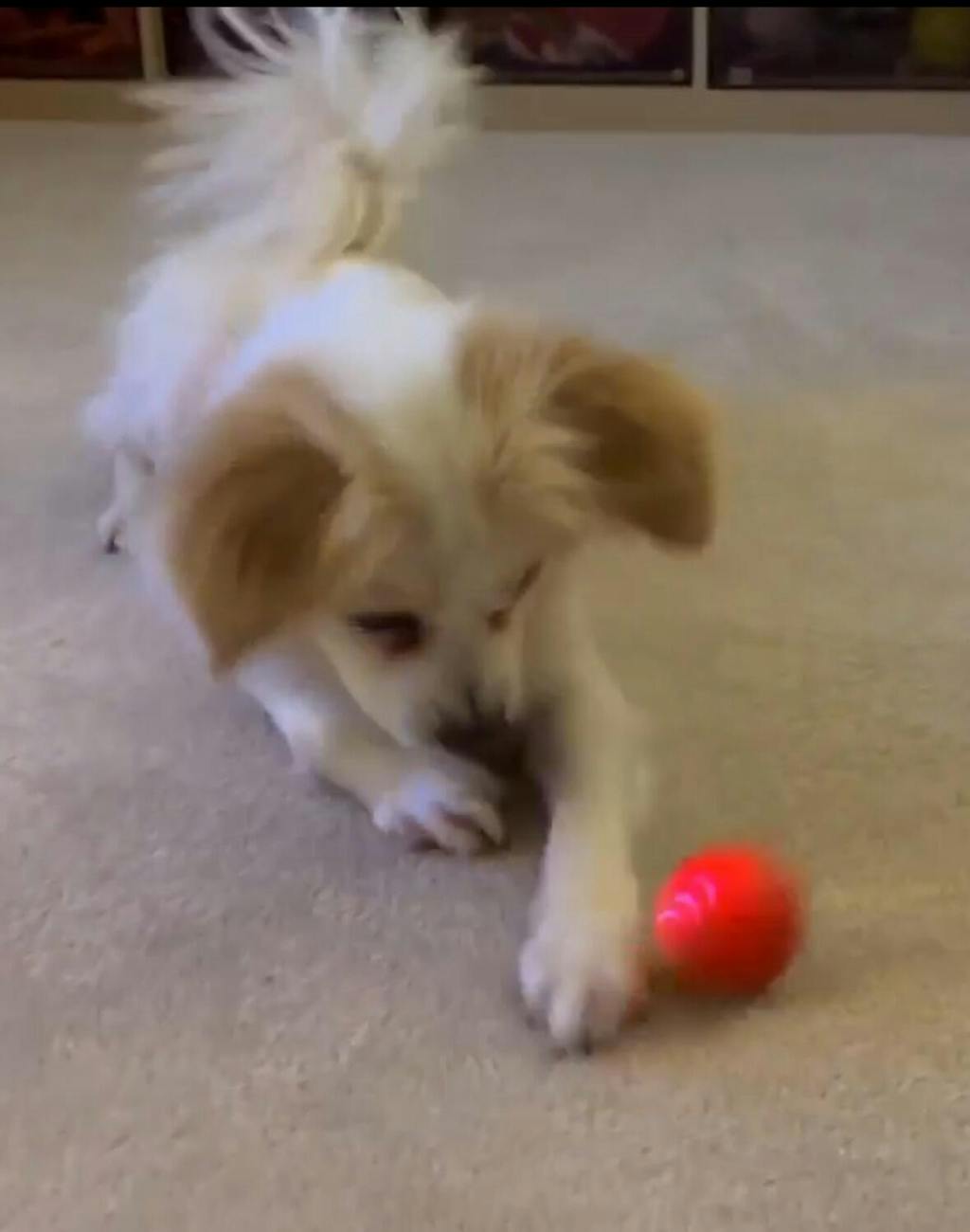
I'm using this stuff to keep my puppy busy and happy everyday.
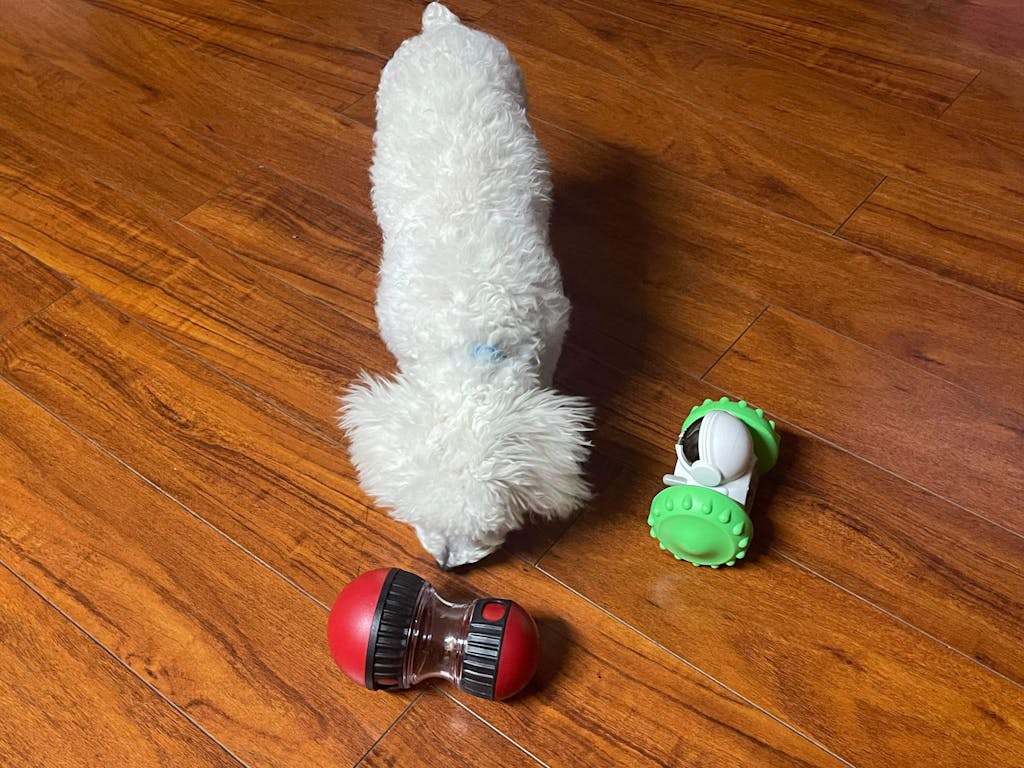
It keeps my puppy busy for more than 30 mins every time for a meal. and even after that she plays with it around as long as She get tired!
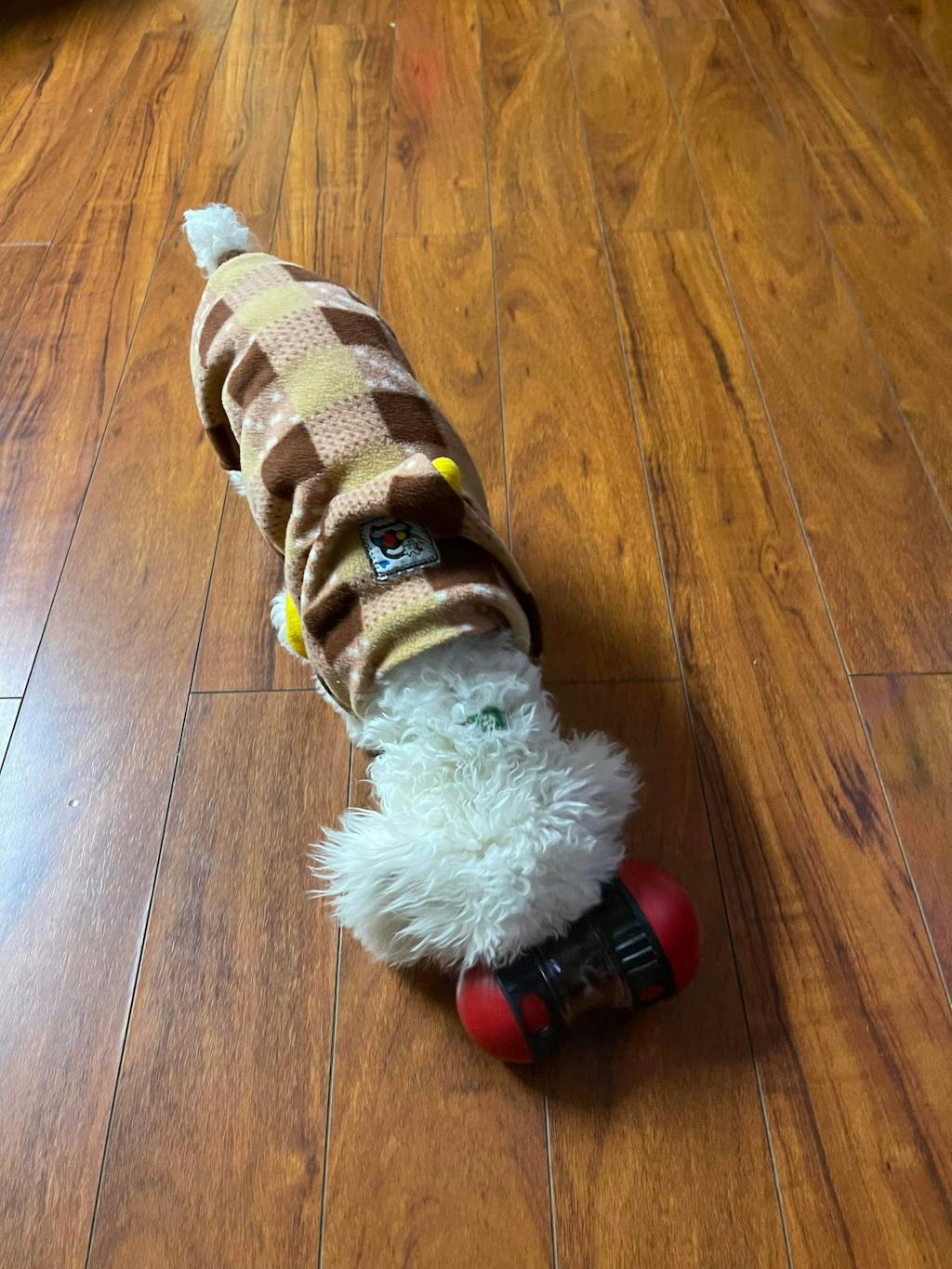
Fun "beginner level" toy. Works for cats too:)
Durable plastic, feels nice.
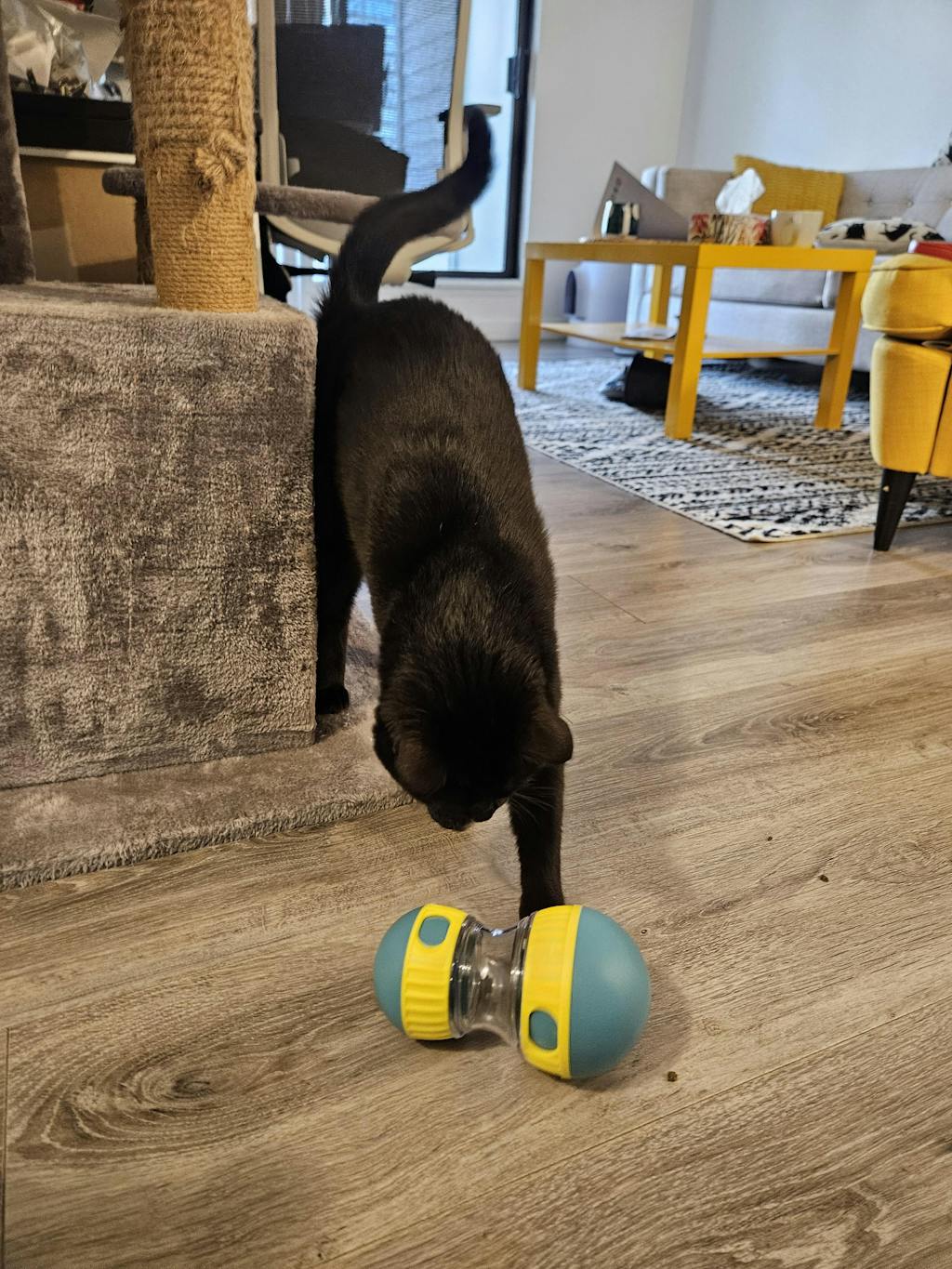
Got this toy for my girl Archie and she absolutely loves it! It’s super durable, keeps her entertained for hours, and the treat dispenser is a fun bonus. Totally worth it

As soon as this ball comes out he gets very excited. The ball allows him to play by himself with the ball. His favourite toy by far.

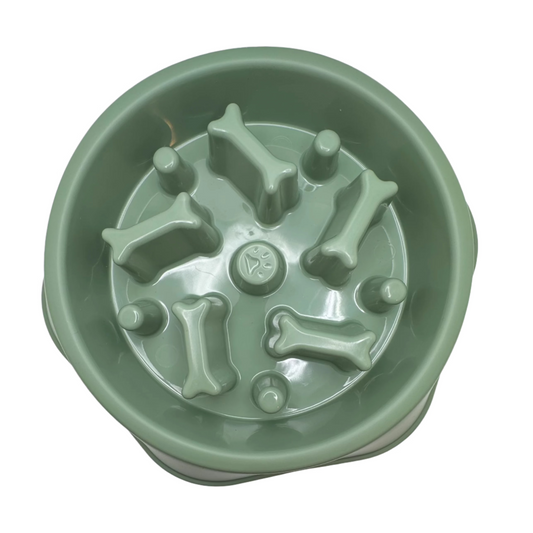
The bone shape is super cute and simple, and makes mealtime fun for my pup. love it!

My beagle used to gulp his food, but this bowl has slowed him down so much. Great product!
My cat always sneaks out, but this collar helps me keep track of him. So thankful for it.

My border collie can’t get enough of this. It’s sturdy and works great. its a little bit big to carry around but when it shoot a ball to far enogh I think its ok to be big !!!

omg this is perfect for my active pup! he loves chasing the balls, and I get a break too haha
The reflective part works great, and it’s a strong leash. Definitely recommend.

Love this leash! it’s reflective, so I feel safer walking my dog at night.
this has made mealtime so much fun for my pup. He actually has to think for his food now.