Guide d'enrichissement pour chien : jeux mentaux et physiques à la maison
Un chien calme n'est pas forcément un chien moins curieux. L'enrichissement offre à tout chien, quel que soit son âge, une occupation stimulante.
Qu'est-ce que l'enrichissement pour chien
Duke, un chien âgé de race croisée au museau grisonnant, passait la plupart de ses après-midis allongé près de la fenêtre. Sa propriétaire, Elena, se demandait s'il ralentissait simplement le rythme, jusqu'au jour où elle a remplacé sa gamelle habituelle par un jouet distributeur de nourriture et l'a vu reprendre du poil de la bête.
L'enrichissement pour chien regroupe tout ce qui lui donne une activité : flairer, résoudre, mâcher ou poursuivre. Il se décline en deux formes, mentale et physique, et la plupart des chiens apprécient un mélange des deux.

Enrichissement mental pour chien
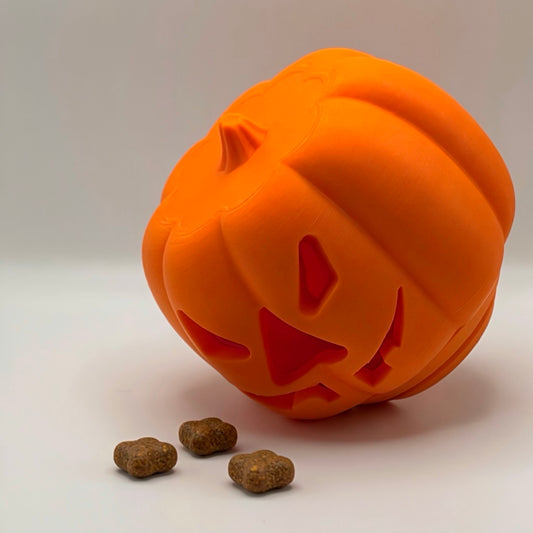
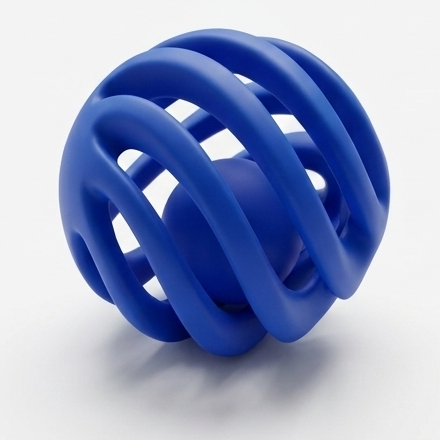
Les jouets casse-tête incitent votre chien à réfléchir pour obtenir son repas. Le jouet distributeur de nourriture en forme de ruche cache la nourriture sous six couvercles et deux couches rotatives, et le jouet distributeur de nourriture rond force votre chien à faire travailler ses méninges pour obtenir ses friandises ou ses croquettes. Pour des idées à tester dès aujourd'hui, consultez nos jeux cérébraux pour chiens à la maison et notre guide sur les jouets d'enrichissement pour la stimulation mentale.
Enrichissement physique pour chien
La poursuite et le rapport d'objets favorisent le mouvement. Le lance-balle interactif avec balle de tennis dispose de 8 niveaux réglables et peut lancer une balle jusqu'à 10 ou 12 mètres ; la balle vibrante USB rebondit et roule toute seule, et le jouet interactif « balle dans la balle » est parfaitement adapté aux chats et aux petits chiens. Vous trouverez d'autres idées dans nos idées de jeux actifs pour chiens et chats.

Comparaison des idées d'enrichissement pour chien
Choisissez une option dans chaque colonne pour créer votre routine.
| Idée | Type | Exemple |
|---|---|---|
| Distributeur casse-tête | Mental | Ruche, Distributeur rond |
| Distributeur de friandises | Mental et mouvement | Ours, Robot, Ovale |
| Jouet de poursuite | Physique | Balle vibrante USB |
| Rapport d'objet | Physique | Lance-balle |

Mise en place d'une routine d'enrichissement
Restez bref et régulier. Un casse-tête au moment du dîner, quelques minutes de jeu de poursuite dans l'après-midi et un nouveau jouet toutes les semaines ou deux suffisent amplement.
Parcourez nos 5 meilleurs jouets interactifs et découvrez pourquoi les jouets interactifs améliorent les moments de jeu. Notre guide d'achat des distributeurs interactifs détaille les différentes options disponibles.
Qu'est-ce que l'enrichissement pour chien ? Il s'agit d'activités et de jouets qui occupent votre chien, comme les distributeurs casse-tête, les jeux de flair et les jouets de poursuite.
À quelle fréquence dois-je le pratiquer ? De nombreux propriétaires intègrent une courte séance d'enrichissement presque chaque jour et font tourner les jouets.
L'enrichissement est-il réservé aux chiots ? Non. Les chiens de tout âge peuvent profiter des casse-tête, des jeux de flair et des activités ludiques.
Un peu de variété rend le quotidien de votre chien plus stimulant. Parcourez nos Jouets interactifs pour animaux et commencez par un nouveau jouet.
Guides d'enrichissement pour chien connexes
- Top 5 des jouets interactifs pour chiens
- Jouets d'enrichissement pour la stimulation mentale
- Jeux cérébraux pour chiens à la maison
- Idées de jeux actifs pour chiens et chats
- Pourquoi les jouets interactifs améliorent les temps de jeu
Découvrir la collection : Jouets interactifs pour animaux
Let customers speak for us
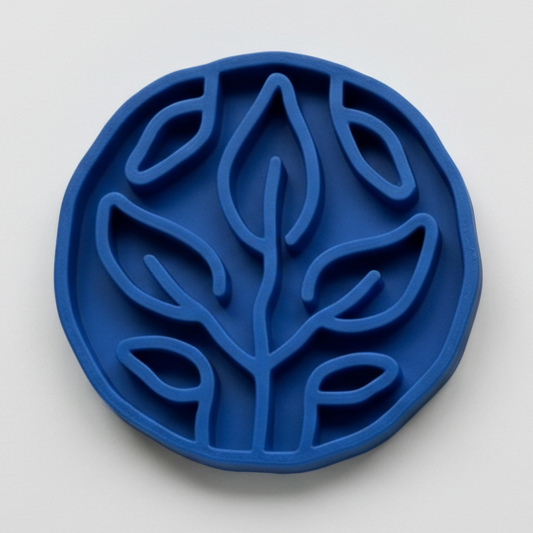
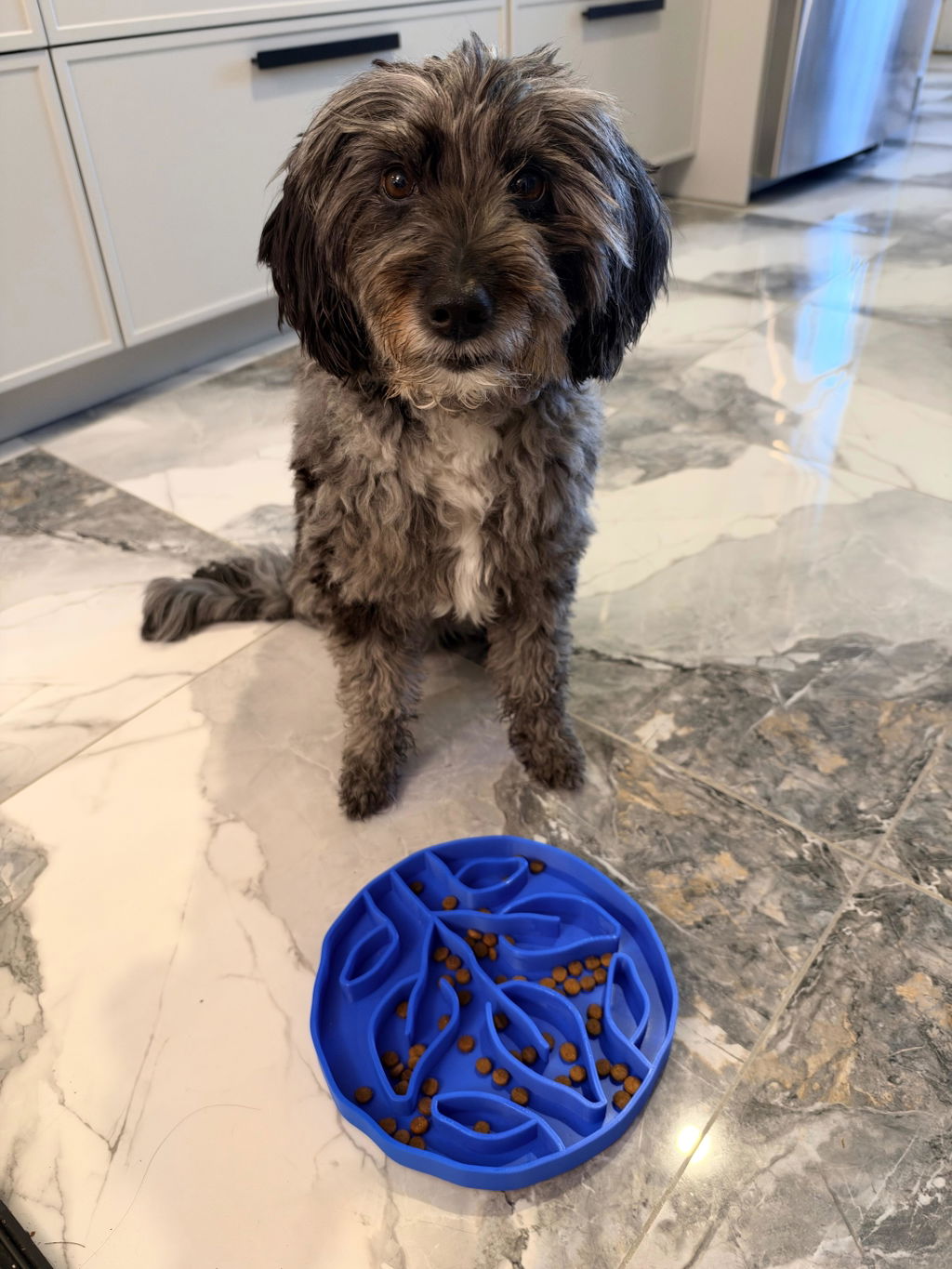
Willow loves eating out of this leaf feeder! The construction is very good quality and feels solid/ not like it’s going to break. She is a picky eater and doesn’t normally eat full meals but will eat full meals out of this! Love the grippy bottom so it doesn’t slip. Nothing to complain about :)
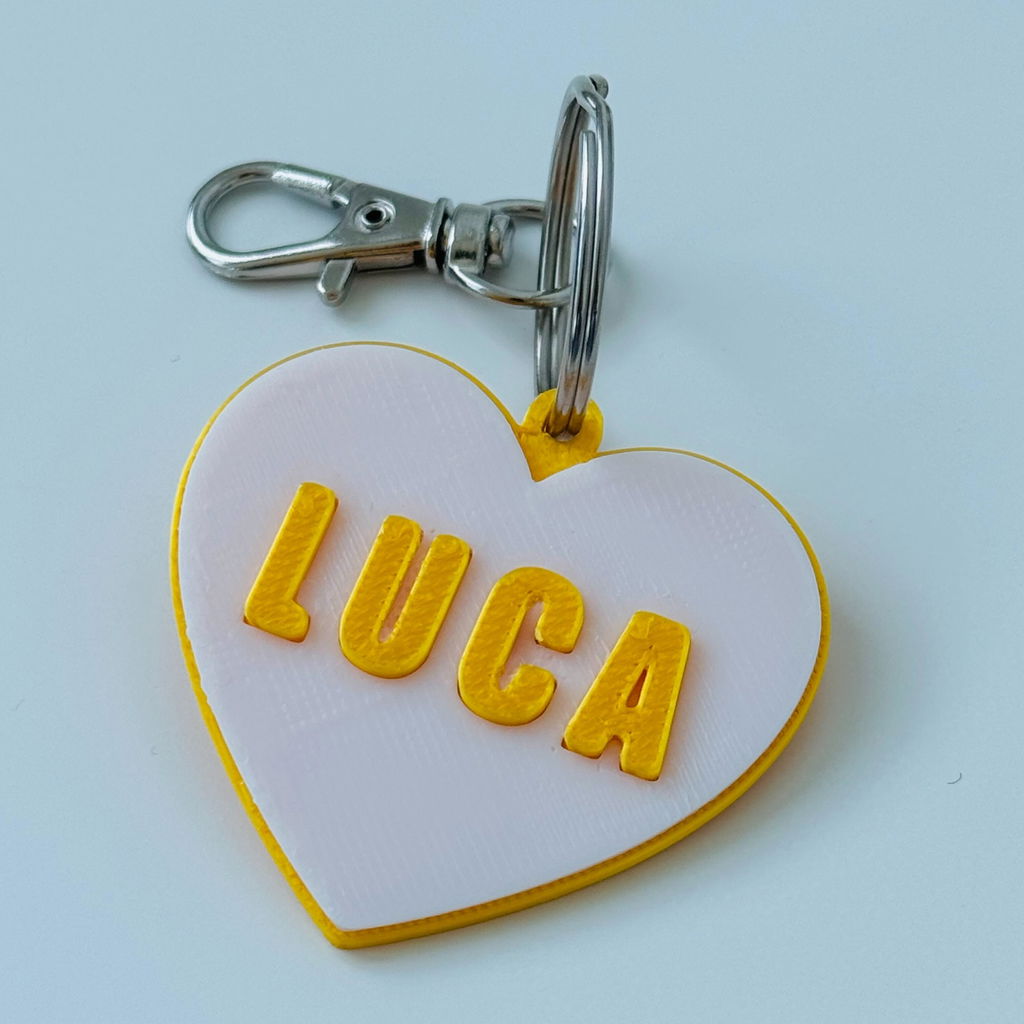
Golden Luca is pretty and it has my name and phone number on the flip side.
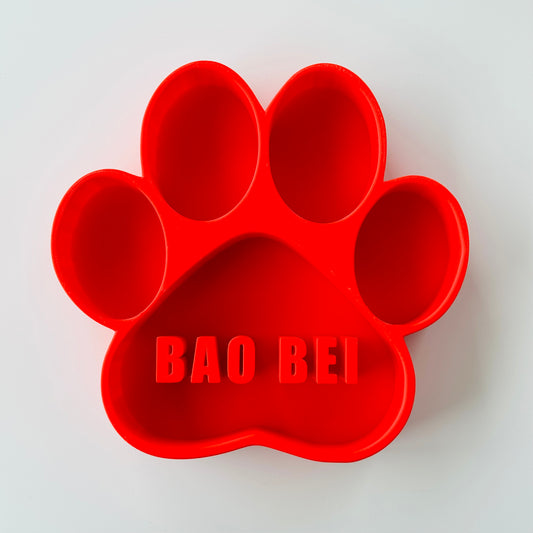
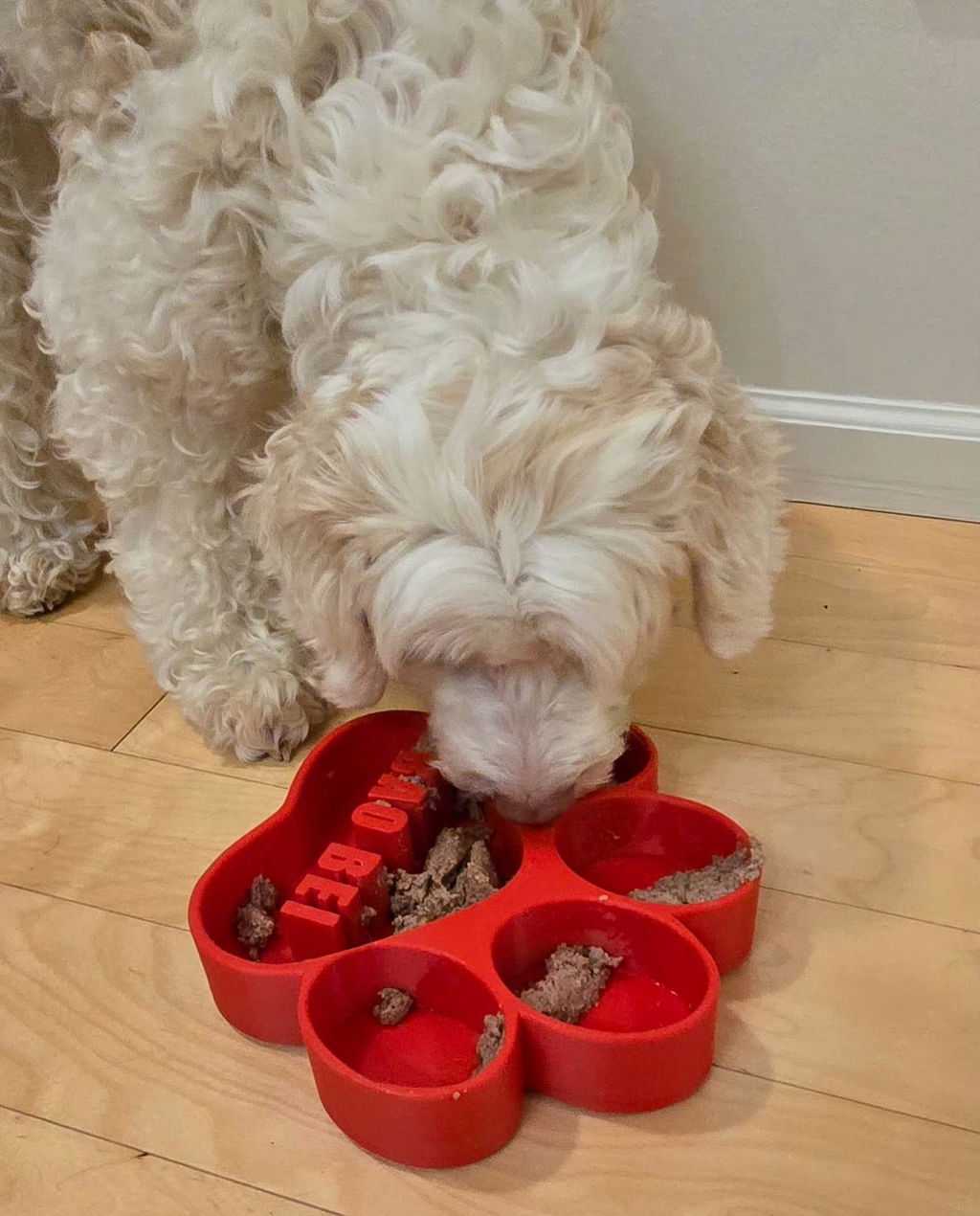
I bought it for Bao Bei to help him eat slower, also have a unique feeding bowl
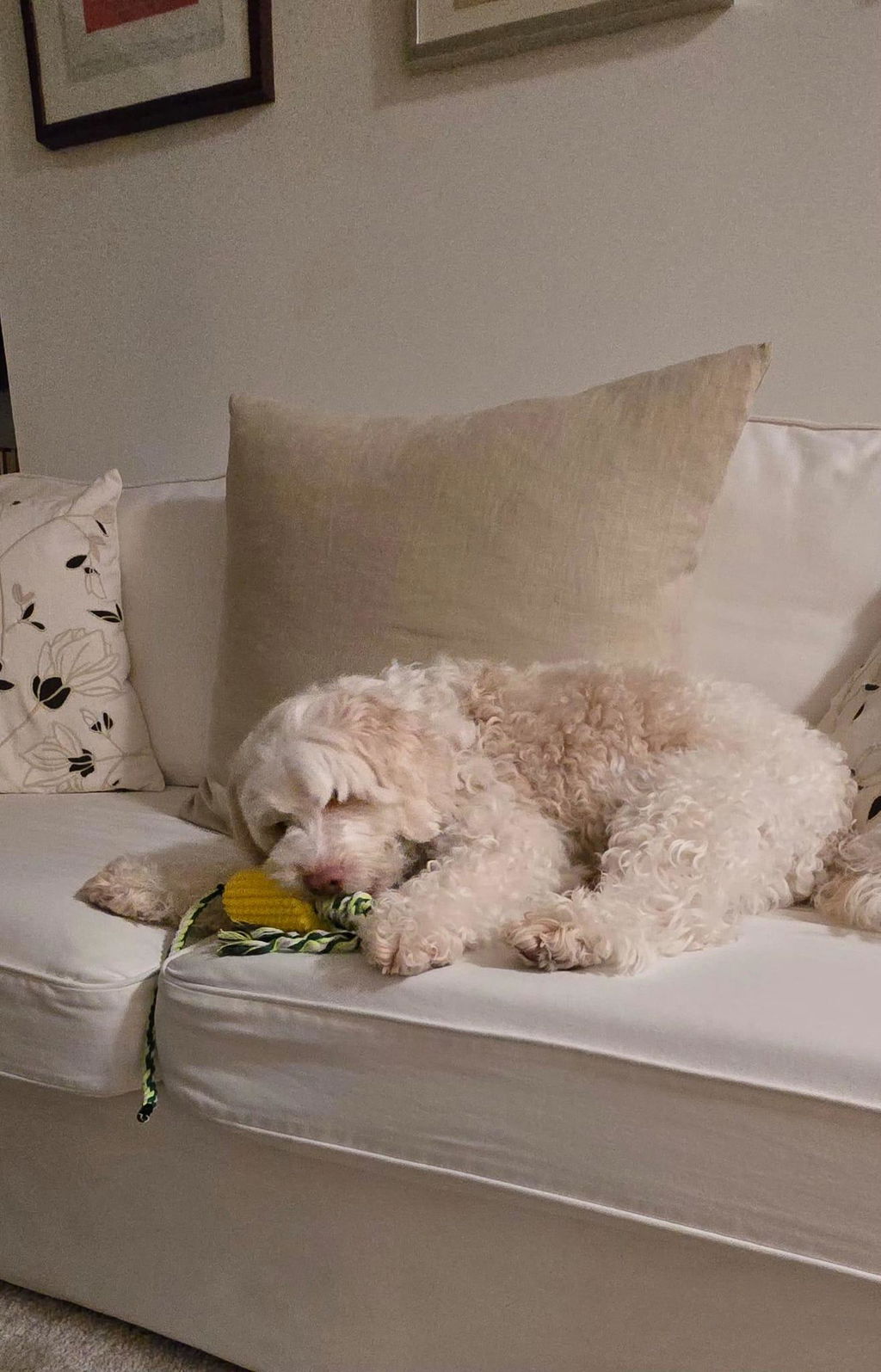
He is busy with it for hours and also I can fetch the toy when we want to spend time together
It made Sabar’s meal time more than double and I enjoy watching him eating from his unique bowl
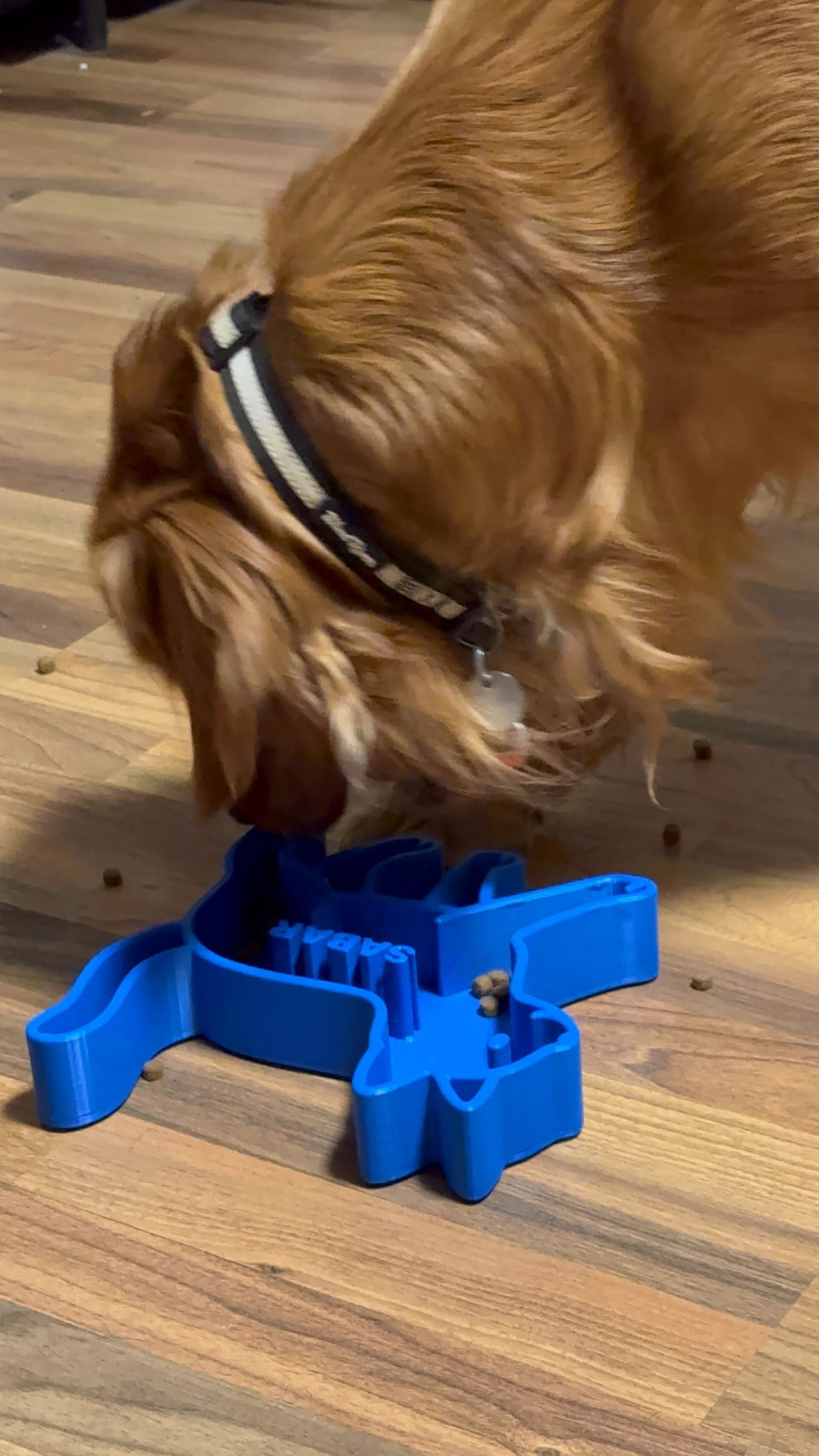
My paw was eating too fast and this bowl helped me to fix this problem
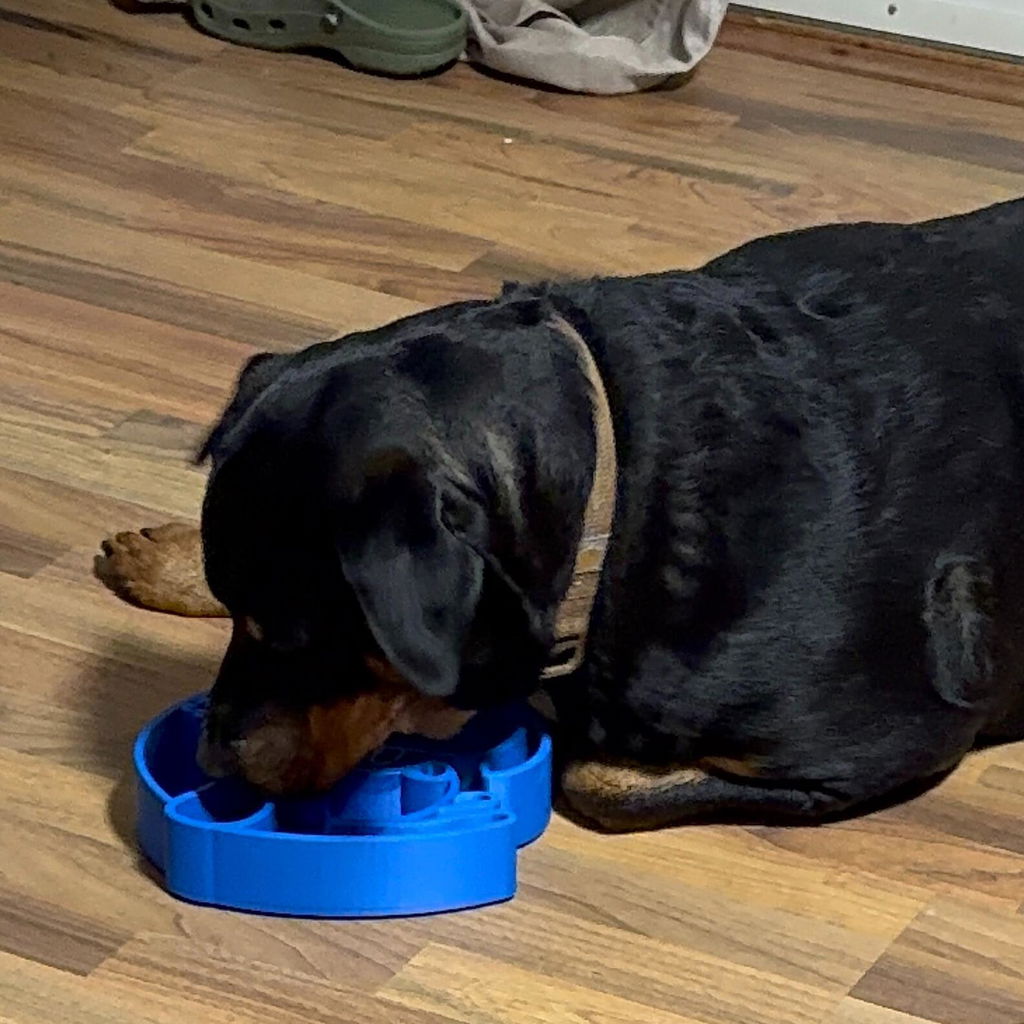
It can keep my cat's busy for a long time, but it should be under supervised I think. Long time playing with it can make them tired!
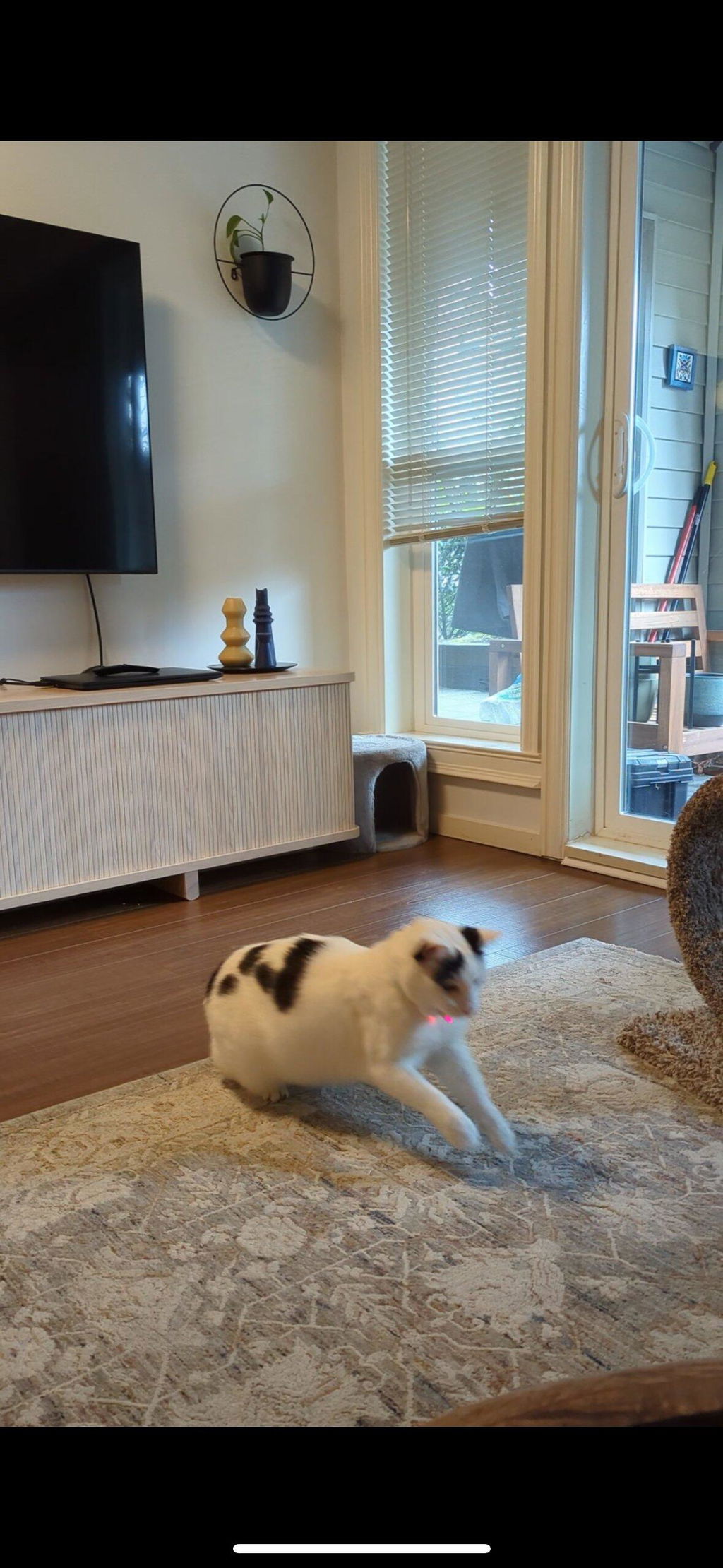
Maki playing with her ball. 😀
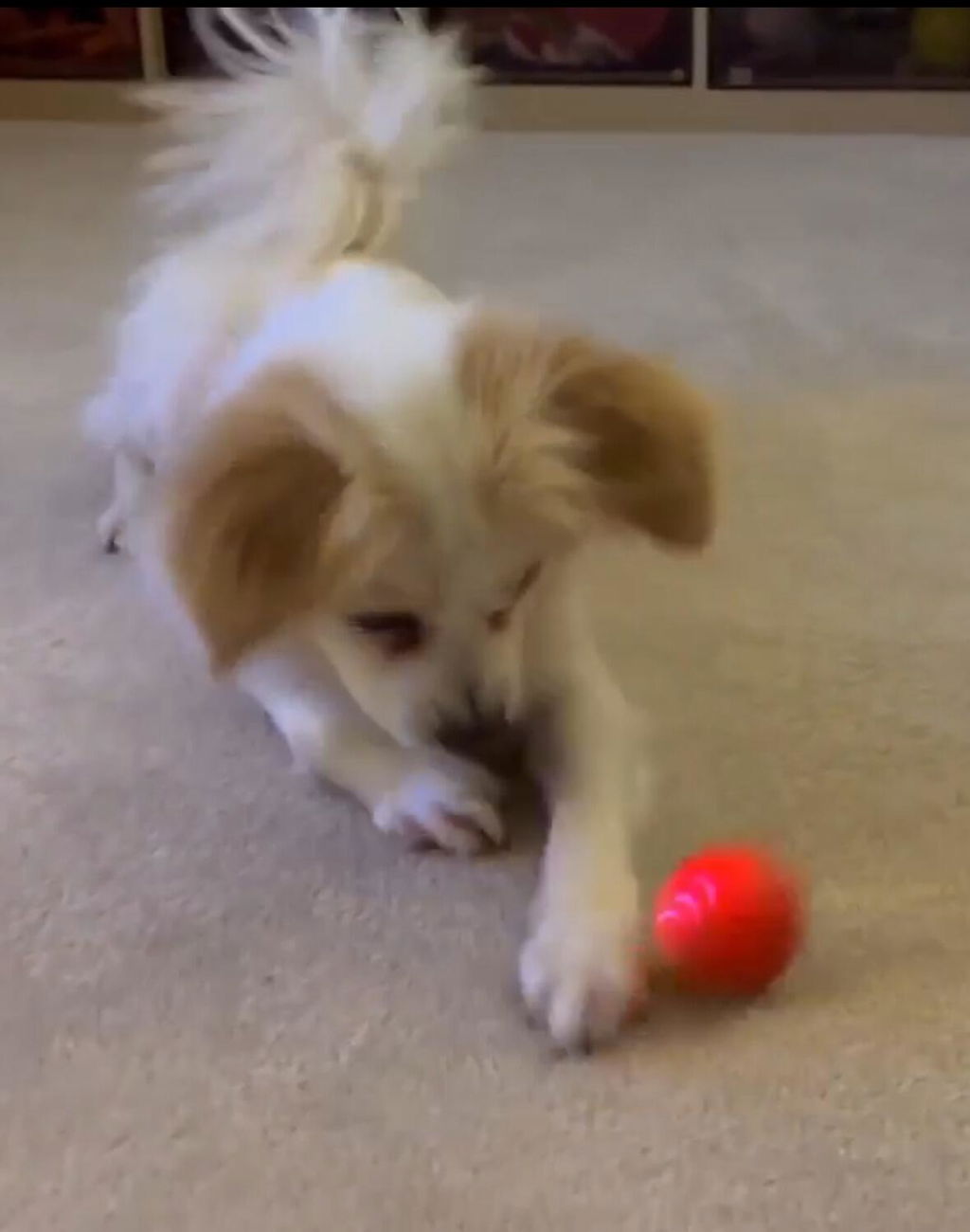
I'm using this stuff to keep my puppy busy and happy everyday.
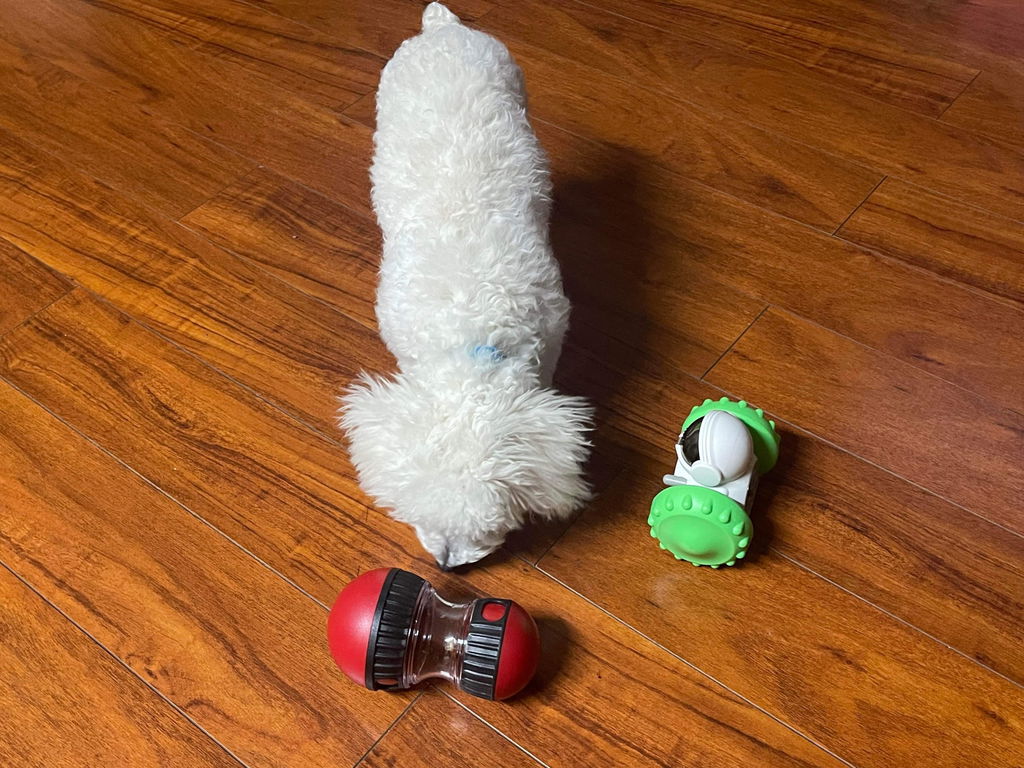
It keeps my puppy busy for more than 30 mins every time for a meal. and even after that she plays with it around as long as She get tired!
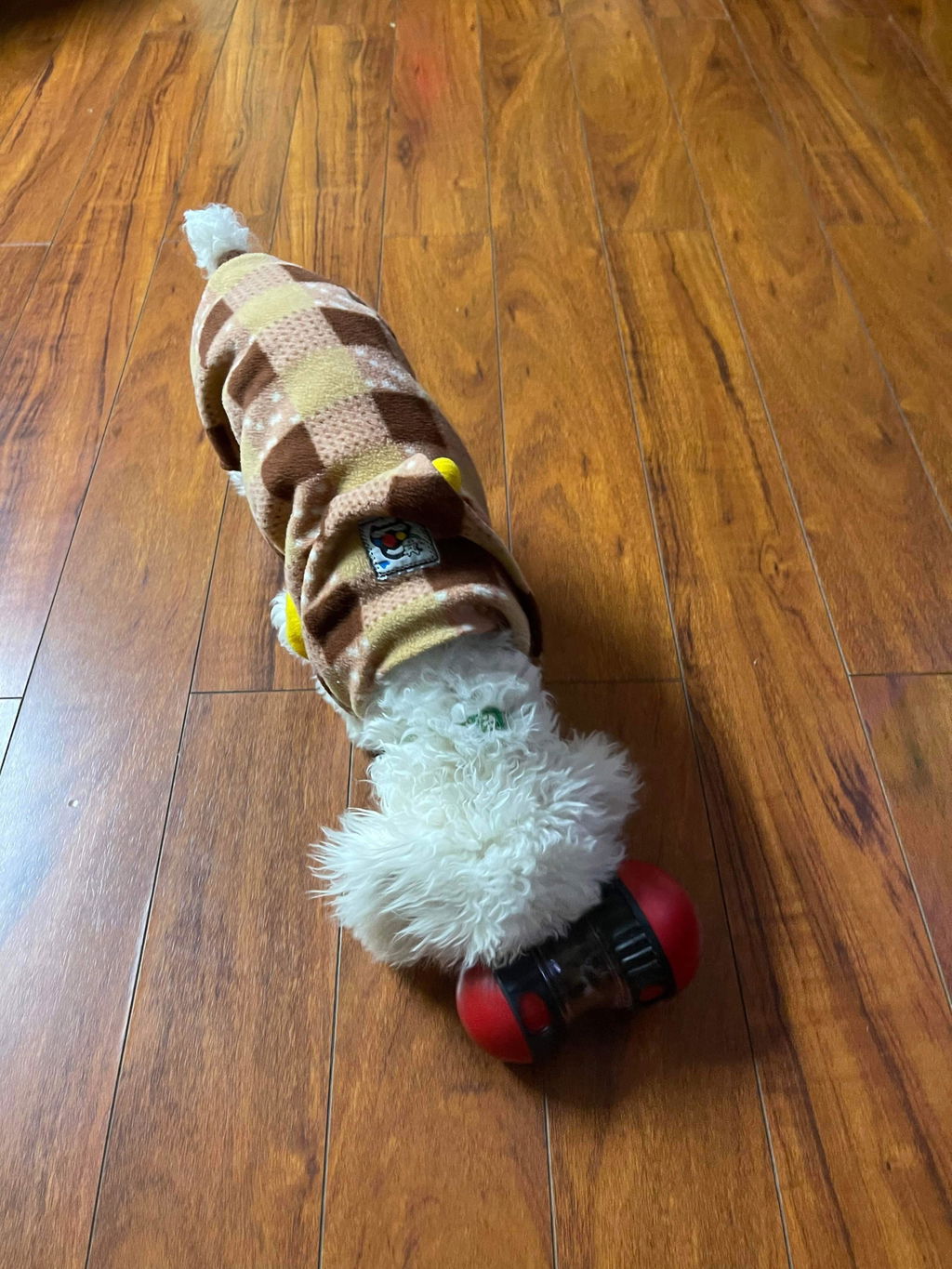
Fun "beginner level" toy. Works for cats too:)
Durable plastic, feels nice.
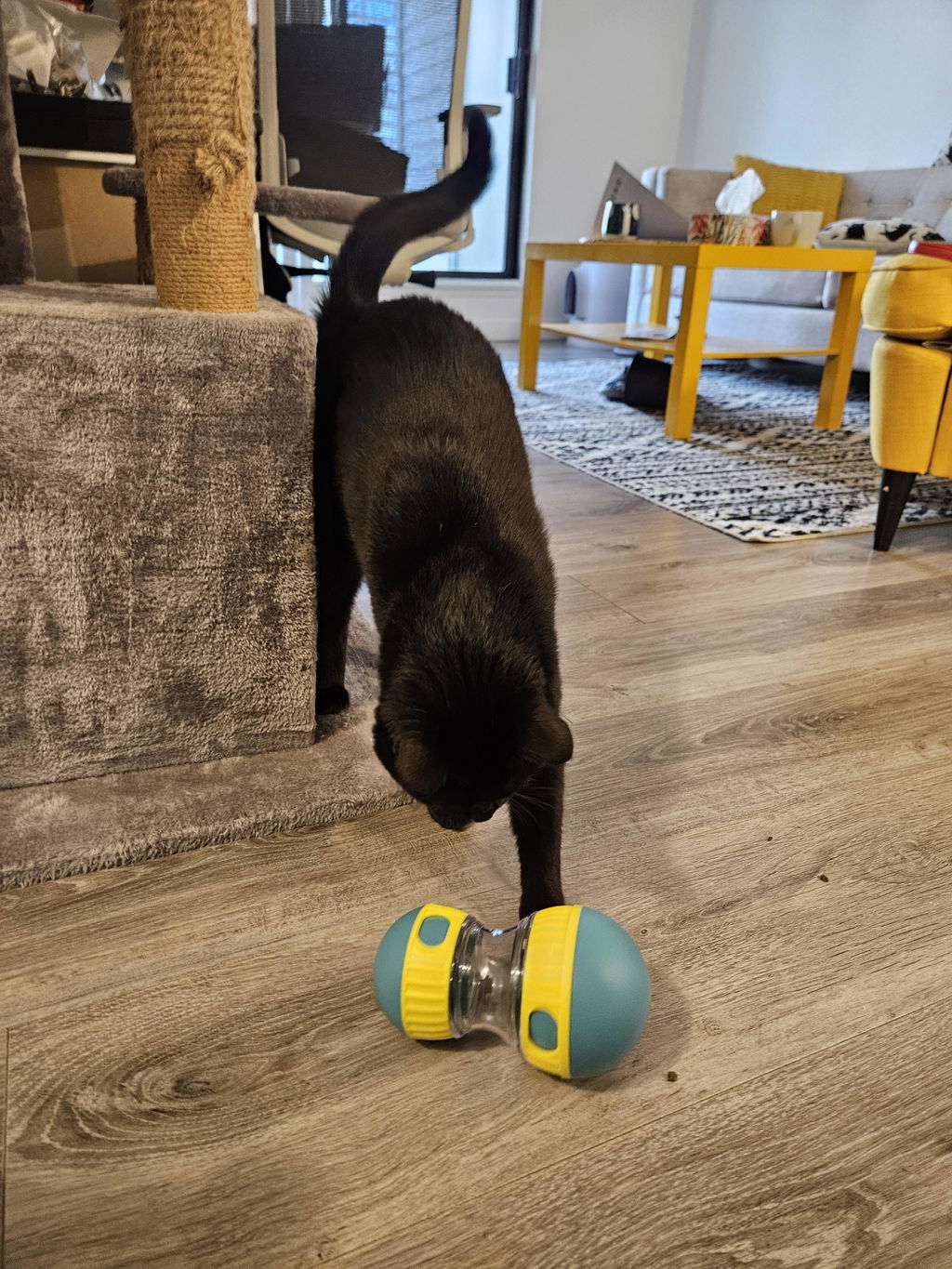
it is a bit hard on the walls but the cat just watches it. Does not interact with it. The ball works really well for what it is supposed to do.
If it was a bit softer the cat might enjoy it more.
I gave one to a neighbour who's dog loves it. She has a small dog so the size is just right.

Great bowl and such fun. Amazing the difference in time it now takes for my puppy to finish her meals. Much healthier for her! And she loves to play with it once it’s empty

Got this toy for my girl Archie and she absolutely loves it! It’s super durable, keeps her entertained for hours, and the treat dispenser is a fun bonus. Totally worth it

As soon as this ball comes out he gets very excited. The ball allows him to play by himself with the ball. His favourite toy by far.