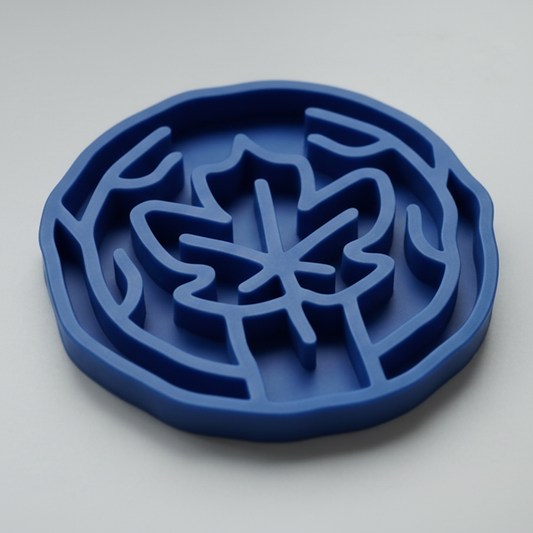
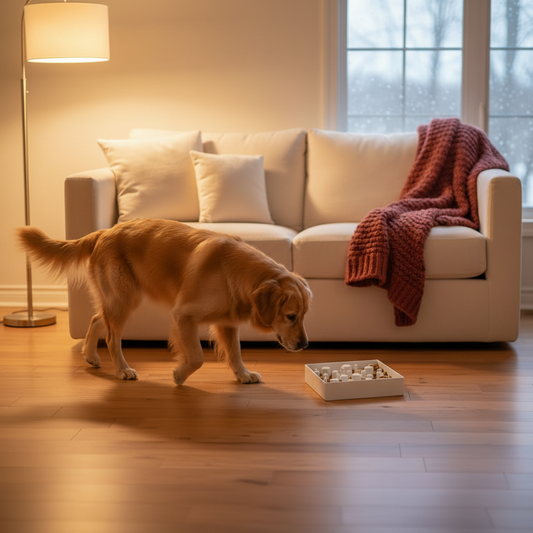
A dog food puzzle toy that actually slows eating
Index
Some dogs eat like the bowl is going to disappear. Fast eating can look harmless, but it often leads to gulping, gas, messy burps, and in some cases vomiting right after meals. Many pet parents also worry about bloat risk, especially in deep chested breeds. The good news is that a dog food puzzle toy that actually slows eating can turn mealtime into a calmer, safer habit while adding real dog enrichment.
Unlike a basic bowl, puzzle feeders create small obstacles so your dog has to work for each bite. That small change stretches out the meal, gives the brain something to do, and can reduce boredom behaviors. Think of it as an interactive dog toy that also helps with better eating pace.
Why a dog food puzzle toy that actually slows eating works
Dogs rush meals for a few common reasons: excitement, competition in multi dog homes, stress, or simply habit. Slow feeders and puzzle feeders help by changing the pattern from gulping to searching, licking, and problem solving. That natural foraging style is a powerful form of dog enrichment.
A well designed puzzle feeder slows eating in three ways. First, it limits how much food can be grabbed at once. Second, it adds friction, so food does not slide into one corner. Third, it encourages licking and sniffing, which naturally slows the jaw and helps dogs settle.

If your dog is also a heavy chewer, pair puzzle feeding with safe chew toys for after meals. A short chew session can support calm time and reduce post dinner zoomies. You can explore options in Dog Chews for dogs that need extra oral comfort.
How to choose a dog food puzzle toy that actually slows eating
Not every feeder truly slows eating. Some are too shallow, too easy, or the food falls out in seconds. When shopping for interactive dog toys and puzzle feeders, focus on a few practical details.
- Difficulty that matches your dog so it is not solved in one minute and not so hard that your dog quits.
- Stable base for eager eaters who push bowls across the floor.
- Easy to clean because leftover oils can go rancid and smell.
- Portion friendly design that fits your dog regular meal size without piling too high.
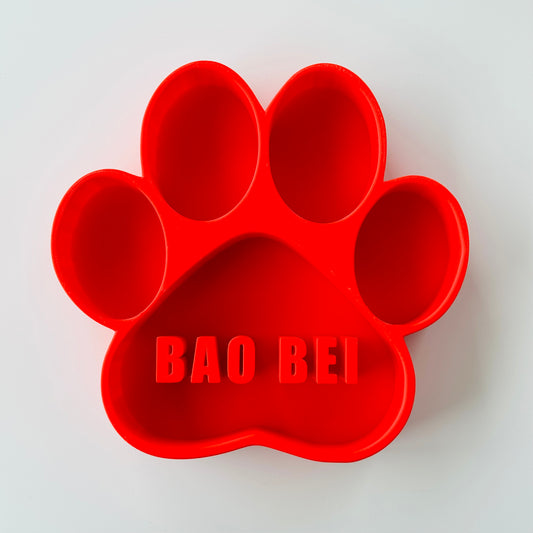
For many homes, a customised slow feeder is a sweet spot because you can choose something that fits your dog size and routine. A personalized dog bowl can also be a thoughtful dog gift and a custom gift for new puppy families. If you love the idea of a feeder that feels special, look at the Custom Slow Puzzle Feeder Bowl as a personalized gift option that still supports healthy habits.
When you want variety, rotate between classics like slow feeders and more advanced puzzle feeders. Rotations reduce boredom and keep your dog motivated. You can browse Interactive Toys for ideas that combine movement, thinking, and rewards.
How to introduce a dog food puzzle toy that actually slows eating
Even confident dogs may need a gentle first week. Start easy, then build. The goal is slower eating, not frustration.
- First meal: sprinkle kibble on top so your dog sees quick wins.
- Next meals: press kibble into deeper grooves or pockets.
- Add wet food carefully: a thin smear can increase licking and slow things down, but keep it tidy and wash after.
- Supervise at the start: if your dog tries to chew the feeder, redirect and switch to a tougher style.
If your dog is a true speed eater, measure success in minutes. A meal that used to take 30 seconds might become 5 to 10 minutes with the right puzzle feeder. That is a big change for digestion and calm behavior.

Slow feeders and puzzle feeders comparison
Some dogs do best with a simple slow feeder bowl every day. Others need a true puzzle toy to stay engaged. This quick table can help you choose.
| Option | Best for | How it slows eating | Typical meal time |
|---|---|---|---|
| Slow feeder bowl | Daily use, beginners, consistent routines | Maze ridges create smaller bites and more licking | 3 to 10 minutes |
| Puzzle feeder toy | Smart dogs, boredom relief, dog enrichment | Problem solving releases food in stages | 5 to 20 minutes |
| Snuffle mat | Nose work lovers, anxious dogs, rainy days | Foraging and sniffing slows the pace naturally | 7 to 15 minutes |
If you want a simple place to start, focus on slow feeders first, then add puzzles as a second step. You can explore Slow Feeder Bowls and pick a shape that matches your dog snout and meal size.
For multi pet homes, puzzle feeding can also reduce tension. When each dog has its own puzzle feeder, they spend less time watching each other and more time working. And if you are shopping for the holidays, a dog gift that supports calm, healthy routines is a win. Many pet parents even pair a dog gift with a cat gift from the same shop list, especially when they are building a thoughtful custom gift bundle for the whole home.
Mealtime is not just calories. It is daily connection. When you give your dog a puzzle feeder that truly slows eating, you are gifting comfort, calmer digestion, and a little mental joy every day. If you want to make your next meal feel safer and more meaningful, choose one new feeder today and watch your dog relax into the routine.
Frequently Asked Questions
Do puzzle feeders really slow down fast eater dogs?
Yes, when the design forces smaller mouthfuls and adds licking or problem solving. A good puzzle feeder can turn a under one minute meal into several minutes, which often reduces gulping and post meal upset stomach.
Is a slow feeder bowl or a puzzle feeder better?
A slow feeder bowl is usually best for daily consistency and easy cleaning. A puzzle feeder is great for dog enrichment and dogs that get bored. Many homes use a slow feeder most days and rotate puzzle feeders a few times a week.
Can I use wet food in a dog food puzzle toy that actually slows eating?
Often yes, especially in lick based designs. Use a thin layer so it does not become too hard to clean, and wash promptly after each meal. If your dog is new to puzzle feeding, start with kibble before adding wet food.
Let customers speak for us
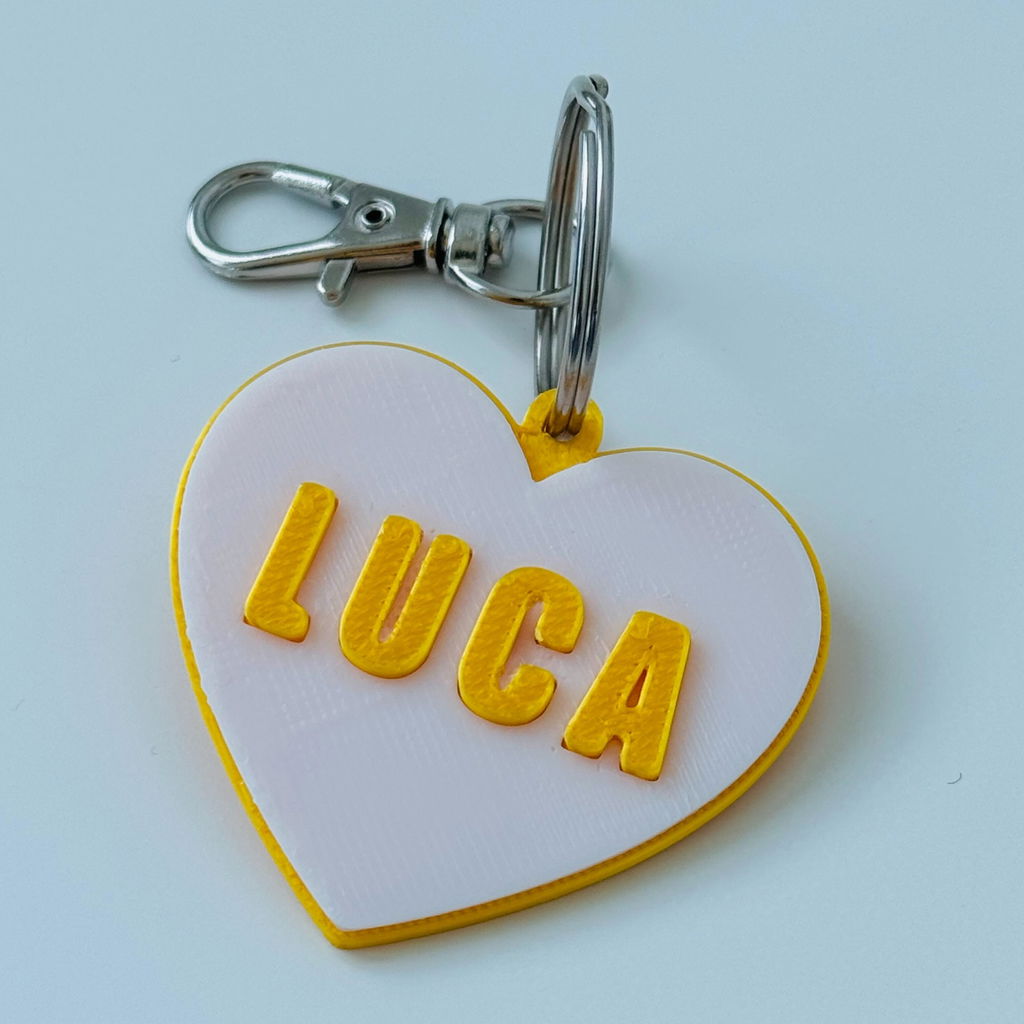
Golden Luca is pretty and it has my name and phone number on the flip side.
I bought it for Bao Bei to help him eat slower, also have a unique feeding bowl
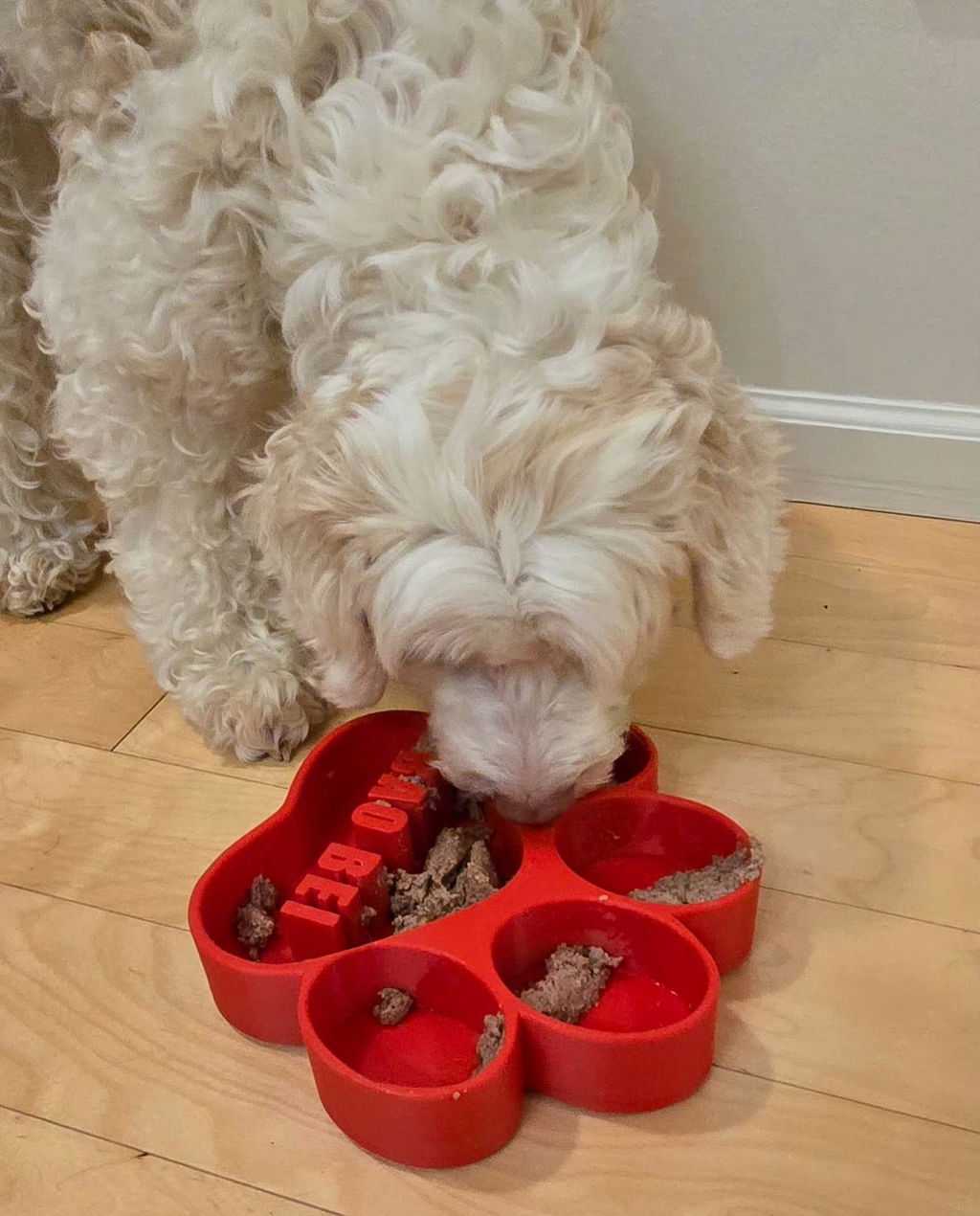
He is busy with it for hours and also I can fetch the toy when we want to spend time together
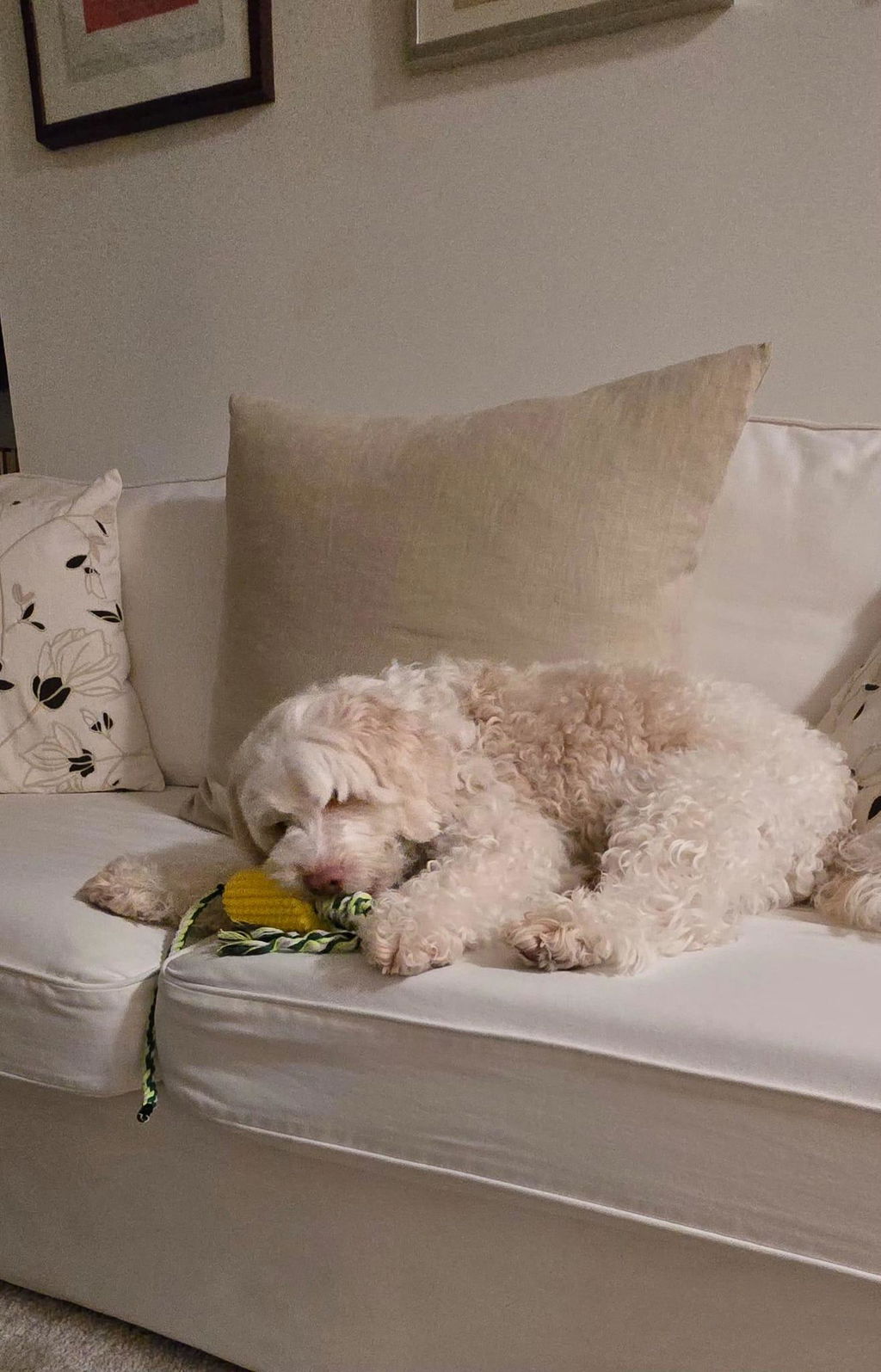
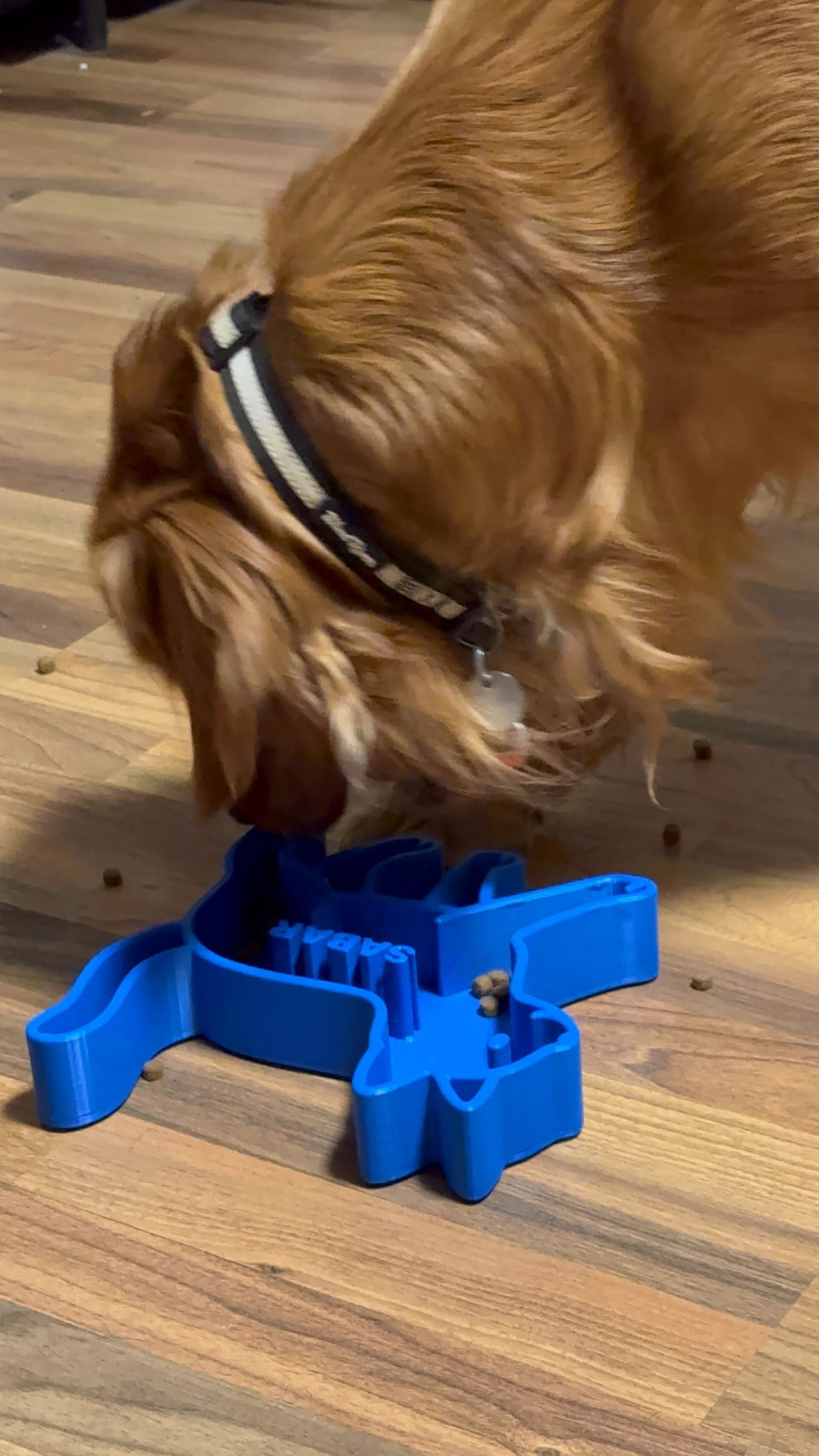
It made Sabar’s meal time more than double and I enjoy watching him eating from his unique bowl
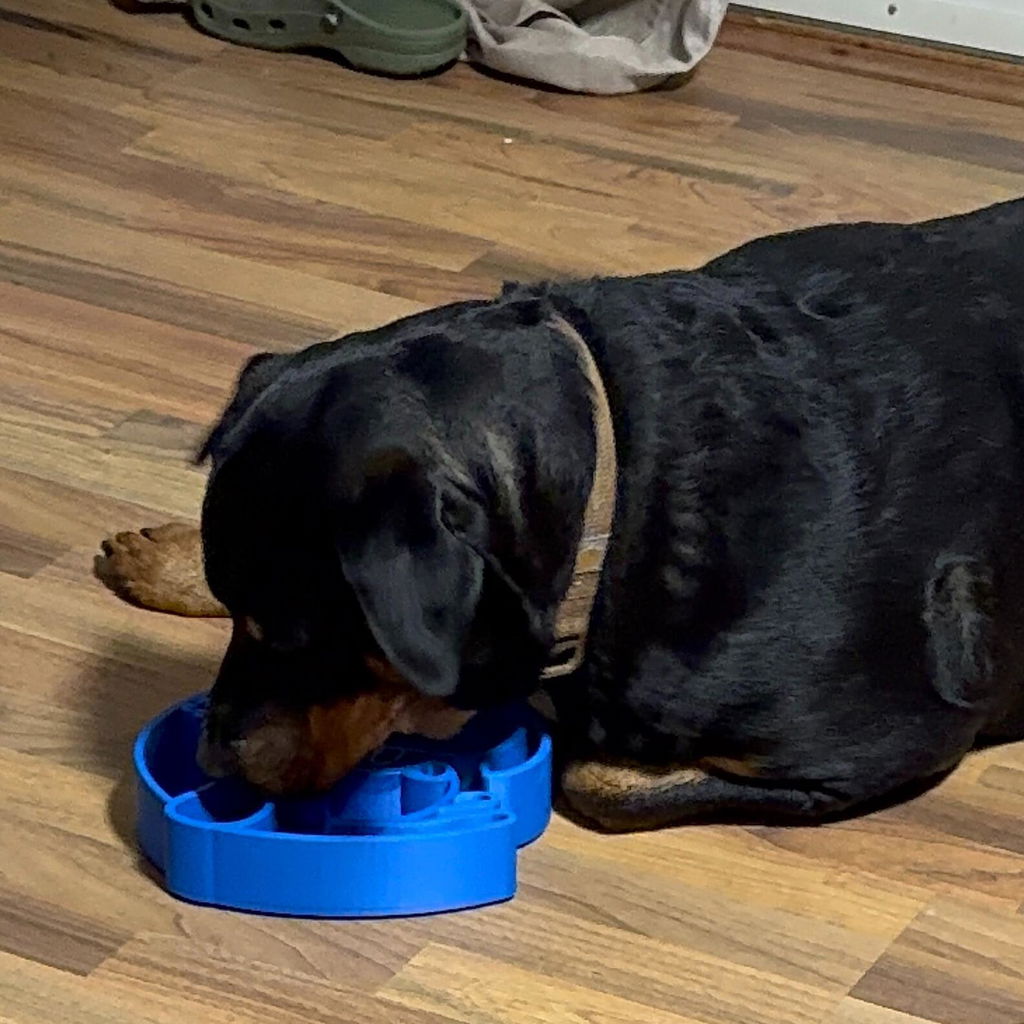
My paw was eating too fast and this bowl helped me to fix this problem
It can keep my cat's busy for a long time, but it should be under supervised I think. Long time playing with it can make them tired!
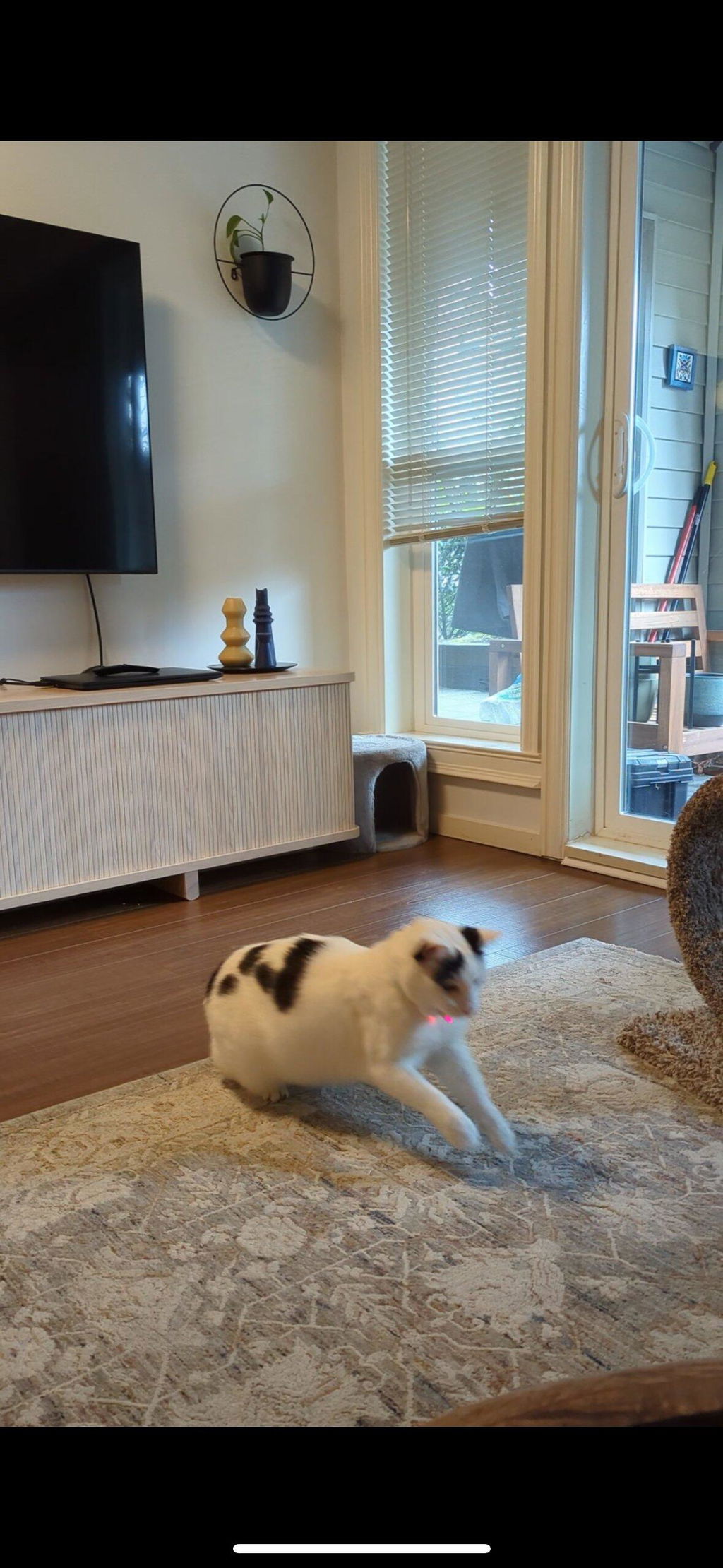
Maki playing with her ball. 😀
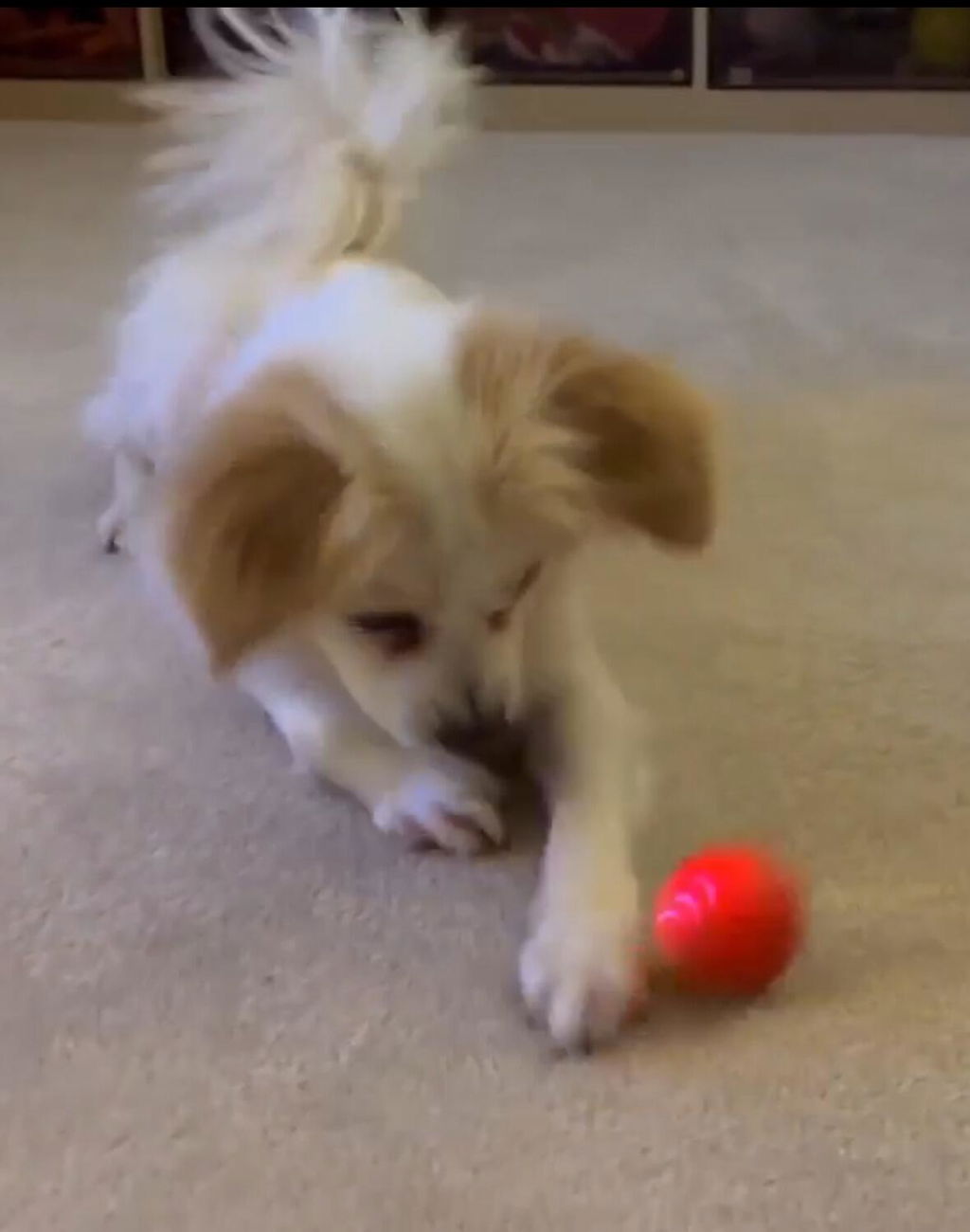
I'm using this stuff to keep my puppy busy and happy everyday.
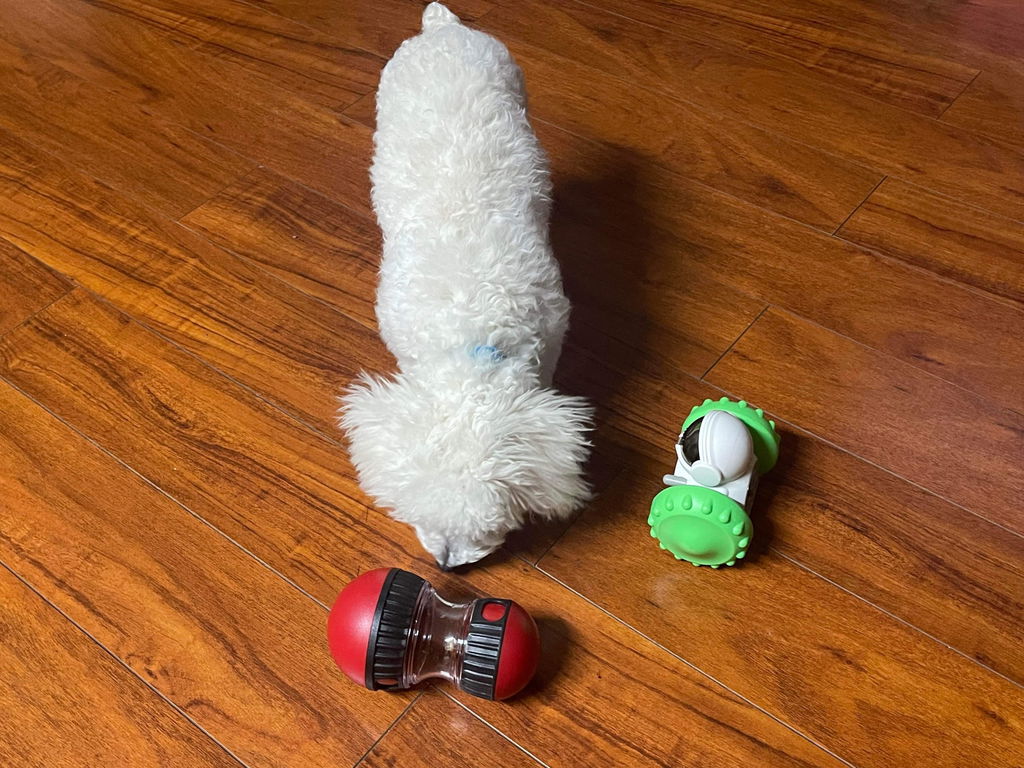
It keeps my puppy busy for more than 30 mins every time for a meal. and even after that she plays with it around as long as She get tired!
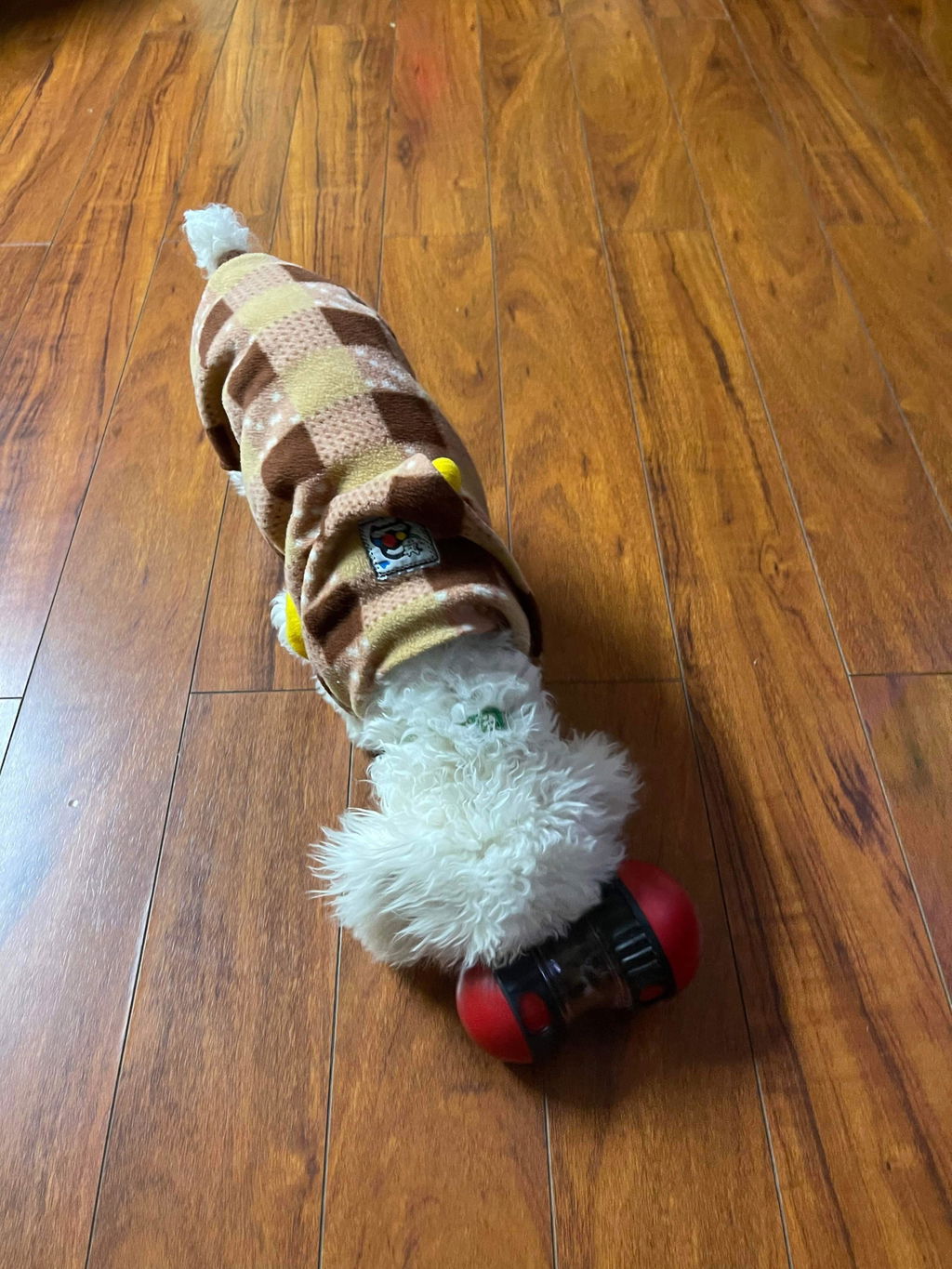
Fun "beginner level" toy. Works for cats too:)
Durable plastic, feels nice.
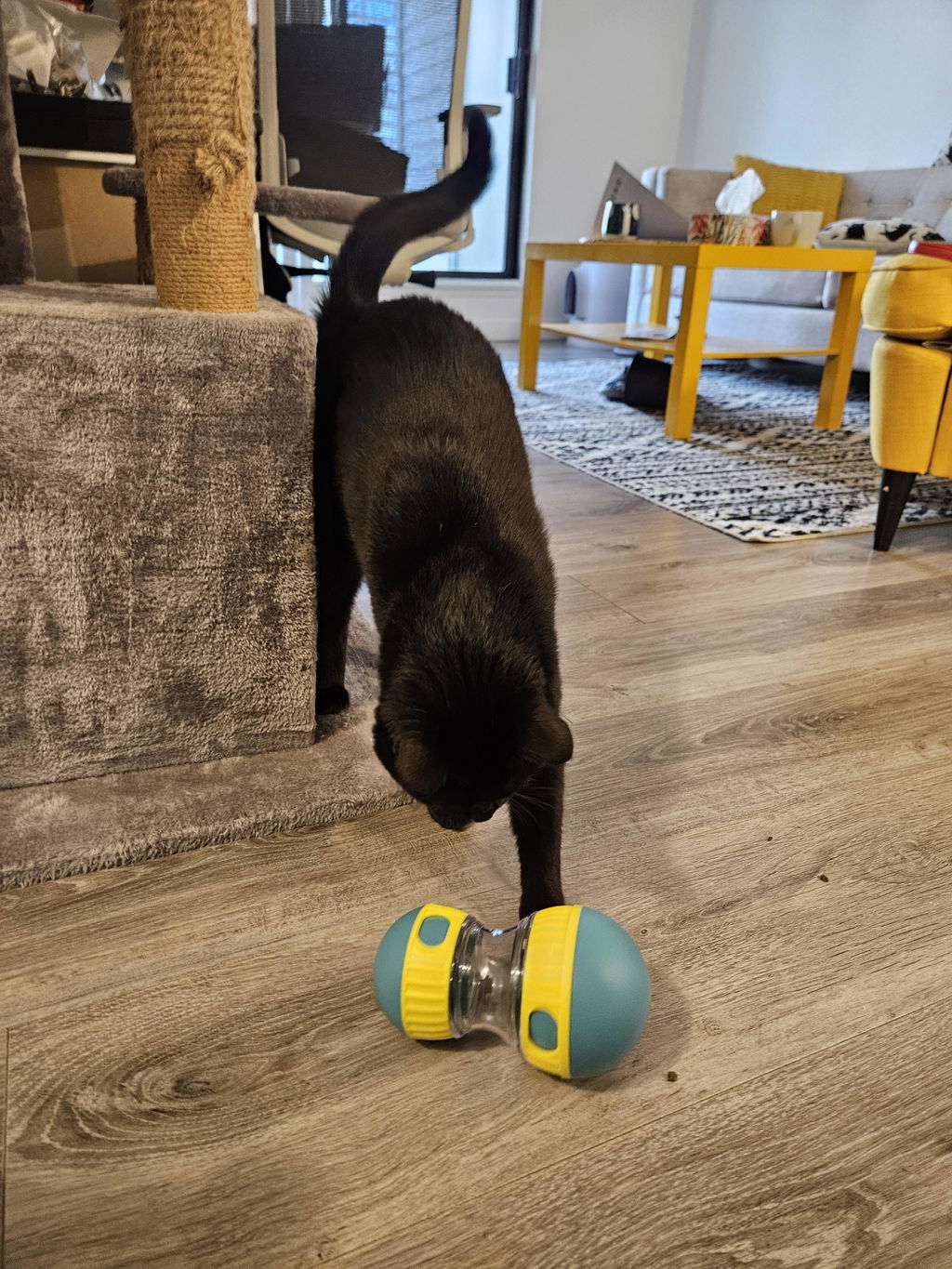
it is a bit hard on the walls but the cat just watches it. Does not interact with it. The ball works really well for what it is supposed to do.
If it was a bit softer the cat might enjoy it more.
I gave one to a neighbour who's dog loves it. She has a small dog so the size is just right.

Great bowl and such fun. Amazing the difference in time it now takes for my puppy to finish her meals. Much healthier for her! And she loves to play with it once it’s empty

Got this toy for my girl Archie and she absolutely loves it! It’s super durable, keeps her entertained for hours, and the treat dispenser is a fun bonus. Totally worth it

As soon as this ball comes out he gets very excited. The ball allows him to play by himself with the ball. His favourite toy by far.

The bone shape is super cute and simple, and makes mealtime fun for my pup. love it!