AirTag Collars for Dogs and Cats: How They Really Work
Milo slipped out through a cracked balcony door on a quiet Tuesday afternoon, and for twenty long minutes his owner Sarah had no idea where to start looking. It is the moment every cat and dog owner dreads, the one where a collar and a name tag suddenly feel like they are not quite enough.

When a Pet Goes Quiet, Every Minute Feels Long
Most of us grew up trusting a name tag and a phone number on a collar. That still matters, but it only works if someone finds your pet and takes the time to call. In the first minutes, you are mostly guessing which way to walk.
In a city like Vancouver, where many pets live in apartments with balconies and shared hallways, the gap between a pet slipping out and someone noticing can feel especially long.
What Most Pet Owners Get Wrong About Tracking
A lot of owners assume any pet tracker works like the GPS in a car, beaming a live signal back to a phone. Some trackers do work that way, but they usually come with a bulkier unit and a monthly plan. An AirTag collar works differently, and it helps to know how before you buy one.
How an AirTag Collar Actually Works
An AirTag uses Bluetooth, not GPS. It connects to Apple's Find My network. When your pet is near an Apple device, that device quietly passes the AirTag's location to you, and you see the last known location in the Find My app on your iPhone.
There is no monthly fee for the AirTag. The AirTag Collar for Cats & Dogs is the holder: a nylon collar with a reflective strap and a pocket built in to carry the AirTag. The collar does not include an AirTag, which is made and sold separately by Apple.
Collars come in four sizes, from S for cats to XL for large dogs. See our guide to choosing an AirTag collar size and colour to pick the right one.

AirTag Collar vs a Standard ID Tag
Both have a place. Here is how they differ.
| Standard ID tag | AirTag collar | |
|---|---|---|
| Finding your pet | Relies on someone calling you | Shows a last known location in your app |
| Ongoing cost | None | No subscription for the AirTag |
| Works best | Anywhere | Where Apple devices are nearby, such as cities and suburbs |
What Changed for Sarah and Milo
That afternoon, Sarah found Milo two blocks away, curled up under a neighbour's porch. A passing iPhone had relayed his last known location a few minutes earlier, so she opened her phone and followed the map instead of knocking on every door.
For a lot of pet owners, that small bit of certainty is the point. Instead of guessing which way to walk, there is a place to start.

Where to Go Next
Read about AirTag collars in Canada, compare AirTag holders for dogs and cats, see dog trackers with no subscription or learn what to do when a pet goes missing. Walking after dark? Our guide to reflective dog leashes for night walks covers the leash side. Browse the full Collars and Leashes collection.
Does an AirTag collar use GPS? No. It uses Bluetooth and Apple's Find My network, so it shows a last known location based on nearby Apple devices.
Does the collar come with an AirTag? No. The collar holds an AirTag, which is made and sold separately by Apple.
Will it work in a rural area? It can, but less reliably, since it depends on Apple devices passing nearby. In cities and suburbs there are usually more of them.
A little more certainty makes a hard moment easier. Browse the Collars and Leashes collection to find a collar for your pet.
Related AirTag and leash guides
- Choosing an AirTag collar size and colour
- Dog trackers with no subscription
- Reflective dog leashes for night walks
Shop the collection: Stylish and Durable Collars & Leashes for Dogs and Cats
Let customers speak for us
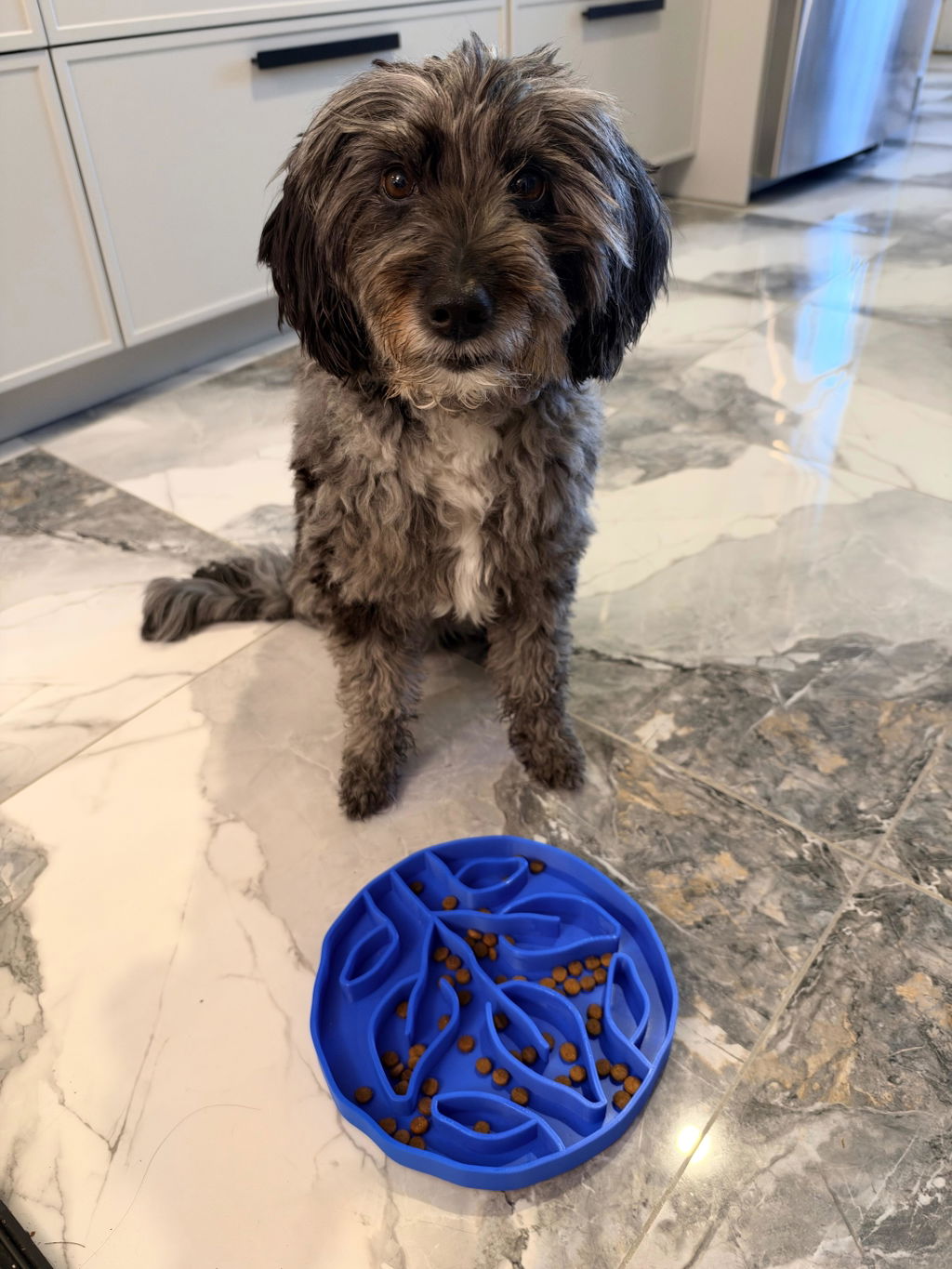
Willow loves eating out of this leaf feeder! The construction is very good quality and feels solid/ not like it’s going to break. She is a picky eater and doesn’t normally eat full meals but will eat full meals out of this! Love the grippy bottom so it doesn’t slip. Nothing to complain about :)
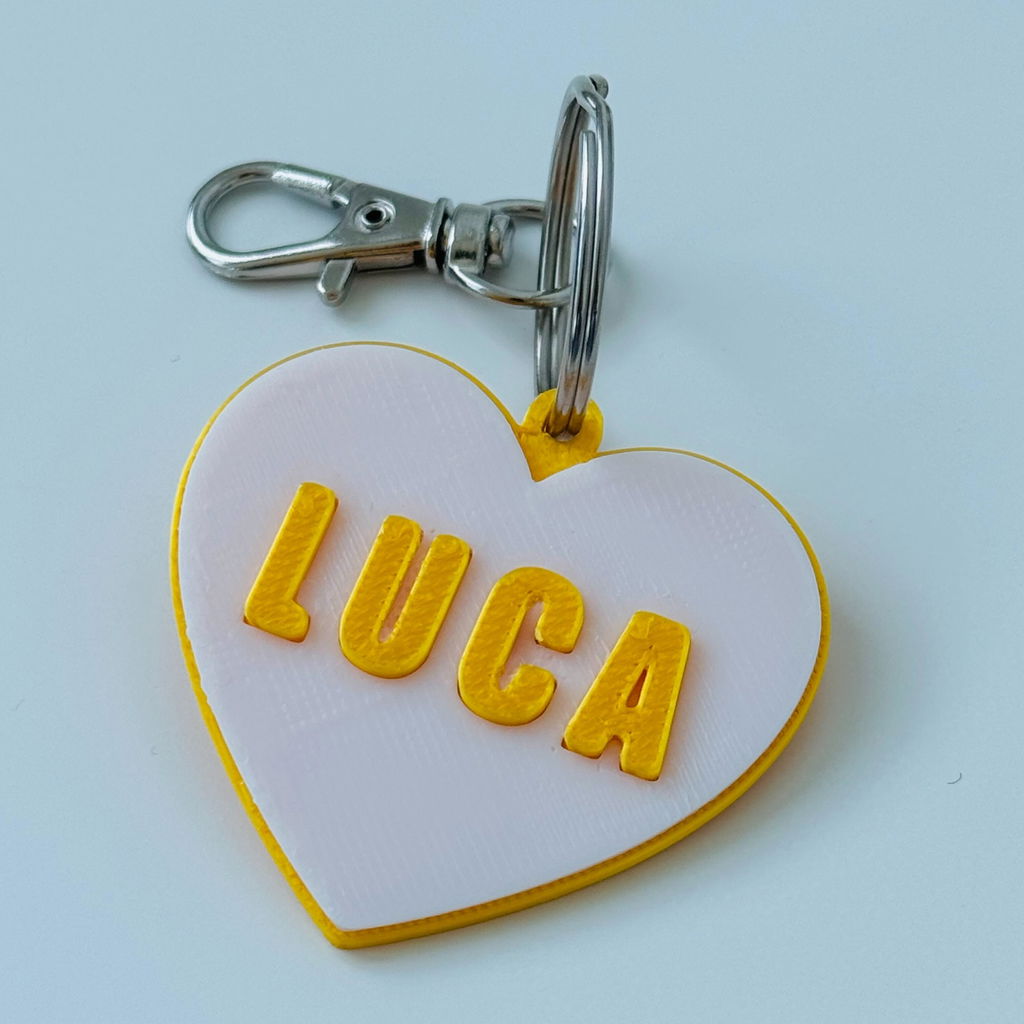
Golden Luca is pretty and it has my name and phone number on the flip side.
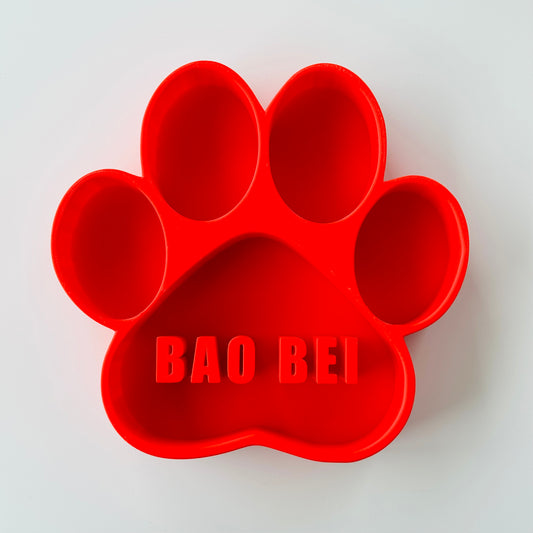
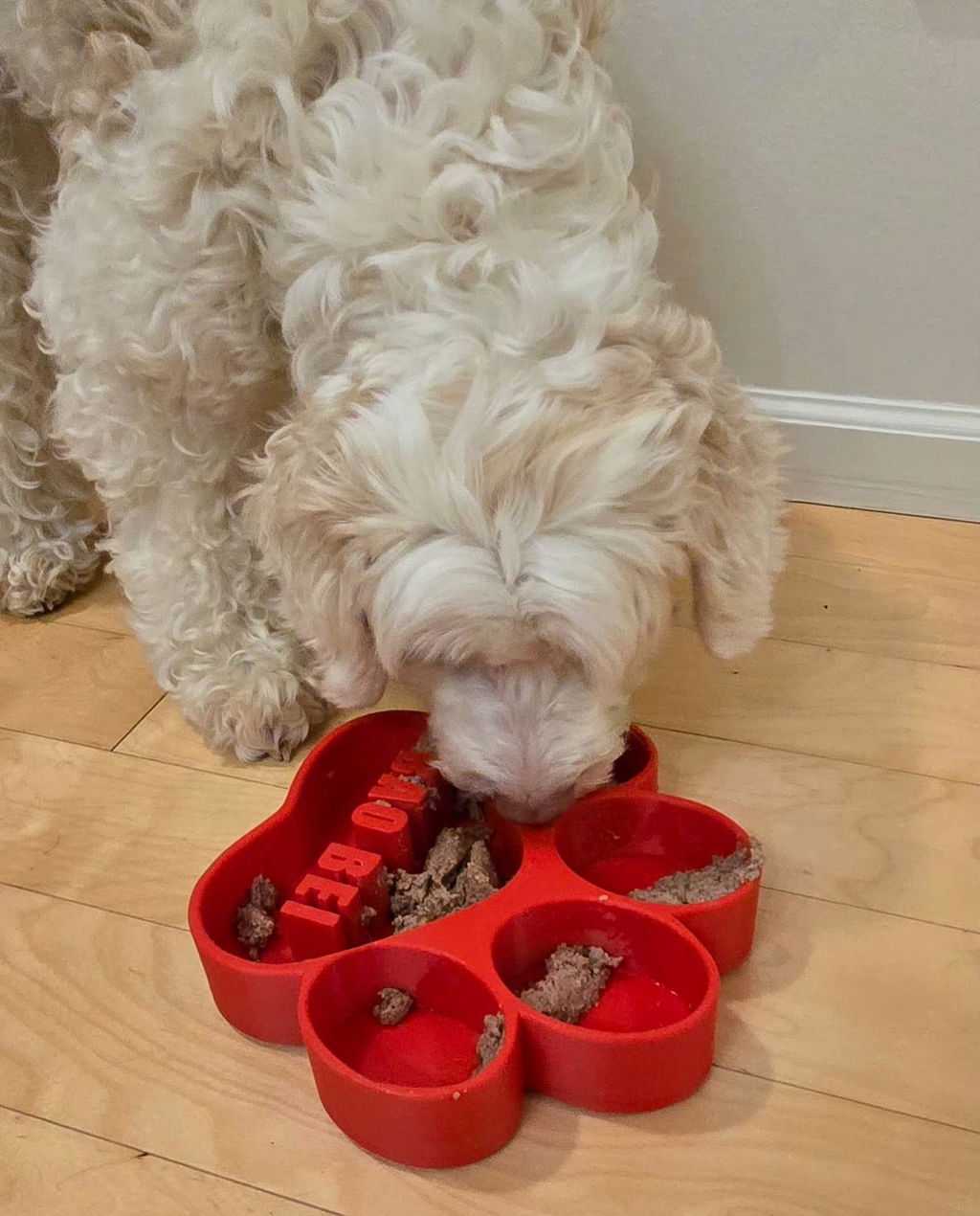
I bought it for Bao Bei to help him eat slower, also have a unique feeding bowl
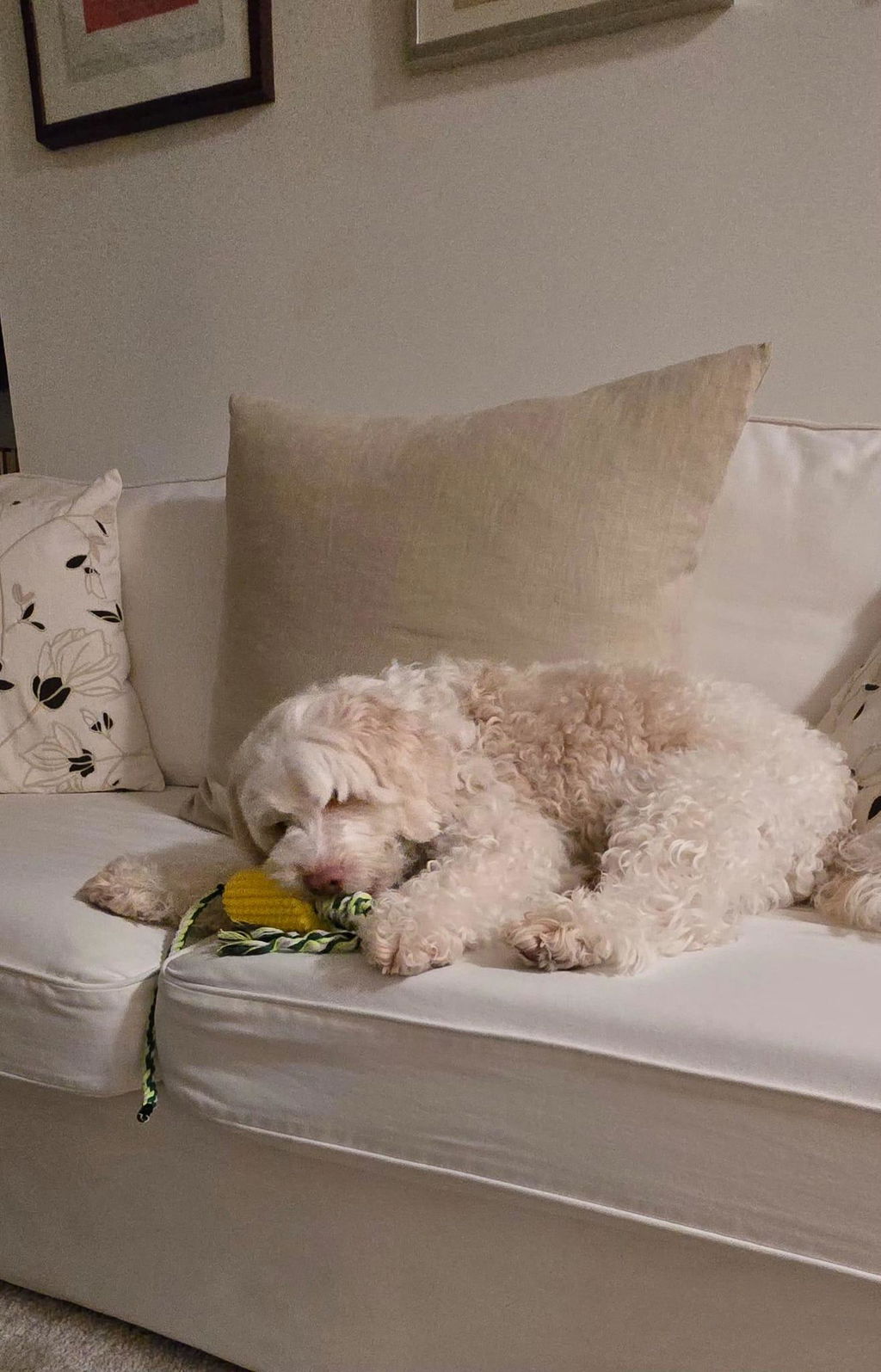
He is busy with it for hours and also I can fetch the toy when we want to spend time together
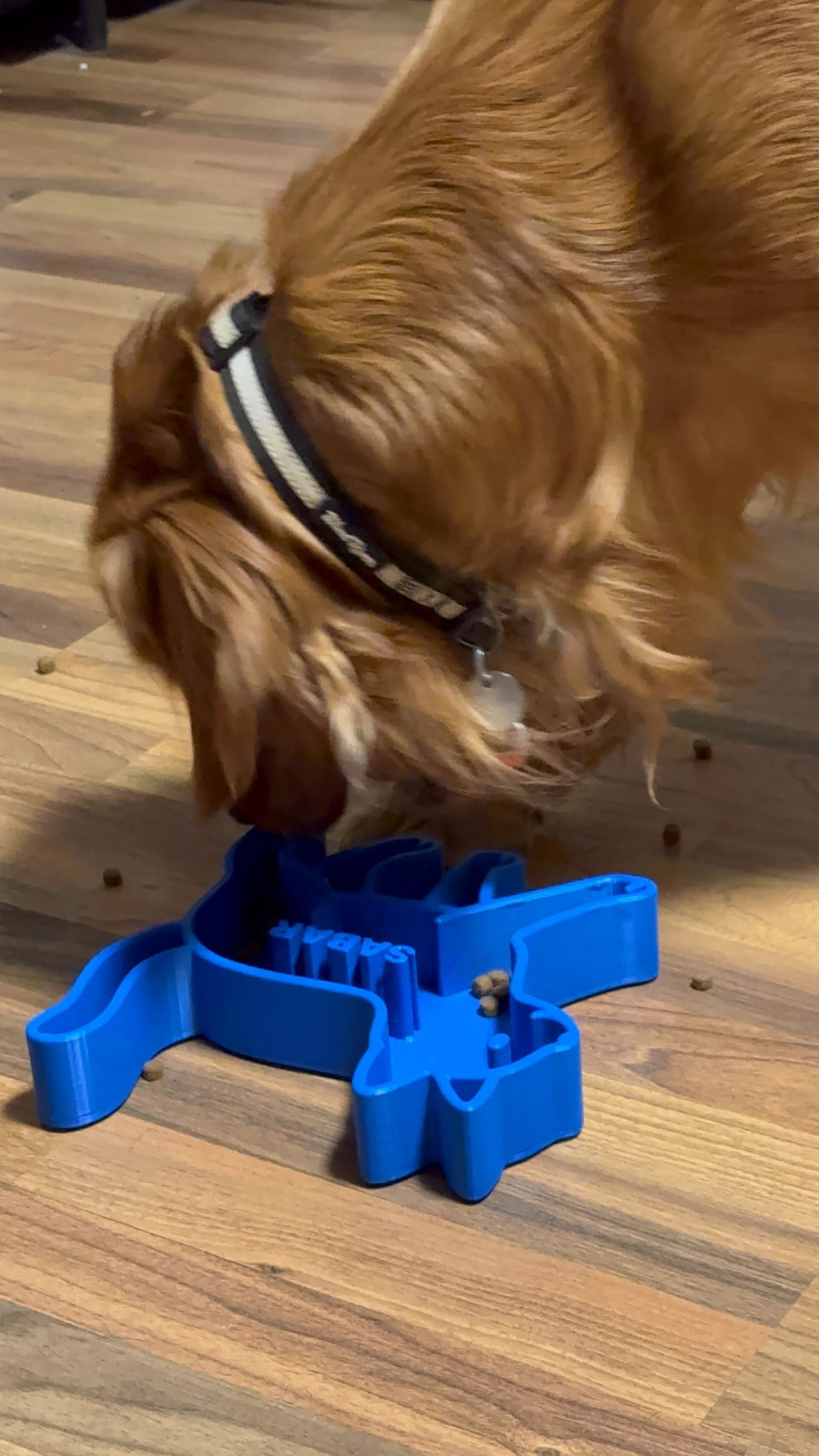
It made Sabar’s meal time more than double and I enjoy watching him eating from his unique bowl
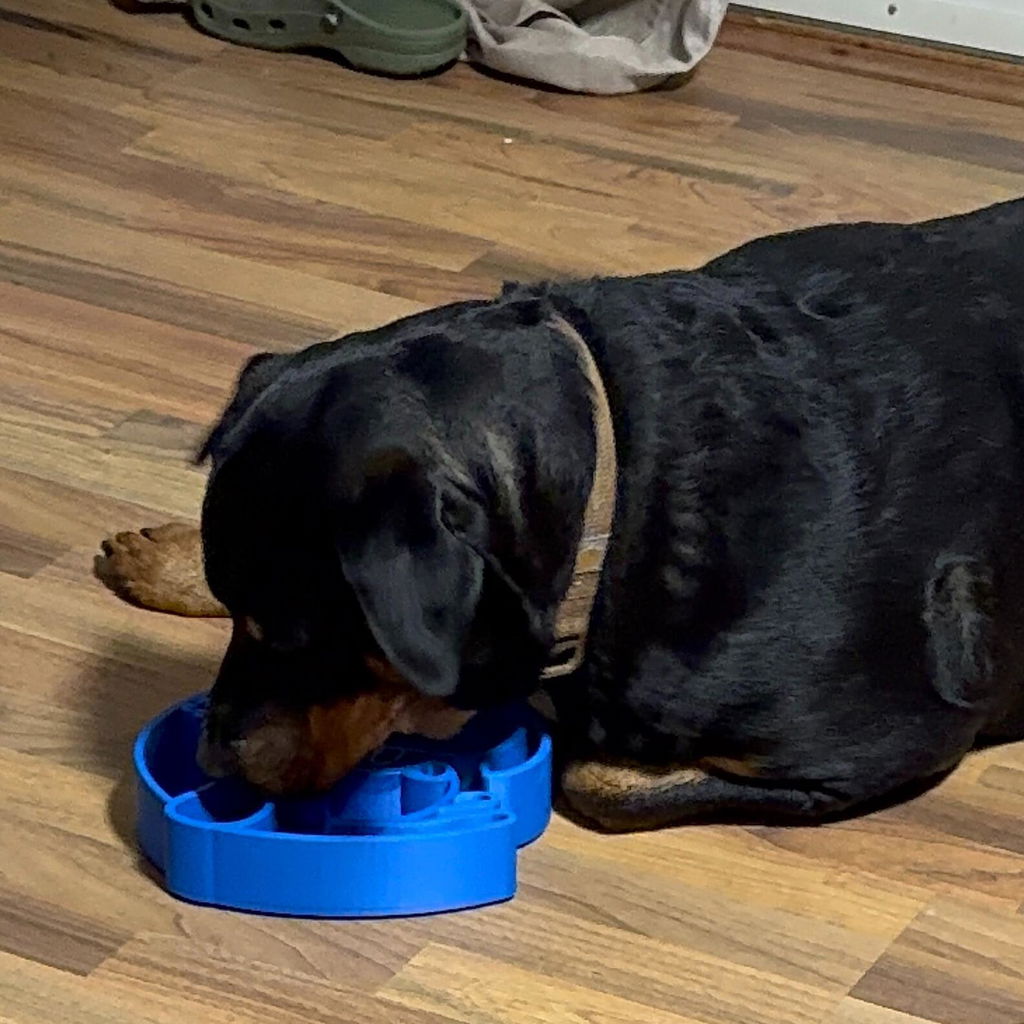
My paw was eating too fast and this bowl helped me to fix this problem
It can keep my cat's busy for a long time, but it should be under supervised I think. Long time playing with it can make them tired!
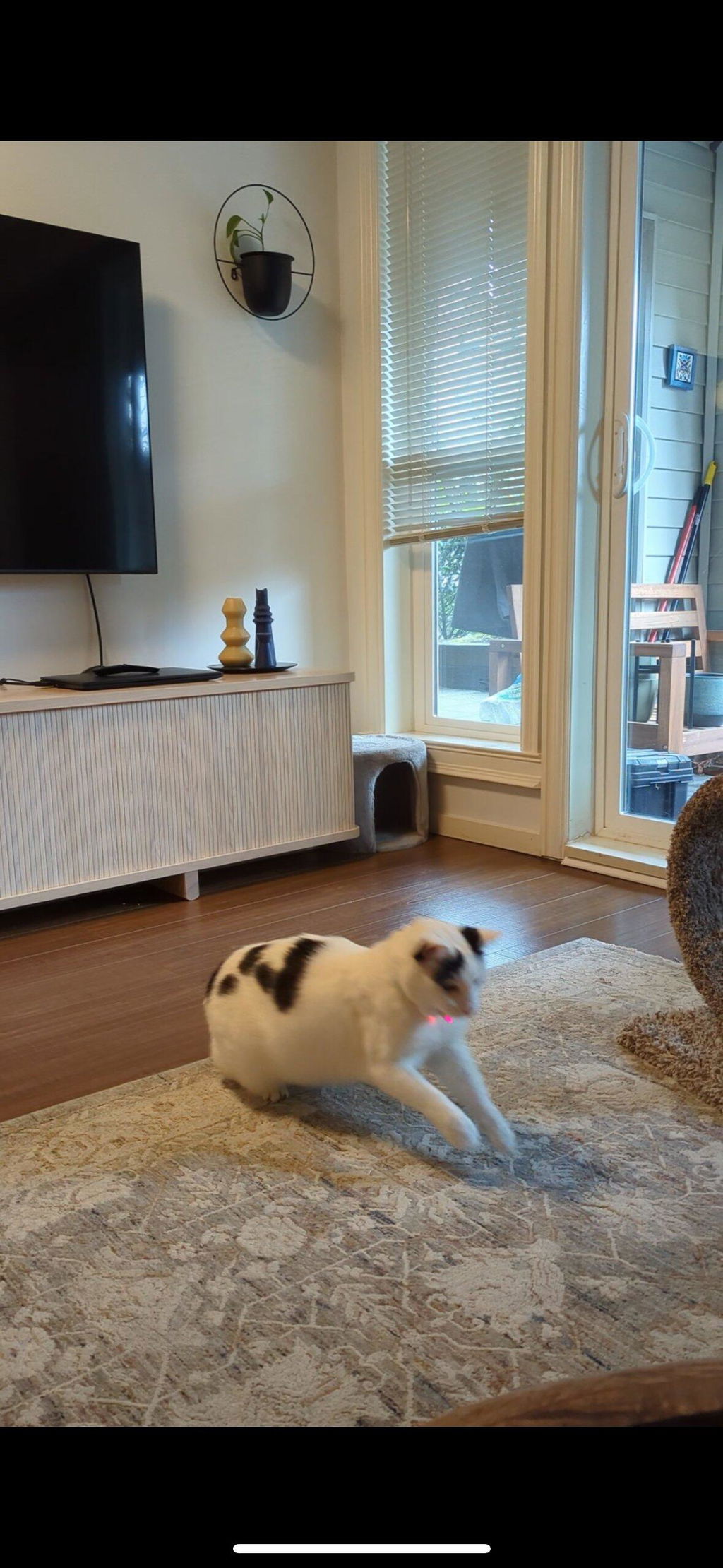
Maki playing with her ball. 😀
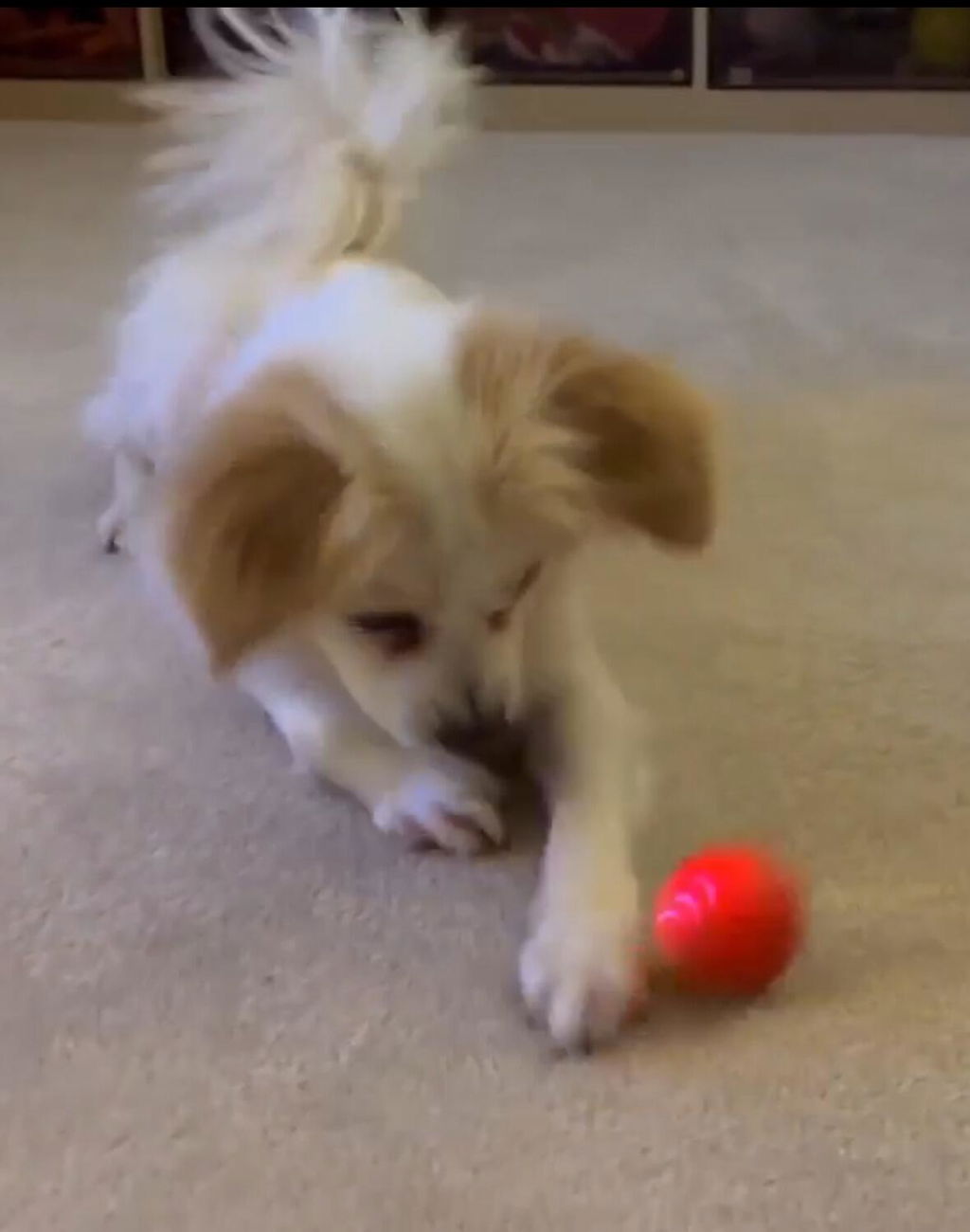
I'm using this stuff to keep my puppy busy and happy everyday.
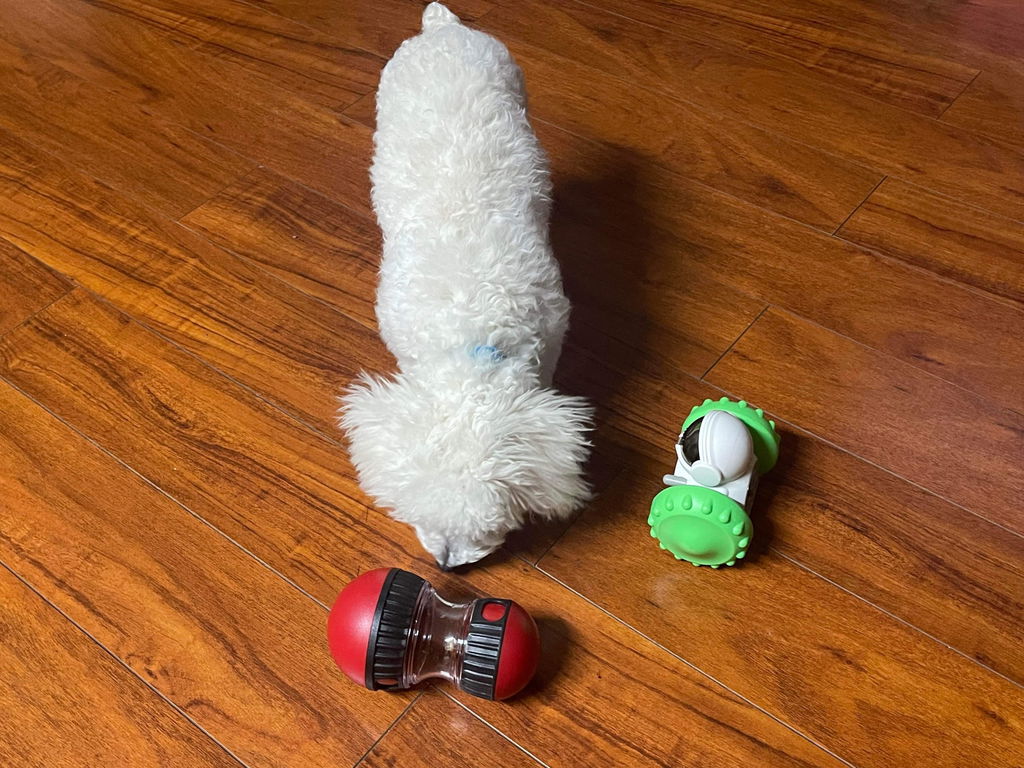
It keeps my puppy busy for more than 30 mins every time for a meal. and even after that she plays with it around as long as She get tired!
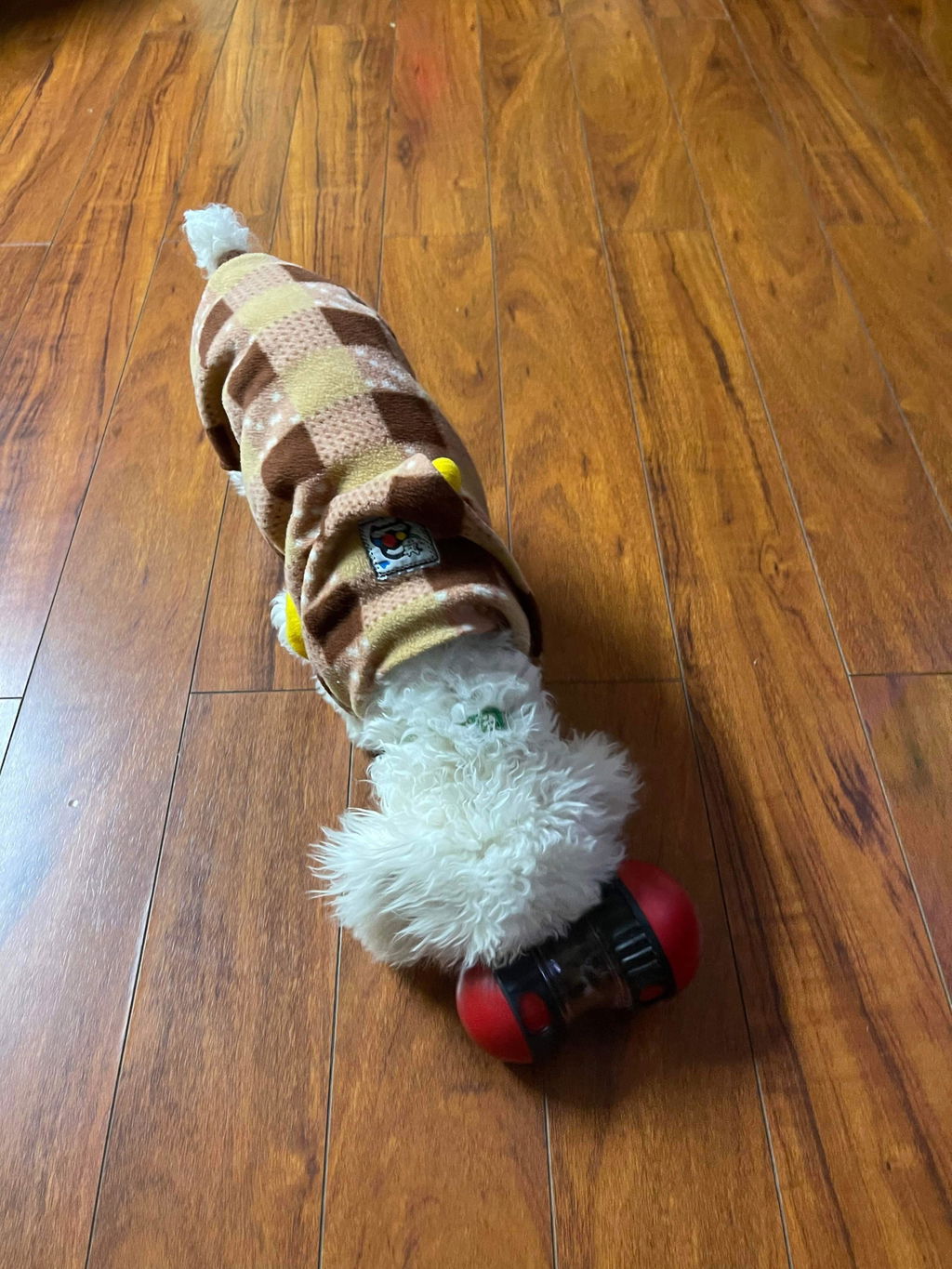
Fun "beginner level" toy. Works for cats too:)
Durable plastic, feels nice.
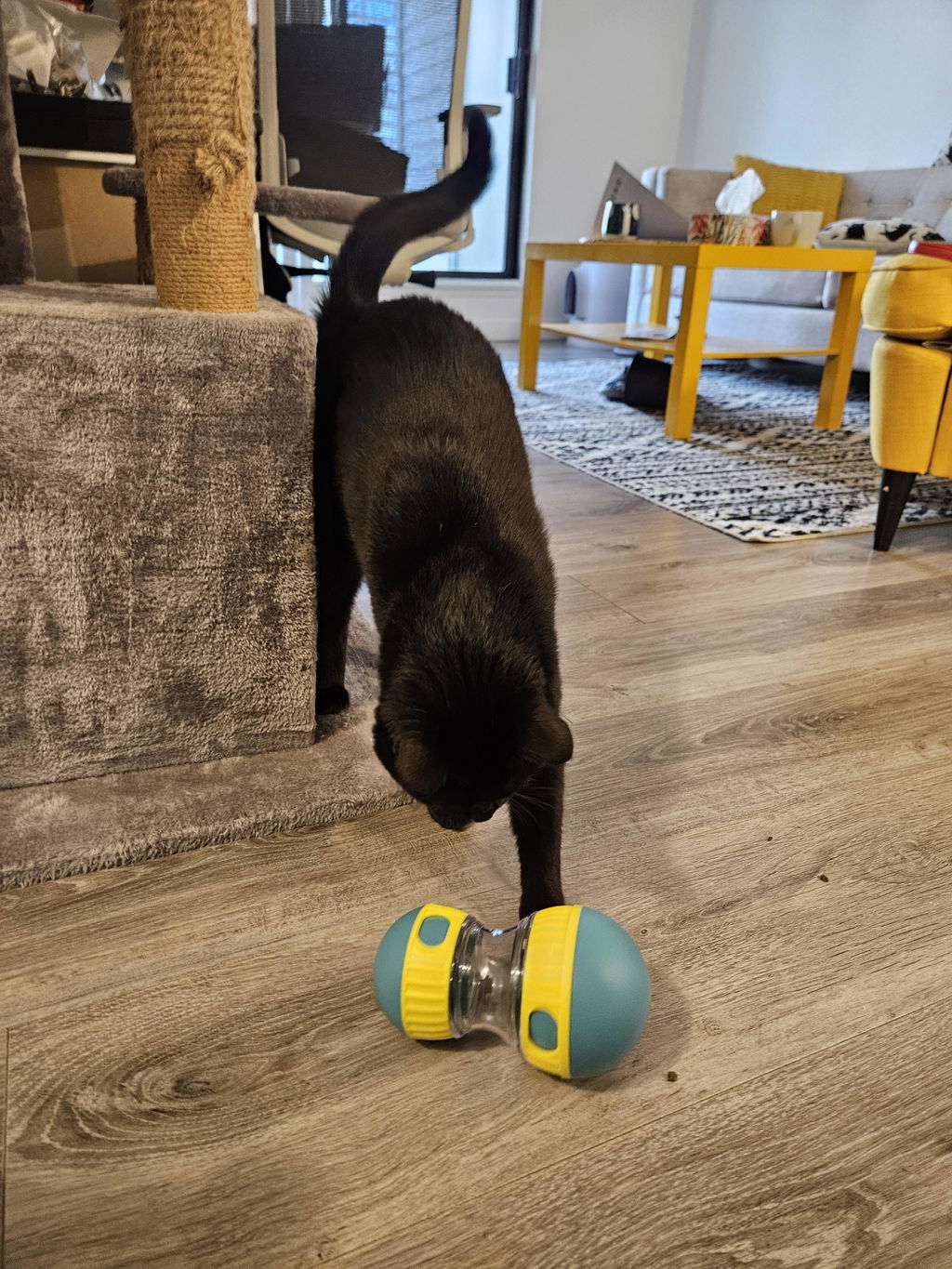
it is a bit hard on the walls but the cat just watches it. Does not interact with it. The ball works really well for what it is supposed to do.
If it was a bit softer the cat might enjoy it more.
I gave one to a neighbour who's dog loves it. She has a small dog so the size is just right.

Great bowl and such fun. Amazing the difference in time it now takes for my puppy to finish her meals. Much healthier for her! And she loves to play with it once it’s empty

Got this toy for my girl Archie and she absolutely loves it! It’s super durable, keeps her entertained for hours, and the treat dispenser is a fun bonus. Totally worth it

As soon as this ball comes out he gets very excited. The ball allows him to play by himself with the ball. His favourite toy by far.