Christmas gifts for your dog that upgrade playtime and training
Index
Why Puzzle Feeder matters for dog enrichment
Build Puzzle Feeder with interactive dog toys and slow feeders
A simple Puzzle Feeder weekly plan and table
Common mistakes and smart tips
Puzzle Feeder can sound like a mysterious code, but for many pet parents it becomes a helpful way to think about daily dog enrichment. The idea is simple: aim for 25 minutes of intentional activity and enrichment each day, then add a small one minute bonus that boosts the brain and builds connection. It is not about perfection. It is about creating a repeatable rhythm using interactive dog toys, puzzle feeders, slow feeders, and safe chew toys that fit real life in Vancouver homes.
When your dog gets consistent mental stimulation, you often see calmer evenings, less nuisance chewing, and better focus on walks. Many behaviour issues are really boredom in disguise. A Puzzle Feeder routine gives your dog a job to do, and it gives you an easy checklist for dog enrichment without needing a big backyard.
Puzzle Feeder and dog enrichment: why it works
The magic is in mixing movement with thinking. Physical play helps burn energy, while mental stimulators like puzzle feeders and interactive toys challenge your dog to problem solve. Chew toys add a soothing outlet that many dogs crave. Together, these activities can support better digestion, improved confidence, and a healthier daily routine.
The one minute part matters more than it seems. That extra minute can be a quick sniff game, a short training burst, or a lick and chew wind down. Tiny moments are often what build the habit for you and the calm for your dog.

Build Puzzle Feeder with interactive dog toys and slow feeders
You can build the 25 minutes in small pieces across the day. Start with food based enrichment because it is easy and rewarding. Using a slow feeder or puzzle feeder turns breakfast into a brain game. If your dog eats too fast, slow feeders can also reduce gulping and help you avoid that rushed, frantic energy after meals.
Here are beginner friendly building blocks for a Puzzle Feeder routine:
- 8 to 12 minutes with puzzle feeders or scatter feeding for sniffing and problem solving
- 8 to 10 minutes of interactive dog toys like tug, fetch with rules, or treat dispensing toys
- 5 to 7 minutes of calm chewing with a safe chew toy to settle the nervous system
- 1 minute bonus: a short training cue, hand target, or find it game
To shop ideas that match this approach, explore Interactive Toys for movement plus thinking, and Dogs and Cats Feeders for daily meal enrichment. If your dog tends to inhale food, Slow Feeder Bowls are a practical upgrade.
One more tip: rotate items. Dogs can get used to the same puzzle. Keep two or three options and swap them through the week. Rotation keeps interactive dog toys fresh and makes dog enrichment feel new without constantly buying more.
Puzzle Feeder weekly plan: simple table you can follow
Different enrichment tools build different skills. Some tire the body, others tire the brain. A balanced week helps prevent over use of high arousal play and keeps your dog feeling steady.
| Day | Main 25 minutes focus | Best tools | 1 minute bonus |
|---|---|---|---|
| Monday | Meal puzzle and sniffing | Puzzle feeders, slow feeders | Find it with 3 treats |
| Tuesday | Interactive play with rules | Interactive dog toys, tug | Drop it practice |
| Wednesday | Chew and calm | Chew toys, long lasting chews | Settle on mat |
| Thursday | Brain game day | Mental stimulators, puzzle toys | Touch cue reps |
| Friday | Food work plus light play | Slow feeders, treat dispenser | Loose leash check in |
| Saturday | Adventure walk with sniff breaks | Sniffing, interactive toy reward | Name game |
| Sunday | Reset and relax | Chew time, lick and puzzle | Calm breathing moment |

Puzzle Feeder dog enrichment mistakes to avoid and tips that help
Doing only high energy play. Constant fetch can create a dog that is fit but not calm. Mix in puzzle feeders, sniffing, and chew toys to balance arousal.
Making puzzles too hard. If your dog quits, step back to an easier option. Success builds confidence. Then you can slowly increase difficulty with interactive dog toys that have adjustable challenge.
Using enrichment only when problems show up. The real power of Puzzle Feeder is prevention. A consistent routine keeps your dog more content and helps reduce destructive behaviour.
Skipping the wind down. Chewing and licking are natural calming behaviors. A safe long lasting chew can be the difference between a dog that paces at night and one that sleeps.
If you want one item that combines food and problem solving, consider the Custom Slow Puzzle Feeder Bowl as a daily anchor for your Puzzle Feeder routine.
Dogs do not need perfect days. They need you. When you commit to Puzzle Feeder, you are telling your dog that their needs matter and that home is a place where they feel busy, safe, and loved. If you are ready to make enrichment easier this week, browse Dog and Puppy Toys and pick one new tool that fits your dog today.
Frequently Asked Questions
What does Puzzle Feeder mean for dog enrichment?
It is a simple routine idea: 25 minutes of planned enrichment daily plus one extra minute of a small brain boost like training, sniffing, or a quick find it game.
Are puzzle feeders and slow feeders good for every dog?
Most dogs benefit, especially dogs that eat fast or get bored easily. Start with an easy puzzle feeder or slow feeder and supervise until your dog understands the game.
What if I only have 10 minutes today?
Do what you can and keep the habit. A short session with interactive dog toys or a quick meal in a slow feeder still counts as enrichment, and you can add more time tomorrow.
Let customers speak for us
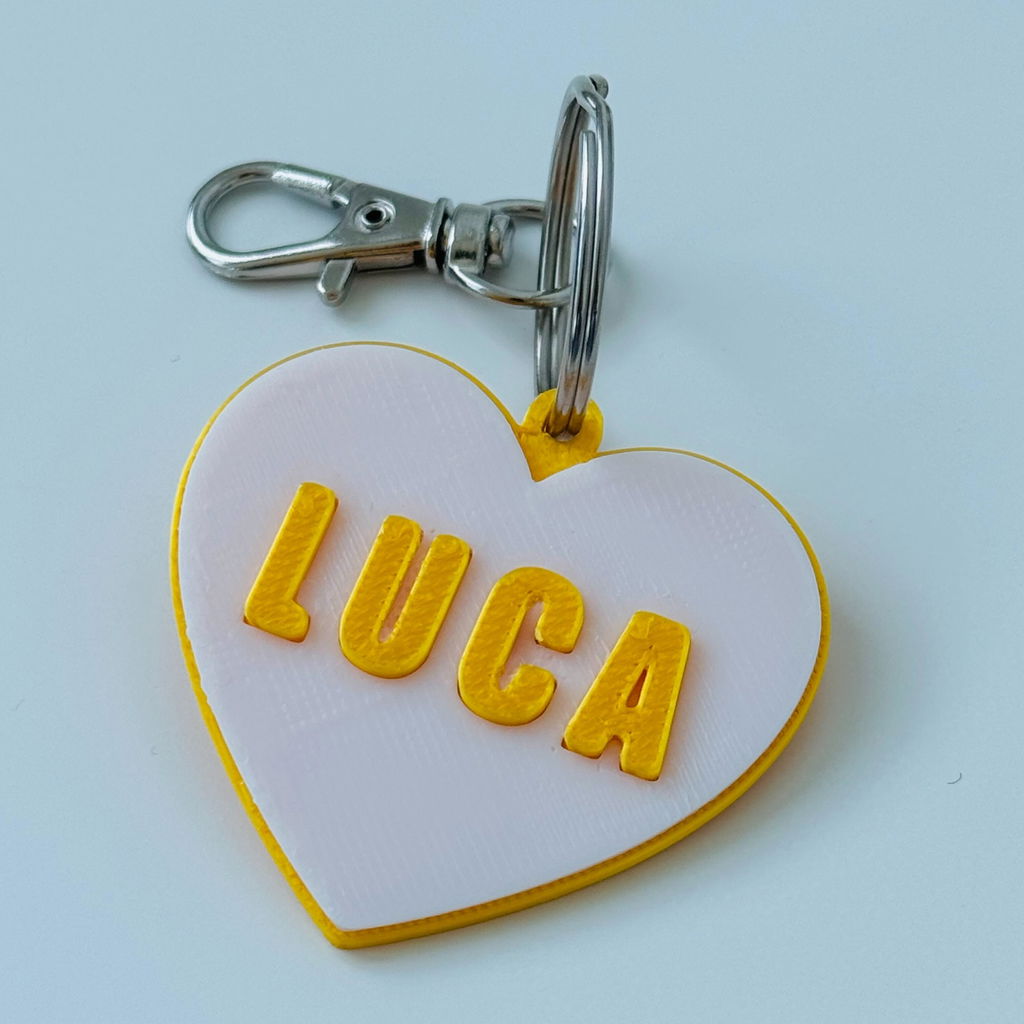
Golden Luca is pretty and it has my name and phone number on the flip side.
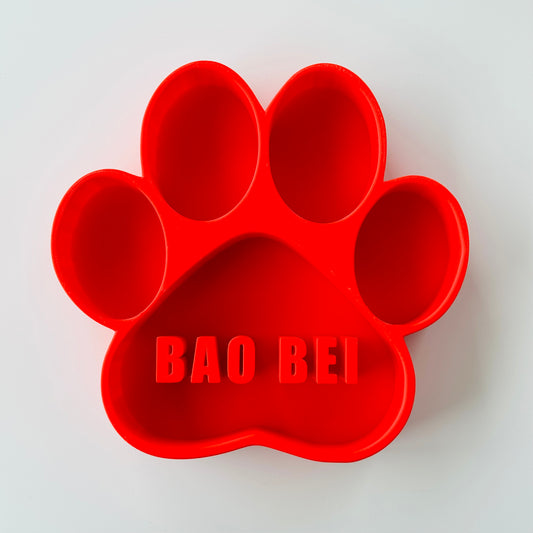
I bought it for Bao Bei to help him eat slower, also have a unique feeding bowl
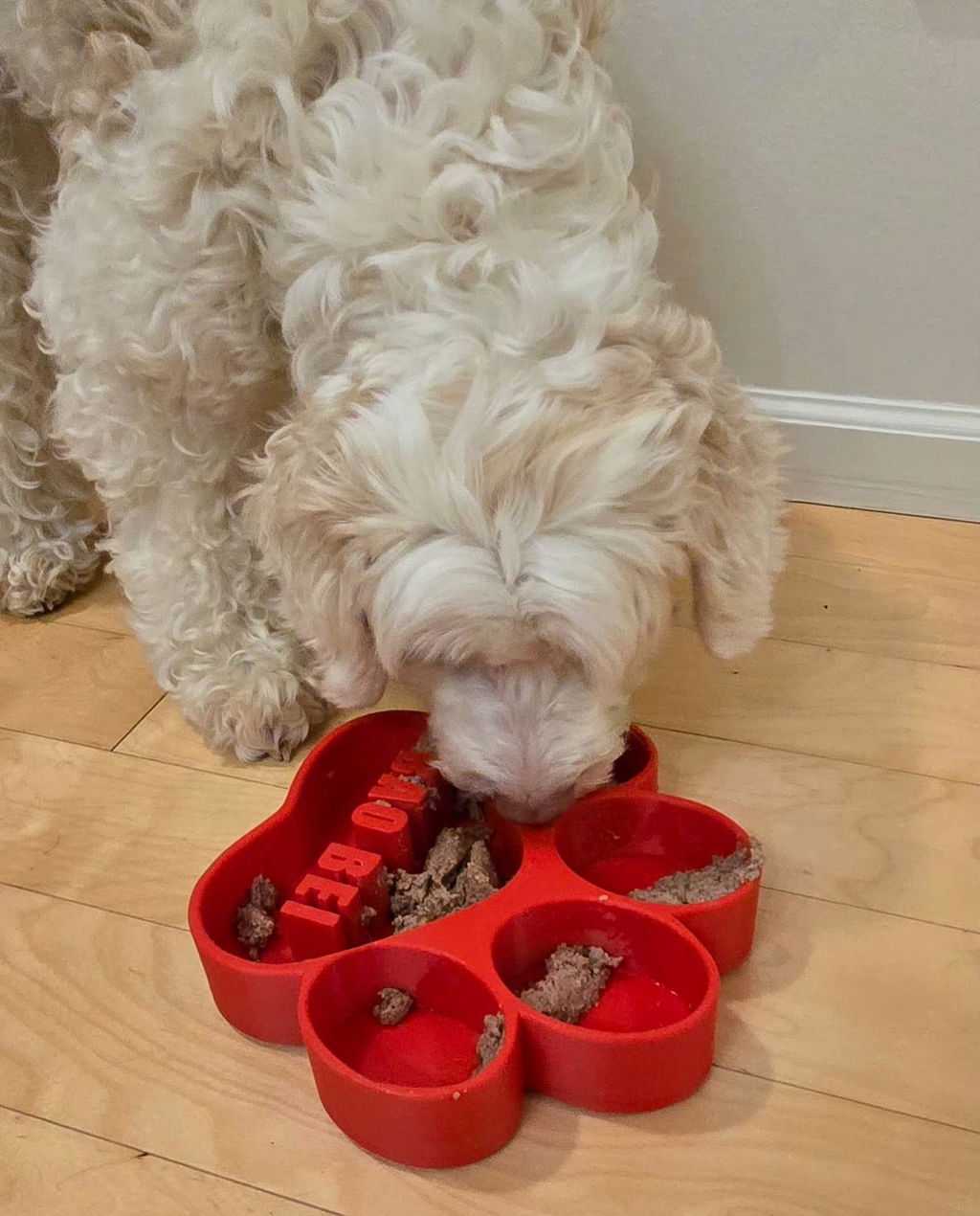
He is busy with it for hours and also I can fetch the toy when we want to spend time together
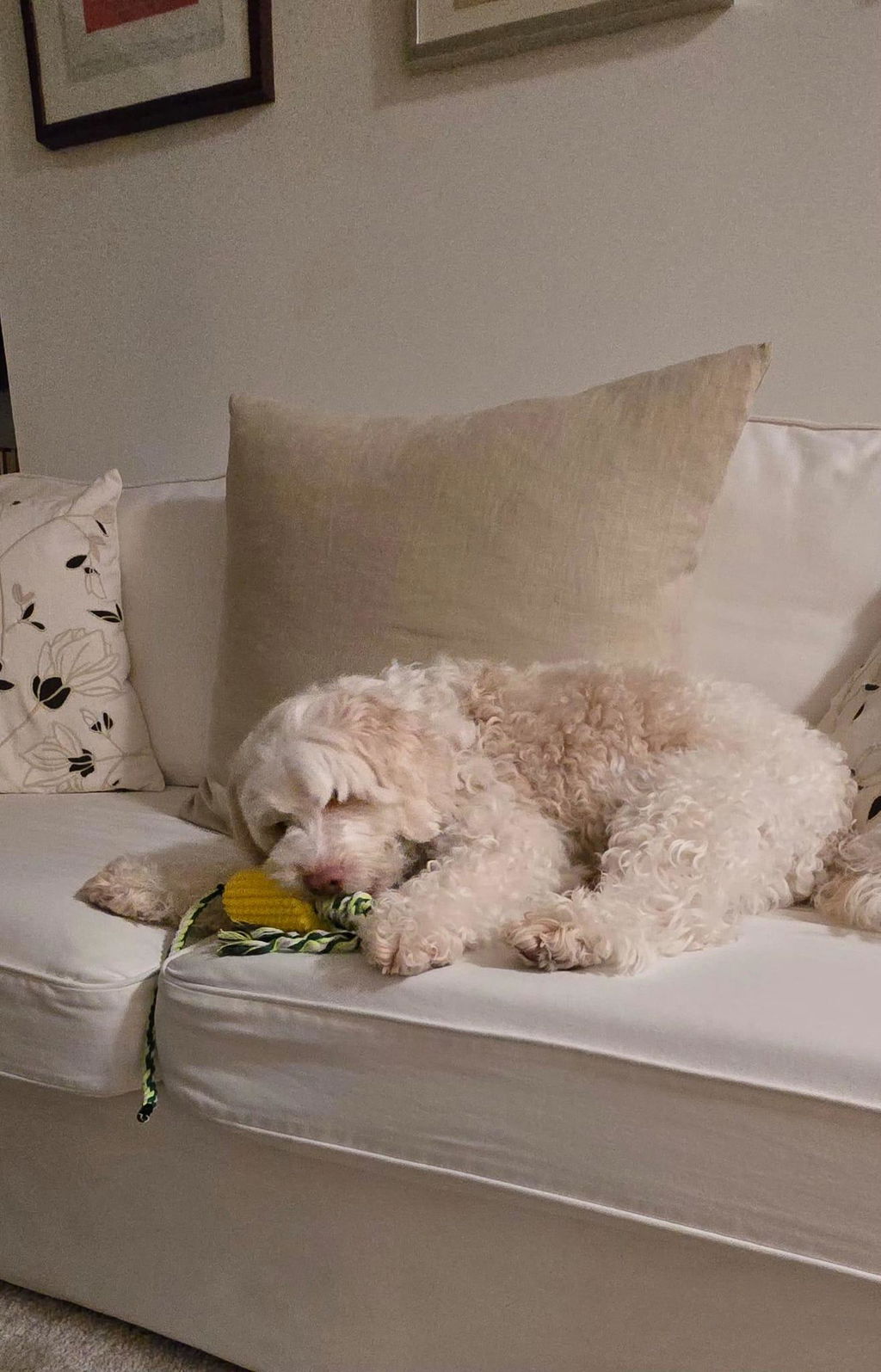
It made Sabar’s meal time more than double and I enjoy watching him eating from his unique bowl
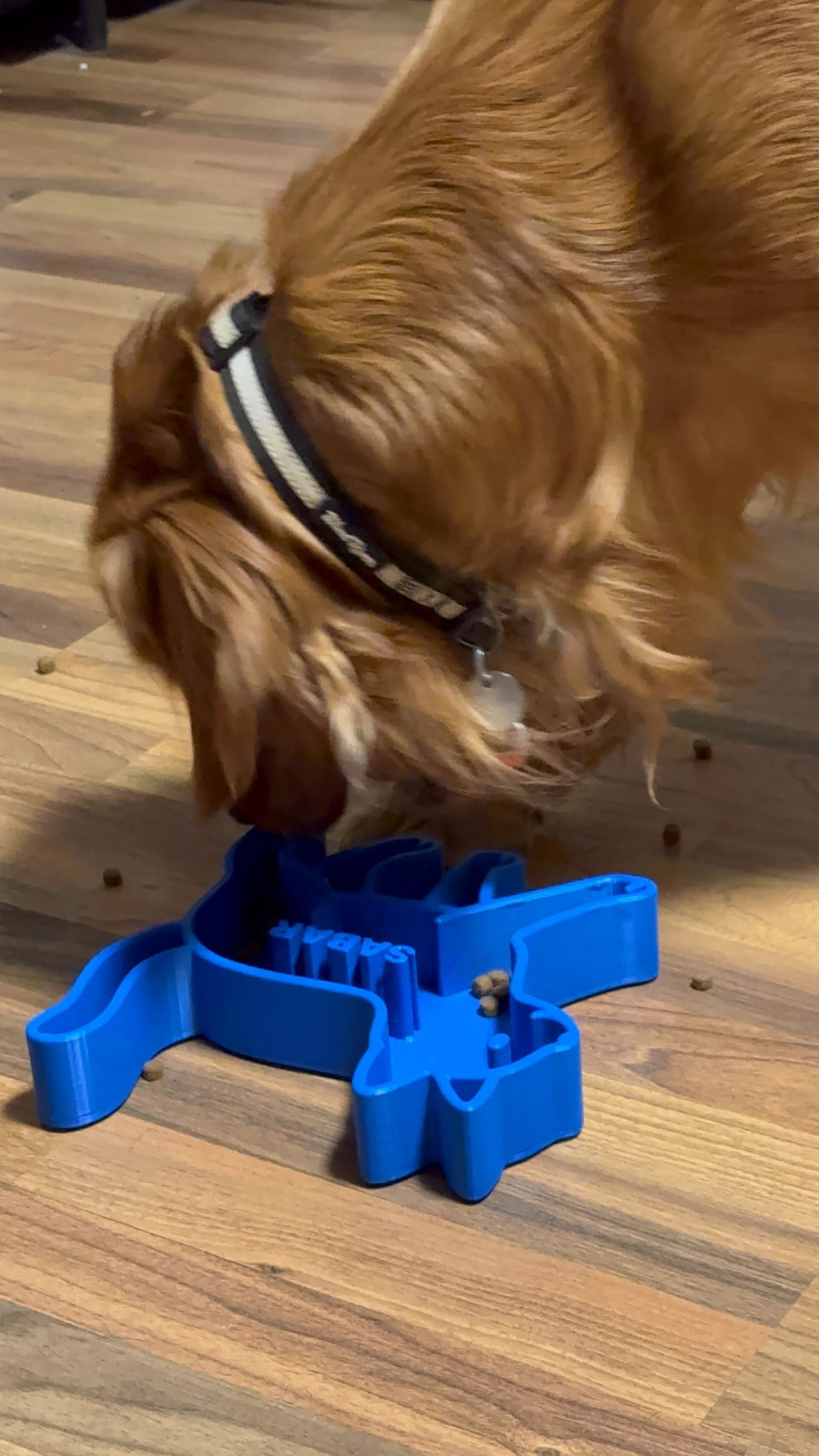
My paw was eating too fast and this bowl helped me to fix this problem
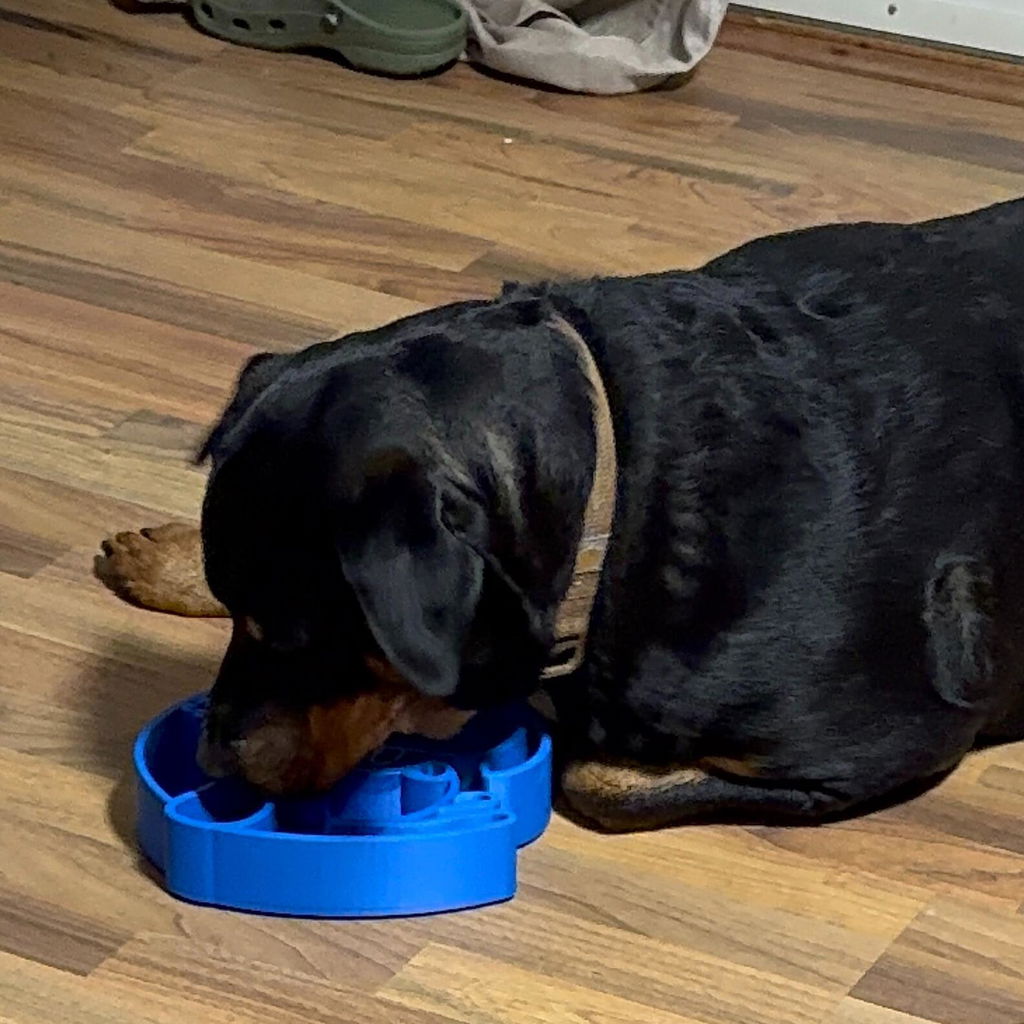
It can keep my cat's busy for a long time, but it should be under supervised I think. Long time playing with it can make them tired!
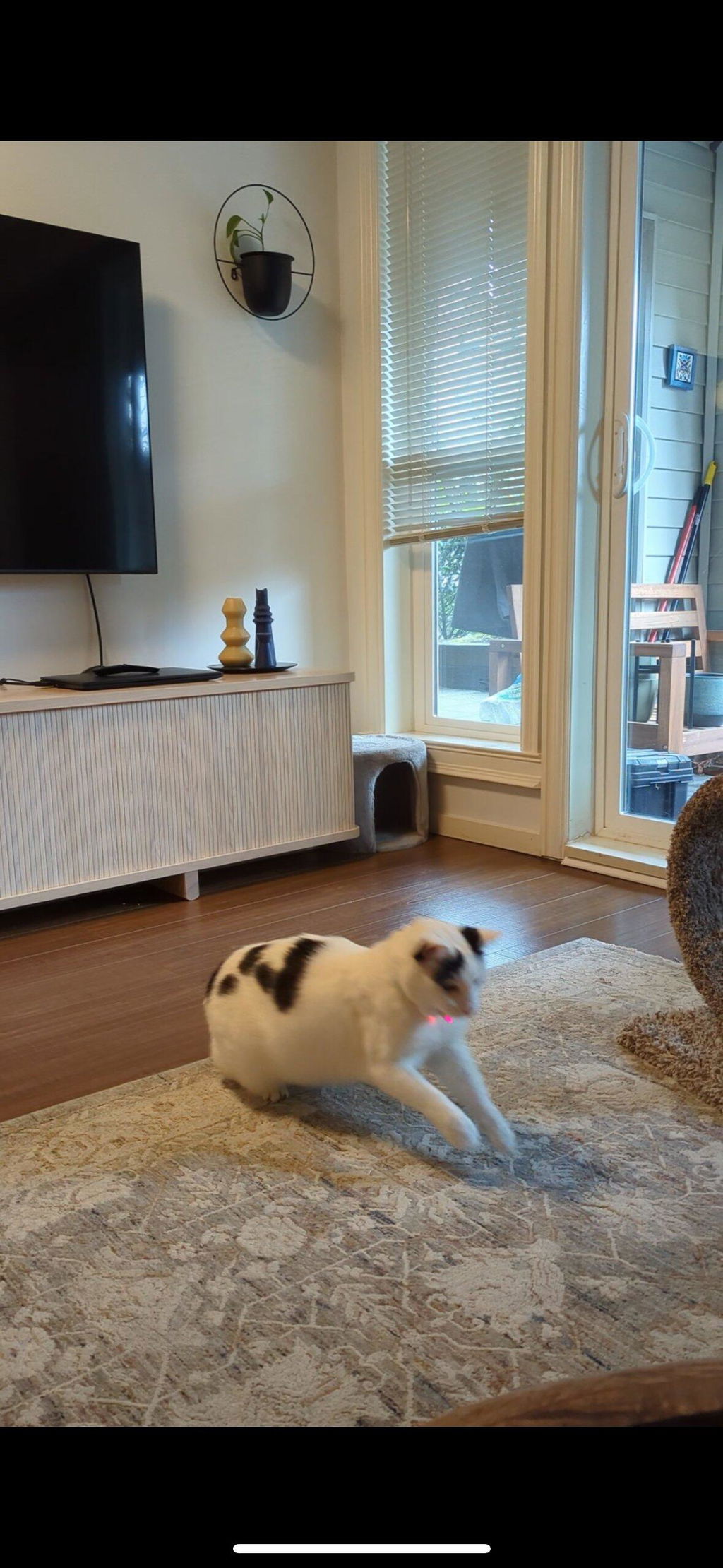
Maki playing with her ball. 😀
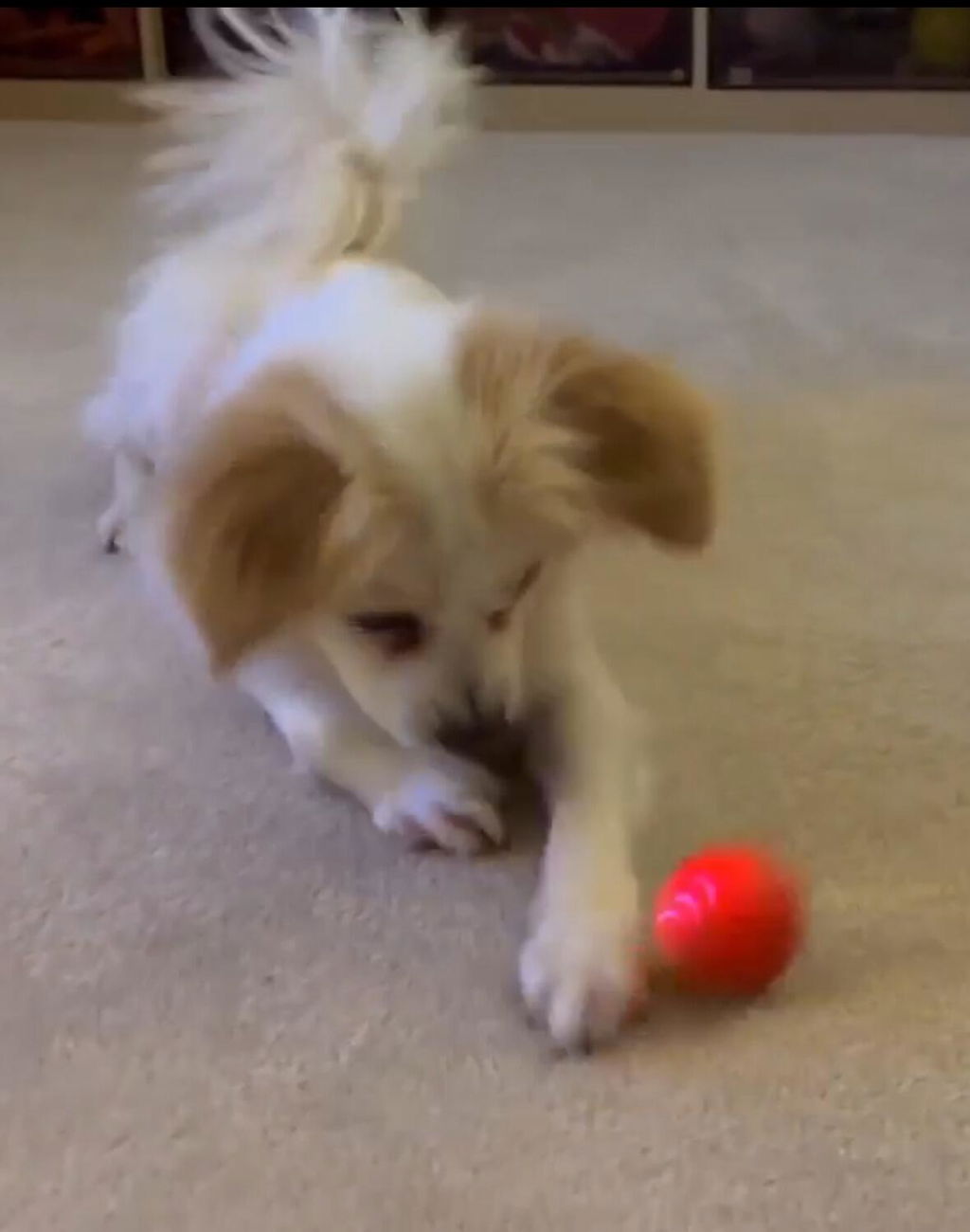
I'm using this stuff to keep my puppy busy and happy everyday.
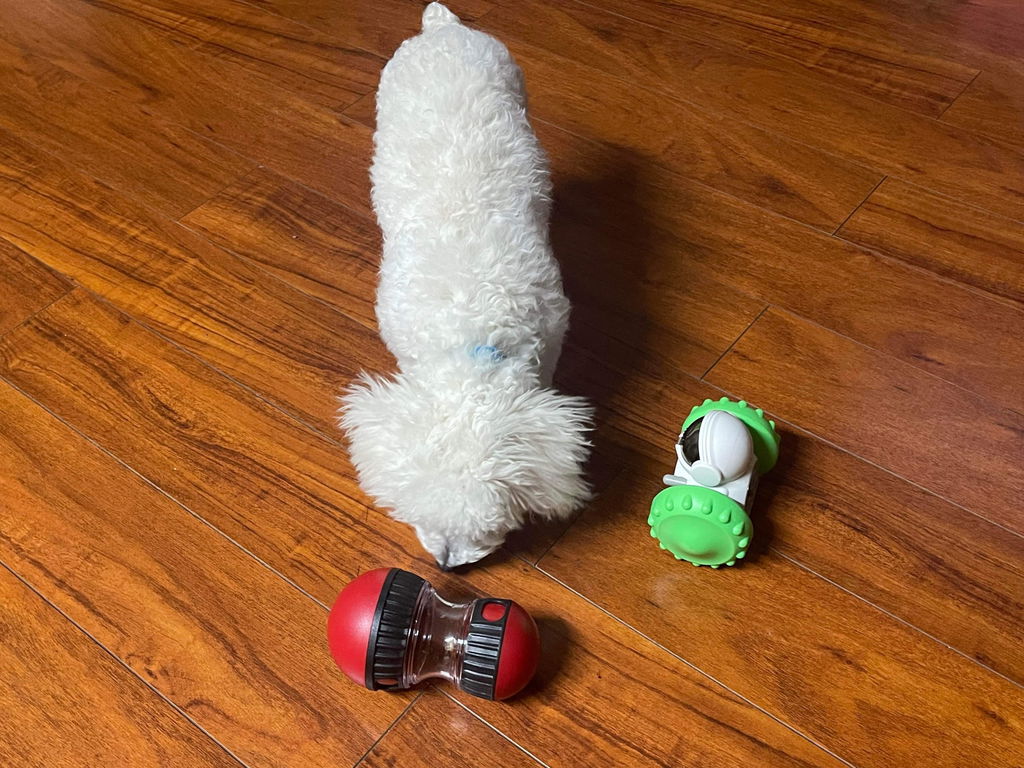
It keeps my puppy busy for more than 30 mins every time for a meal. and even after that she plays with it around as long as She get tired!
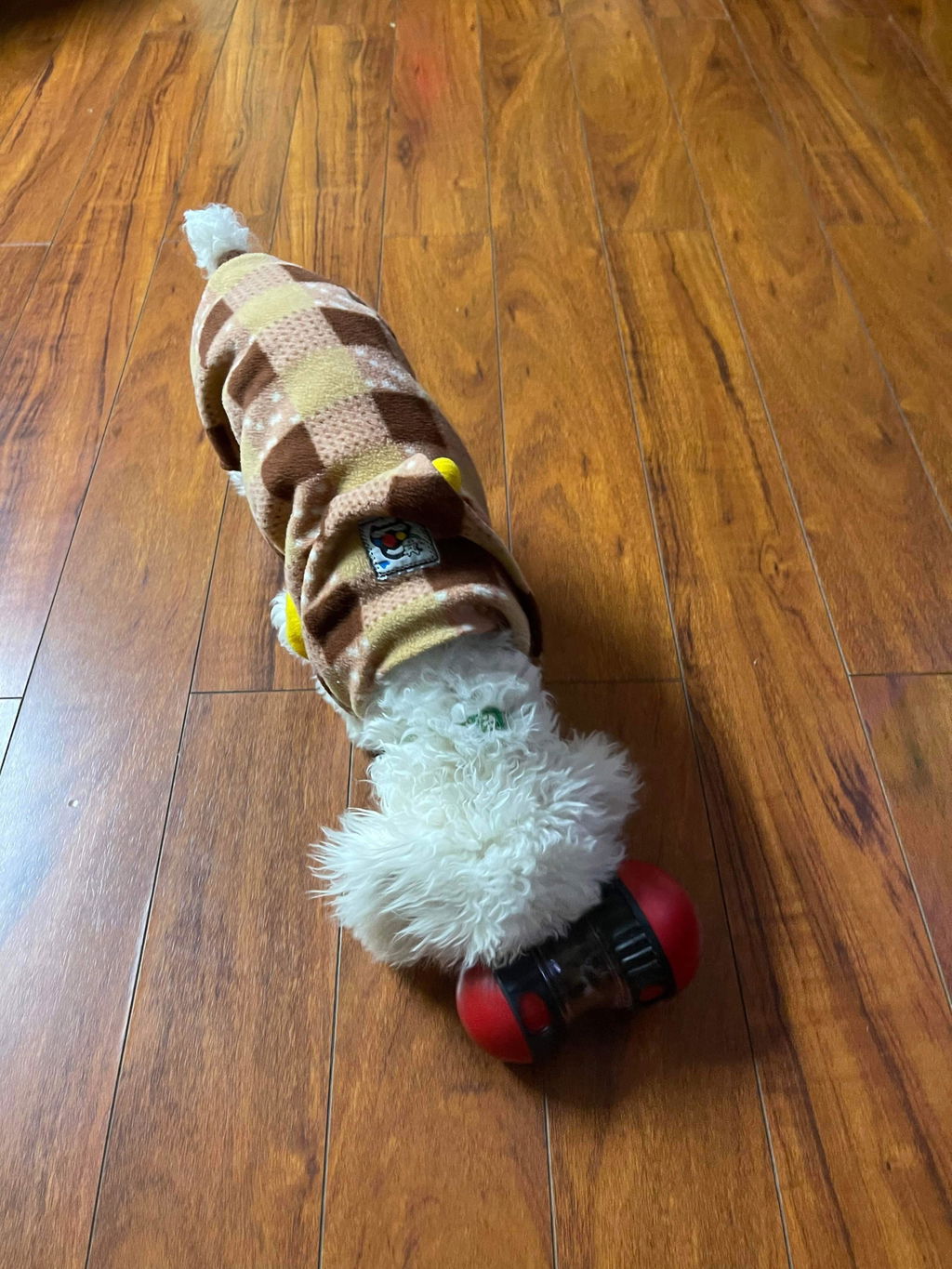
Fun "beginner level" toy. Works for cats too:)
Durable plastic, feels nice.
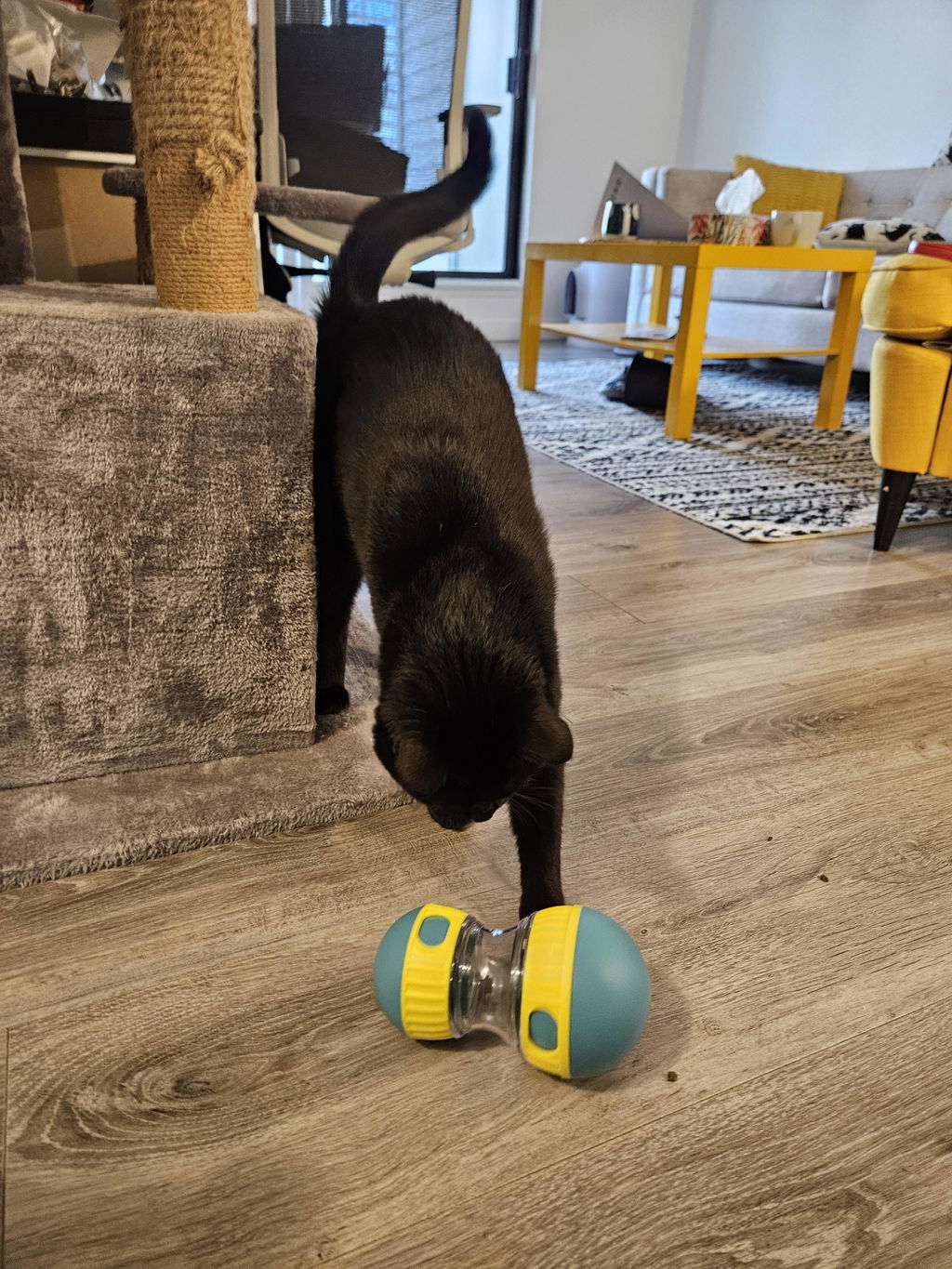
it is a bit hard on the walls but the cat just watches it. Does not interact with it. The ball works really well for what it is supposed to do.
If it was a bit softer the cat might enjoy it more.
I gave one to a neighbour who's dog loves it. She has a small dog so the size is just right.

Great bowl and such fun. Amazing the difference in time it now takes for my puppy to finish her meals. Much healthier for her! And she loves to play with it once it’s empty

Got this toy for my girl Archie and she absolutely loves it! It’s super durable, keeps her entertained for hours, and the treat dispenser is a fun bonus. Totally worth it

As soon as this ball comes out he gets very excited. The ball allows him to play by himself with the ball. His favourite toy by far.

The bone shape is super cute and simple, and makes mealtime fun for my pup. love it!