Dog Enrichment for Apartment Living: Ideas That Actually Fit
In this article
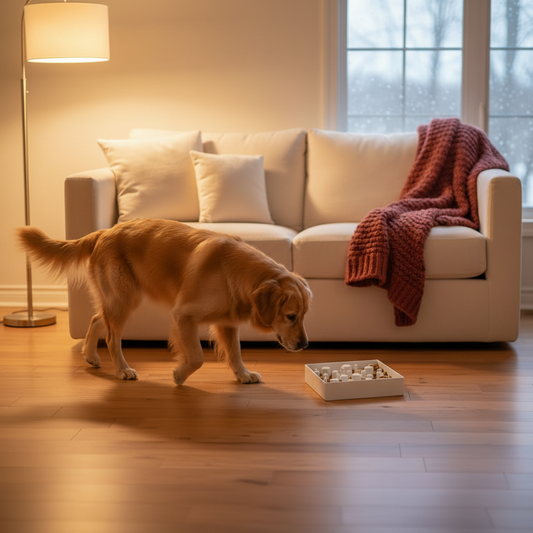
Otto, a Dachshund with a stubborn streak and a one bedroom apartment to explore, used to spend his evenings pacing between the couch and the door, restless in a way that had nothing to do with needing a walk. His owner Priya had already taken him out twice that day. He just still had somewhere for all that energy to go.
When small space living leaves big energy with nowhere to go
Apartment life is not the problem it is sometimes made out to be for dogs, but it does change what a good day looks like. Without a yard to patrol or space to zoom around in, pent up energy tends to show up sideways, as pacing, chewing on the wrong things, barking at nothing, or that particular restlessness that seems to peak right around dinner time.
What most apartment dog owners assume, and get wrong
It is easy to assume the fix is simply more walks, and walks do help. But a lot of that restlessness is not really about a lack of exercise, it is about a lack of mental work. A dog's brain needs a job as much as their legs need movement, and that kind of job barely needs any square footage at all.

Enrichment ideas that fit in a small space
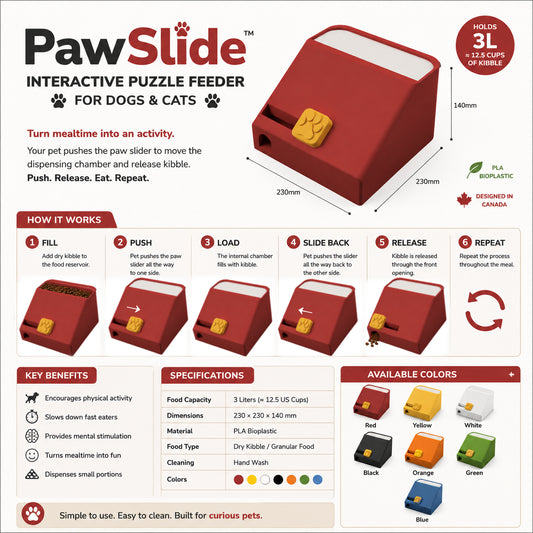
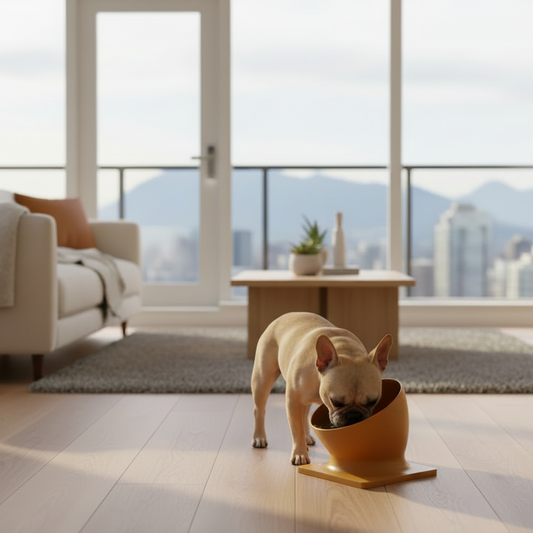
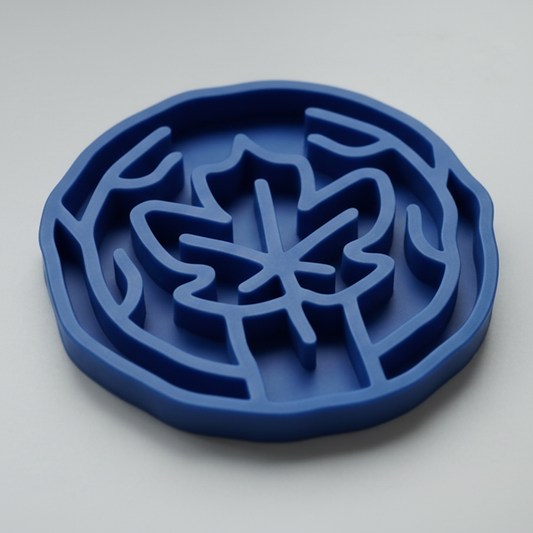
Puzzle toys are the easiest place to start, since they turn a few quiet minutes on the living room floor into real mental effort. Slow feeders do something similar at mealtime, slowing down a fast eater while adding a bit of problem solving to a routine that usually asks for nothing at all. A simple foraging mat, scattering kibble into fabric folds for your dog to sniff out, works well for dogs that love using their nose, and costs almost nothing in space. Even a short, structured training session using treats can double as enrichment, since it asks for focus rather than just movement.

What actually changes once enrichment becomes routine
Within a couple of weeks of adding fifteen minutes of puzzle time before dinner, Priya noticed Otto's evening pacing had mostly disappeared. He was not more tired exactly, he was more settled, the kind of calm that comes from a brain that got to work on something that day.
| Before Enrichment | After Adding Enrichment |
|---|---|
| Restless evening pacing | Calmer, more settled evenings |
| Chewing on furniture or shoes | Chewing redirected to proper toys |
| Fast, gulped meals | Slower, more engaged eating |
| Owner feeling guilty about space | Owner feeling confident enrichment fits fine |
A well rounded enrichment routine usually mixes a few tools rather than relying on just one. Puzzle feeders and slow feeders cover mealtime, while a durable chew toy gives your dog a healthy outlet between sessions, especially useful on days when the weather keeps walks short. None of it requires a yard, just a bit of intention around how your dog's day is structured.

Small space living was never really the obstacle. A bored brain was. Once that gets some daily work to do, apartment life tends to feel a lot more spacious than the square footage would suggest.
FAQ about dog enrichment for apartment living
How much space do I actually need for dog enrichment?
Very little. Puzzle toys, slow feeders, and foraging mats all work on a section of living room floor, no yard required.
How often should I do enrichment activities with my apartment dog?
A short session daily, ten to fifteen minutes, tends to make a bigger difference than one long session occasionally.
Can enrichment activities replace walks?
Not entirely. Walks still matter for physical health, but enrichment fills the mental gap that walks alone often miss, especially indoors.
Let customers speak for us
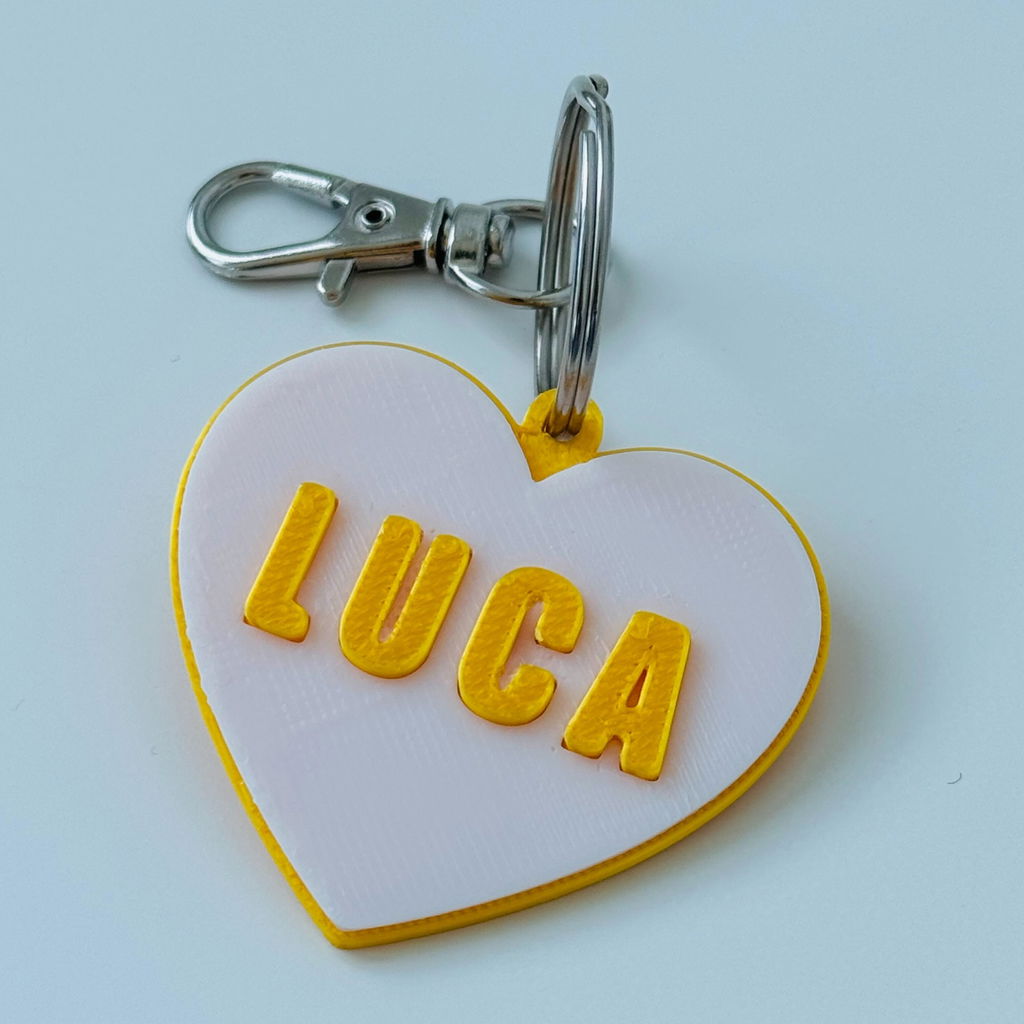
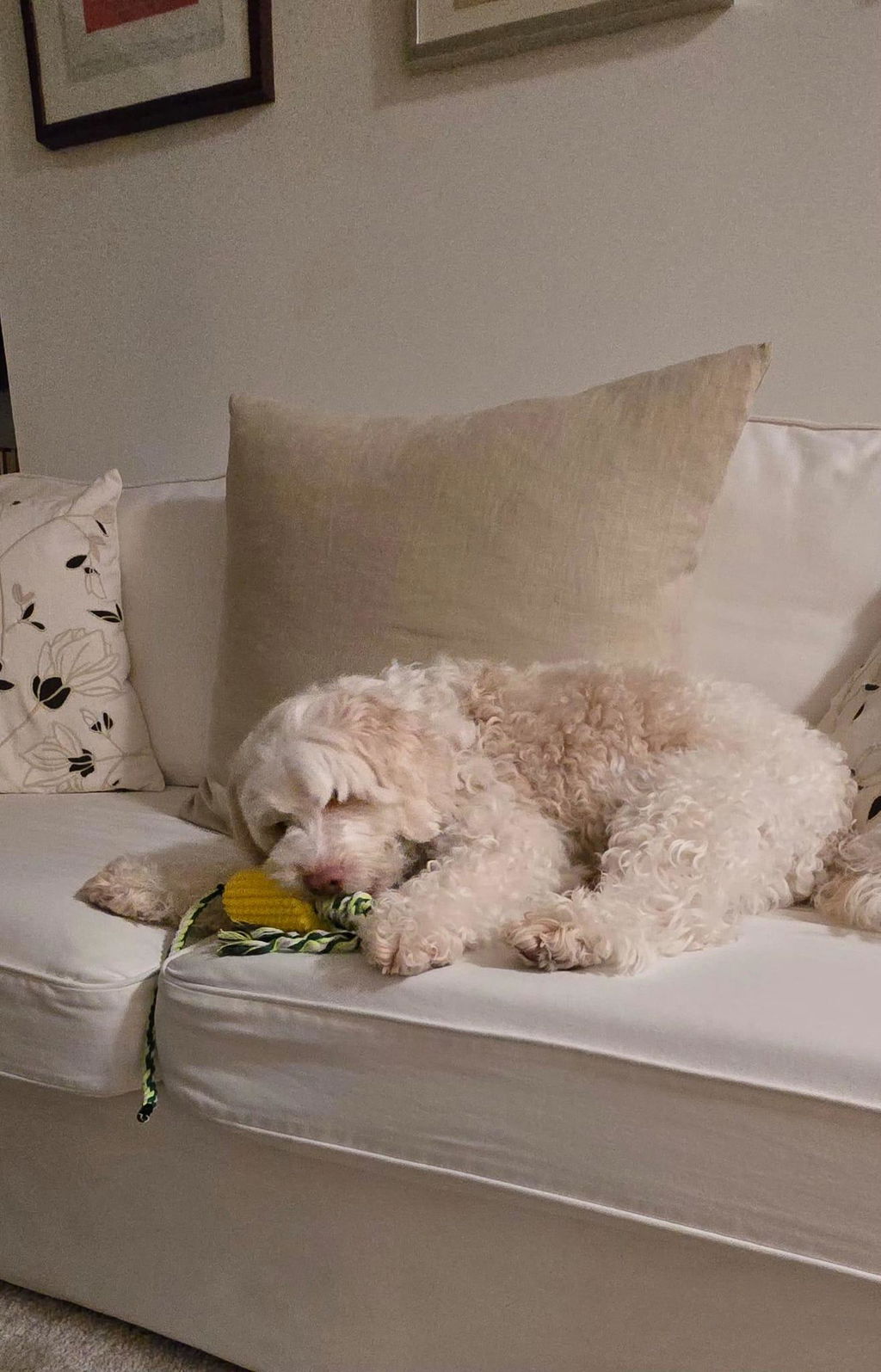
Golden Luca is pretty and it has my name and phone number on the flip side.
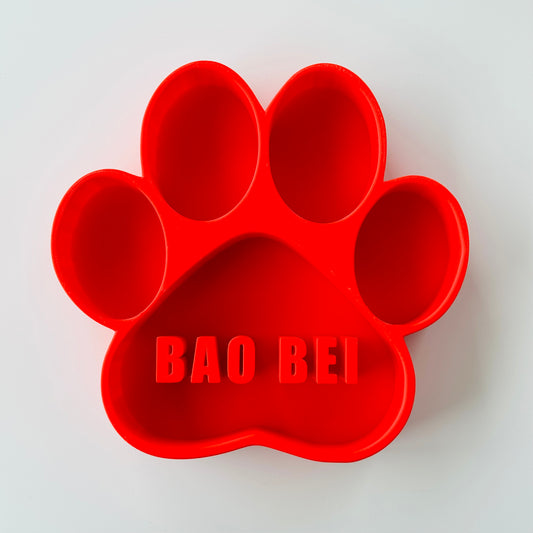
I bought it for Bao Bei to help him eat slower, also have a unique feeding bowl
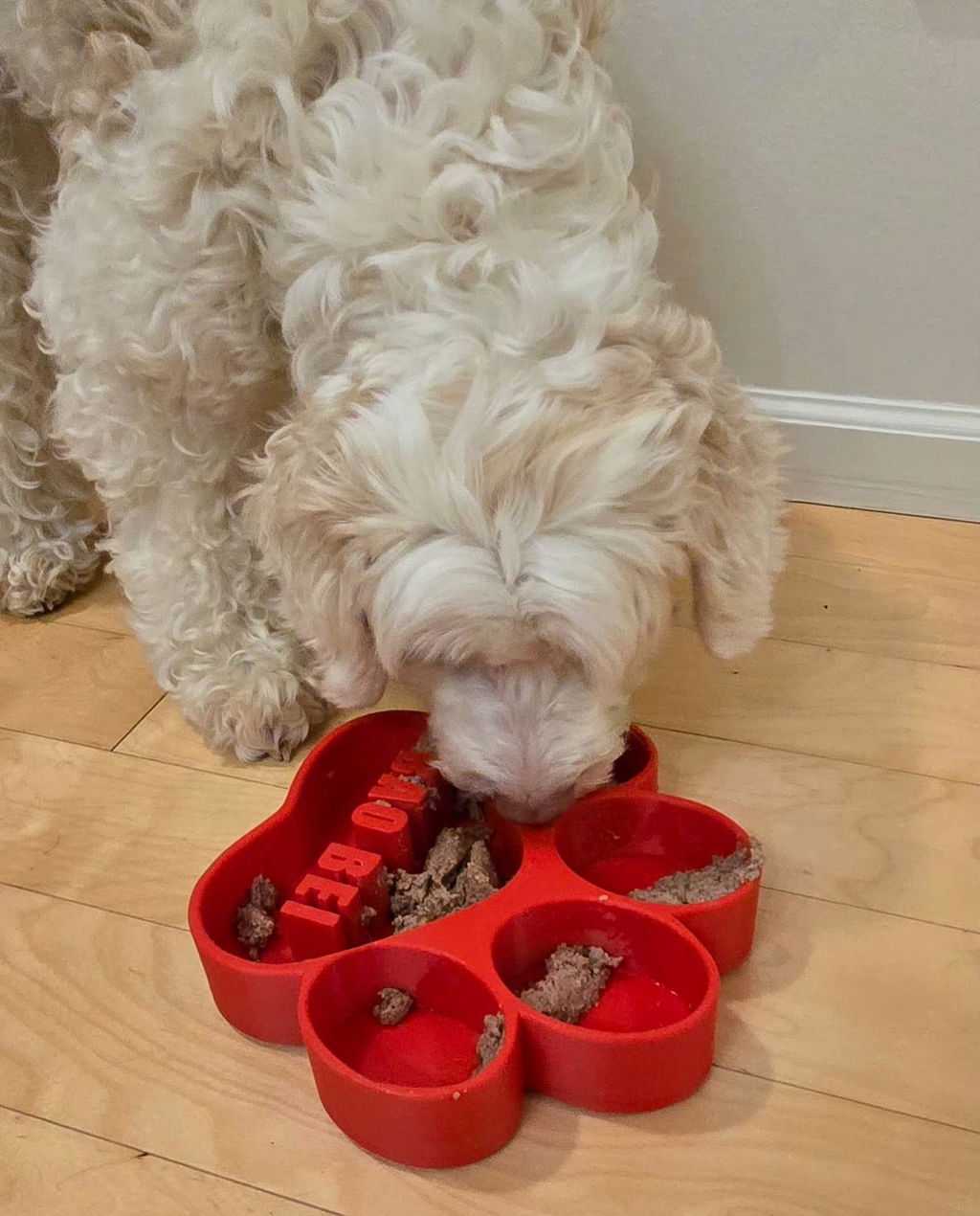
He is busy with it for hours and also I can fetch the toy when we want to spend time together
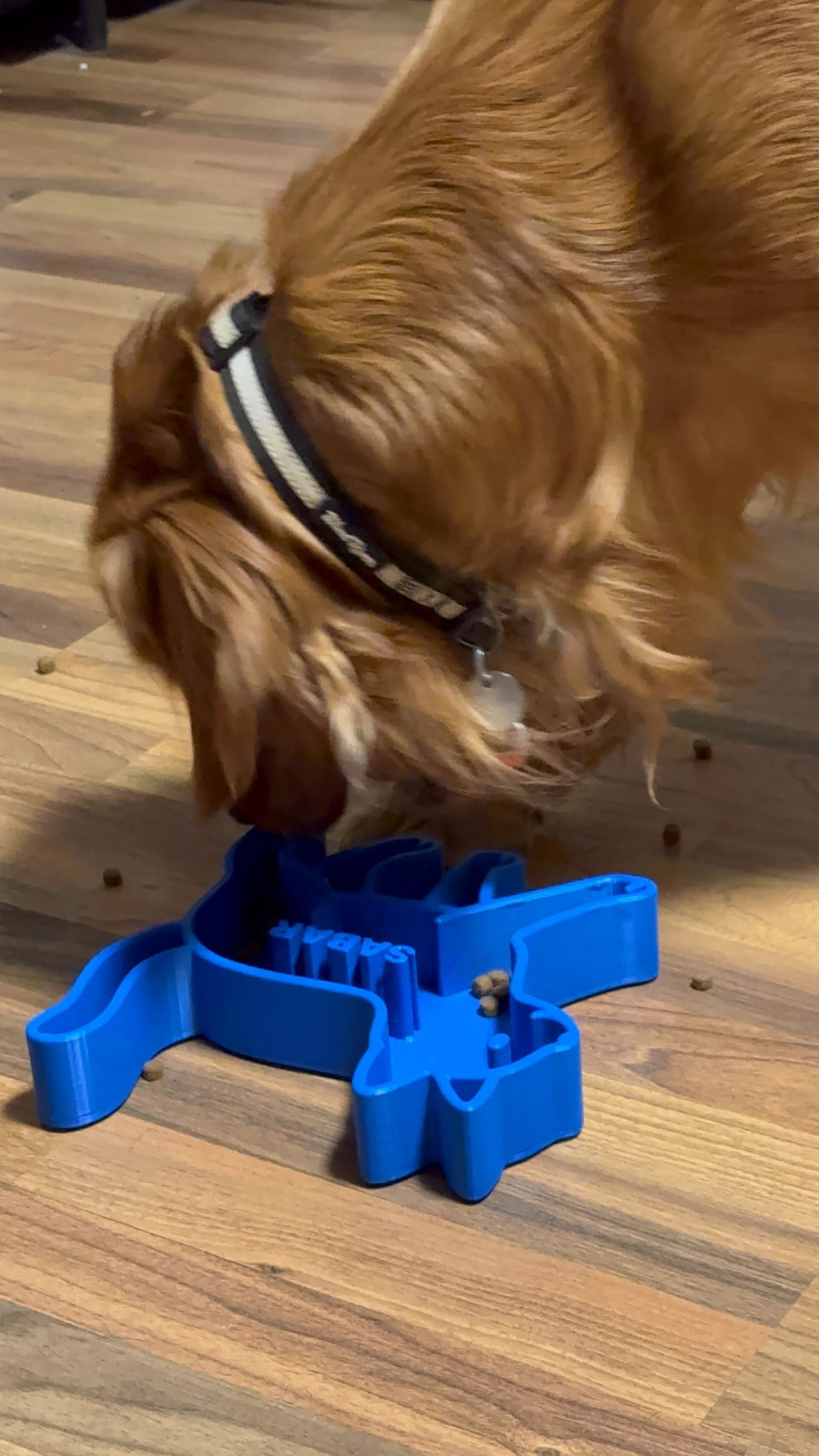
It made Sabar’s meal time more than double and I enjoy watching him eating from his unique bowl
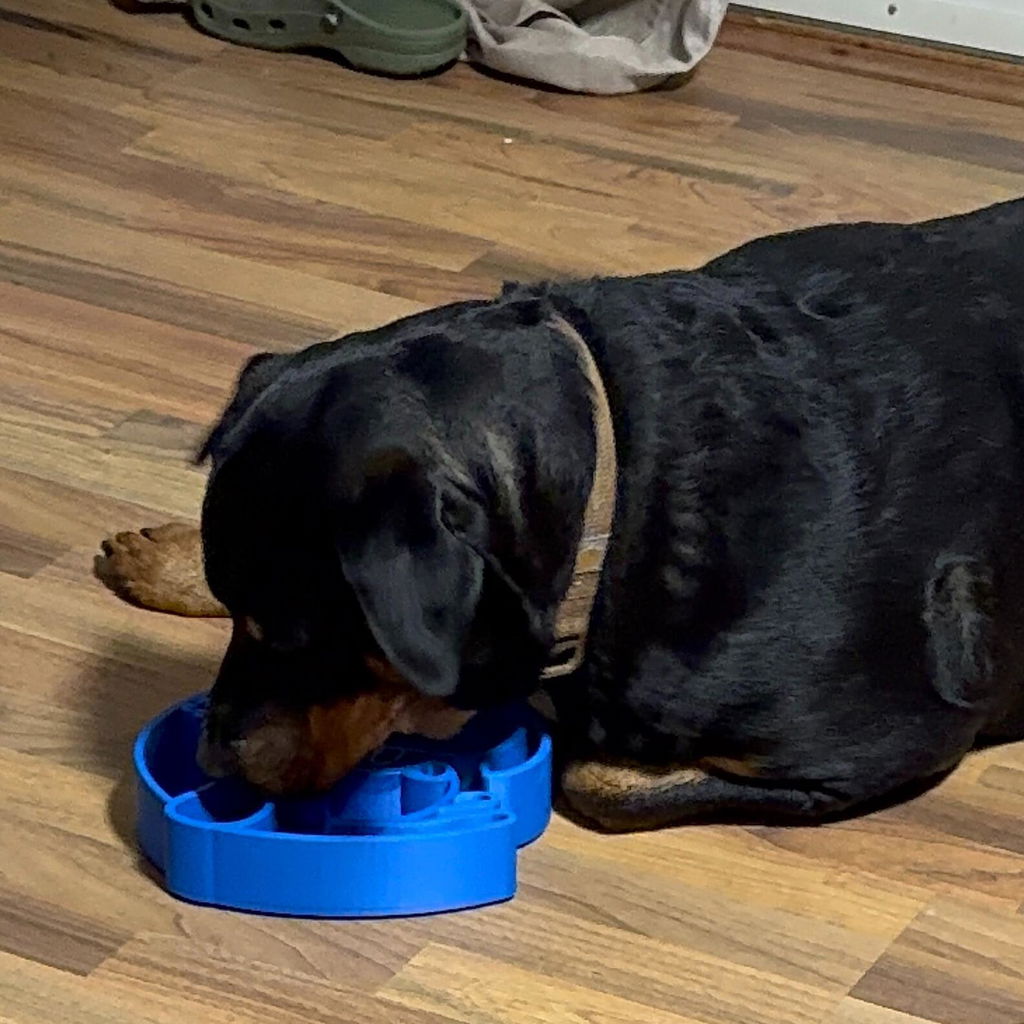
My paw was eating too fast and this bowl helped me to fix this problem
It can keep my cat's busy for a long time, but it should be under supervised I think. Long time playing with it can make them tired!
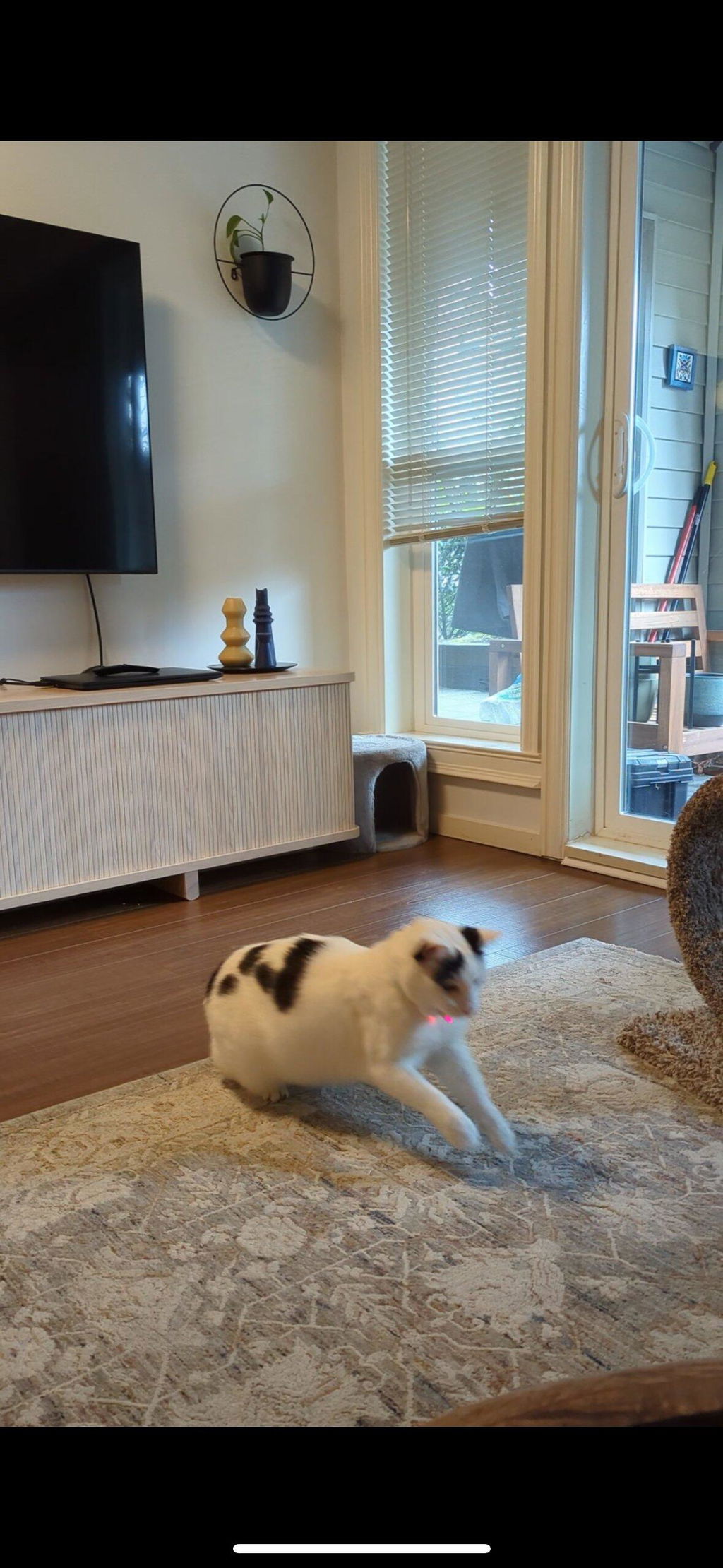
Maki playing with her ball. 😀
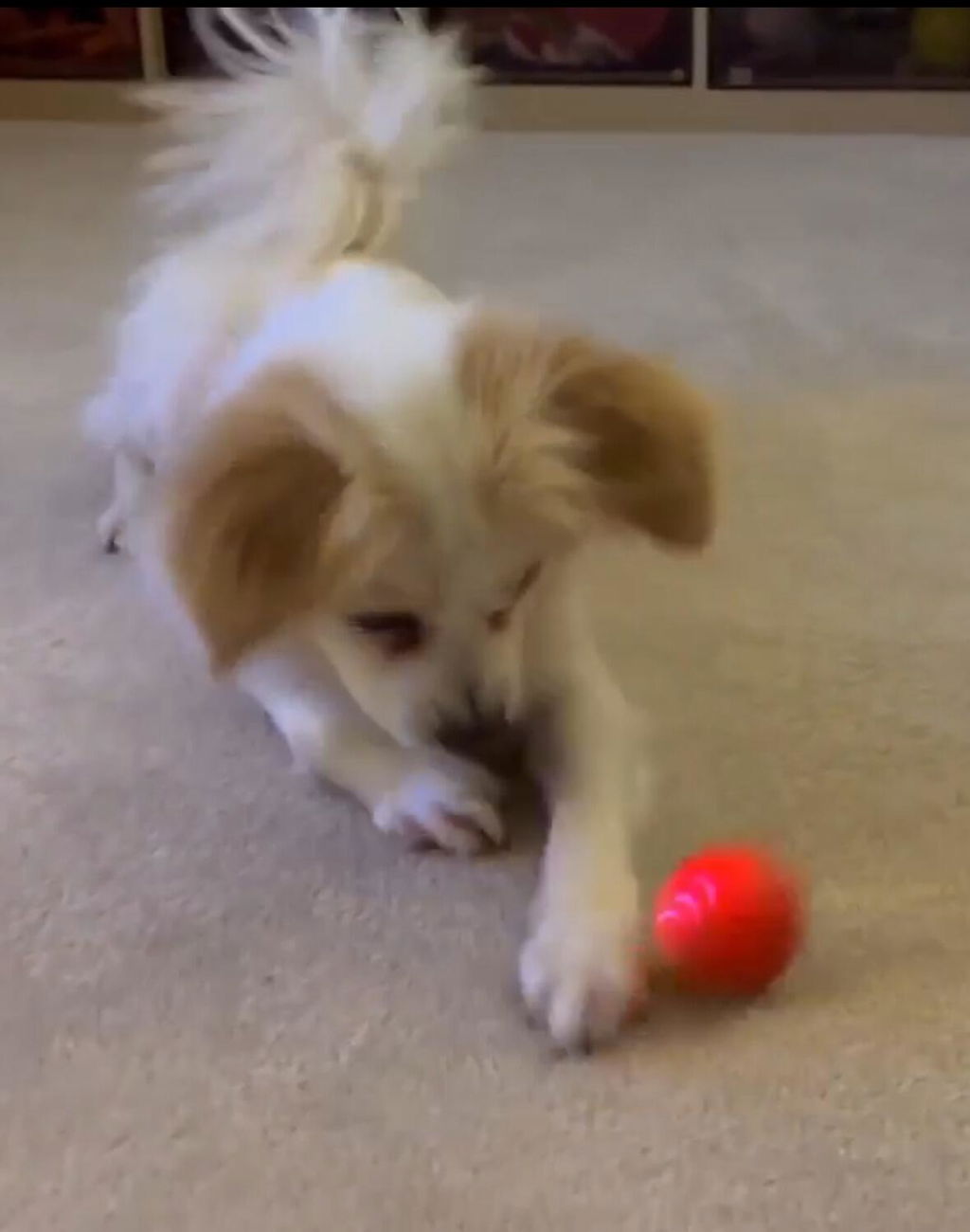
I'm using this stuff to keep my puppy busy and happy everyday.
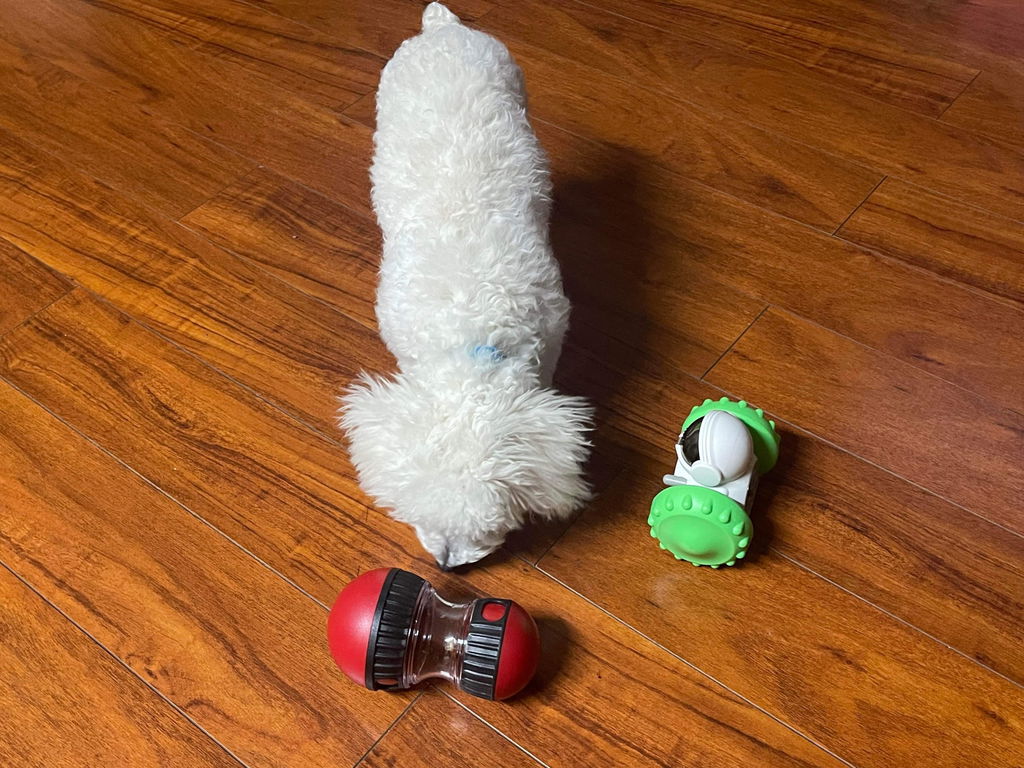
It keeps my puppy busy for more than 30 mins every time for a meal. and even after that she plays with it around as long as She get tired!
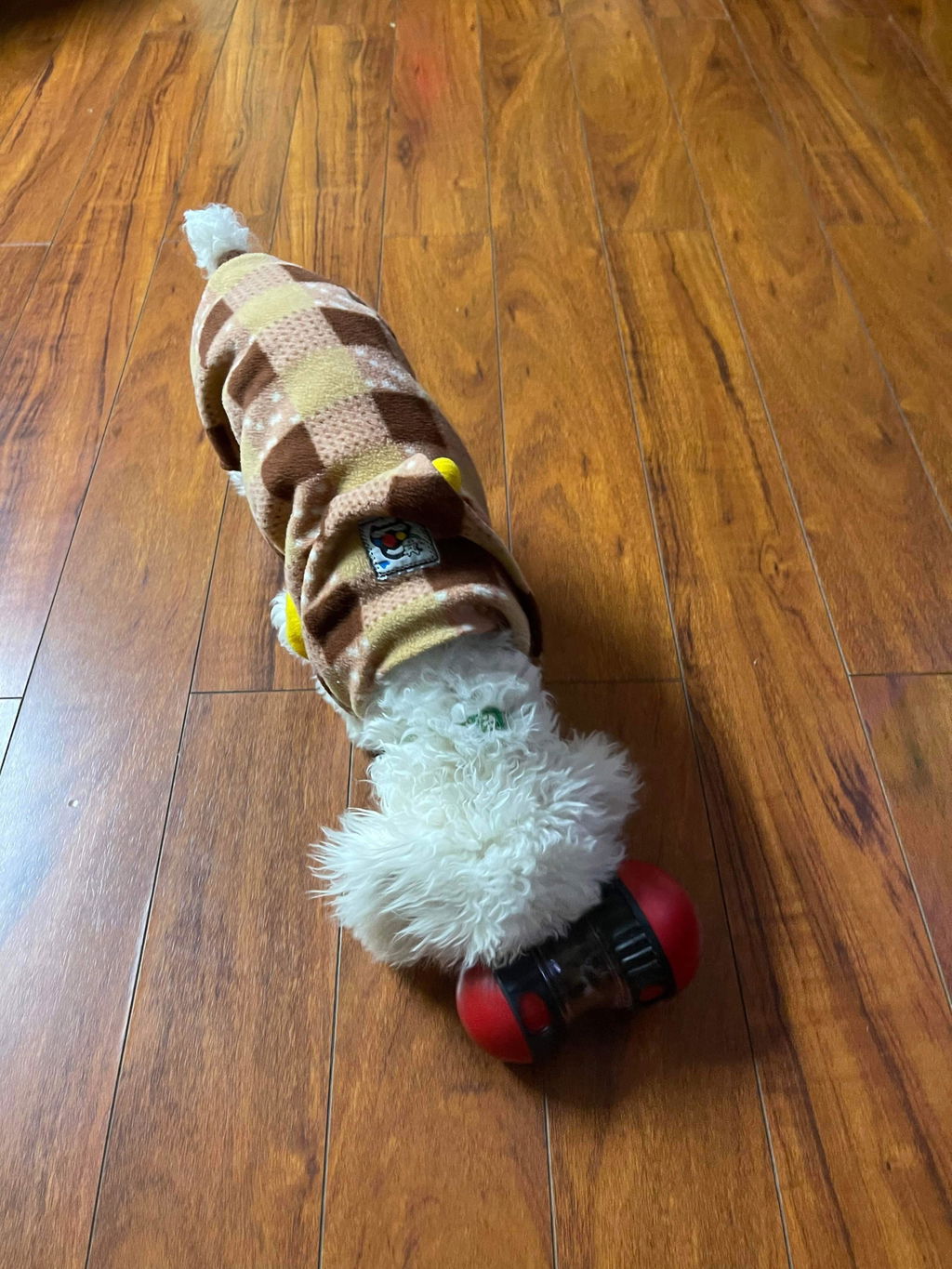
Fun "beginner level" toy. Works for cats too:)
Durable plastic, feels nice.
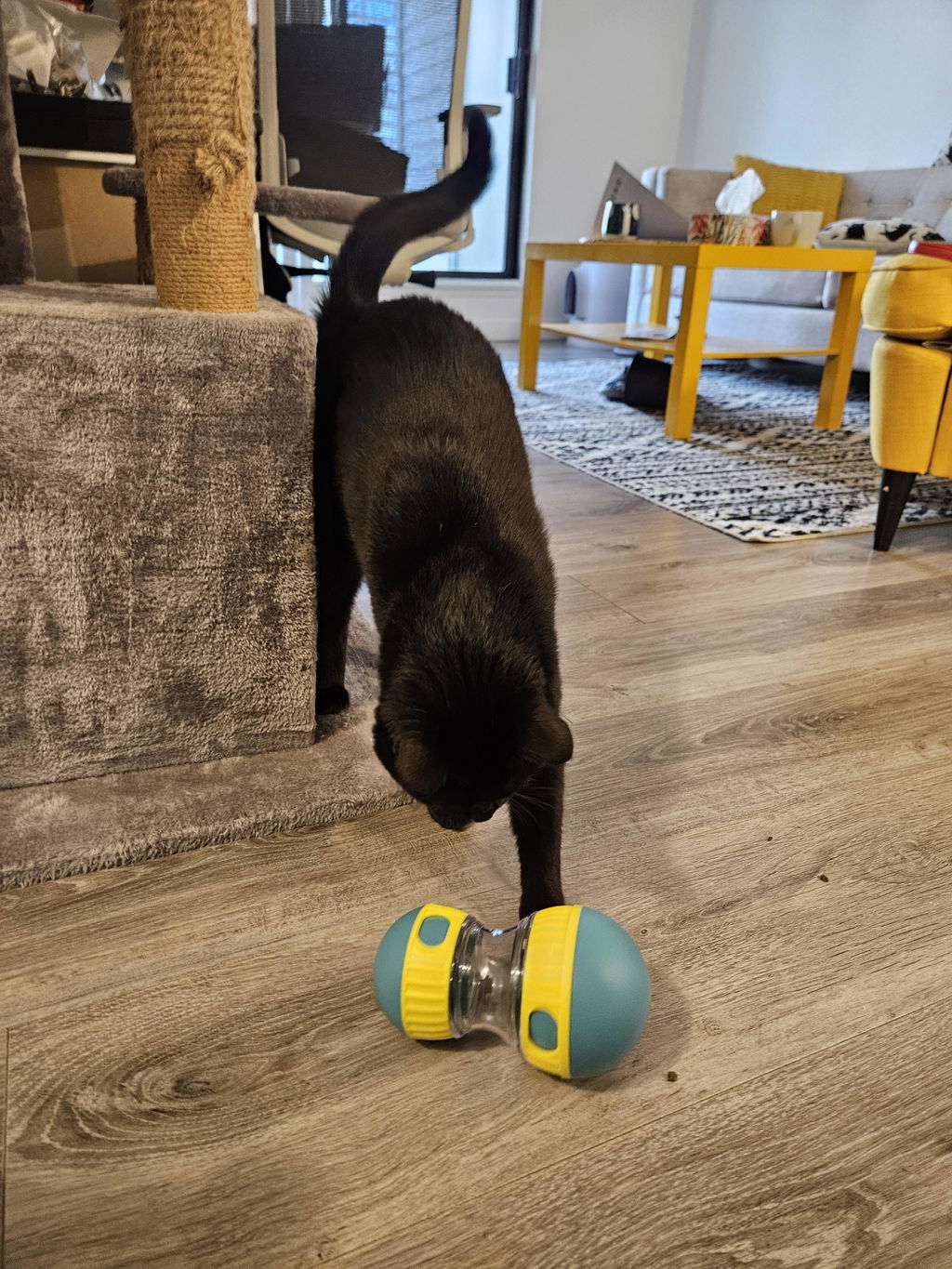
it is a bit hard on the walls but the cat just watches it. Does not interact with it. The ball works really well for what it is supposed to do.
If it was a bit softer the cat might enjoy it more.
I gave one to a neighbour who's dog loves it. She has a small dog so the size is just right.

Great bowl and such fun. Amazing the difference in time it now takes for my puppy to finish her meals. Much healthier for her! And she loves to play with it once it’s empty

Got this toy for my girl Archie and she absolutely loves it! It’s super durable, keeps her entertained for hours, and the treat dispenser is a fun bonus. Totally worth it

As soon as this ball comes out he gets very excited. The ball allows him to play by himself with the ball. His favourite toy by far.

The bone shape is super cute and simple, and makes mealtime fun for my pup. love it!