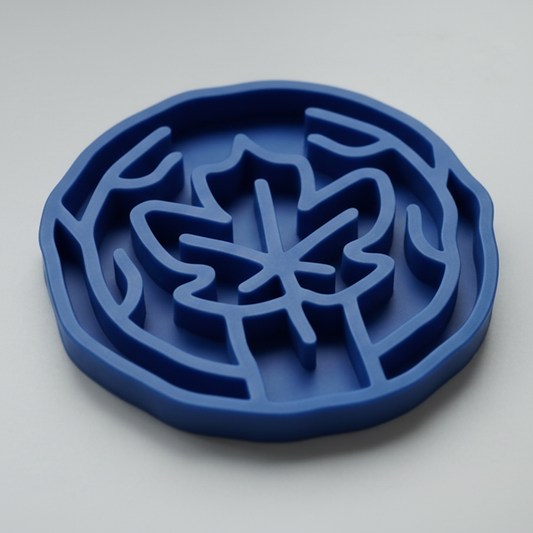
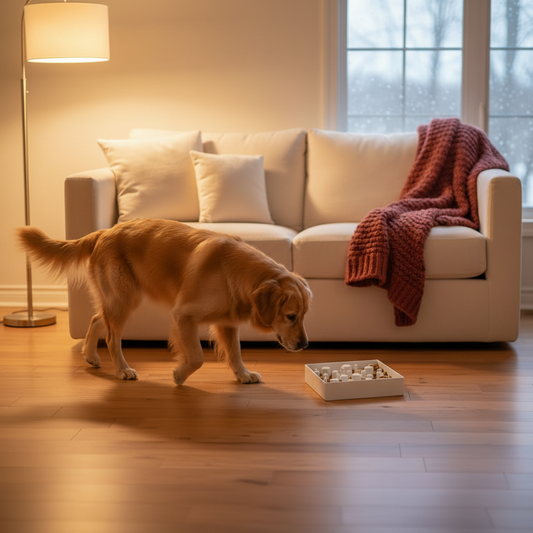
Teaching Your Dog New Tricks with Puzzle Toys and Treat Games
In this article
Scout, a Border Collie puppy with more energy than patience, used to lose interest in training within about ninety seconds. Sit, stay, repeat, the same three commands over and over, until his owner Jordan started to wonder if training was ever going to feel less like a chore for either of them.
When training starts to feel like a chore
Traditional training often leans on repetition alone, the same word, the same treat, the same short window of attention before a young dog checks out. For puppies especially, and for naturally clever breeds like Border Collies, Poodles, and German Shepherds, that kind of drilling can feel more like a test than a game, and it shows in how quickly they lose focus.
What most training routines are missing
The piece that is usually missing is not more repetition, it is more thinking. Dogs are natural problem solvers, and when a reward is hidden behind a small challenge instead of handed over freely, something shifts. The dog stops performing a command and starts working out a puzzle, and that is a much stickier kind of learning.

Teaching tricks through puzzle toys and treat games
Puzzle toys and treat dispensing games turn a handful of basic cues into something closer to play. A simple find it game, hiding a treat inside a puzzle feeder and letting your puppy work it out, builds focus and confidence at the same time. A wait cue becomes real when your puppy has to hold still while a toy is set down before they are released to go get it. Toys with moving parts add a push or spin cue almost on their own, since your dog has to nudge or paw at something to make the reward appear.

What each type of toy actually teaches
Scout's turning point came about two weeks in. Jordan started ending every short training session with a few minutes of free puzzle play, no commands, just Scout figuring things out on his own. Within days, the focus from that solo play started showing up in actual training time too, longer attention spans, quicker responses, and noticeably less zoning out mid session.
| Toy Type | What It Teaches |
|---|---|
| Puzzle feeders | Patience, problem solving, focus |
| Slow feeders | Calmer eating pace, reduced gulping |
| Chew toys | Healthy outlet for teething and natural chewing instinct |
For puppies that gulp their food, the same slow feeders that help with training also tend to help at mealtime, since the paced, working style of eating is not so different from the paced, working style of a good training session. And for teething puppies especially, pairing puzzle play with a durable chew toy gives them a healthy outlet between sessions, so the training itself stays a positive, low pressure part of the day rather than the only outlet they have.

None of this needs to be complicated or expensive to work. It just needs to feel more like play than like a lesson, and puppies tend to notice that difference faster than we expect.
FAQ about teaching dog tricks with puzzle toys
What age can I start using puzzle toys for training?
Most puppies can start with simple puzzle toys once they are comfortable eating solid food, usually around 8 weeks, using easier designs at first.
Do puzzle toys work for older dogs too?
Yes. Puzzle toys support mental stimulation at any age, and can be especially helpful for adult dogs that need more enrichment in their routine.
How long should a training session with puzzle toys last?
Short sessions of five to ten minutes tend to work best, especially for puppies, so the toy stays exciting rather than becoming routine.
Let customers speak for us
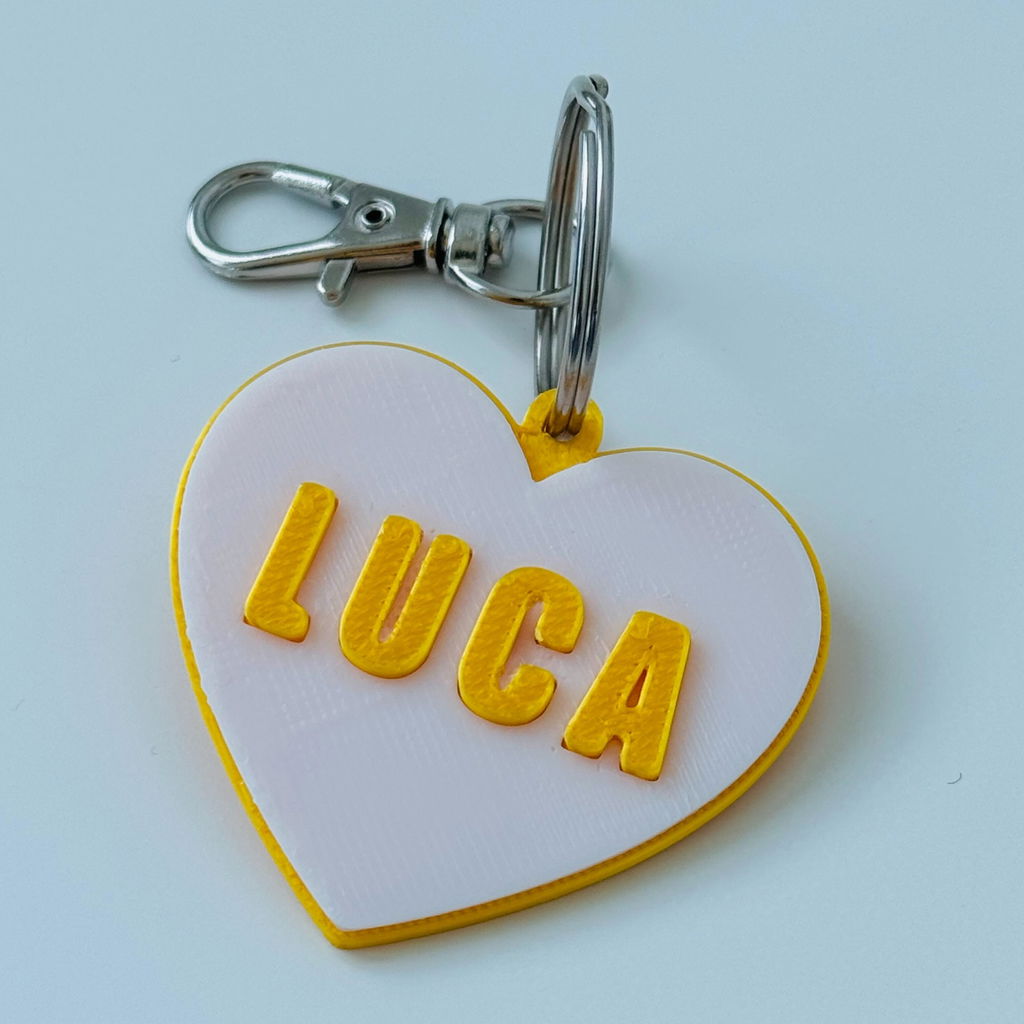
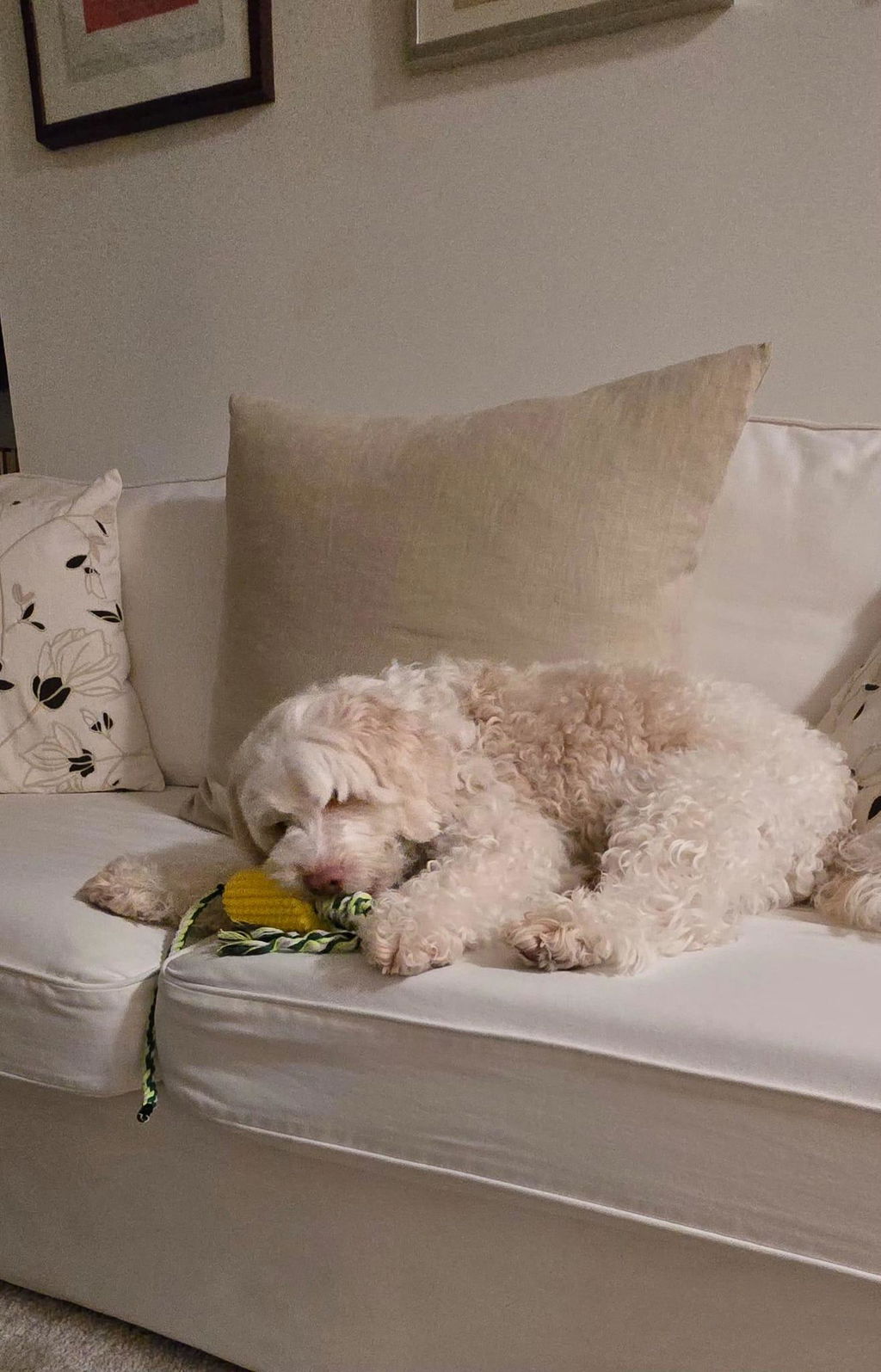
Golden Luca is pretty and it has my name and phone number on the flip side.
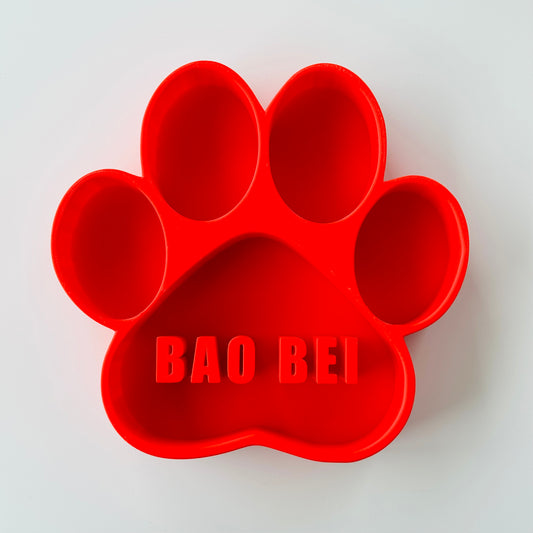
I bought it for Bao Bei to help him eat slower, also have a unique feeding bowl
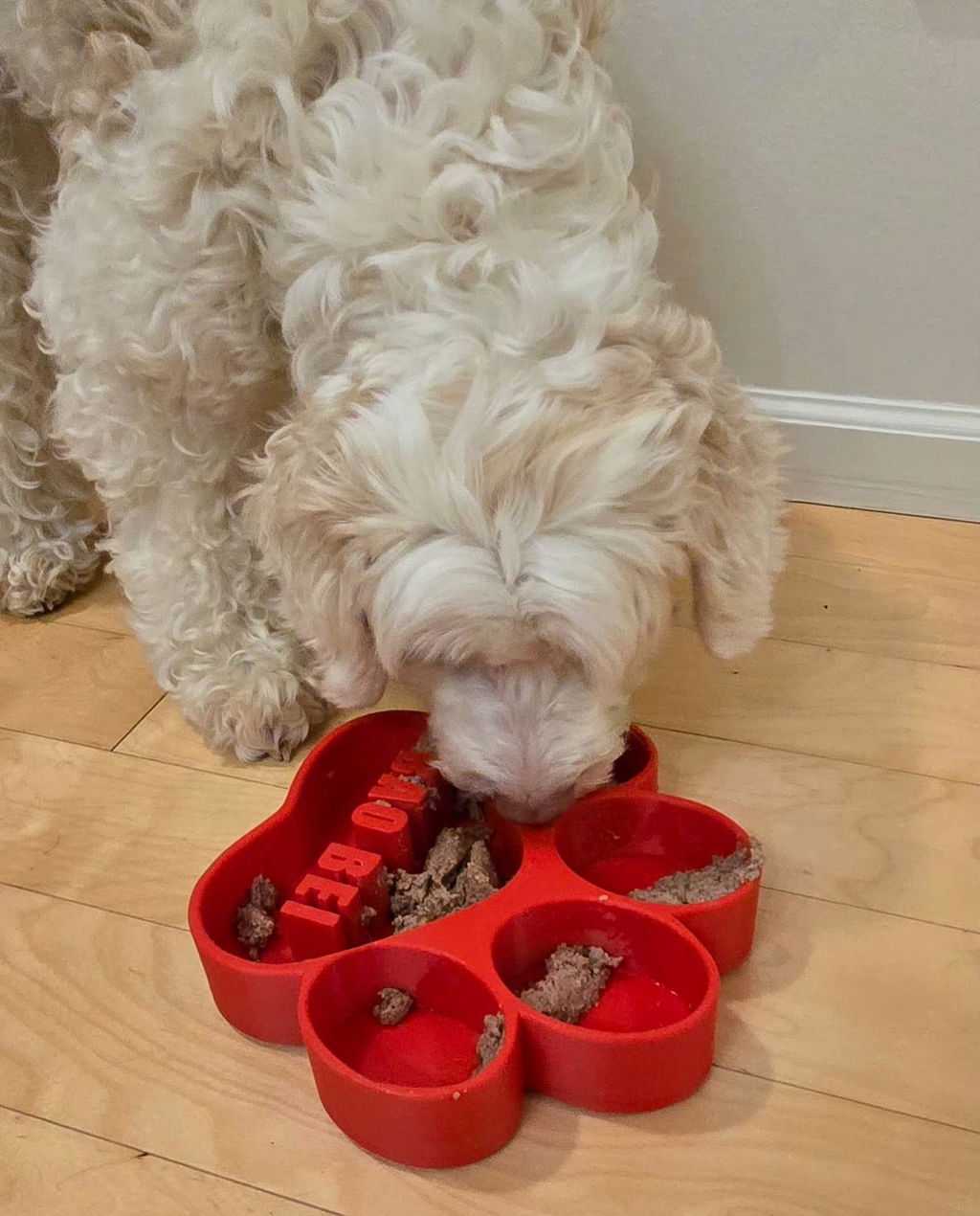
He is busy with it for hours and also I can fetch the toy when we want to spend time together
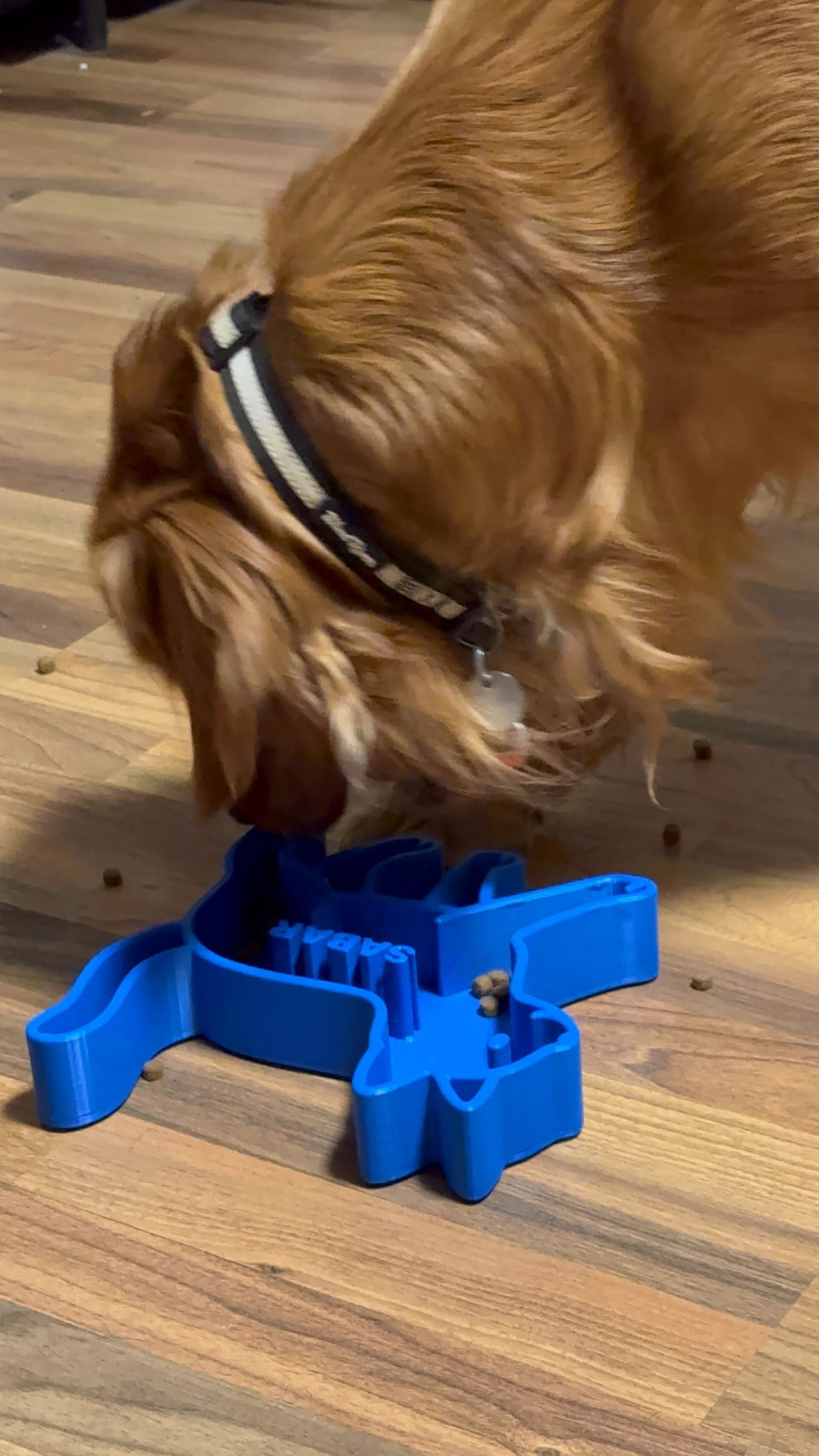
It made Sabar’s meal time more than double and I enjoy watching him eating from his unique bowl
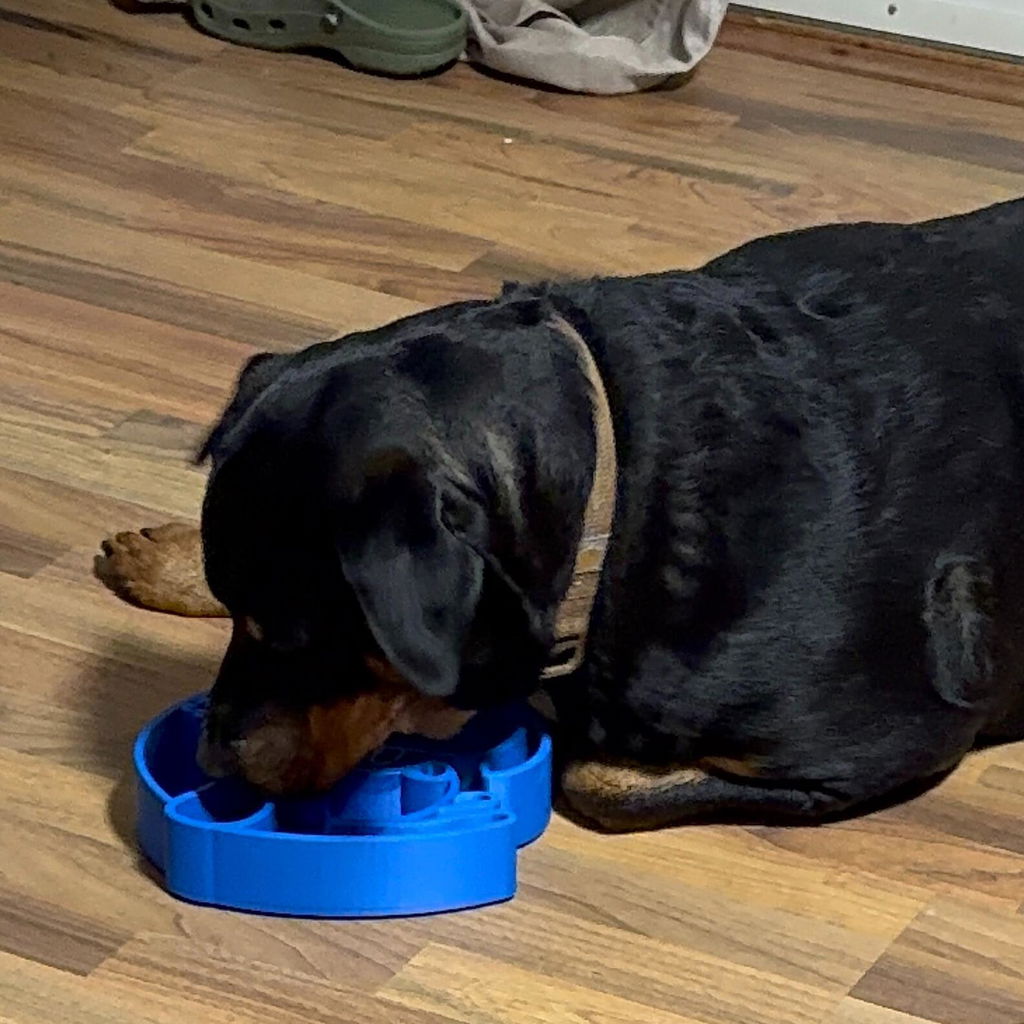
My paw was eating too fast and this bowl helped me to fix this problem
It can keep my cat's busy for a long time, but it should be under supervised I think. Long time playing with it can make them tired!
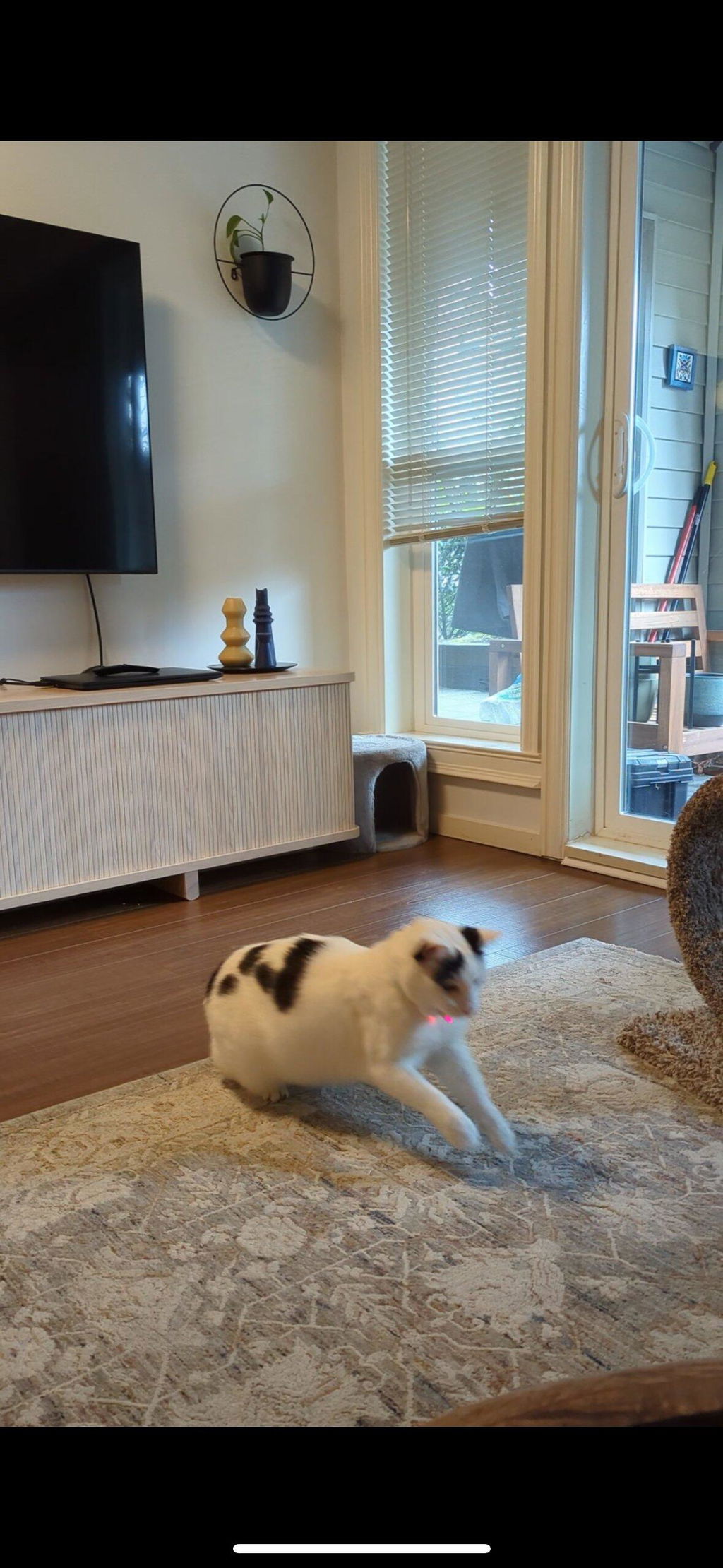
Maki playing with her ball. 😀
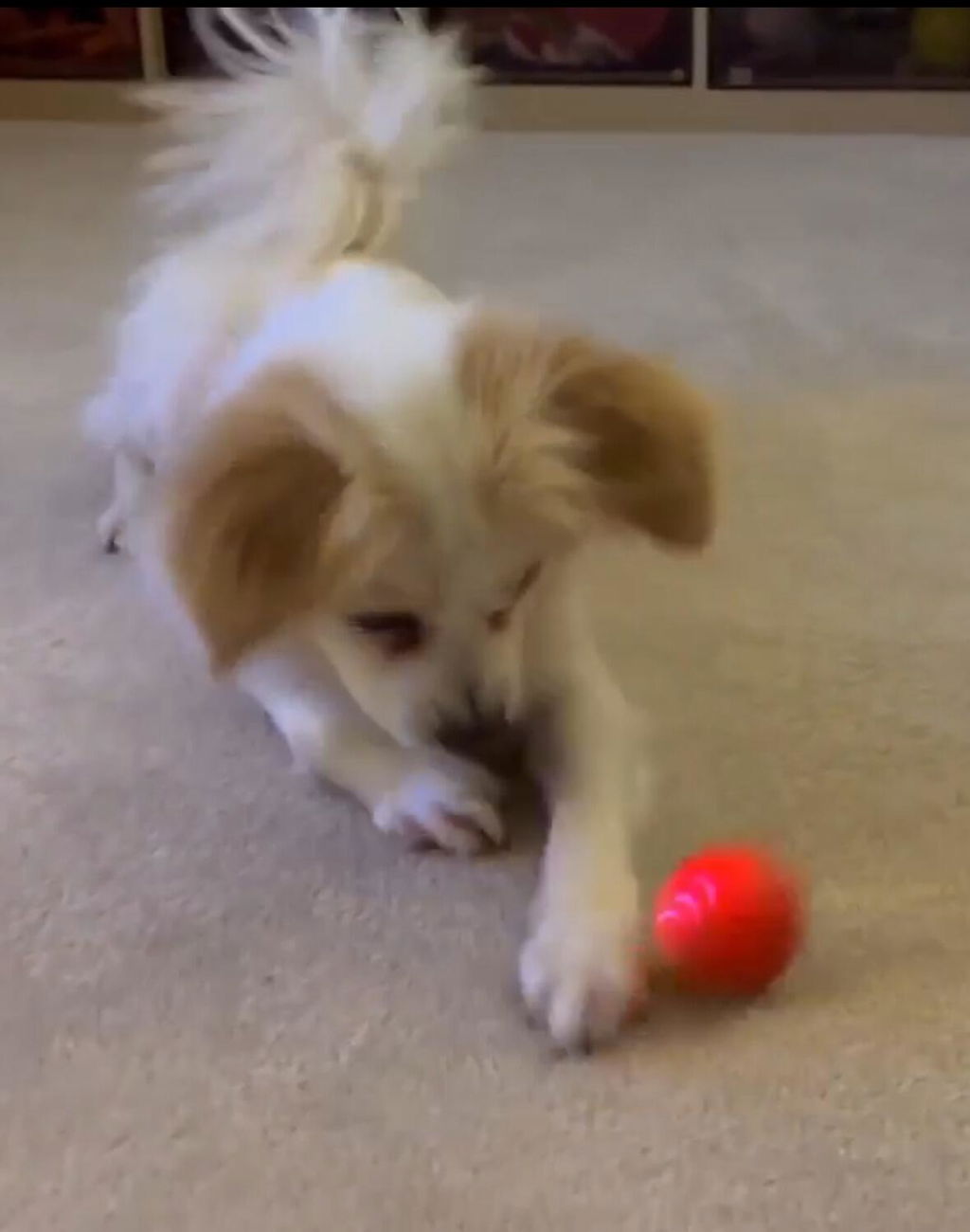
I'm using this stuff to keep my puppy busy and happy everyday.
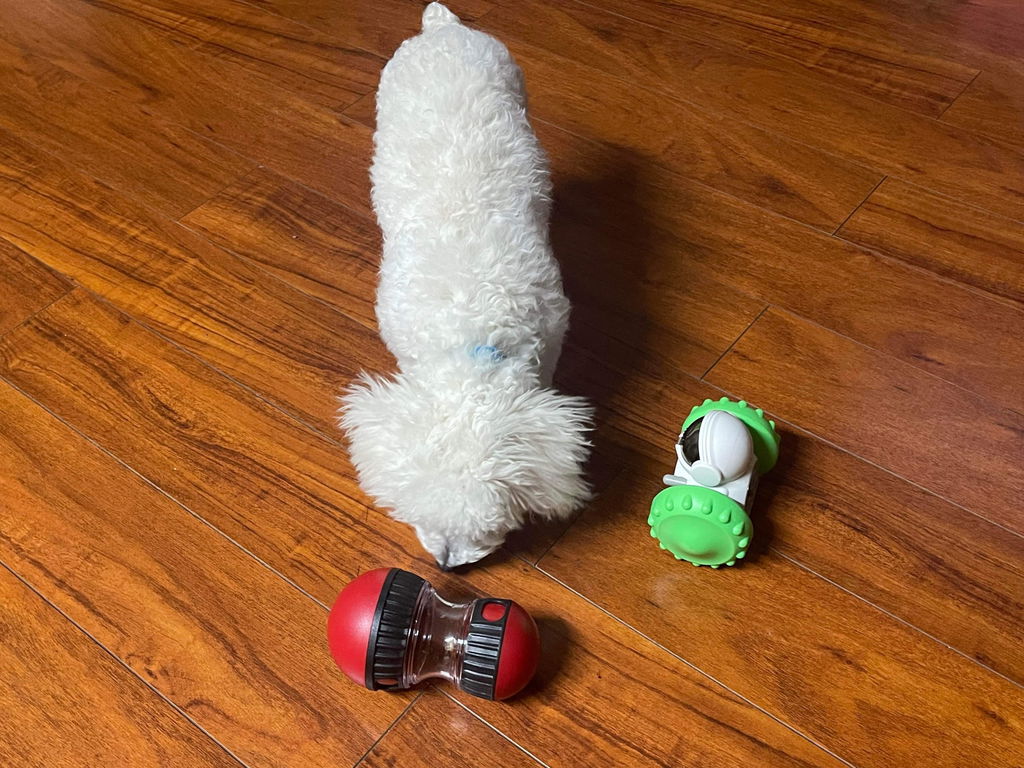
It keeps my puppy busy for more than 30 mins every time for a meal. and even after that she plays with it around as long as She get tired!
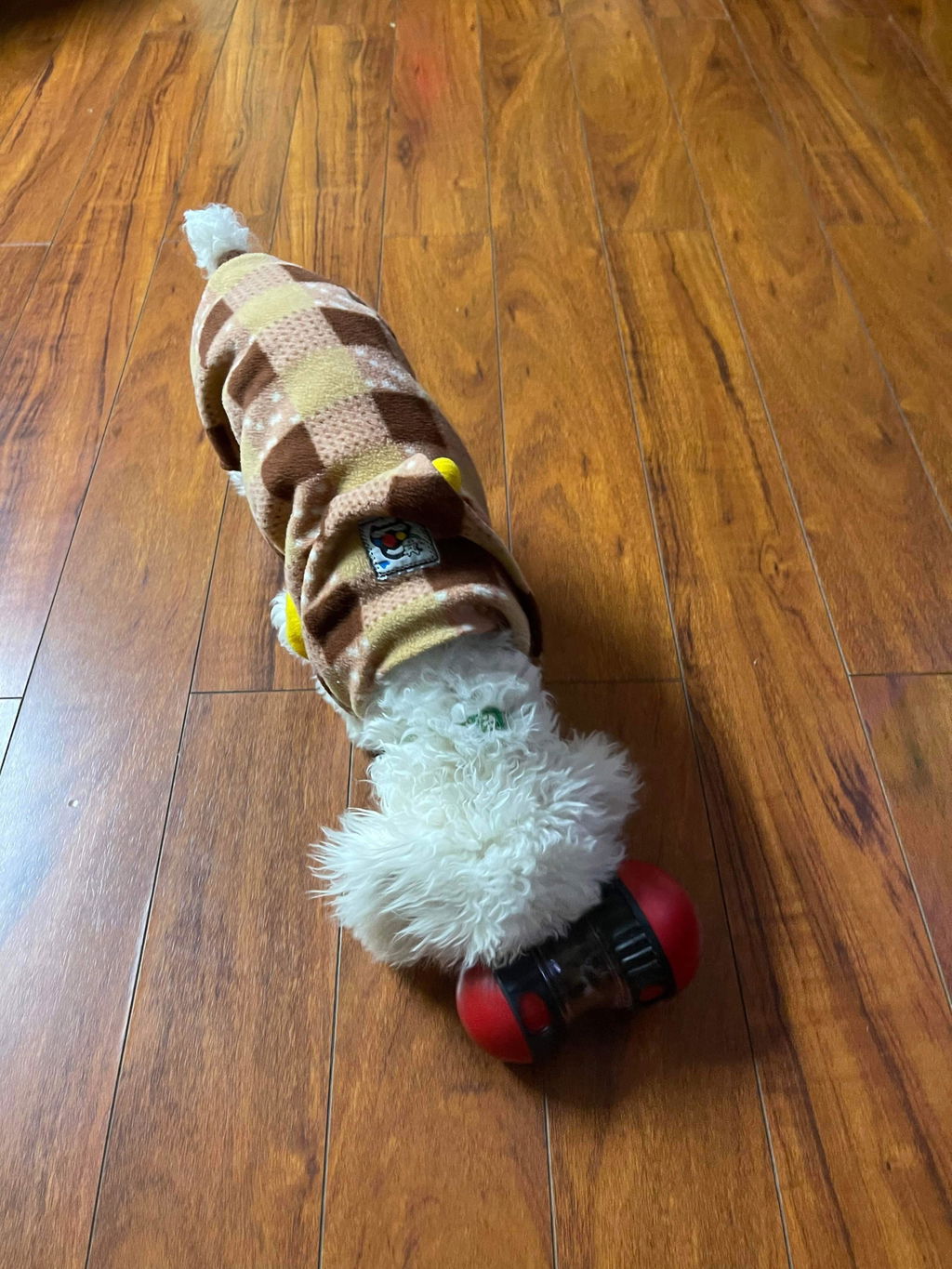
Fun "beginner level" toy. Works for cats too:)
Durable plastic, feels nice.
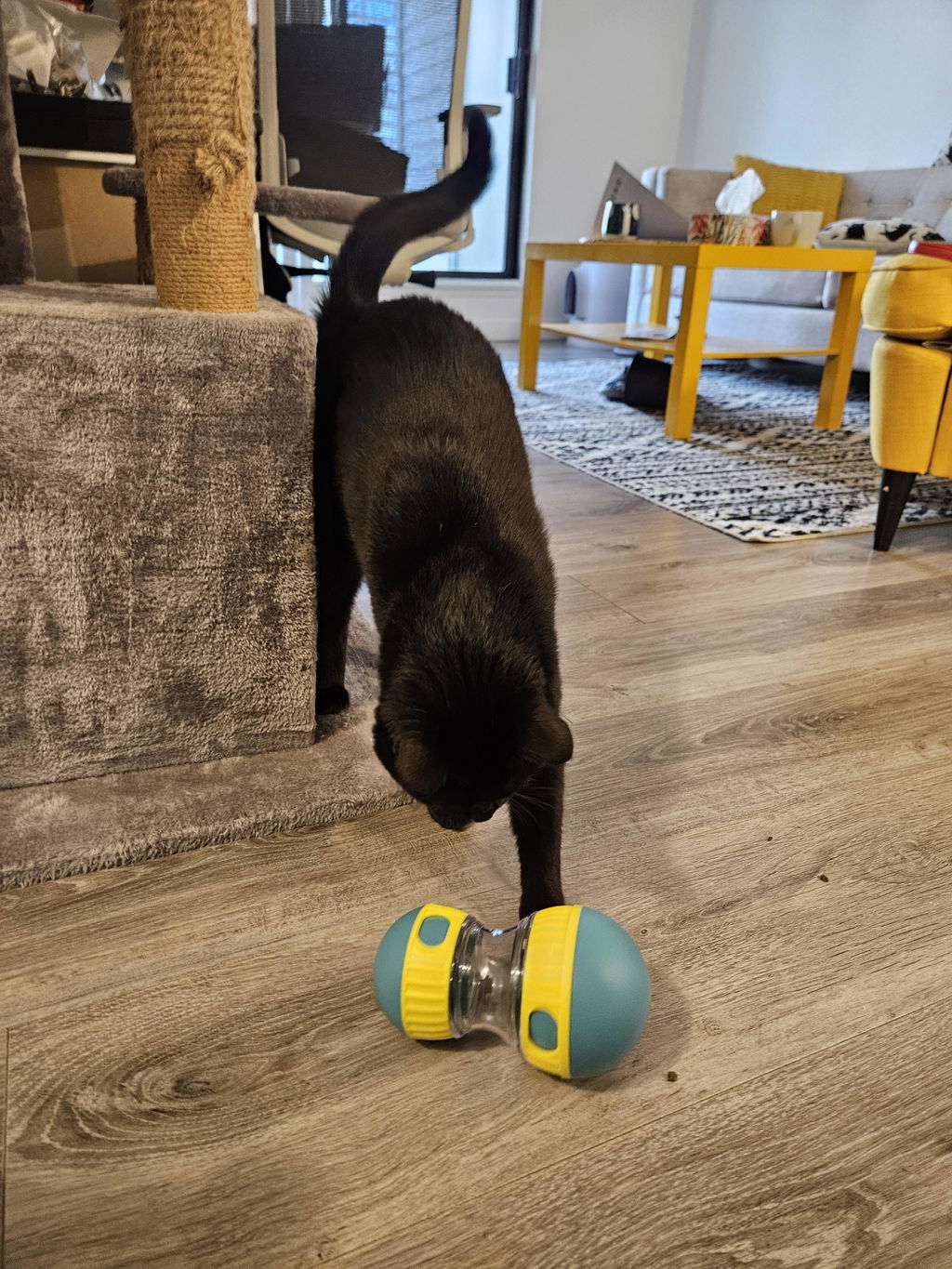
it is a bit hard on the walls but the cat just watches it. Does not interact with it. The ball works really well for what it is supposed to do.
If it was a bit softer the cat might enjoy it more.
I gave one to a neighbour who's dog loves it. She has a small dog so the size is just right.

Great bowl and such fun. Amazing the difference in time it now takes for my puppy to finish her meals. Much healthier for her! And she loves to play with it once it’s empty

Got this toy for my girl Archie and she absolutely loves it! It’s super durable, keeps her entertained for hours, and the treat dispenser is a fun bonus. Totally worth it

As soon as this ball comes out he gets very excited. The ball allows him to play by himself with the ball. His favourite toy by far.

The bone shape is super cute and simple, and makes mealtime fun for my pup. love it!