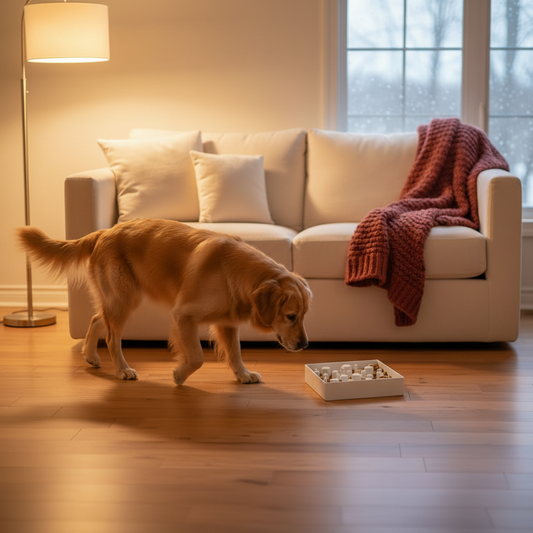
How a cat treat puzzle helps picky eaters engage
Index
Why a cat treat puzzle helps picky eaters engage
How to start a cat treat puzzle for picky eaters
Picky eating can feel stressful. One day your cat begs for food, and the next day they turn away like you offered something insulting. While medical issues should always be ruled out first, many picky cats are not truly refusing food. They are bored, overstimulated, or unsure about the eating setup.
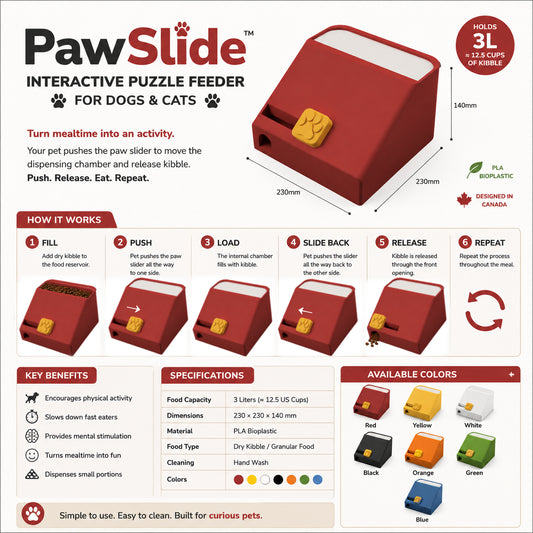
A cat treat puzzle can be a gentle, fun way to help picky eaters engage. It turns mealtime into a small hunting game, slows down gulping, and can make food feel more valuable. Puzzle feeders also support cat enrichment and mental stimulation, similar to how interactive dog toys and slow feeders support dog enrichment.
Why a cat treat puzzle helps picky eaters engage
Cats are natural problem solvers. In the wild, they work for small meals throughout the day. When food is always in the same bowl, in the same spot, with the same smell, some cats lose interest. A cat treat puzzle adds novelty and choice, which can help a hesitant cat re engage with food.
Here are a few reasons a cat treat puzzle can help picky eaters:
- It activates hunting instincts. Sliding, pawing, and sniffing mimic natural foraging.
- It reduces pressure. Some cats dislike a hovering human watching them eat. Puzzle feeders let them focus on the task.
- It adds mental stimulators. A little challenge can boost confidence, especially for indoor cats.
- It slows down fast eaters. Cats that eat too quickly can feel queasy later, then avoid food. Slow feeders and puzzles can reduce that cycle.
If you are building a richer routine, explore Mental Stimulators to support calm focus at home. Many families mix puzzle feeders with interactive toys for an easy daily enrichment plan.

How to start a cat treat puzzle for picky eaters
Success comes from making the first sessions easy. If the puzzle is too hard, a picky eater may walk away and decide the food is not worth it. Think of it like training with chew toys or puzzle feeders for dogs: start simple, then level up.
- Use a high value smell. Start with a few favorite treats or extra smelly kibble toppers.
- Choose an open design first. Wide wells and easy sliding parts help your cat learn quickly.
- Keep sessions short. One to three minutes is enough at the start.
- End on a win. Let your cat succeed before they get frustrated.
- Move slowly to meal portions. Once your cat likes the game, you can shift part of breakfast into the puzzle feeder.
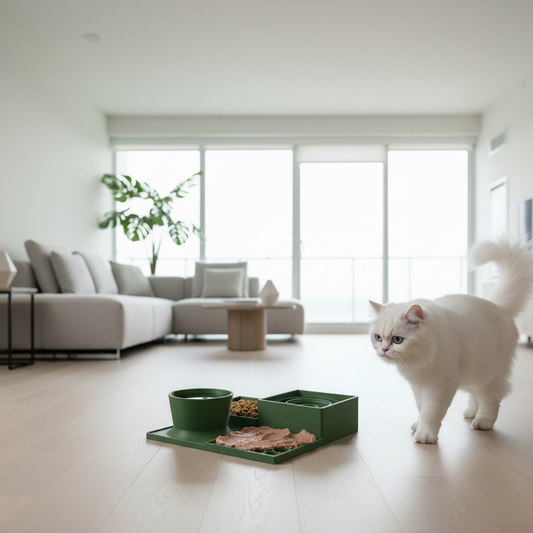
Some cats engage better in quiet spaces away from foot traffic. If your cat startles easily, try placing the puzzle feeder where they already feel safe.
Choosing the right cat treat puzzle for picky eaters
Not all puzzles fit every cat. Age, paw style, confidence, and even whisker sensitivity can affect interest. A good rule is to match the puzzle difficulty to your cat personality, not to what looks most impressive.
| Cat type | Best puzzle feeder style | Why it helps picky eaters engage | Starter tip |
|---|---|---|---|
| Shy or cautious | Open wells, low height | Less frustration, easy wins | Place near a familiar mat |
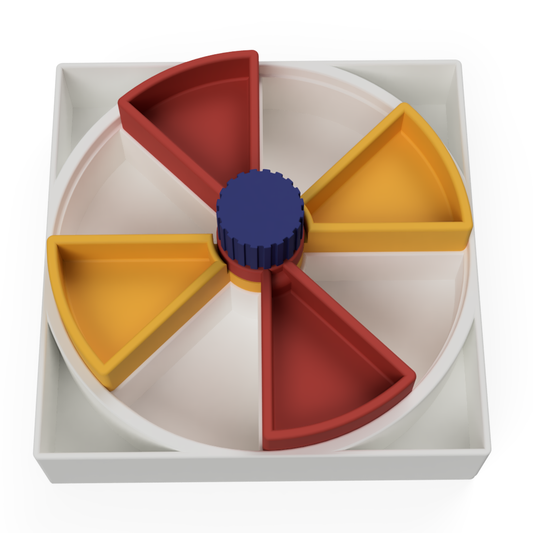
| Busy and playful | Slider compartments | More movement and novelty | Use a few treats first |
| Fast eater | Slow feeder texture and pockets | Slows eating and supports digestion | Split meals into two rounds |
| Senior cat | Large openings, minimal force needed | Kinder on joints and teeth | Keep it on a non slip surface |
If you want to browse practical options, take a look at Dogs and Cats Feeders. Many households also pair feeders with Interactive Toys to keep food and play separate but equally engaging.

Common cat treat puzzle mistakes to avoid
Even a great cat treat puzzle can fail if the setup feels confusing. These small changes can make a big difference for picky eaters.
- Making it too hard too fast. If your cat quits, simplify the puzzle and reduce the number of moving parts.
- Using only dry kibble when your cat prefers wet food. You can still use a puzzle by placing freeze dried toppers or small lickable treats in easy pockets. Always check the feeder instructions for wet safe use.
- Leaving the puzzle out with stale food. Fresh scent drives interest. Wash and refill frequently.
- Placing it near the litter box or noisy appliances. Cats may avoid eating in stressful areas.
- Ignoring body language. Paw swats are normal, but stress signs like tail lashing and crouching mean the challenge is too much.
Enrichment should feel safe and rewarding. Done well, a cat treat puzzle becomes a daily ritual that supports appetite, curiosity, and confidence. It can also make a thoughtful cat gift for a friend who just adopted, especially when paired with a small set of treats or a customized slow feeder style accessory.
If you would like a simple way to shop for something meaningful, browse Gifts for Dogs and Cats. A practical enrichment item can be a more lasting custom gift than another basic bowl, and it supports the kind of daily care that picky cats often need.
Closing thought: If you are worried your cat is eating less, trust your instincts and speak with your vet. Then, once you know your cat is healthy, try adding gentle enrichment. A cat treat puzzle is not about forcing food. It is about bringing back interest, one small win at a time. Your cat deserves calm, playful meals, and you deserve the relief of seeing them happily engage again.
Frequently Asked Questions
Will a cat treat puzzle help if my cat is extremely picky?
It often helps because it adds novelty and activates hunting behavior. Start with a very easy puzzle and a high value treat so your cat learns the game quickly. If your cat is refusing most foods, check with a vet first to rule out dental pain or nausea.
How do I transition from treats to full meals in a cat treat puzzle?
Begin with a few treats in the puzzle, then mix in a small amount of regular kibble. Over several days, increase the meal portion in the puzzle and keep part of the meal in a regular bowl until your cat stays confident and engaged.
How often should I use a cat treat puzzle for picky eater engagement?
Daily use is fine if your cat enjoys it. Many cats do best with one short puzzle session per day, plus normal meals. Rotate between two puzzle feeders to keep interest high and to make cleaning easier.
Let customers speak for us
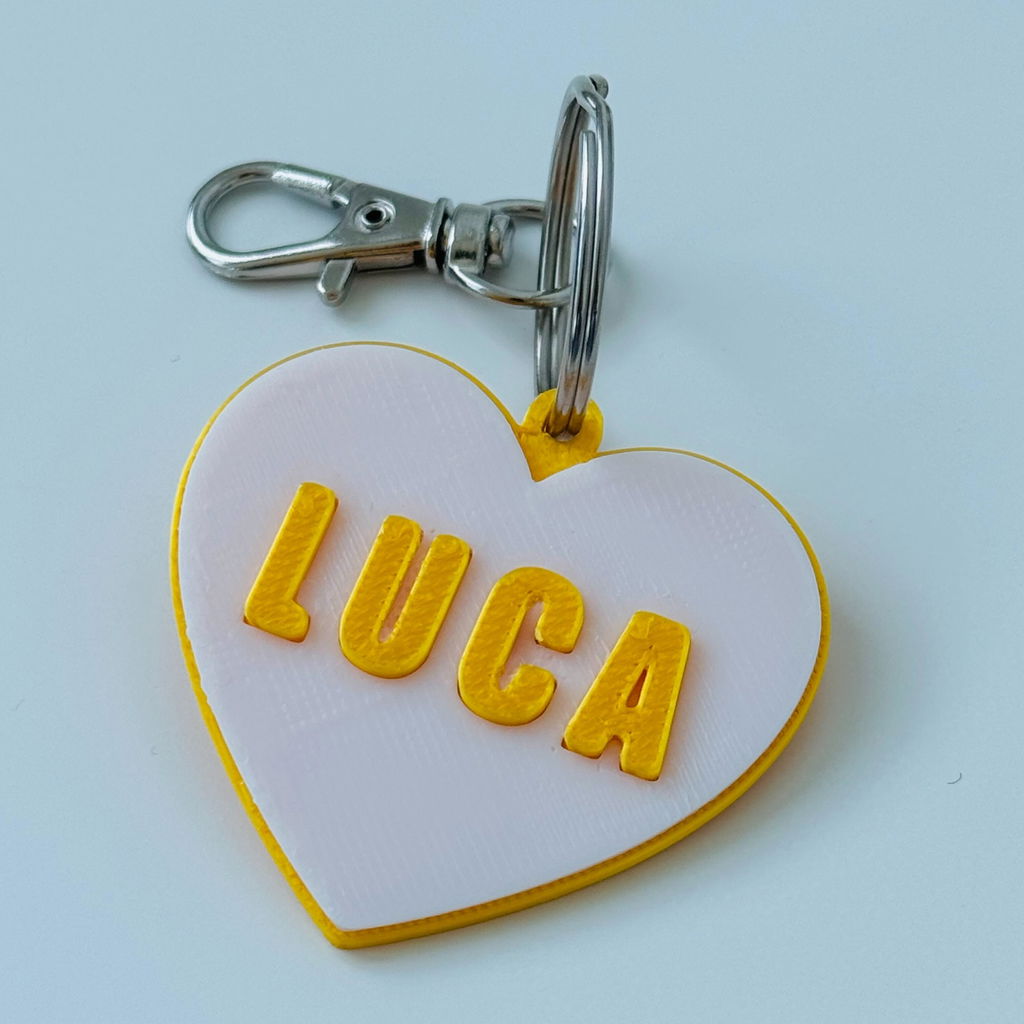
Golden Luca is pretty and it has my name and phone number on the flip side.
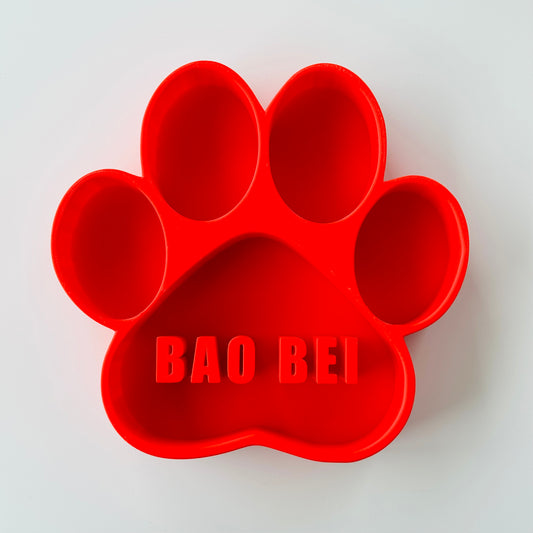
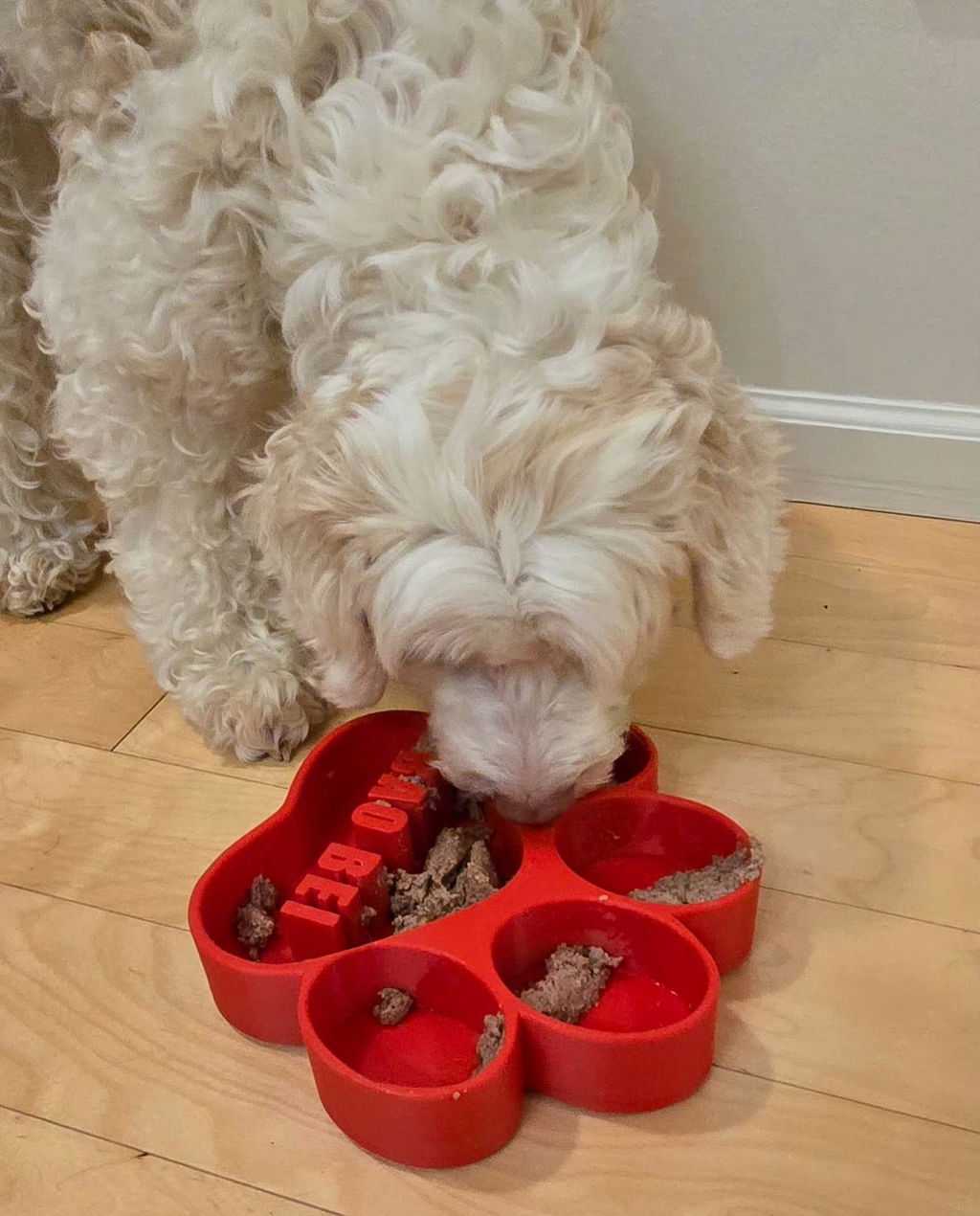
I bought it for Bao Bei to help him eat slower, also have a unique feeding bowl
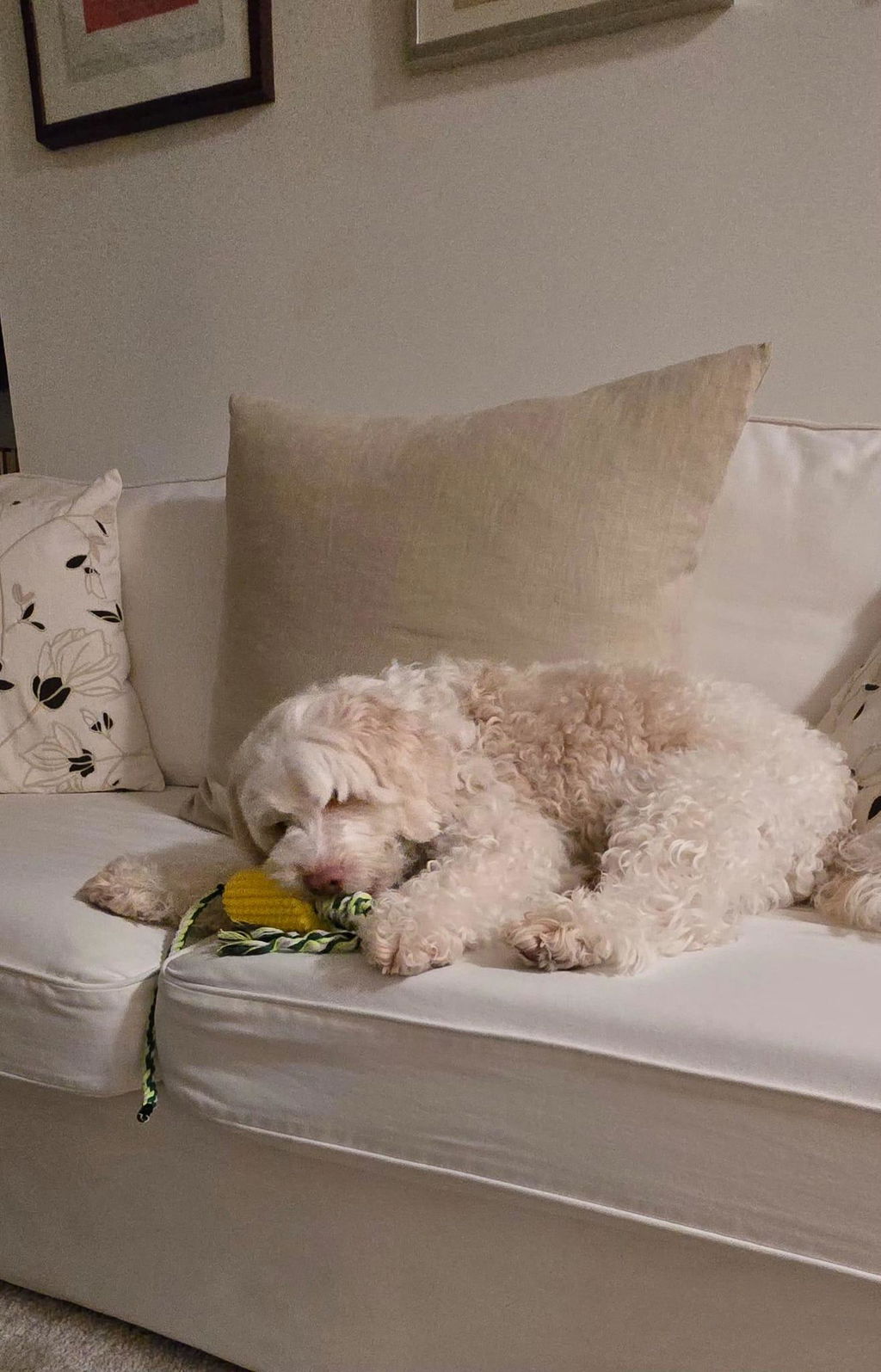
He is busy with it for hours and also I can fetch the toy when we want to spend time together
It made Sabar’s meal time more than double and I enjoy watching him eating from his unique bowl
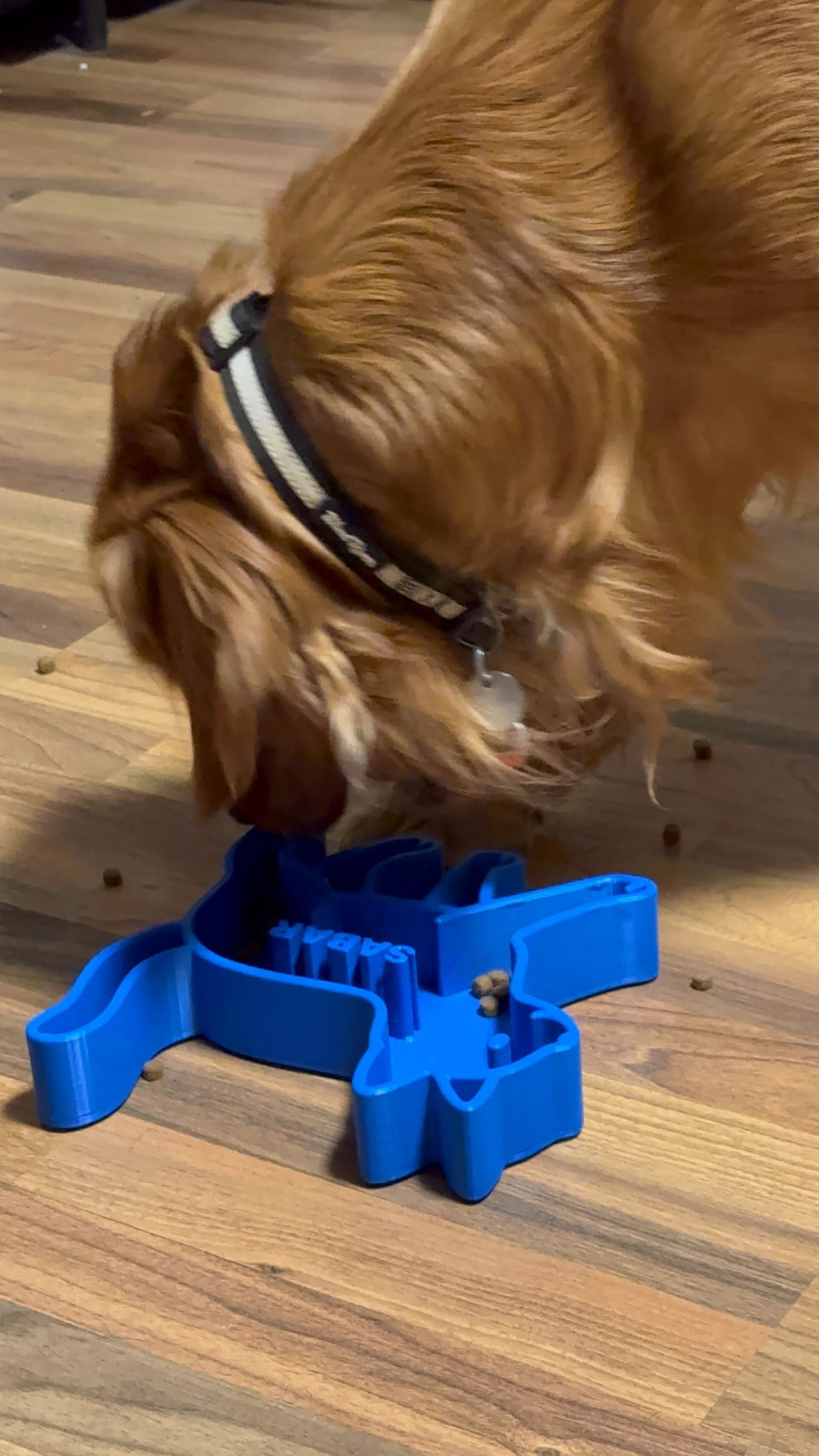
My paw was eating too fast and this bowl helped me to fix this problem
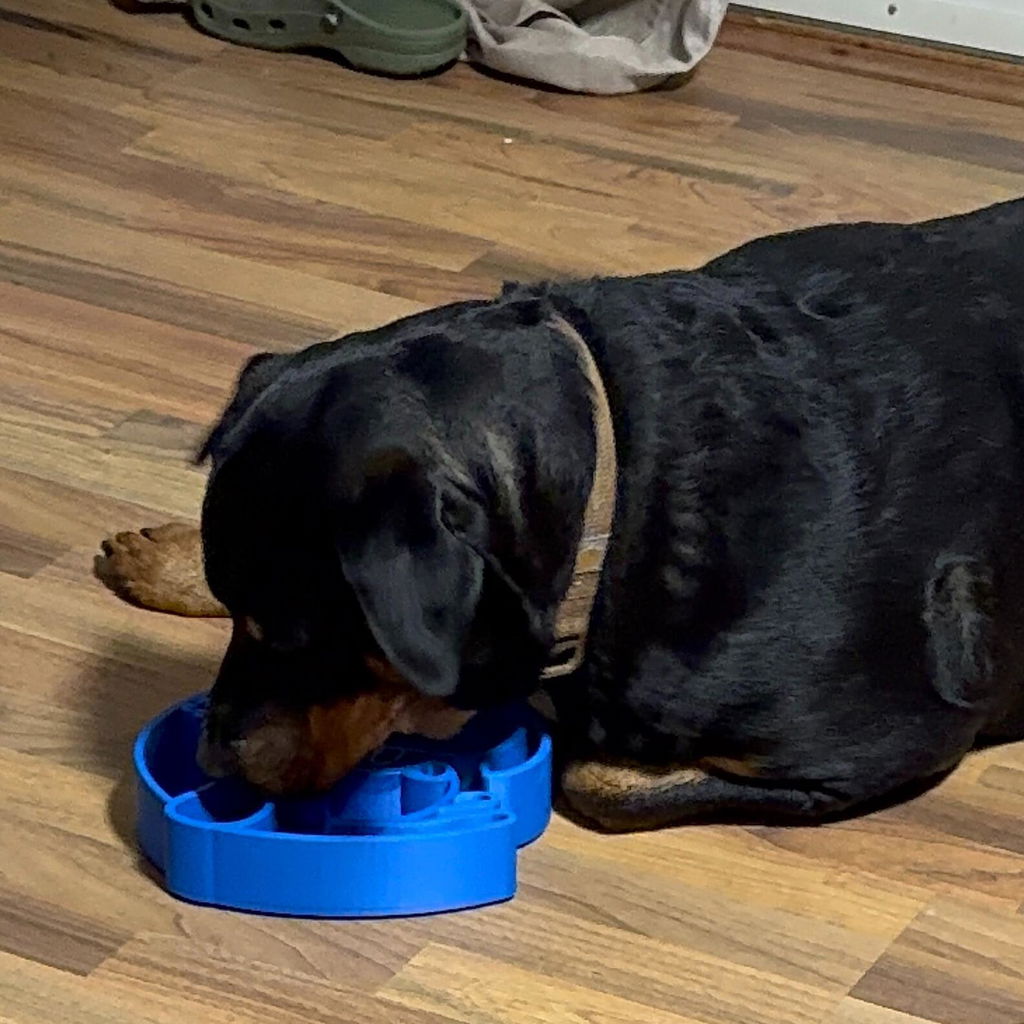
It can keep my cat's busy for a long time, but it should be under supervised I think. Long time playing with it can make them tired!
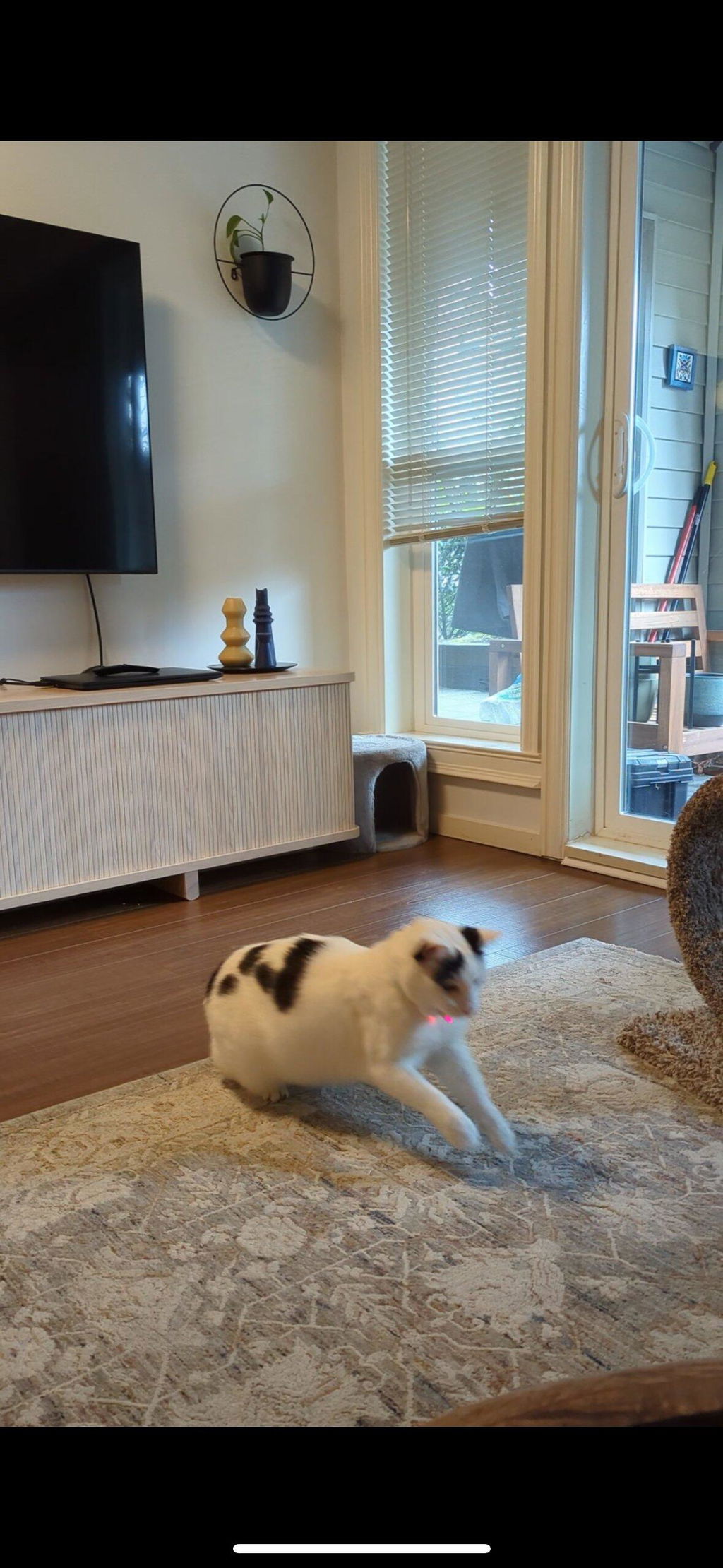
Maki playing with her ball. 😀
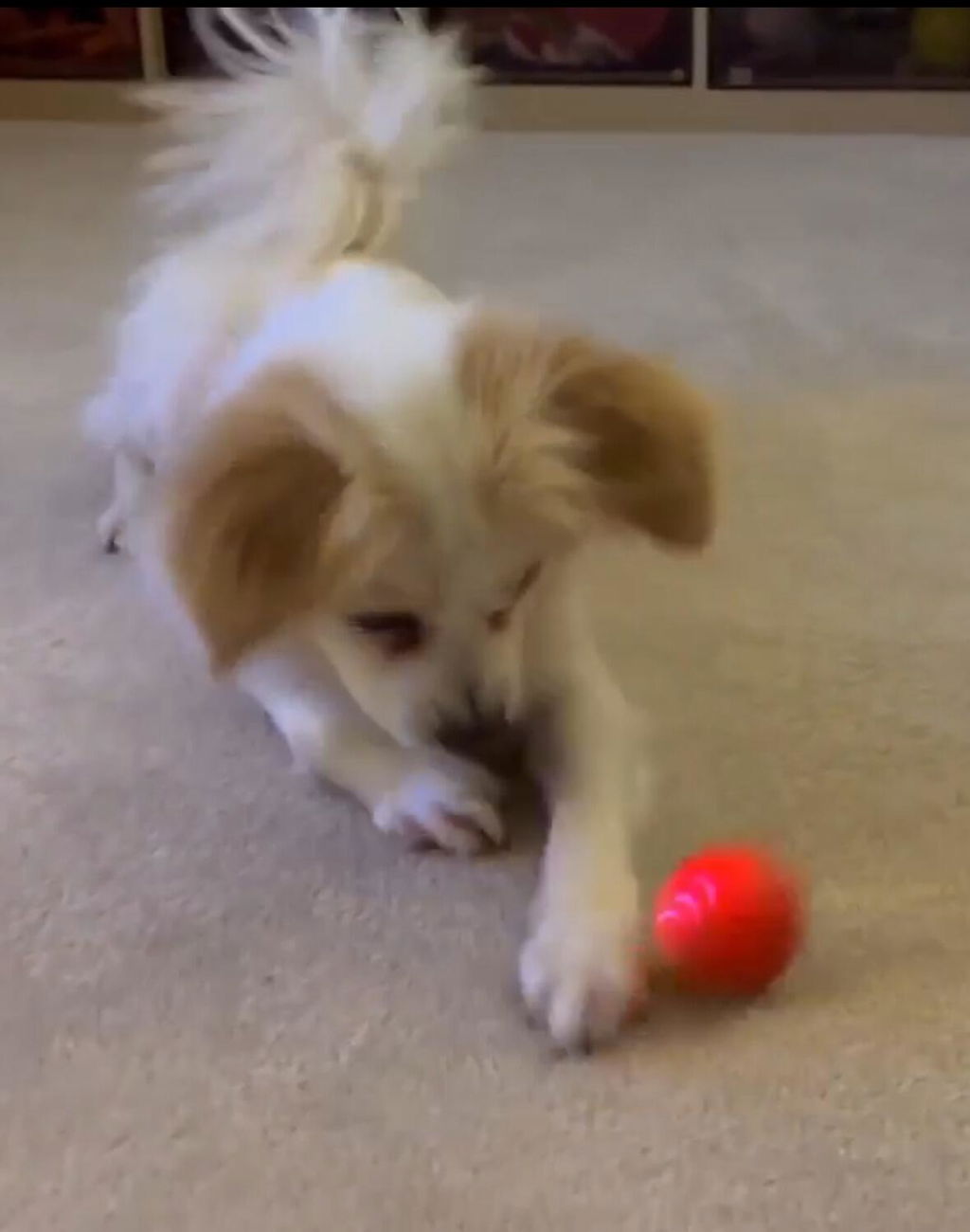
I'm using this stuff to keep my puppy busy and happy everyday.
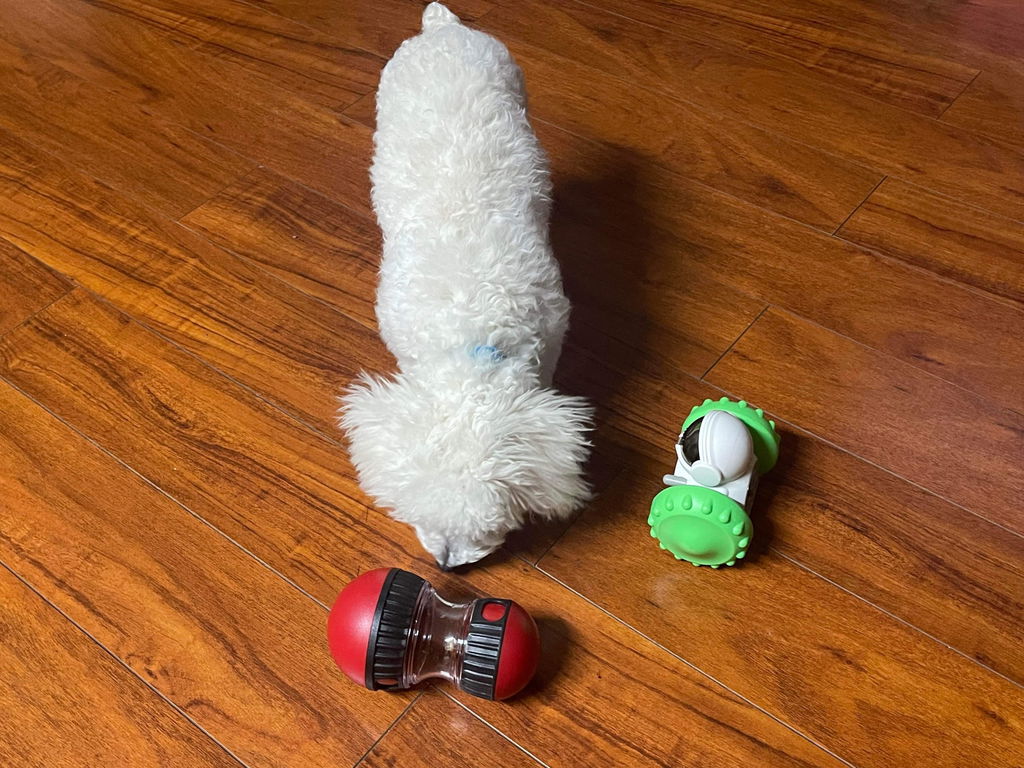
It keeps my puppy busy for more than 30 mins every time for a meal. and even after that she plays with it around as long as She get tired!
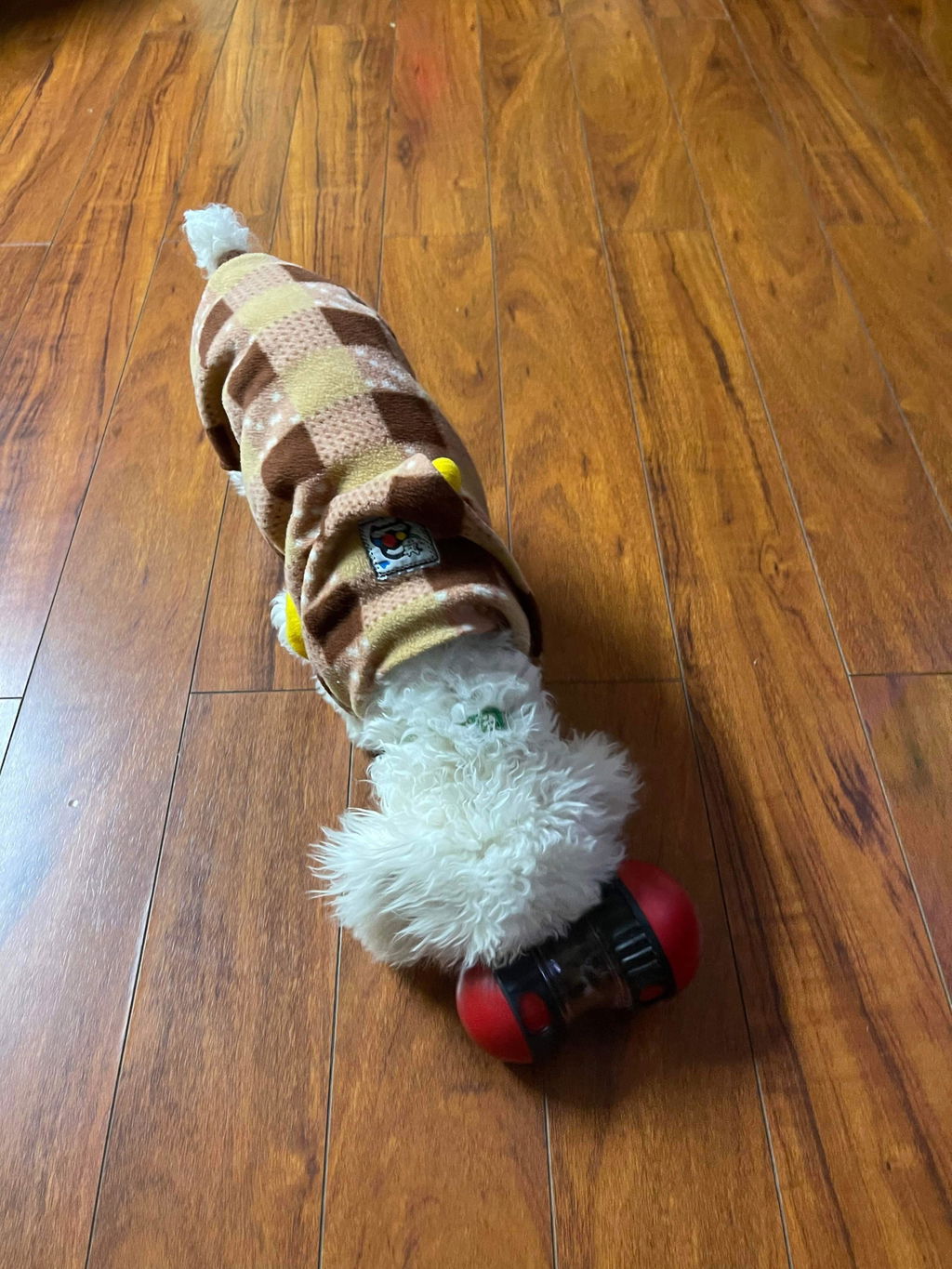
Fun "beginner level" toy. Works for cats too:)
Durable plastic, feels nice.
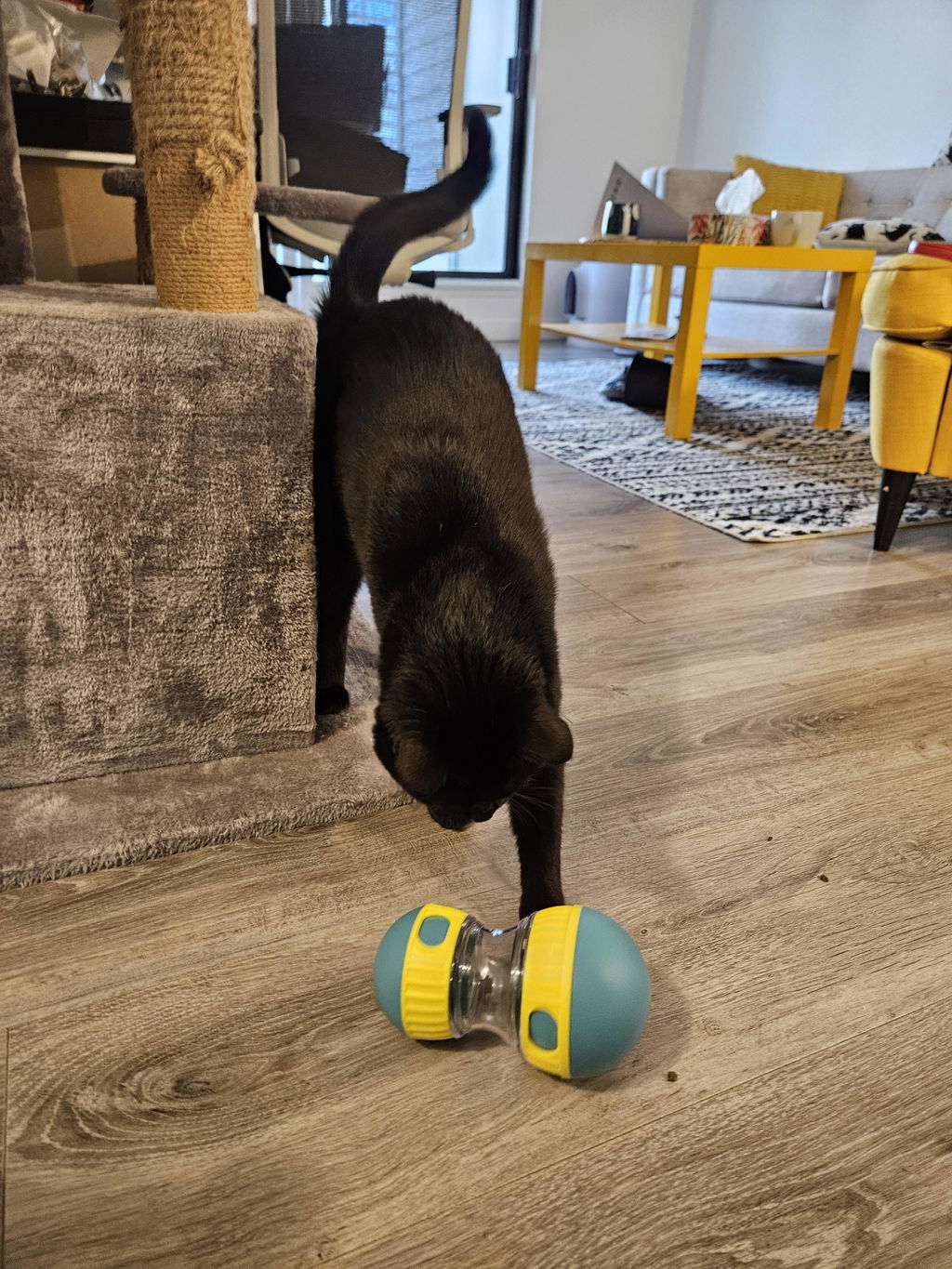
it is a bit hard on the walls but the cat just watches it. Does not interact with it. The ball works really well for what it is supposed to do.
If it was a bit softer the cat might enjoy it more.
I gave one to a neighbour who's dog loves it. She has a small dog so the size is just right.

Great bowl and such fun. Amazing the difference in time it now takes for my puppy to finish her meals. Much healthier for her! And she loves to play with it once it’s empty

Got this toy for my girl Archie and she absolutely loves it! It’s super durable, keeps her entertained for hours, and the treat dispenser is a fun bonus. Totally worth it

As soon as this ball comes out he gets very excited. The ball allows him to play by himself with the ball. His favourite toy by far.

The bone shape is super cute and simple, and makes mealtime fun for my pup. love it!