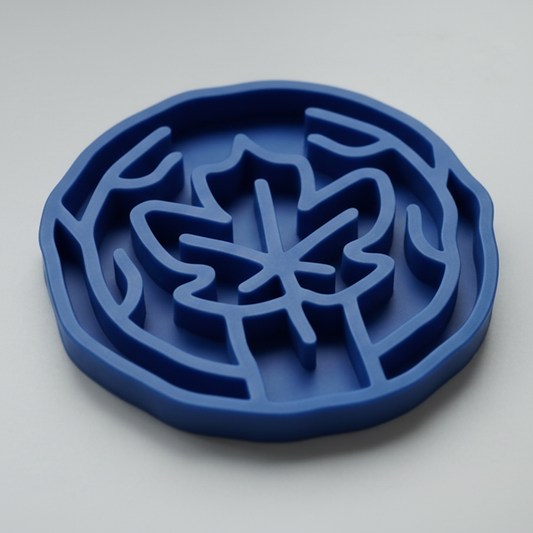
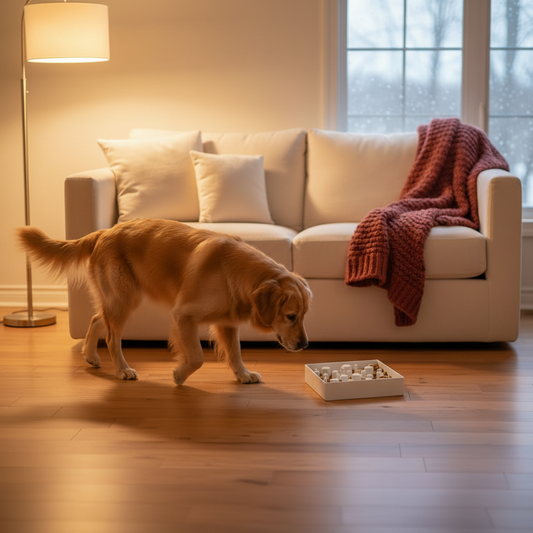
How a dog puzzle feeder builds smarter feeding habits
Index
How a dog puzzle feeder builds smarter feeding habits
How to choose a dog puzzle feeder for smarter feeding habits
How to build smarter feeding habits with a dog puzzle feeder routine
Dog puzzle feeder options that support smarter feeding habits
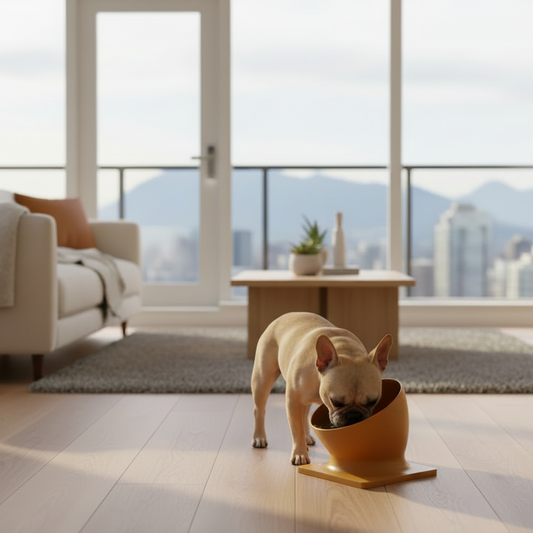
Mealtime can be more than a quick bowl and a few seconds of chewing. For many dogs, fast eating becomes a habit that leads to gulping, boredom, and constant sniffing for snacks. A dog puzzle feeder changes that pattern by turning food into a small daily challenge. It slows eating, boosts focus, and builds calm, repeatable routines that support better digestion and better manners.
In Vancouver homes, rainy days and busy schedules can make long outdoor sessions harder to fit in. That is where dog enrichment matters. Puzzle feeders, interactive dog toys, and slow feeders help your dog use their brain in a safe, indoor way, while still getting their regular meal.
How a dog puzzle feeder builds smarter feeding habits
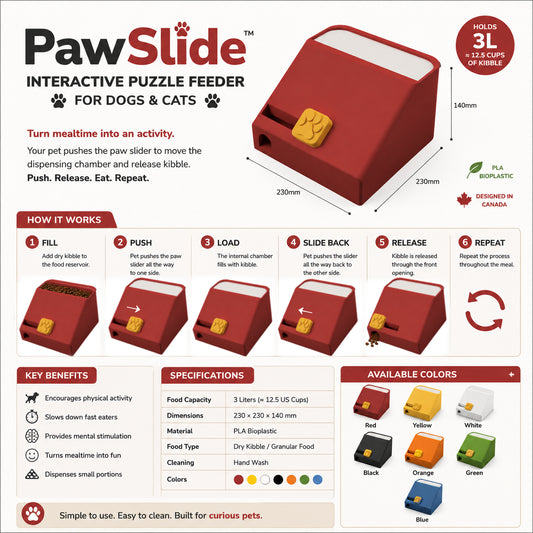
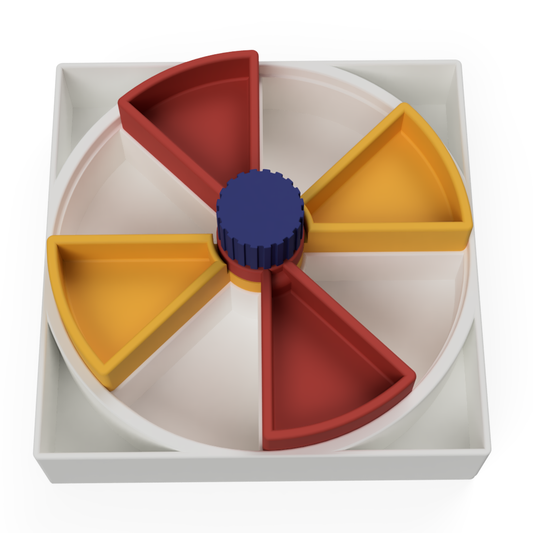
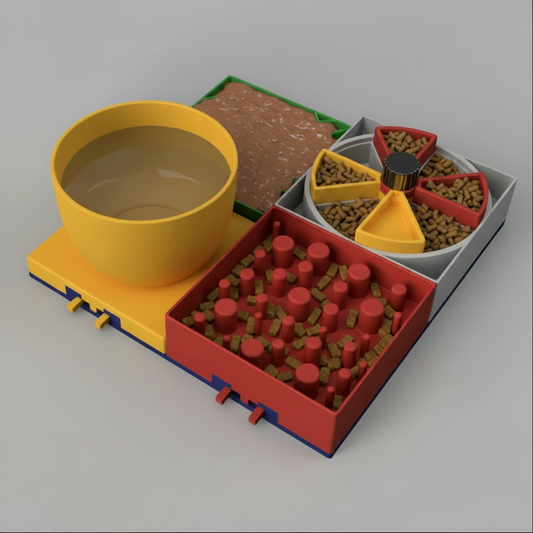
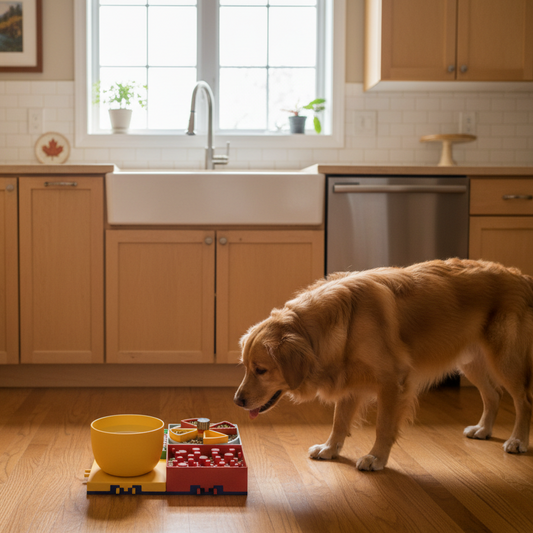
A dog puzzle feeder builds smarter feeding habits by rewarding patience. Instead of inhaling food, your dog learns to sniff, nudge, paw, and work steadily. This encourages slower eating, longer satisfaction after meals, and a calmer mindset that can carry into other parts of the day.
Here are the smart habits you often see develop with consistent use:
- Slower eating pace that can reduce gulping and help support digestion.
- Better portion awareness because food is released in small amounts.
- Improved focus and less frantic behavior at feeding time.
- Healthier boredom relief so your dog is less likely to seek trouble after eating.
If you are exploring options, start with a feeder designed for real daily use. The Dogs and Cats Feeders collection includes puzzle feeders and everyday feeding tools that fit different sizes and feeding styles.

Puzzle feeders can also reduce the habit of staring at you for more food right after eating. Because the meal takes longer, satisfaction lasts longer. Many dogs also appear visibly calmer once they have worked through a meal, similar to how a brisk walk can settle energy. That is why puzzle feeders are often recommended as part of a balanced dog enrichment plan, alongside chew toys and structured play.
How to choose a dog puzzle feeder for smarter feeding habits
Not every puzzle feeder fits every dog. The goal is a challenge that is engaging but not frustrating. Start easy, then increase difficulty as your dog improves. If you are unsure, a customised slow feeder can be a thoughtful long term option, especially when you want a more personal touch for your home or as a dog gift.
Look for these features:
- Stable base to reduce sliding, especially for strong eaters.
- Food compatibility for kibble, freeze dried toppers, or wet food if the design allows.
- Easy cleaning since daily use means daily hygiene.
- Difficulty level that matches your dog age, breed, and patience.
If your dog tends to inhale food, browsing Slow Feeder Bowls can help you find designs that naturally slow the pace while still feeling rewarding. For dogs that crave problem solving, the Interactive Toys collection adds variety with interactive dog toys that can be rotated through the week.
For gift giving, puzzle feeders make a practical custom gift. A personalized dog bowl or a customized slow feeder feels special, but it is also something the pet will use daily. They are also a great add on to a cat gift bundle when you want something enriching for the whole household.
How to build smarter feeding habits with a dog puzzle feeder routine
Consistency matters. Most dogs build new feeding habits fastest when puzzle meals are predictable and not rushed. Try these simple steps:
- Introduce it when your dog is hungry, but not overly frantic. Let them sniff the feeder first.
- Start with easy wins by placing a small portion on top or in open sections.
- Use the same area so your dog associates that spot with calm work, not chasing food around the house.
- Supervise in the beginning to ensure safe use and confident progress.
- Rotate enrichment with chew toys, sniffing games, and training so your dog stays engaged.
A helpful tip for multi dog homes is to feed separately at first. Puzzle feeders can trigger competition if one dog finishes before the other. With time, each pet can learn their own calm routine.

When your dog finishes, offer a short rest. Many owners accidentally rev things up by immediately tossing a ball. Instead, build a calm pattern. work for food, finish, settle. This is one of the smartest feeding habits a dog can learn.
Dog puzzle feeder options that support smarter feeding habits
Different tools build slightly different habits. Use this chart to match your goals.
| Type | Best for smarter feeding habits | Difficulty | Notes |
|---|---|---|---|
| Puzzle feeder bowl | Slowing meals and building patience | Easy to medium | Great daily option for most dogs |
| Slow feeder bowl | Reducing gulping and improving chewing | Easy | Simple habit builder for fast eaters |
| Treat dispensing interactive toy | Focus and sustained engagement | Medium | Good for energy release indoors |
| Snuffle style feeder mat | Natural foraging and calming sniffing | Easy to medium | Helpful for dogs that need gentle enrichment |
A strong routine usually includes both feeding tools and enrichment extras. If your dog needs a satisfying outlet for chewing, pairing puzzle meals with safe chew time can help. Explore options in Dog Chews for a balanced approach.
Feeding time is one of the easiest moments to improve daily behavior because it happens every day. With a dog puzzle feeder, you are not just slowing food down. You are teaching your dog how to think, how to settle, and how to earn rewards in a calm way. When you see your dog working with quiet focus, tail softly waving, it feels like you gave them something meaningful, not just a meal.
If you want to build smarter feeding habits starting today, browse Petsun and choose a puzzle feeder that fits your dog and your home. Your dog deserves a mealtime that feels like love, not a race.
Frequently Asked Questions
Are dog puzzle feeders good for fast eaters?
Yes. Puzzle feeders and slow feeders reduce gulping by making your dog work for each mouthful. This often supports better digestion and calmer behavior after meals.
What is the best way to introduce a dog puzzle feeder?
Start with an easy design or keep the puzzle simple at first by placing food in open areas. Supervise, praise calm effort, and increase difficulty slowly over a week or two.
Can a dog puzzle feeder replace daily walks?
No. A puzzle feeder is excellent for mental exercise and dog enrichment, but most dogs still need physical activity and outdoor sniff time. Use puzzle feeding as a helpful addition, especially on busy or rainy days.
Let customers speak for us
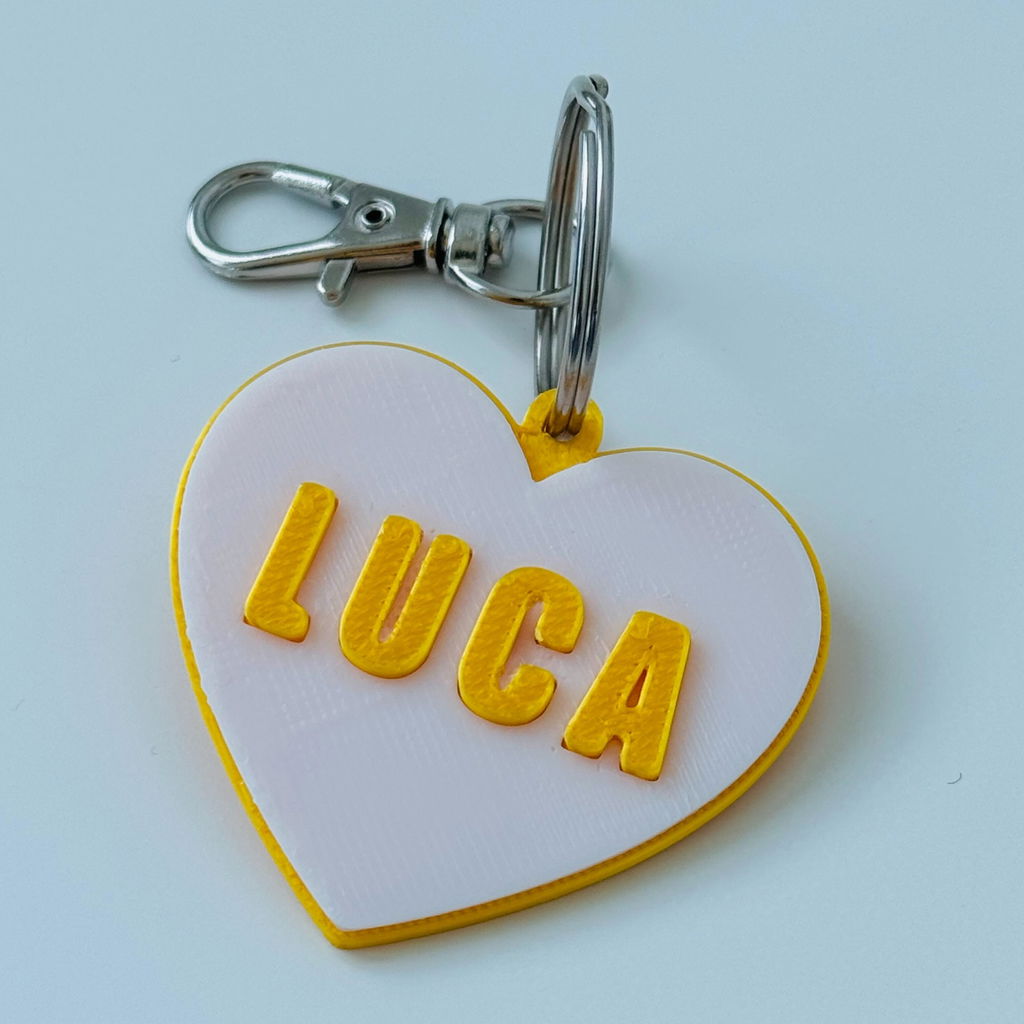
Golden Luca is pretty and it has my name and phone number on the flip side.
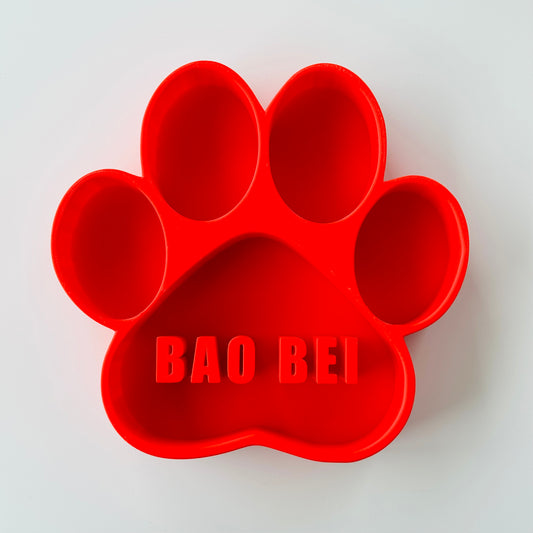
I bought it for Bao Bei to help him eat slower, also have a unique feeding bowl
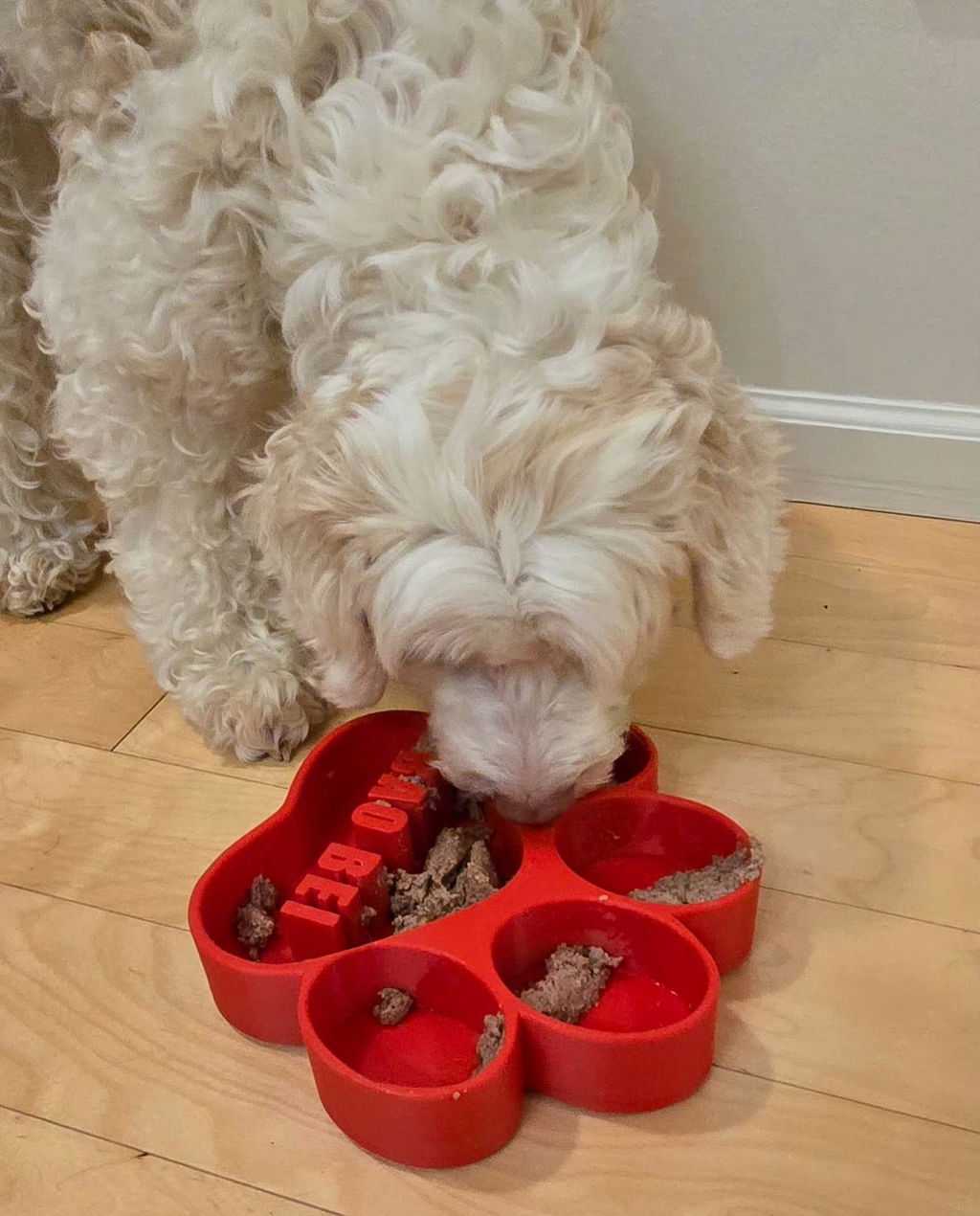
He is busy with it for hours and also I can fetch the toy when we want to spend time together
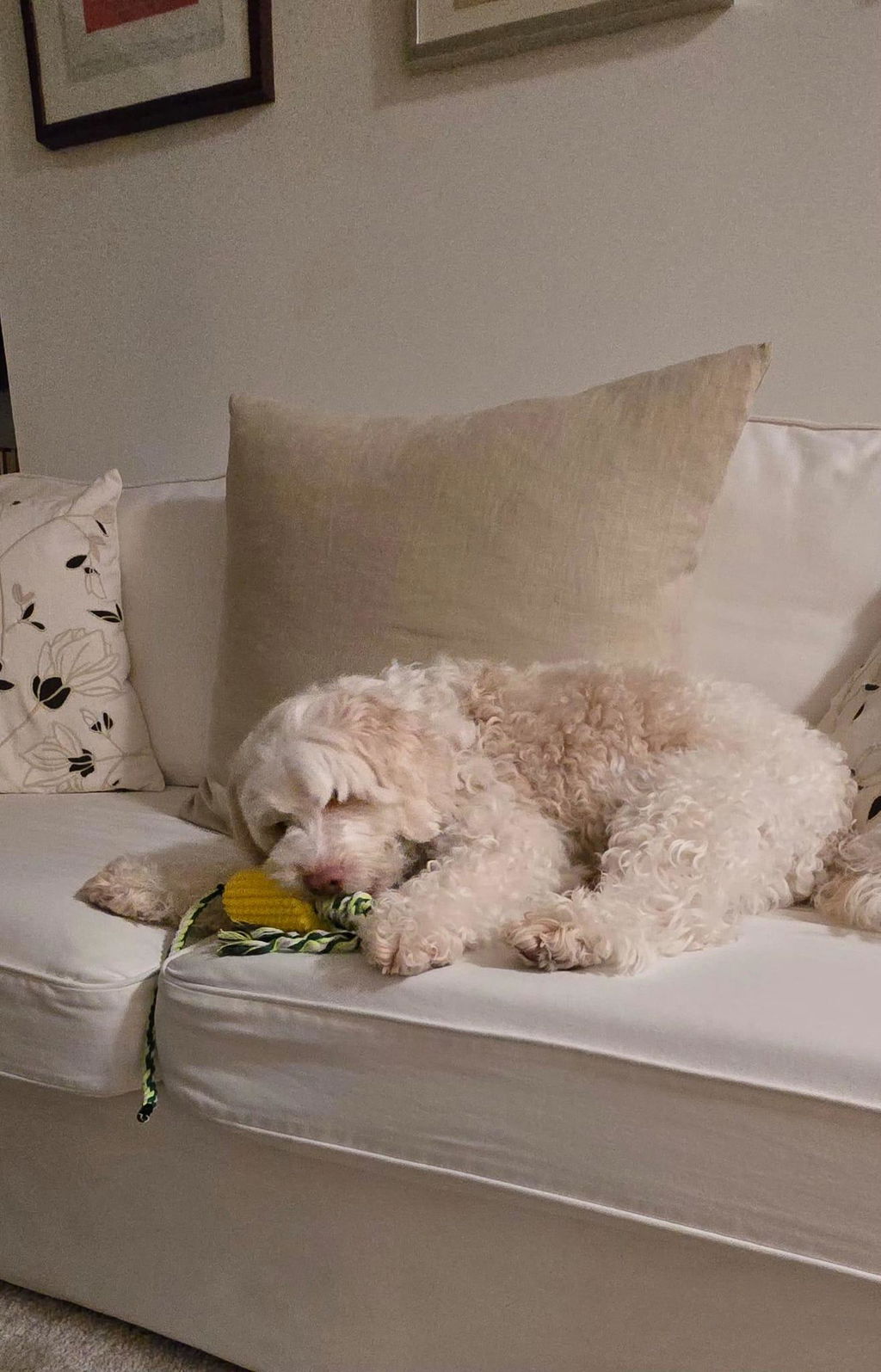
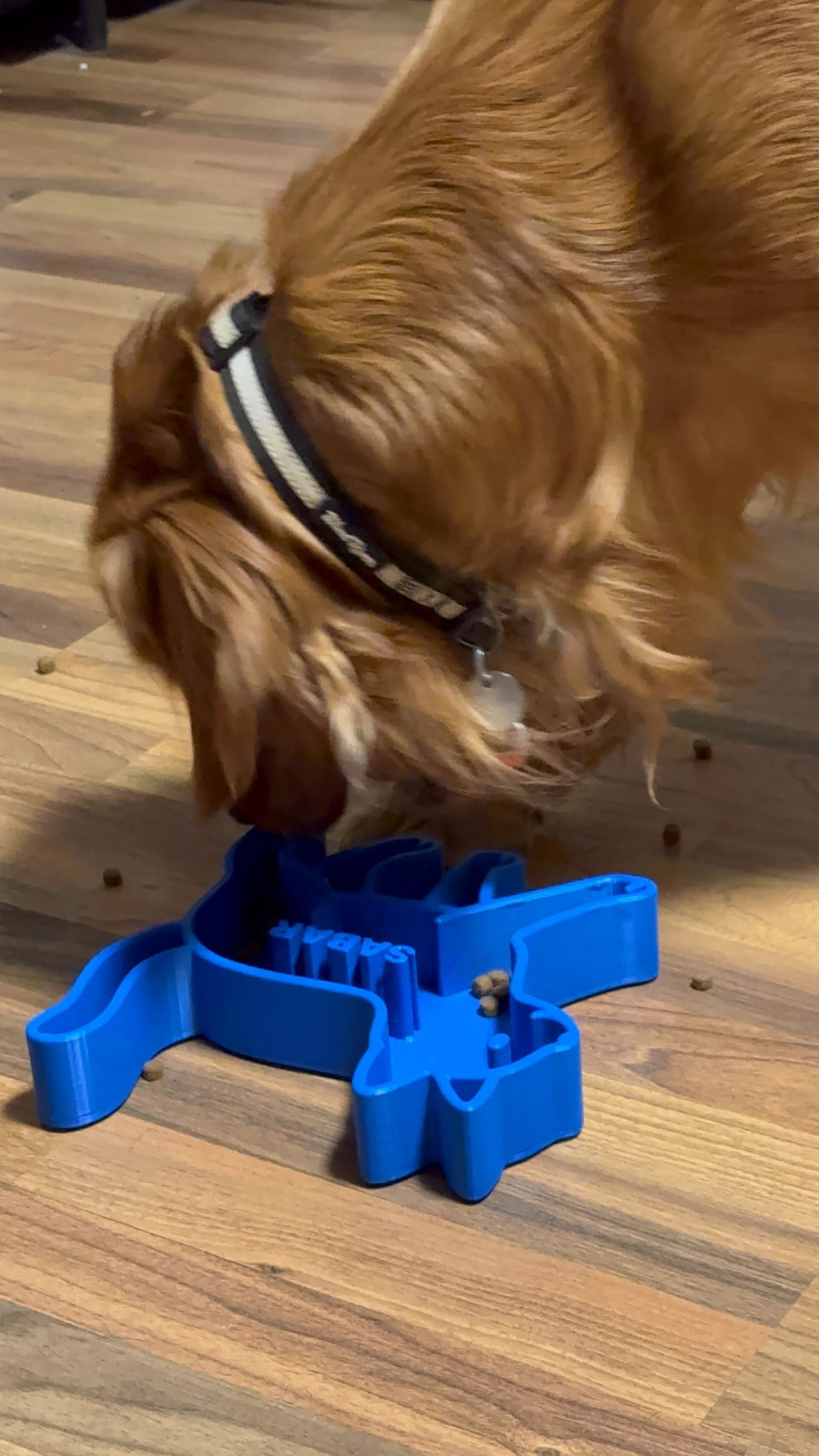
It made Sabar’s meal time more than double and I enjoy watching him eating from his unique bowl
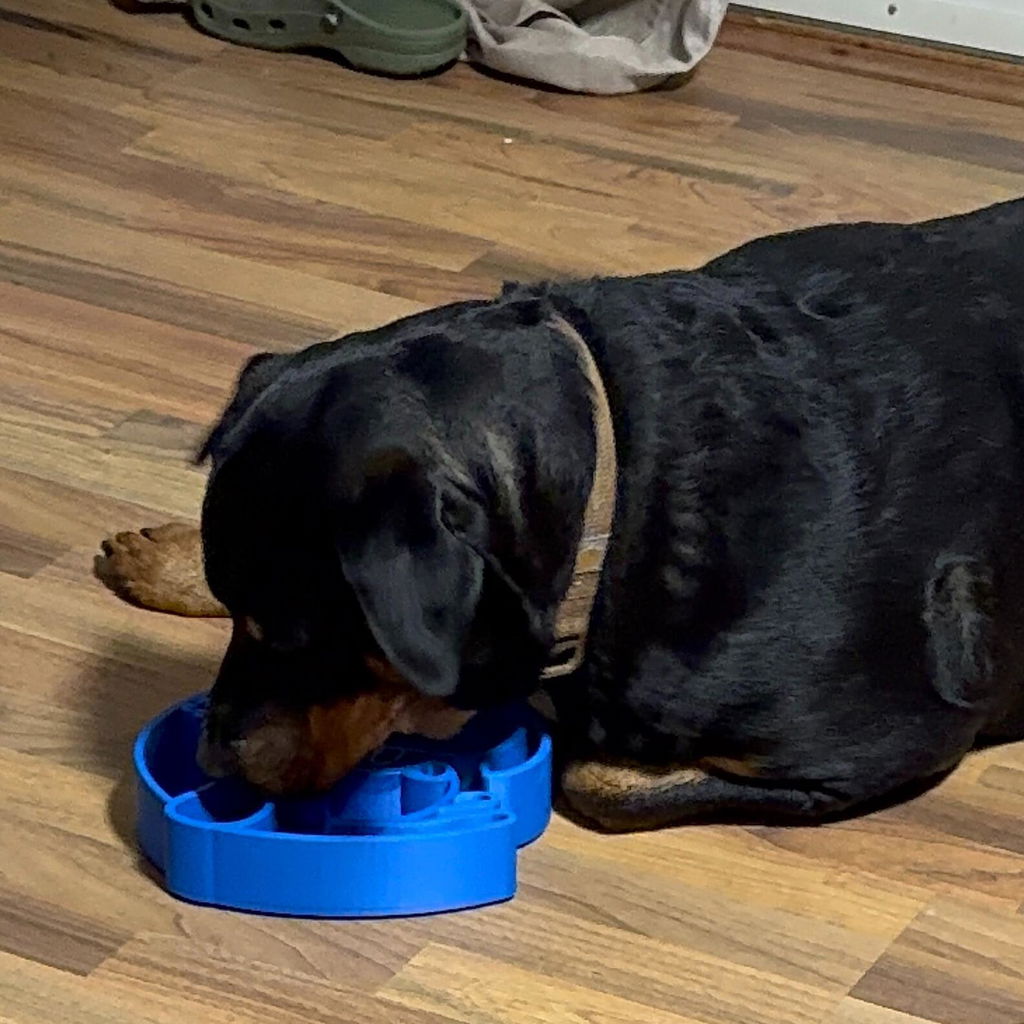
My paw was eating too fast and this bowl helped me to fix this problem
It can keep my cat's busy for a long time, but it should be under supervised I think. Long time playing with it can make them tired!
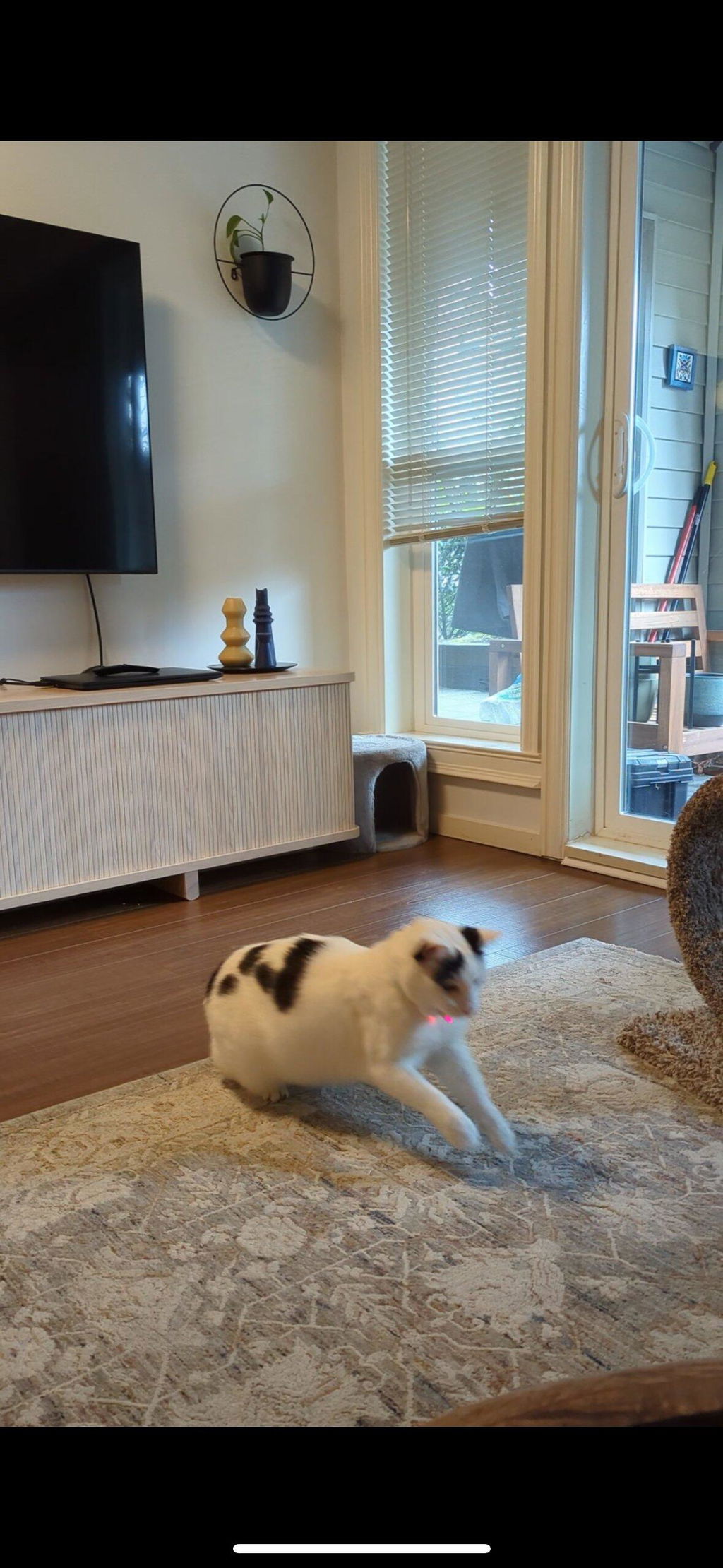
Maki playing with her ball. 😀
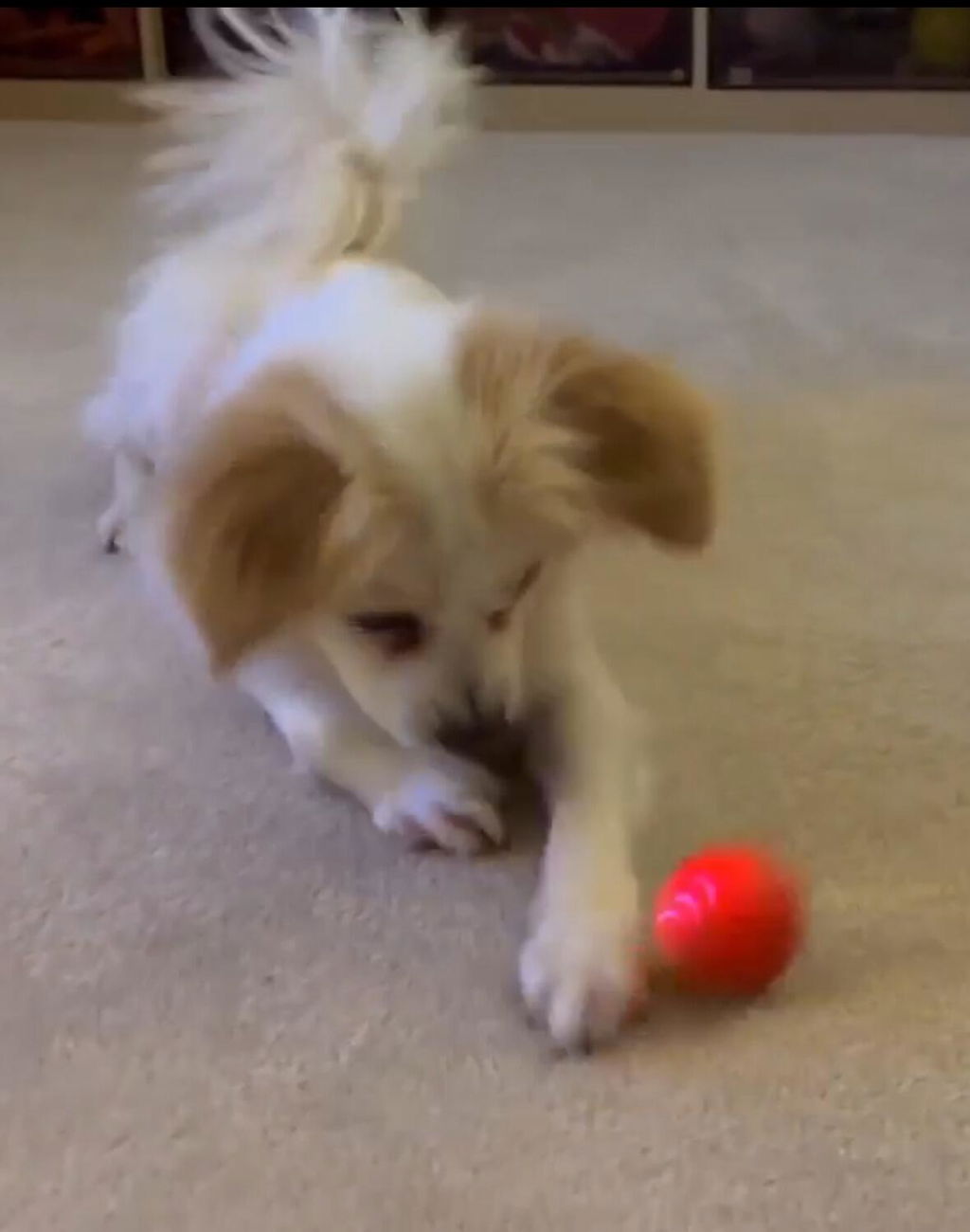
I'm using this stuff to keep my puppy busy and happy everyday.
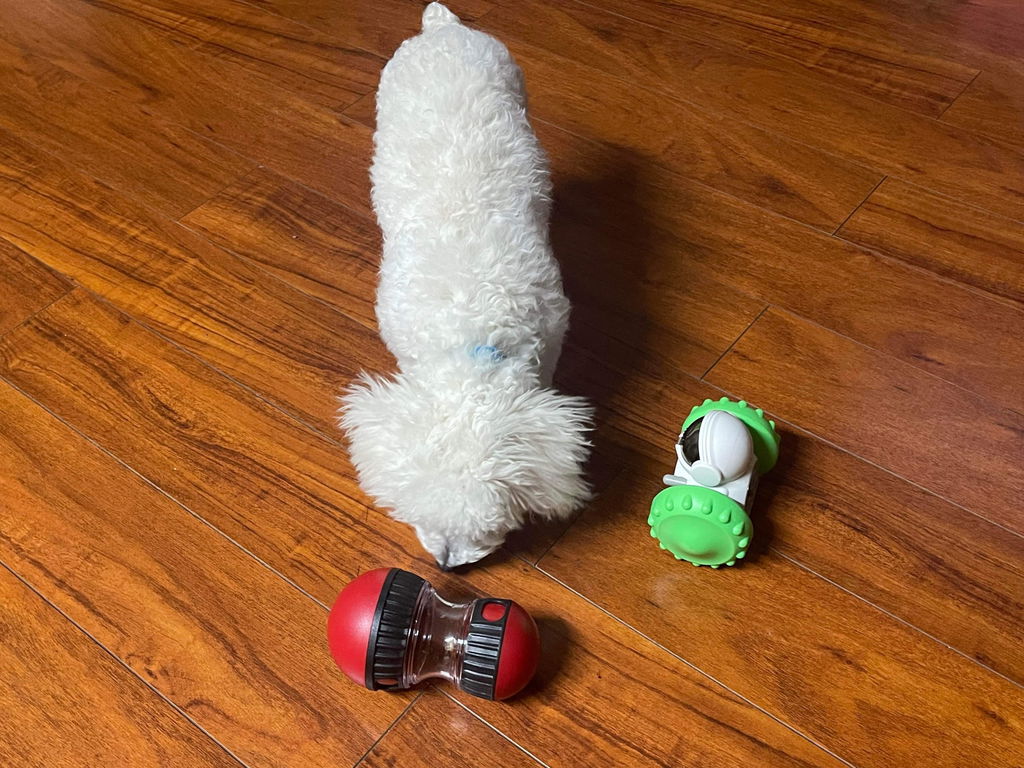
It keeps my puppy busy for more than 30 mins every time for a meal. and even after that she plays with it around as long as She get tired!
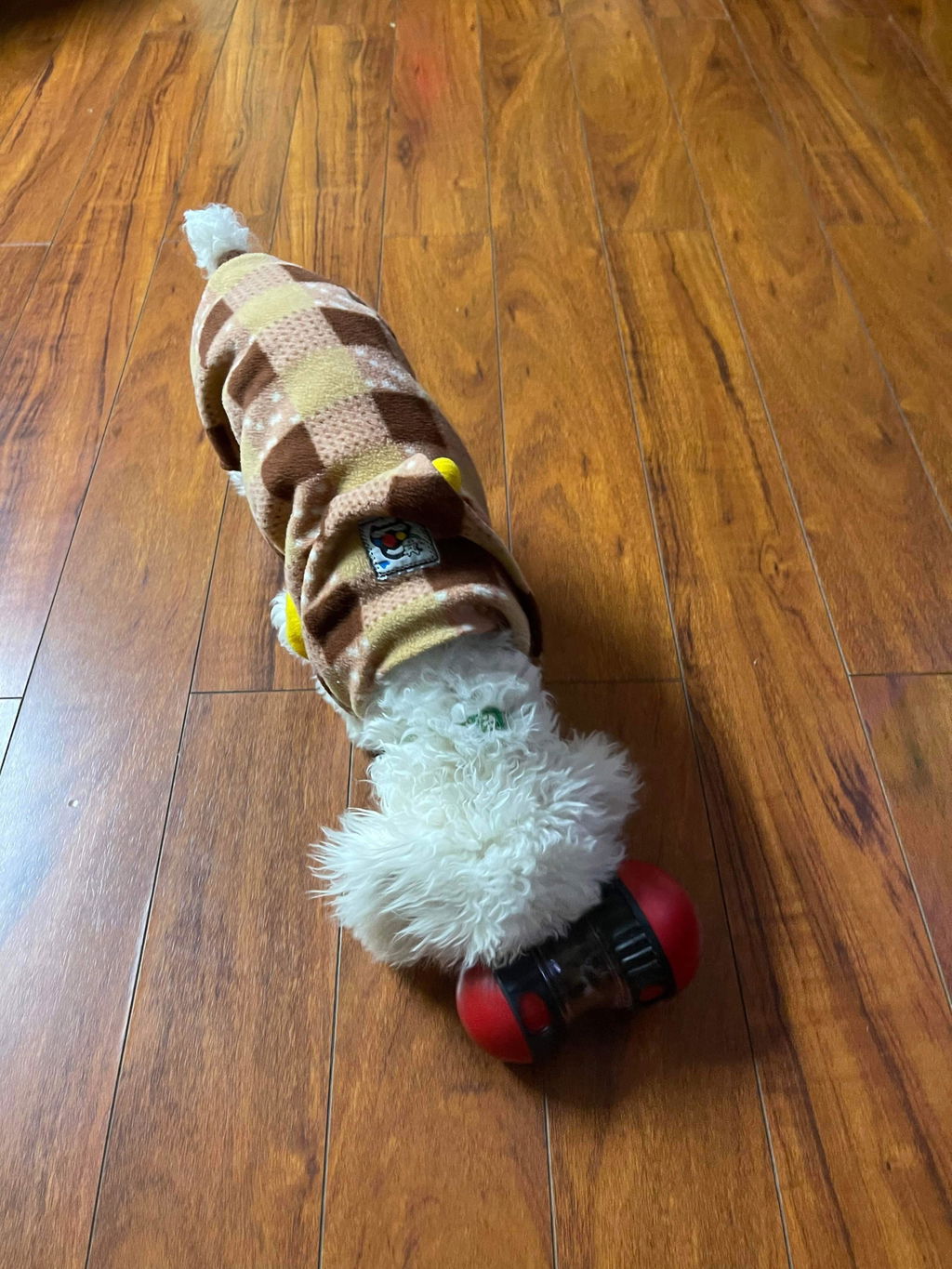
Fun "beginner level" toy. Works for cats too:)
Durable plastic, feels nice.
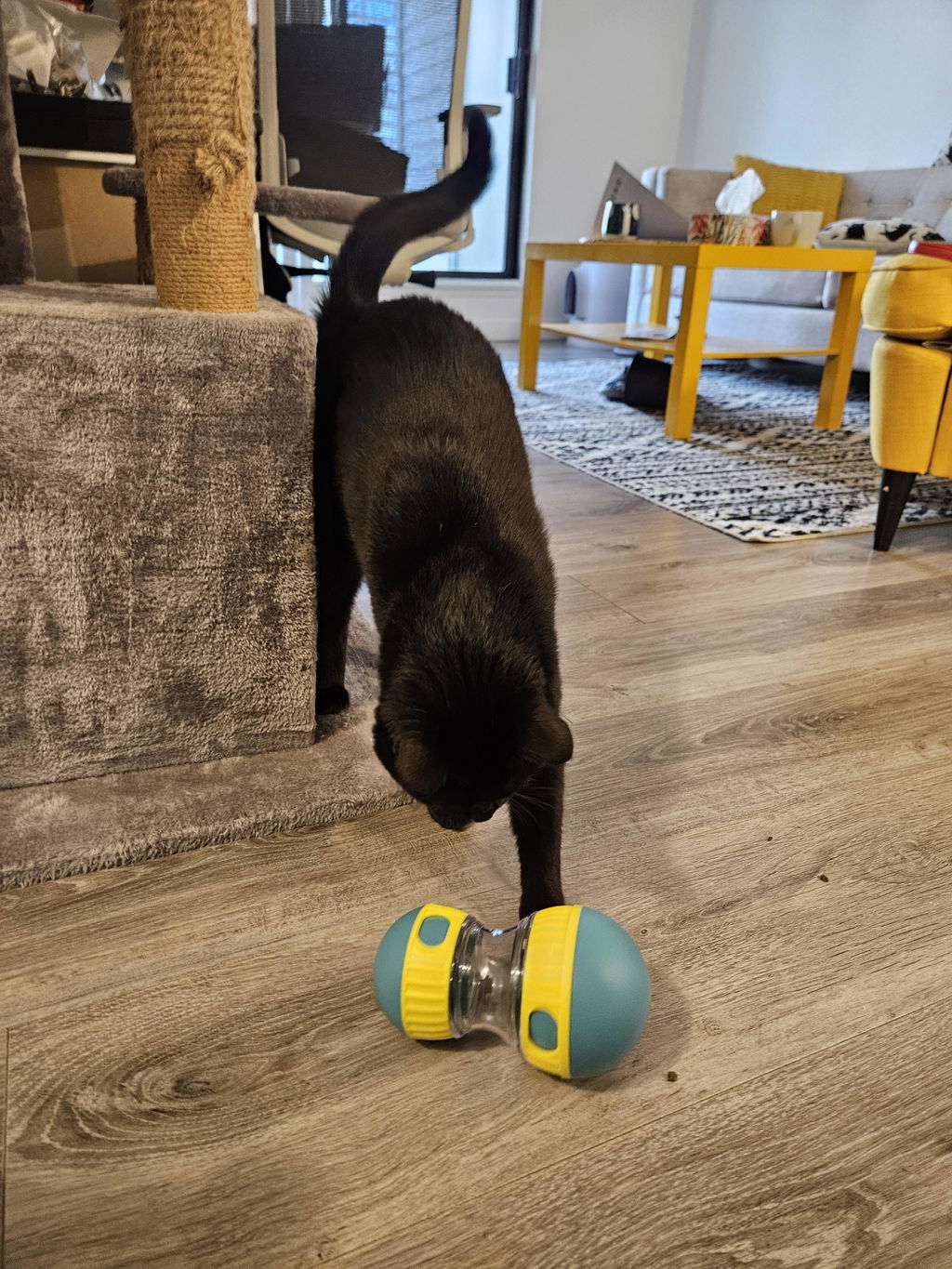
it is a bit hard on the walls but the cat just watches it. Does not interact with it. The ball works really well for what it is supposed to do.
If it was a bit softer the cat might enjoy it more.
I gave one to a neighbour who's dog loves it. She has a small dog so the size is just right.

Great bowl and such fun. Amazing the difference in time it now takes for my puppy to finish her meals. Much healthier for her! And she loves to play with it once it’s empty

Got this toy for my girl Archie and she absolutely loves it! It’s super durable, keeps her entertained for hours, and the treat dispenser is a fun bonus. Totally worth it

As soon as this ball comes out he gets very excited. The ball allows him to play by himself with the ball. His favourite toy by far.

The bone shape is super cute and simple, and makes mealtime fun for my pup. love it!