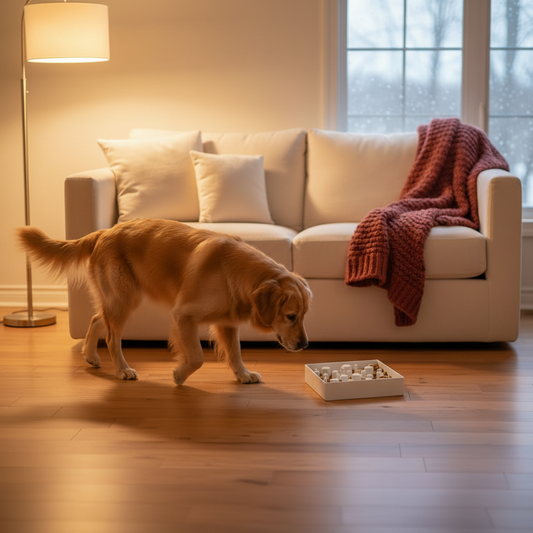
Interactive Cat Feeder for Mental Stimulation
Index
What is an interactive cat feeder for mental stimulation
Benefits of an interactive cat feeder for mental stimulation
How to choose an interactive cat feeder for mental stimulation
Daily routine tips with an interactive cat feeder for mental stimulation
Cats are natural hunters, even when they live a cozy indoor life in Vancouver apartments and family homes. When food arrives in a plain bowl every day, many cats miss out on the search, paws on, sniff and solve experience that keeps their brain busy. An interactive cat feeder for mental stimulation turns meals into a small challenge, more like real life hunting. It is a simple change that can support calmer behavior, healthier eating speed, and a happier home.
At Petsun, we love enrichment that feels easy for pet parents. If you already shop for interactive dog toys, slow feeders, chew toys, or puzzle feeders for dogs, you will recognize the same idea here: letting pets work for rewards in a safe and fun way. Cat enrichment is just as important, and it can be part of daily feeding, not an extra chore.
What is an interactive cat feeder for mental stimulation
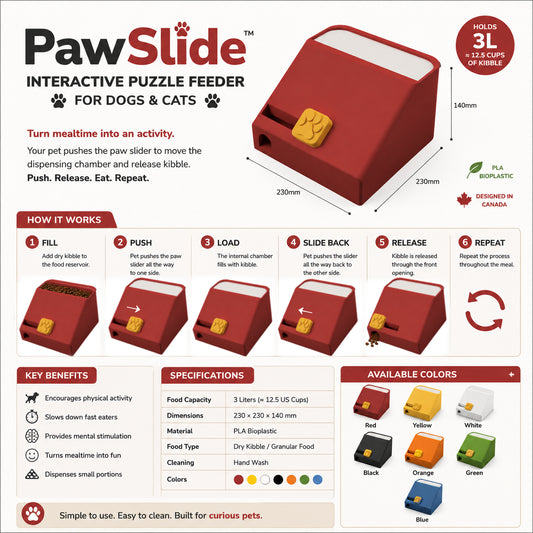
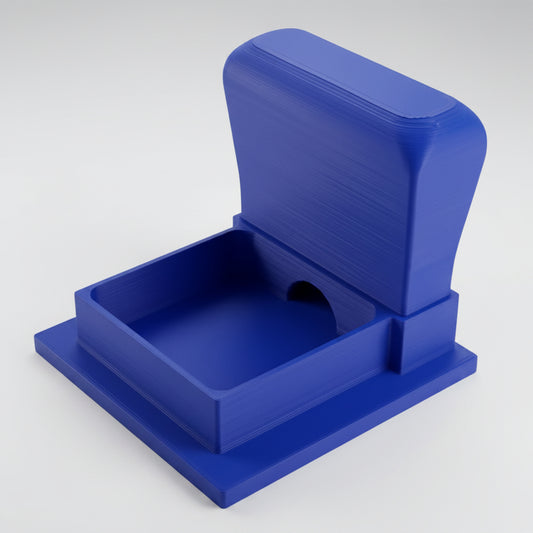
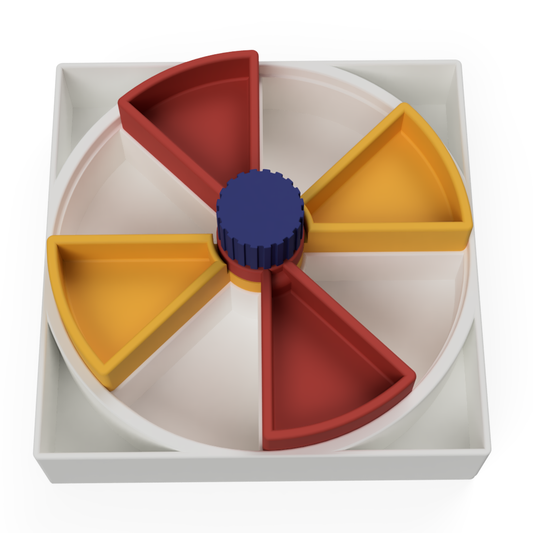
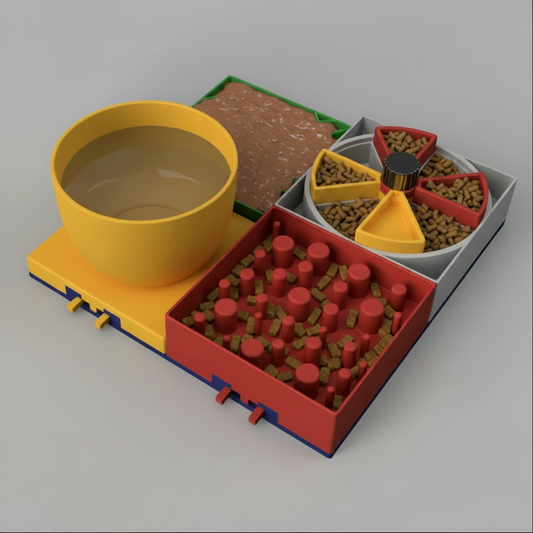
An interactive cat feeder is a feeding tool that makes your cat think and act before getting food. Instead of eating in seconds, your cat has to nudge, paw, roll, or lick to release kibble or treats. Many designs use small chambers, sliding covers, maze patterns, or gentle obstacles. This is why they are often called puzzle feeders or slow feeders.
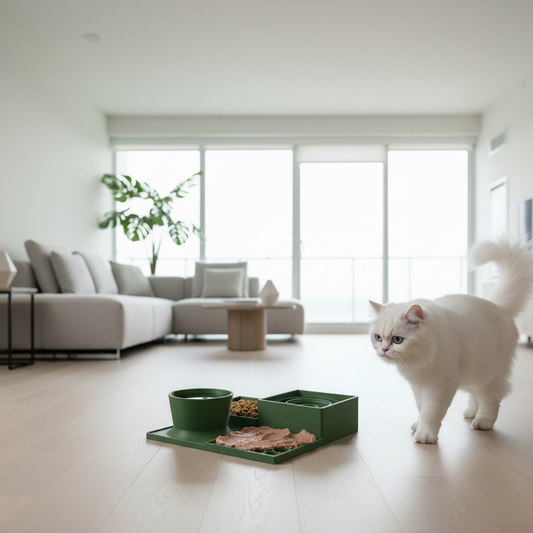
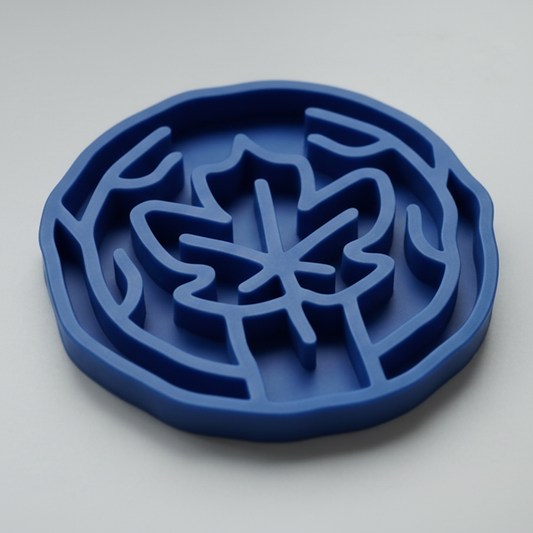
Some feeders are best for dry kibble, some work with treats, and a few are designed for wet food with lickable grooves. The goal is not to frustrate your cat. The goal is to give a doable problem your cat can solve with practice.

Benefits of an interactive cat feeder for mental stimulation
Using an interactive cat feeder for mental stimulation helps in more ways than just entertainment. Here are common benefits pet parents report when they switch from a basic bowl to a puzzle style routine.
| Goal | How an interactive cat feeder helps | Best match feeder style |
|---|---|---|
| Slower eating | Reduces gulping and boredom eating | Maze bowl or groove feeder |
| More daily enrichment | Adds a short hunting game to each meal | Slider puzzle board |
| Less nuisance behavior | Gives mental work that can reduce attention seeking | Treat dispenser roller |
| Support weight goals | Encourages pacing and portion control | Slow feeder bowl with measured portions |
| Confidence building | Rewards problem solving, great for shy cats | Beginner easy puzzle tray |
If you are building a full enrichment plan, you can mix feeding puzzles with other brain games. Our Mental Stimulators collection is a great place to start for cats and dogs. Many pet parents shop for dog enrichment and then realize their cat also needs daily challenges.
How to choose an interactive cat feeder for mental stimulation
Choosing the right feeder depends on your cat personality, diet type, and skill level. A very food motivated cat can handle more challenge. A cautious cat may need a slow step up.
- Start easy with wide openings or simple sliders, then increase difficulty.
- Pick the right size so kibble fits and releases smoothly.
- Think about noise if you live in a condo. Soft silicone or board puzzles are quieter than hard rollers.
- Choose easy cleaning so you can wash it often, especially if treats are sticky.
If you want a feeder option that also suits dogs in multi pet homes, explore our Dogs and Cats Feeders collection. Many puzzle feeders and slow feeders work well across species with the right portion and difficulty.

Daily routine tips with an interactive cat feeder for mental stimulation
Consistency matters more than complexity. A simple routine can create a calmer, more predictable day for your cat.
- Use part of the meal in the interactive feeder and the rest in a regular bowl, especially at the beginning.
- Keep sessions short. Ten to fifteen minutes is enough for many cats. If your cat walks away, lower the difficulty.
- Rotate challenges every few days. This keeps the brain engaged without needing dozens of toys.
- Pair with play. A wand toy session before feeding often boosts hunting drive and interest in puzzle feeders.
On busy weeks, you can also add quick enrichment gifts like a new treat puzzle or a feeder that matches your home style. If you are shopping for a cat gift, dog gift, or even a personalized gift for a pet loving friend, browse our Gifts for Dogs and Cats collection for options that feel thoughtful and useful.
Interactive feeding is not just about food. It is about giving your cat a job to do, a win to earn, and a way to express natural instincts indoors. If you want to make your cat day a little richer, start with one interactive cat feeder for mental stimulation and build from there. Your cat is counting on you for comfort and challenge, and Petsun is here to help you do both.
Your cat deserves more than another quick meal. Give them a daily moment of focus, curiosity, and confidence. Visit Petsun home page and choose an interactive feeder that turns feeding time into bonding time.
Frequently Asked Questions
Do interactive cat feeders really help with mental stimulation
Yes. Puzzle feeders encourage cats to sniff, paw, and problem solve. This supports daily brain work that can reduce boredom and add healthy enrichment, especially for indoor cats.
How do I introduce an interactive cat feeder without frustrating my cat
Start with an easy design and place a few pieces of kibble on top so your cat gets quick wins. Gradually increase difficulty over several days and keep sessions short. If your cat quits, simplify the puzzle.
Can I use an interactive cat feeder for a cat that eats too fast
Yes. Slow feeders and puzzle feeders can reduce fast eating by creating small obstacles. Measure portions, monitor your cat at first, and choose a design that releases food smoothly without creating stress.
Let customers speak for us
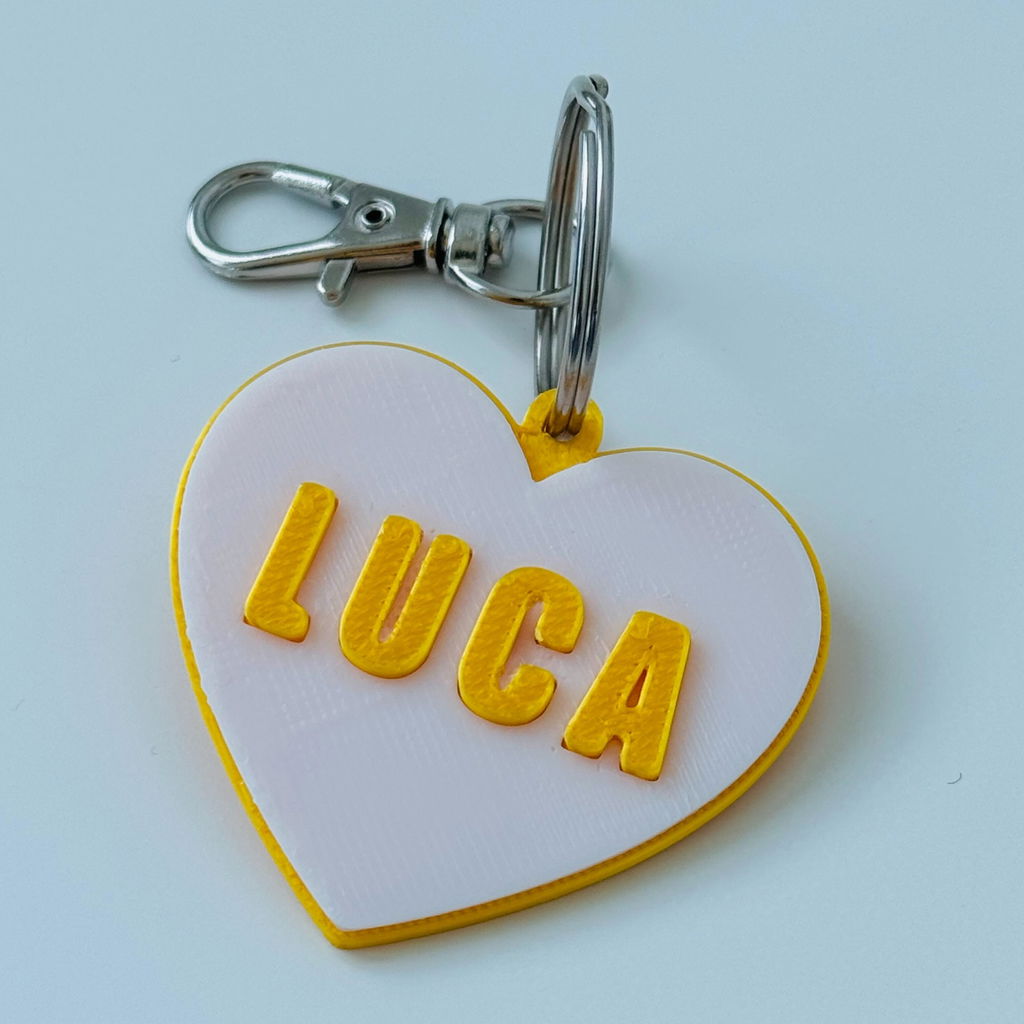
Golden Luca is pretty and it has my name and phone number on the flip side.
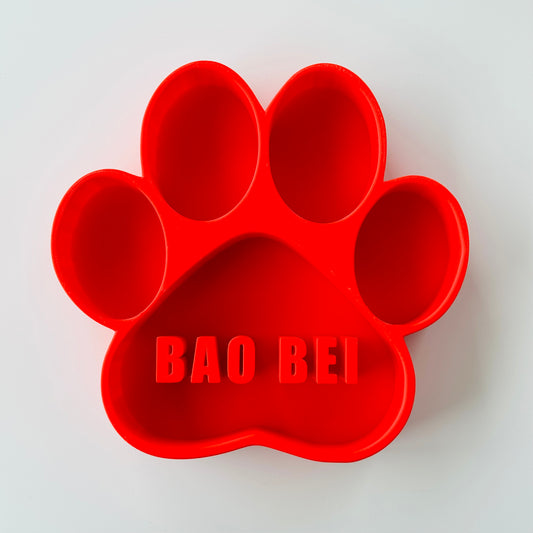
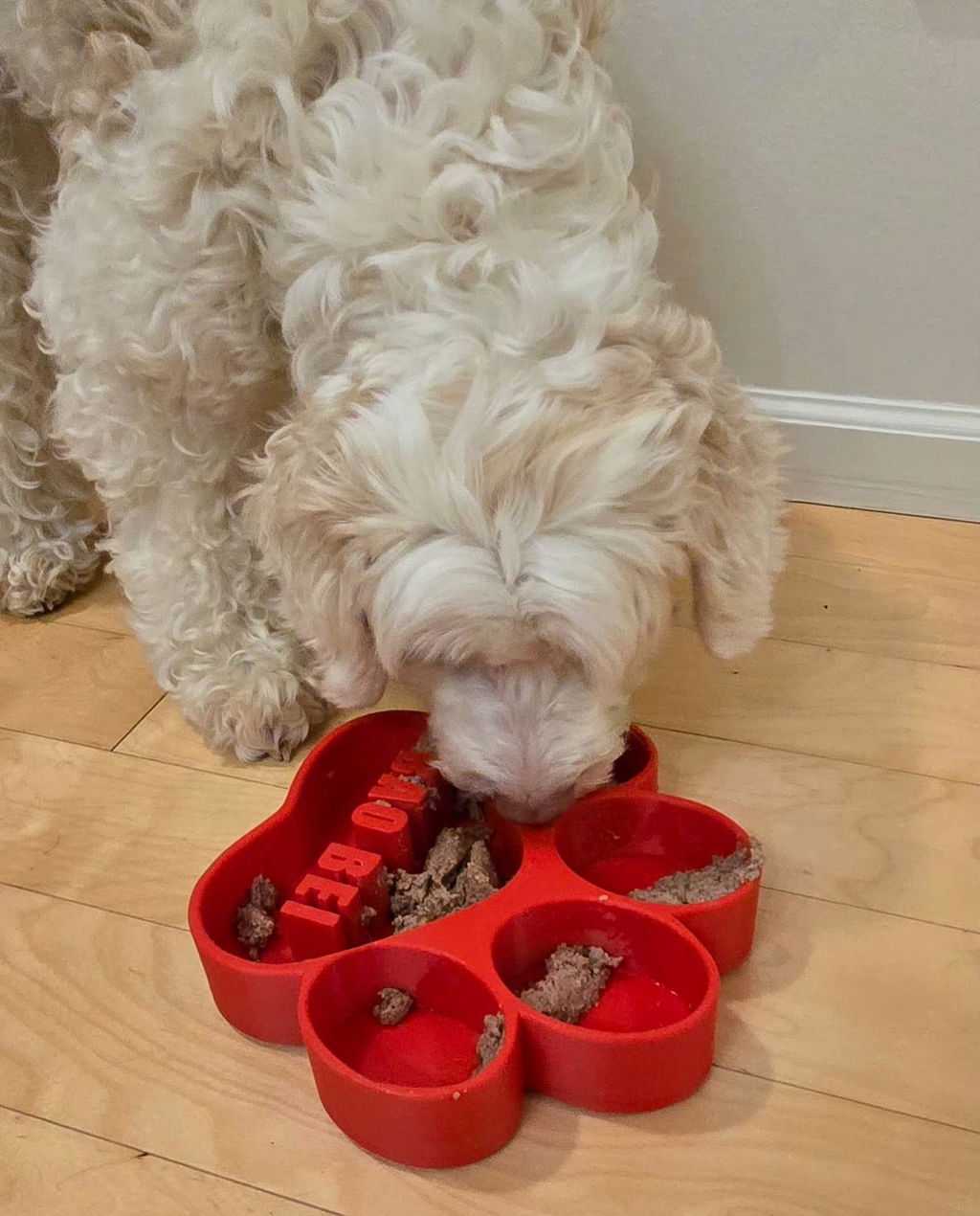
I bought it for Bao Bei to help him eat slower, also have a unique feeding bowl
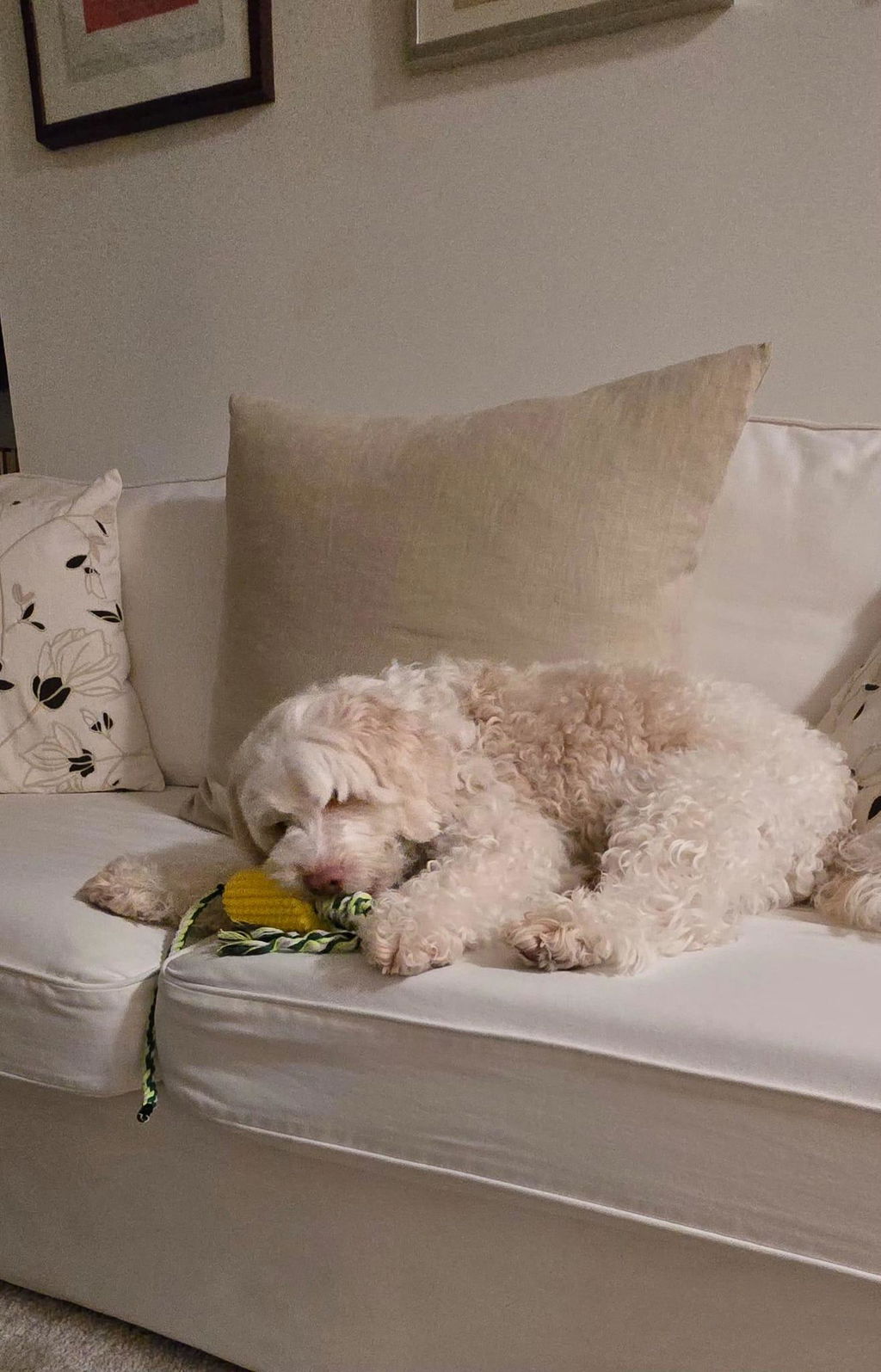
He is busy with it for hours and also I can fetch the toy when we want to spend time together
It made Sabar’s meal time more than double and I enjoy watching him eating from his unique bowl
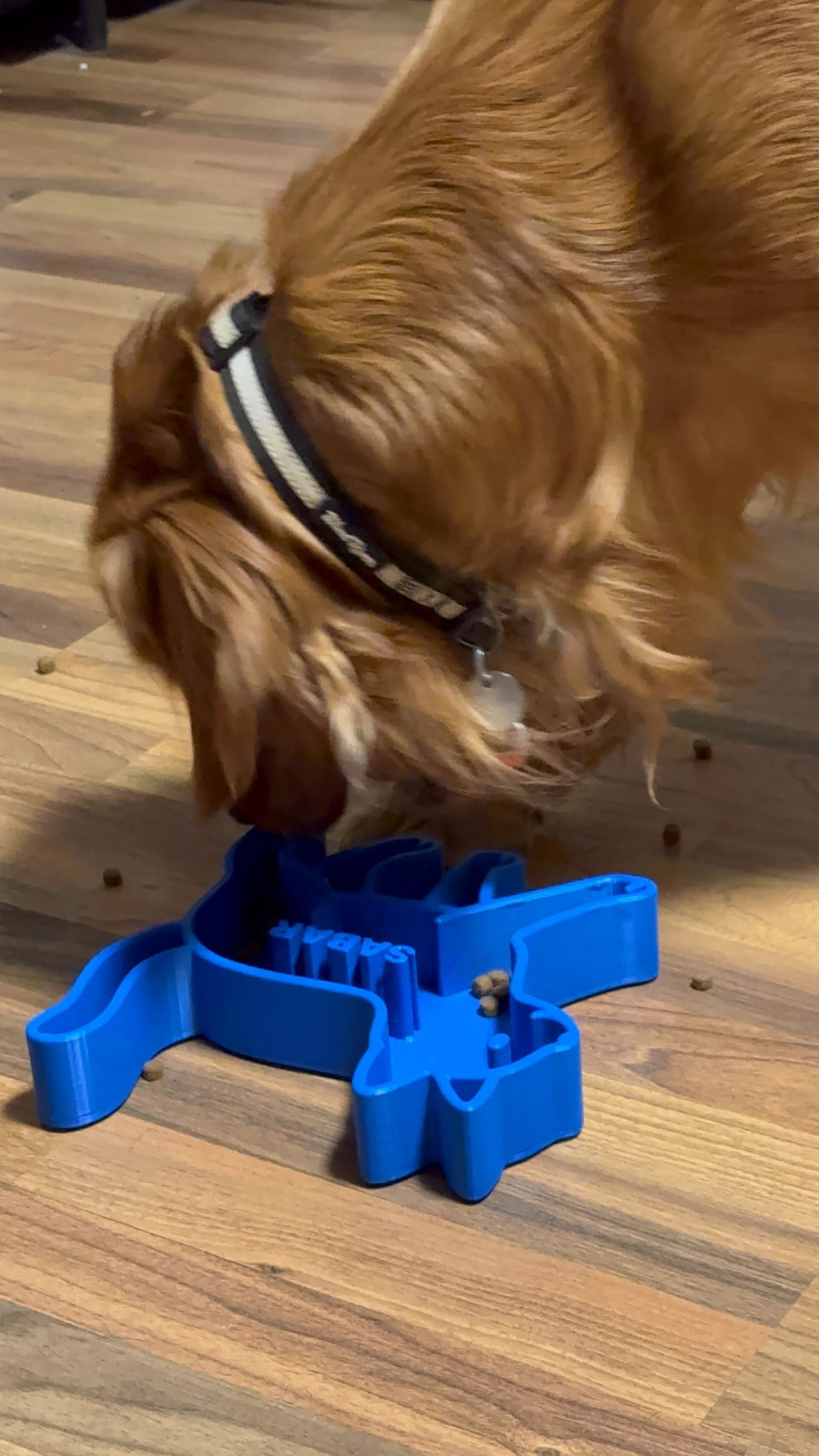
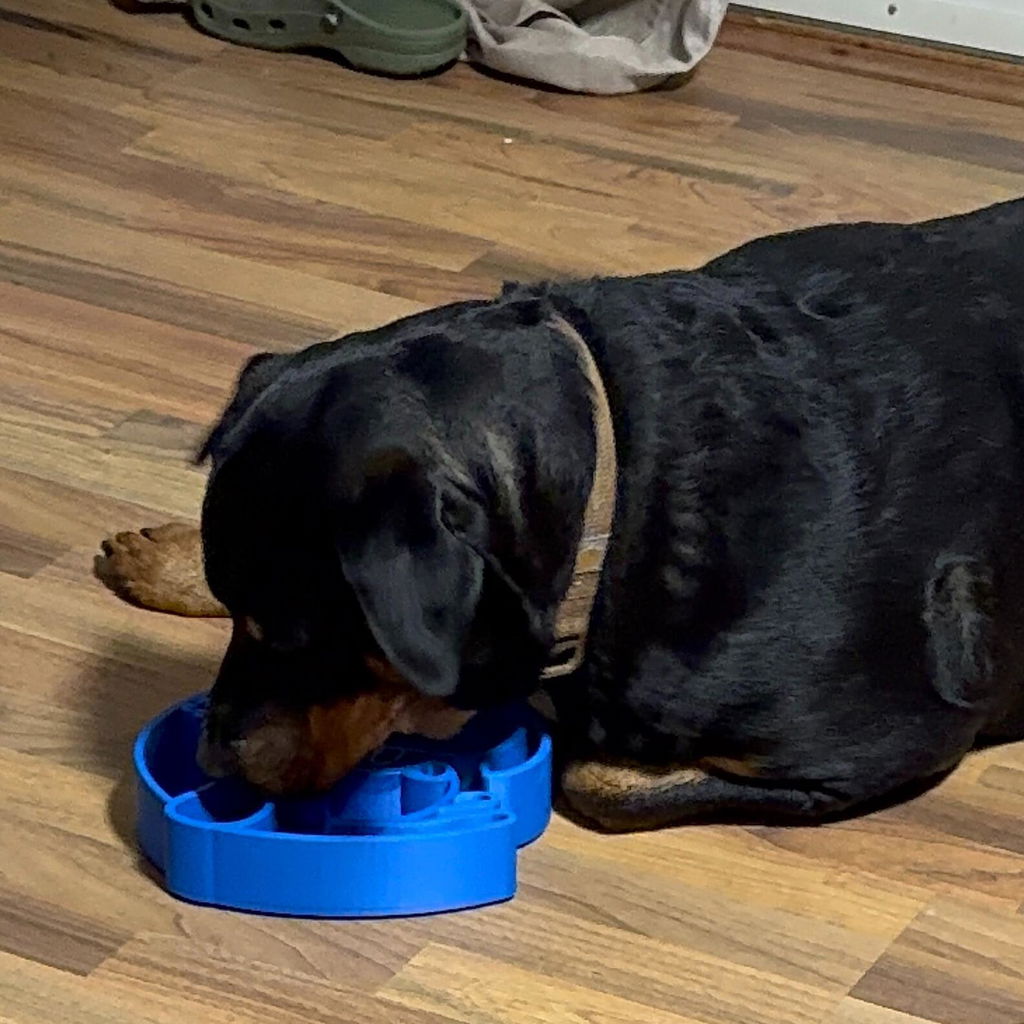
My paw was eating too fast and this bowl helped me to fix this problem
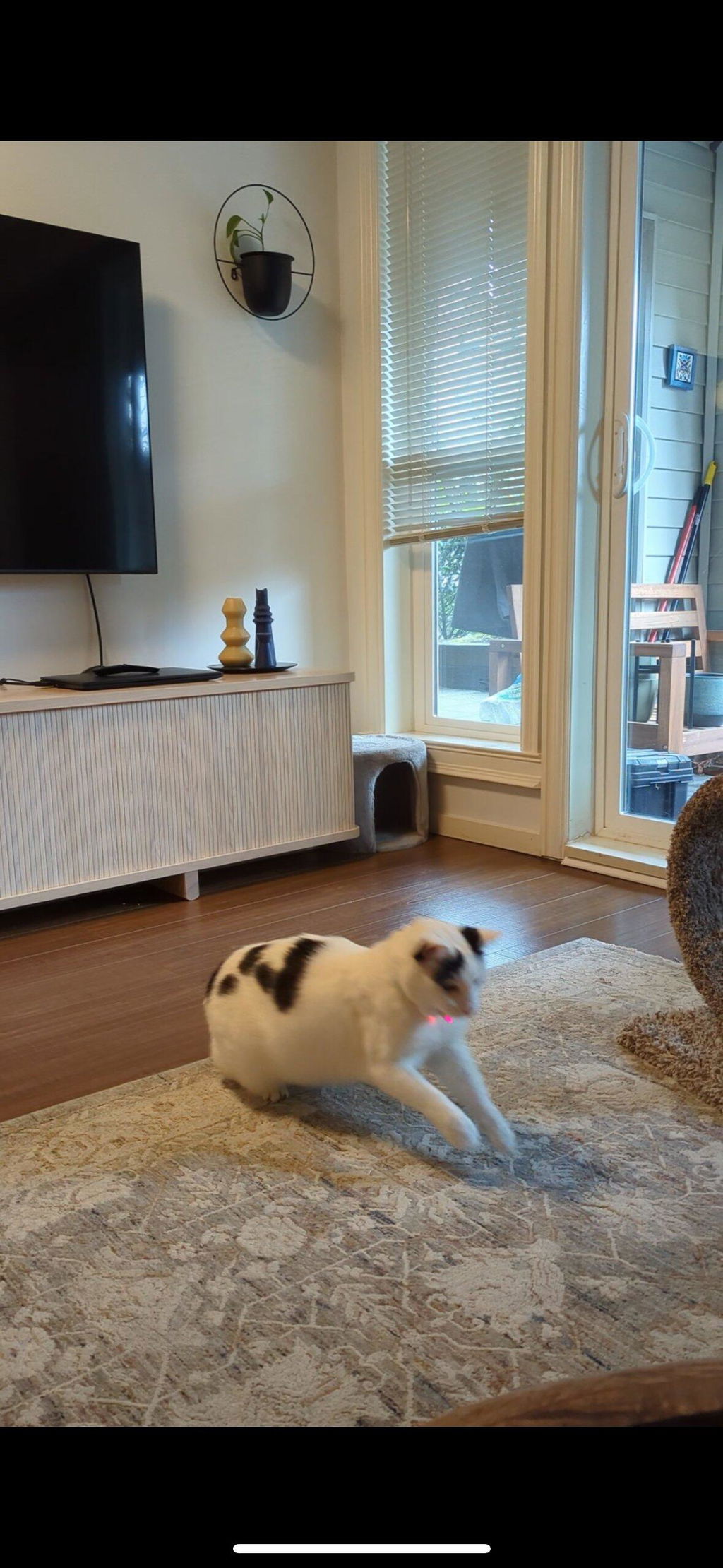
It can keep my cat's busy for a long time, but it should be under supervised I think. Long time playing with it can make them tired!
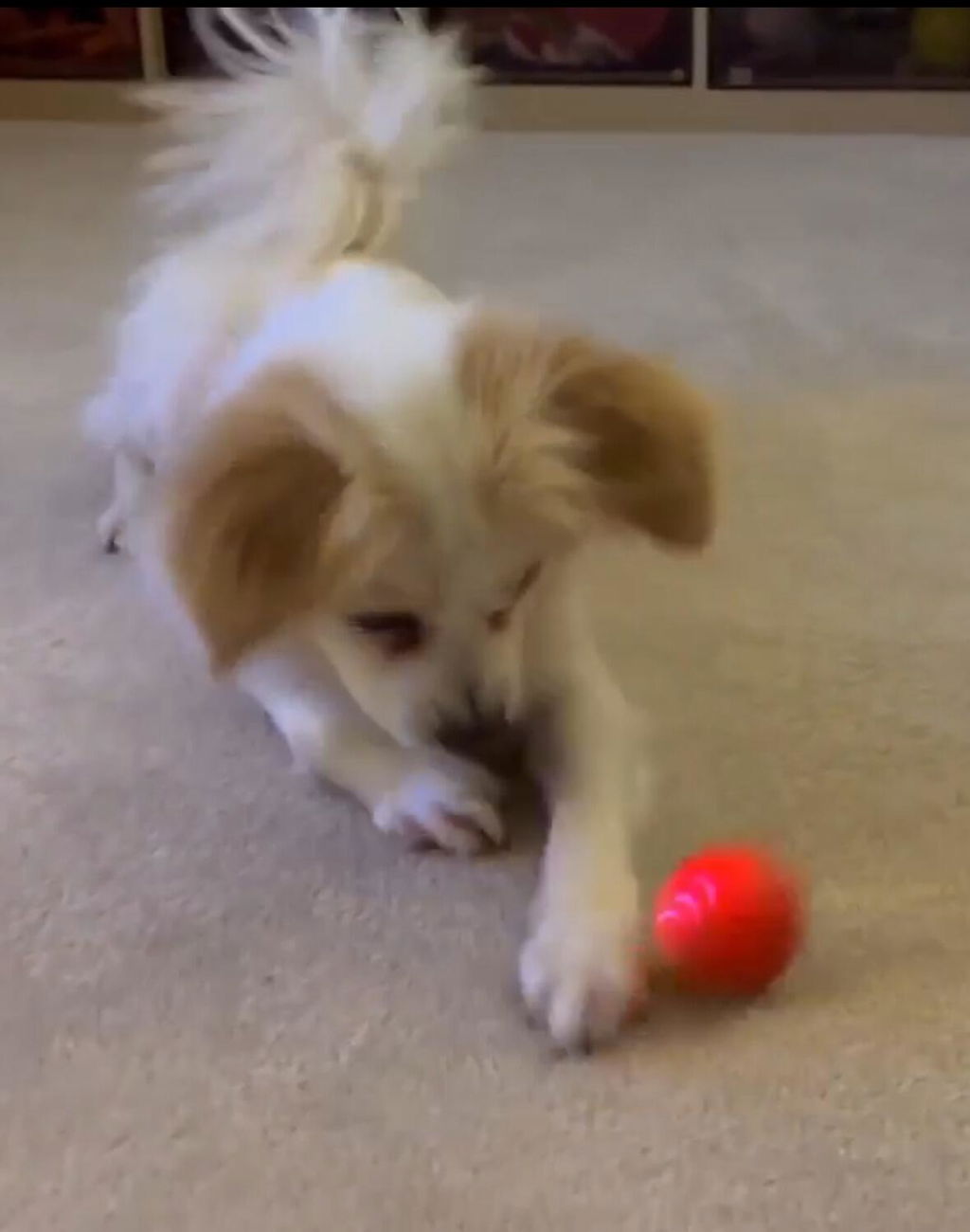
Maki playing with her ball. 😀
I'm using this stuff to keep my puppy busy and happy everyday.
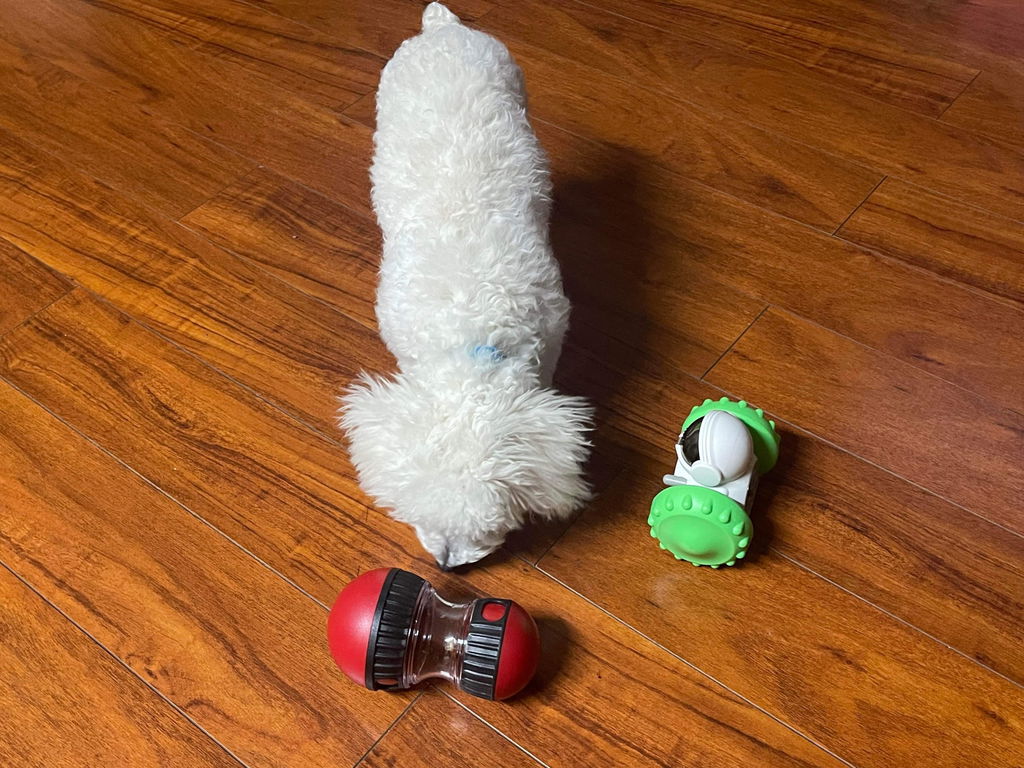
It keeps my puppy busy for more than 30 mins every time for a meal. and even after that she plays with it around as long as She get tired!
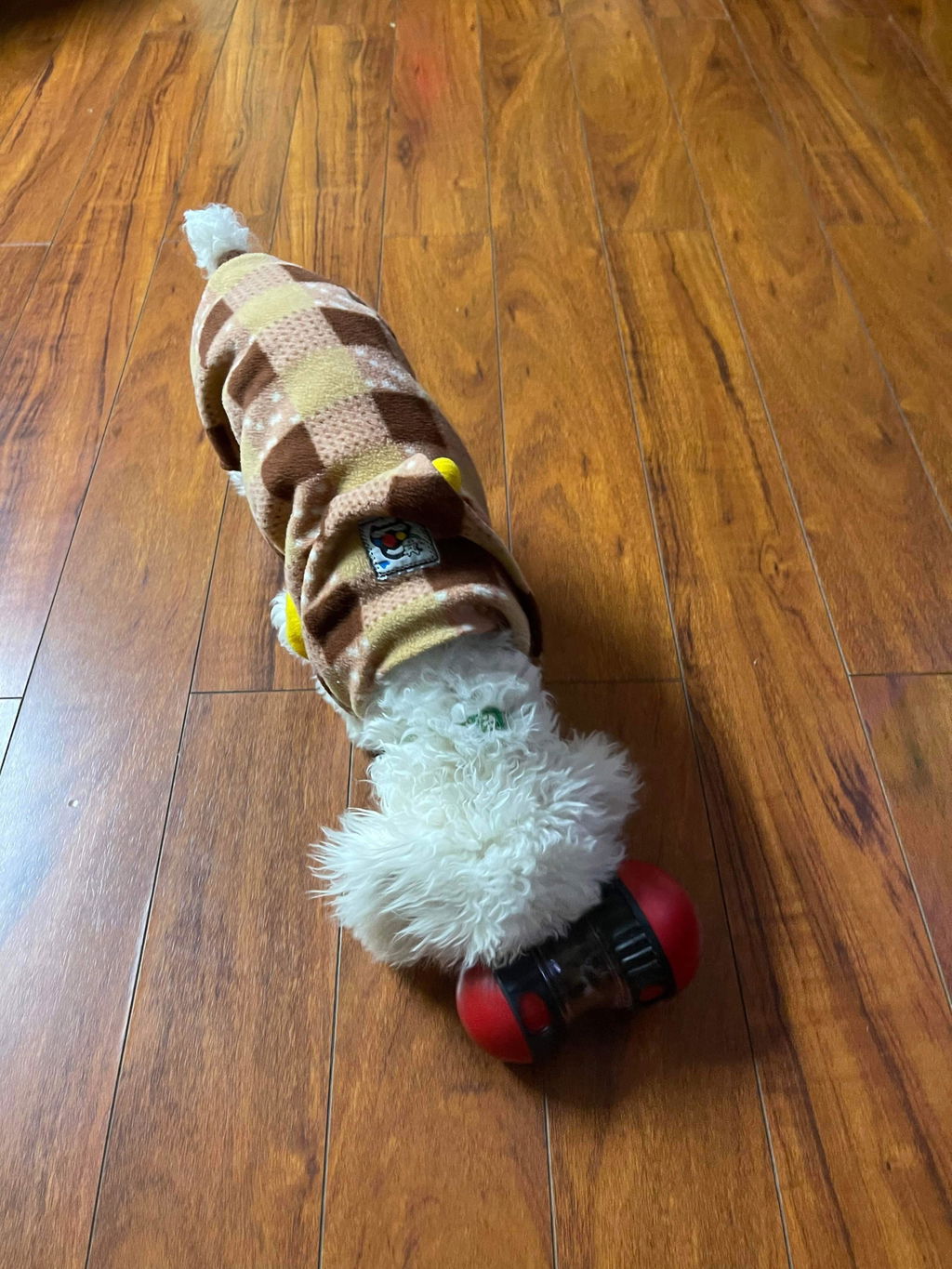
Fun "beginner level" toy. Works for cats too:)
Durable plastic, feels nice.
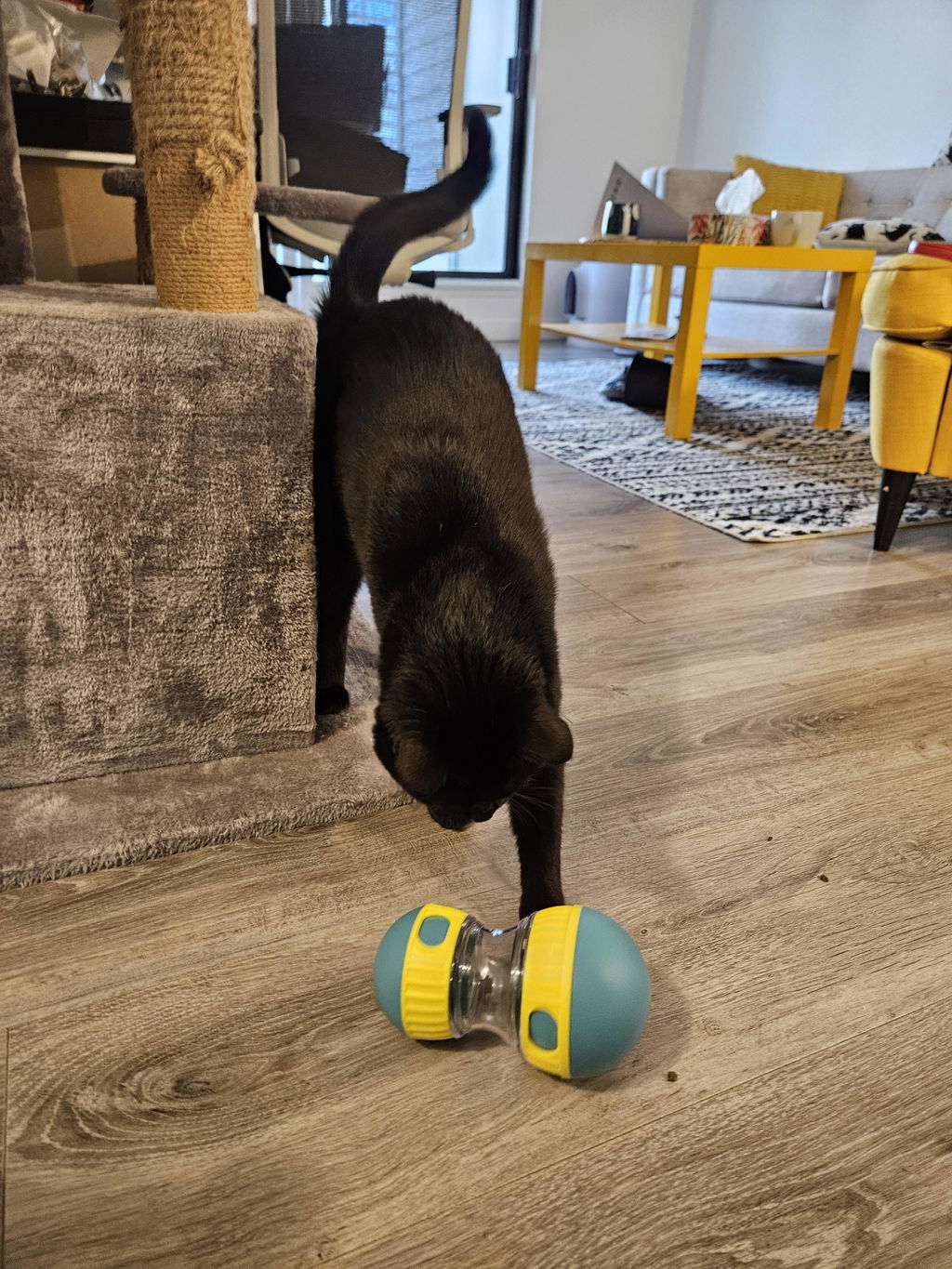
it is a bit hard on the walls but the cat just watches it. Does not interact with it. The ball works really well for what it is supposed to do.
If it was a bit softer the cat might enjoy it more.
I gave one to a neighbour who's dog loves it. She has a small dog so the size is just right.

Great bowl and such fun. Amazing the difference in time it now takes for my puppy to finish her meals. Much healthier for her! And she loves to play with it once it’s empty

Got this toy for my girl Archie and she absolutely loves it! It’s super durable, keeps her entertained for hours, and the treat dispenser is a fun bonus. Totally worth it

As soon as this ball comes out he gets very excited. The ball allows him to play by himself with the ball. His favourite toy by far.

The bone shape is super cute and simple, and makes mealtime fun for my pup. love it!