The cat food puzzle that reduces overeating
Index
The cat food puzzle that reduces overeating
How cat food puzzle feeders work
Some cats eat like it is their full time job. They sprint to the bowl, inhale kibble, then look up like they have not been fed in days. If you are trying to manage weight, begging, or those 3 a.m. wake up calls, a simple tool can make a real difference: the cat food puzzle.
A cat food puzzle turns meals into a small hunt. Instead of one fast bowl, your cat has to tap, paw, or nudge for each bite. That tiny bit of effort slows eating and adds mental work. It is one of the easiest forms of cat enrichment, and it often reduces overeating without making your cat feel punished.
The cat food puzzle that reduces overeating by slowing the meal
Overeating is not always about hunger. Cats may eat quickly because eating is exciting, because they are bored, or because they learned to compete with other pets. A puzzle feeder changes the pattern. It adds time and effort, which helps your cat notice they are full.
Many pet parents notice less scarf and barf, fewer demands for seconds, and a calmer mood after meals. The best part is that it feels like a game to your cat, not a diet plan. This is why puzzle feeders fit naturally into both weight management and daily cat enrichment.

How cat food puzzle feeders work to reduce overeating
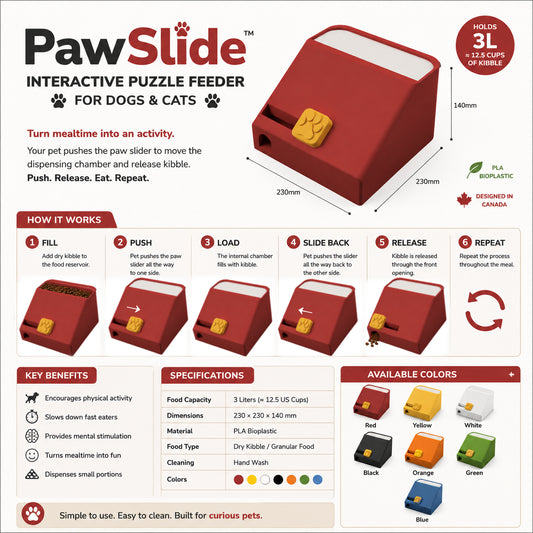
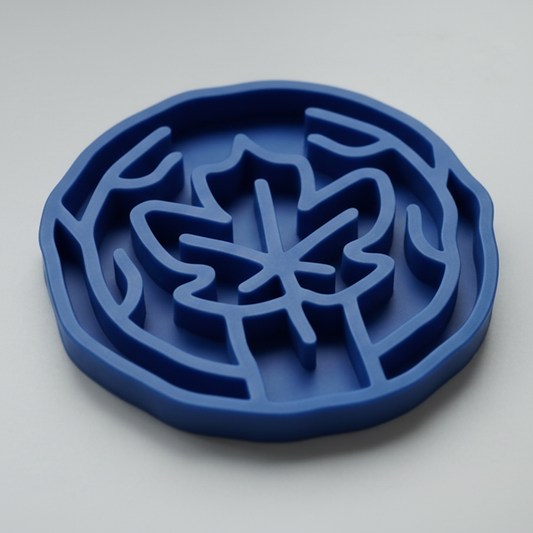
A cat food puzzle usually works in one of three ways. Some are maze style bowls that make your cat eat around ridges. Some are treat ball styles that release kibble slowly as they roll. Others are tray puzzles that require lifting lids or sliding parts with paws. Each style creates pauses, and those pauses are what help reduce overeating.
This is similar to slow feeders, but with a higher level of mental challenge. You will also see these tools described as puzzle feeders or mental stimulators. They are a safe form of daily work, much like interactive dog toys support dog enrichment. Cats benefit from the same concept, just with cat friendly movement and reward timing.
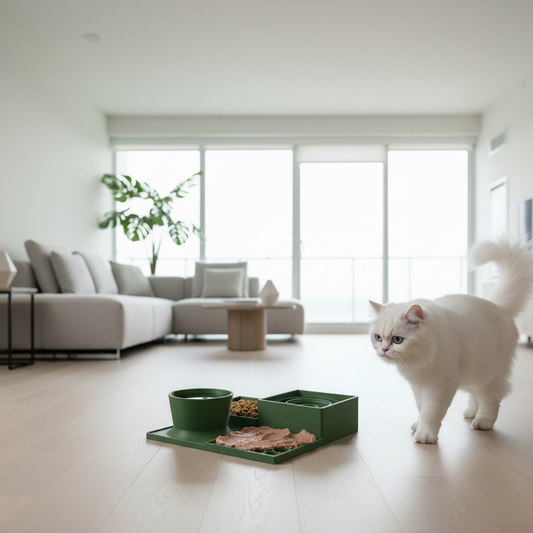
If you have multiple pets, puzzle feeding can also reduce stress. One cat tends to guard the bowl? A puzzle feeder slows that cat down, which can give a shy cat more time to eat from their own station.
| Cat food puzzle type | Best for | How it helps reduce overeating | Simple tip |
|---|---|---|---|
| Maze style slow feeder bowl | Fast eaters and beginners | Creates small bites and pauses | Start with a wider pattern |
| Rolling kibble dispenser | High energy cats | Makes your cat work for each piece | Use on a non slip mat |
| Tray puzzle with sliders | Smart, curious cats | Slows eating with problem solving | Begin with easy open sections |
| Wet food lick mat style puzzle | Wet food meals | Extends eating time through licking | Spread food thin for best results |
How to choose a cat food puzzle that reduces overeating
Pick the easiest option your cat will actually use. If your cat is new to puzzles, a simple slow feeder bowl can be a perfect first step. If your cat already plays and explores, a more complex puzzle feeder may keep them engaged longer.
Look for stable bases, food safe materials, and shapes that are easy to clean. Hygiene matters because leftover oils can go rancid and turn your cat off the puzzle. For cat parents who also shop for dog enrichment, you might recognize similar standards used for chew toys, interactive dog toys, and puzzle feeders for dogs.
You can browse meal time tools in Dogs and Cats Feeders, or explore brainy play options in Mental Stimulators. If you are buying for a birthday or a new adoption, a puzzle feeder also makes a thoughtful cat gift and even a practical dog gift for households with both pets.

Cat food puzzle training that reduces overeating without frustration
The biggest mistake is making it too hard on day one. Keep it simple and build success.
- Start easy: Place a small portion in the puzzle and the rest in a normal bowl for the first few days.
- Use the right food level: Do not overfill tight compartments. Let smells and sight guide your cat.
- Stay consistent: Use the puzzle for one meal daily, then increase as your cat gets confident.
- Watch whisker comfort: Shallow, wide designs can help cats that dislike deep bowls.
- Measure portions: Puzzle feeding slows eating, but portion size still matters for weight control.
If your cat is a true speed eater, consider combining a puzzle with a slow feeder. For custom options that can feel like a personalised gift, take a look at the Custom Slow Puzzle Feeder Bowl. It is also a fun customised slow feeder idea for a household that loves custom gift items.
When your cat finally finishes a meal calmly and walks away satisfied, it is a small win that feels huge. You are not just reducing overeating. You are giving your cat a daily routine that feels natural, active, and comforting. If you want more playful ways to support feeding time and enrichment, visit the Petsun home page and build a simple plan your cat will love.
Your cat deserves meals that feel like care, not control. Try a cat food puzzle this week, take a photo of the first successful session, and celebrate that calmer, healthier rhythm together.
Frequently Asked Questions
Do cat food puzzle feeders really reduce overeating?
Yes, for many cats they help. A cat food puzzle slows the eating pace, adds pauses, and creates mental work. That combination often reduces fast gulping and constant begging, especially when paired with measured portions.
Can I use a cat food puzzle for wet food?
Yes. Choose a design that is easy to clean and has shallow grooves or sections. Spread wet food thin so your cat has to lick and work slowly, which can extend meal time and support better portion control.
What if my cat gets frustrated with a cat food puzzle?
Make it easier right away. Start with open compartments, mix some food in a normal bowl, and reward curiosity. Most cats learn faster when the first sessions are simple and successful.
Let customers speak for us
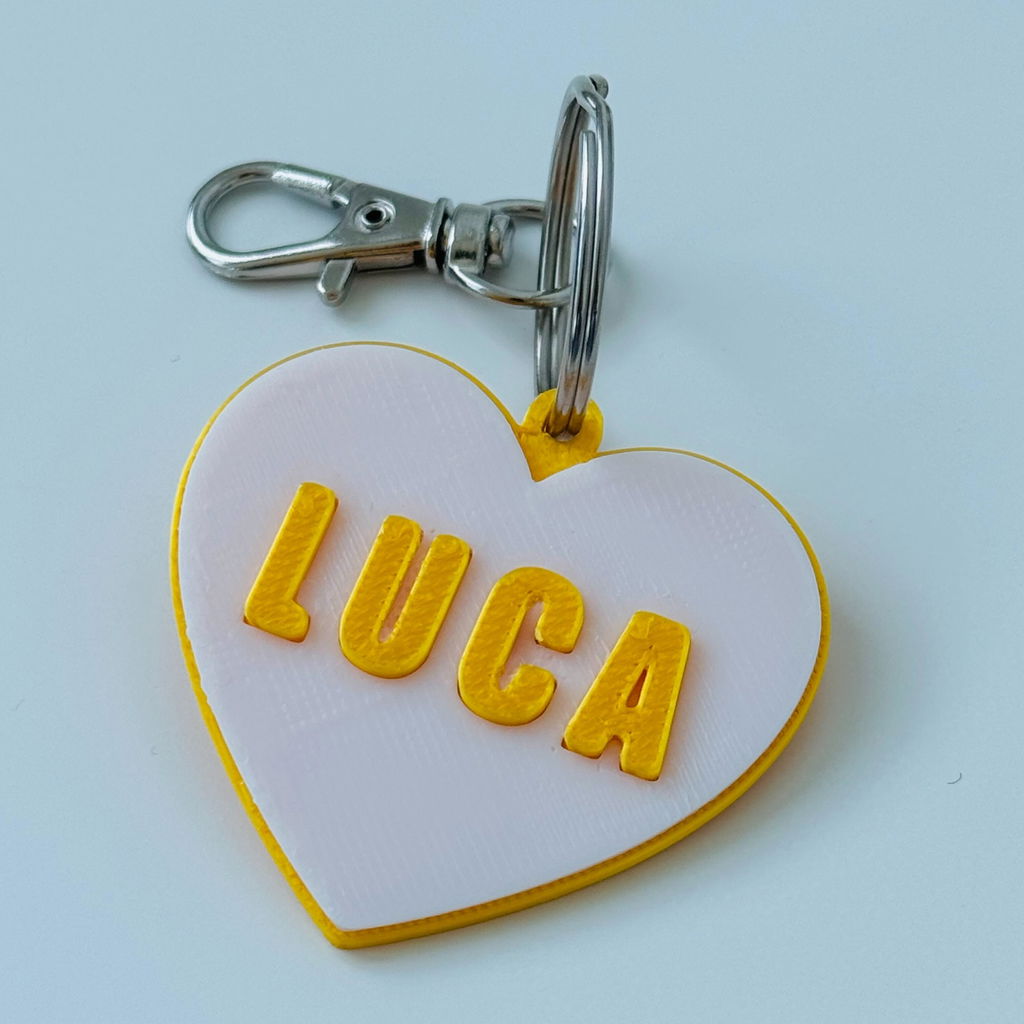
Golden Luca is pretty and it has my name and phone number on the flip side.
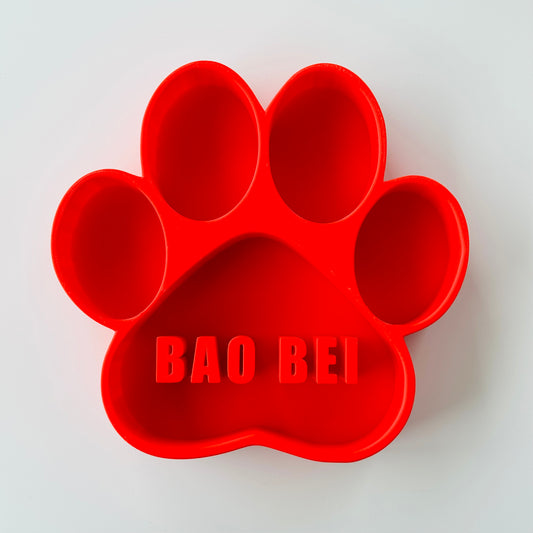
I bought it for Bao Bei to help him eat slower, also have a unique feeding bowl
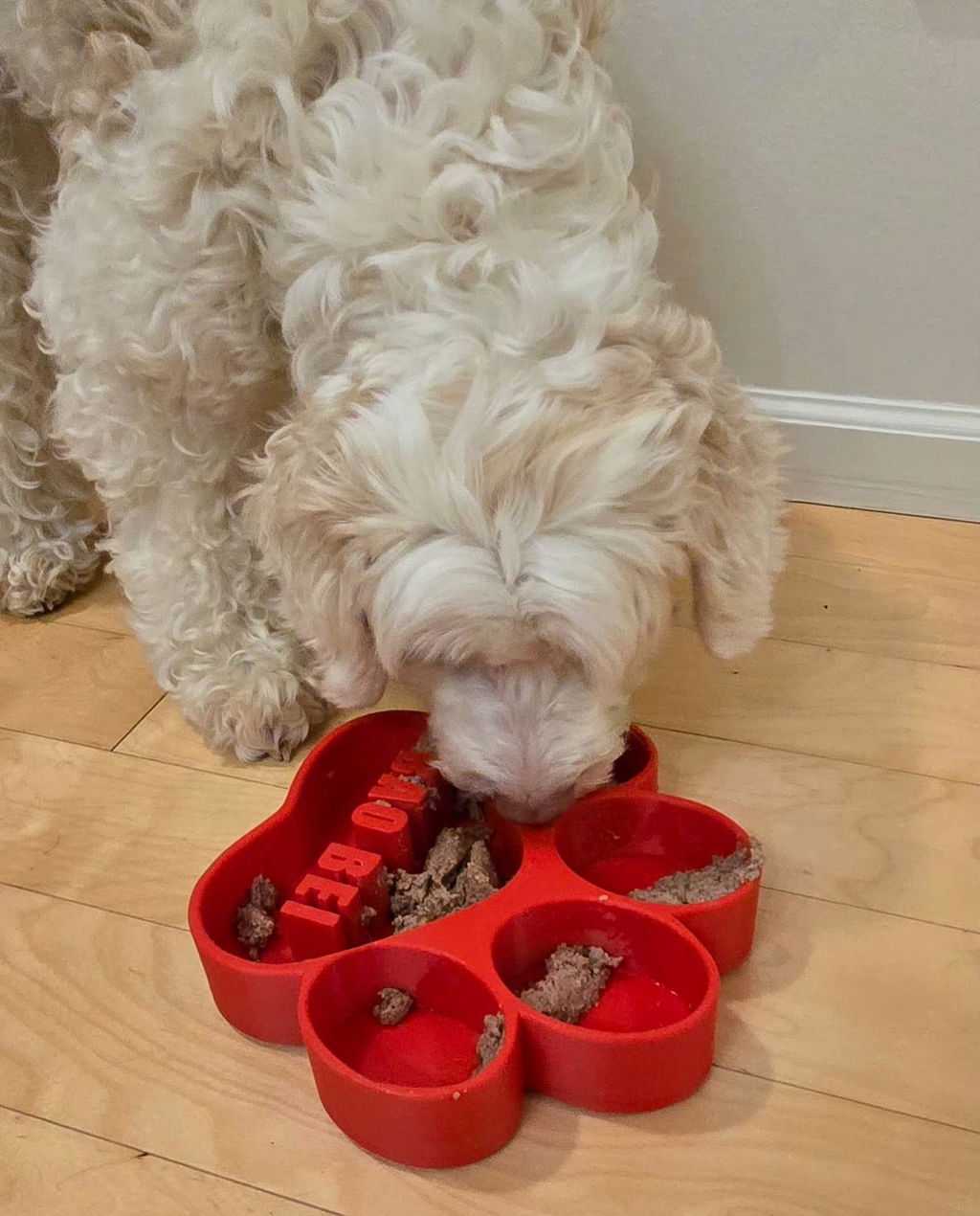
He is busy with it for hours and also I can fetch the toy when we want to spend time together
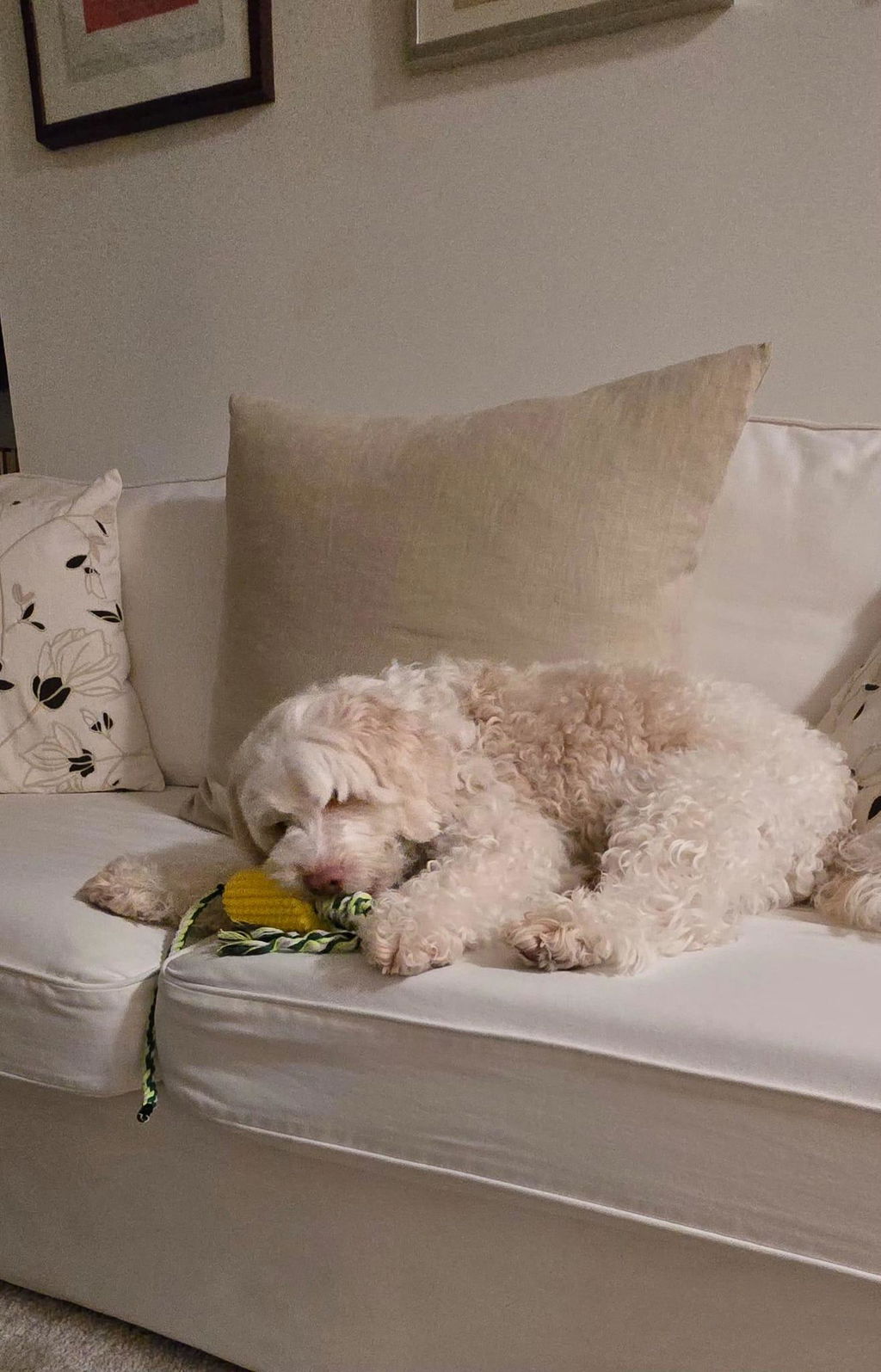
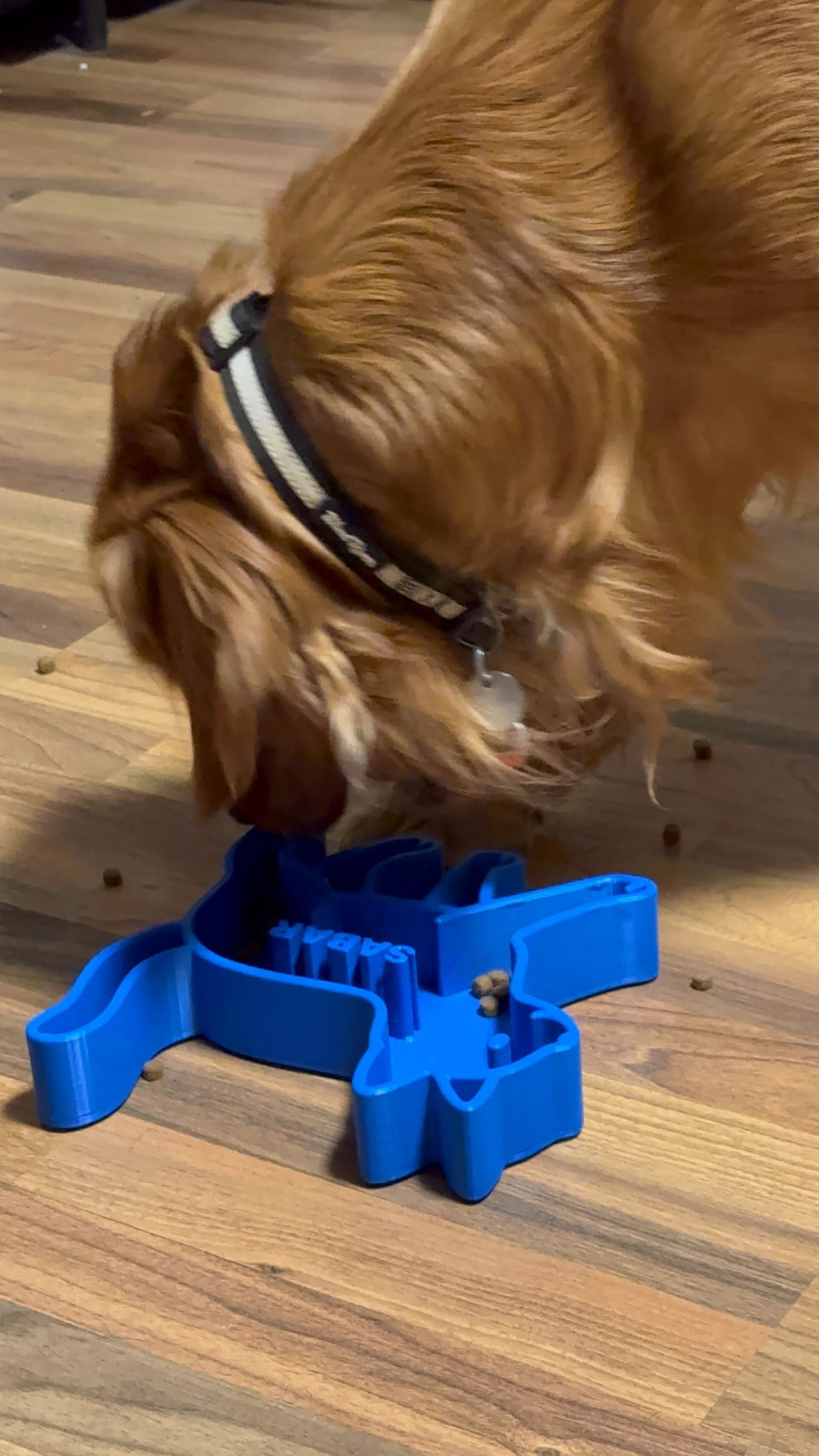
It made Sabar’s meal time more than double and I enjoy watching him eating from his unique bowl
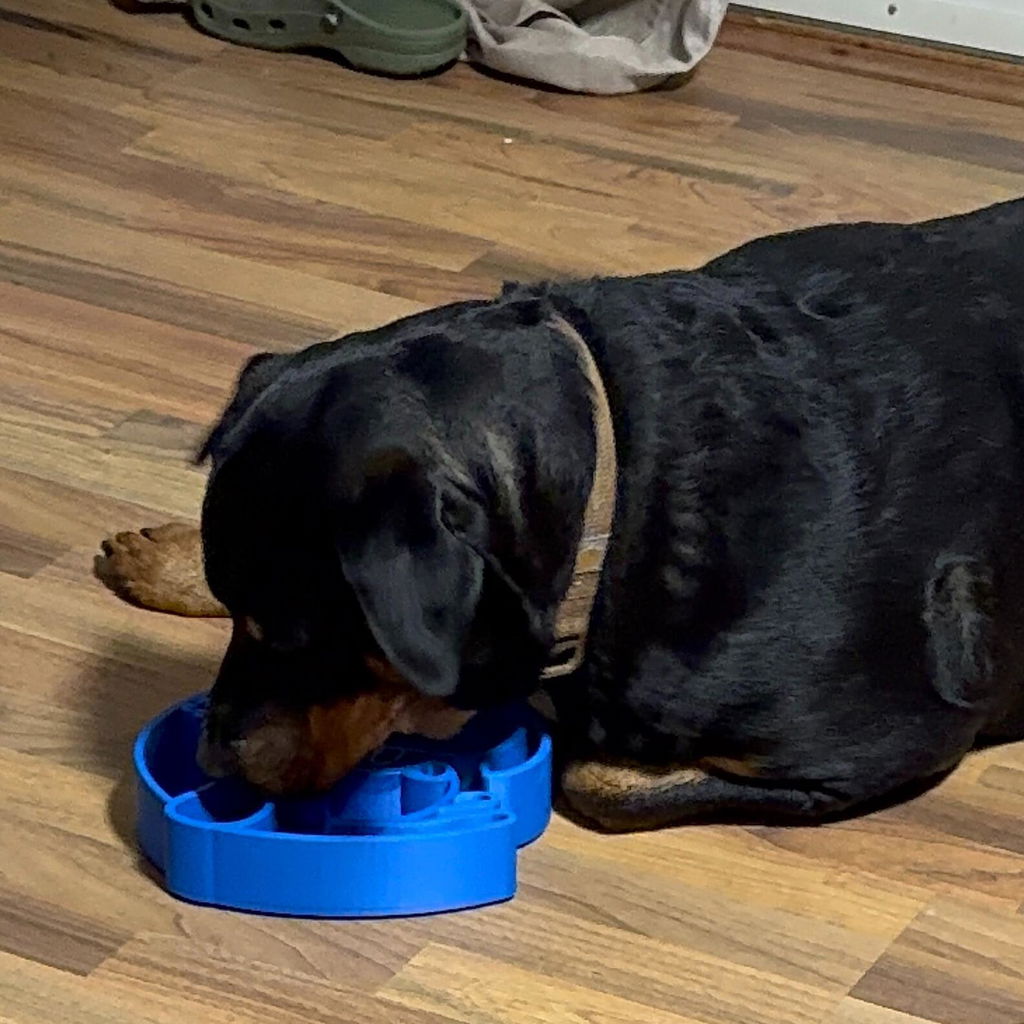
My paw was eating too fast and this bowl helped me to fix this problem
It can keep my cat's busy for a long time, but it should be under supervised I think. Long time playing with it can make them tired!
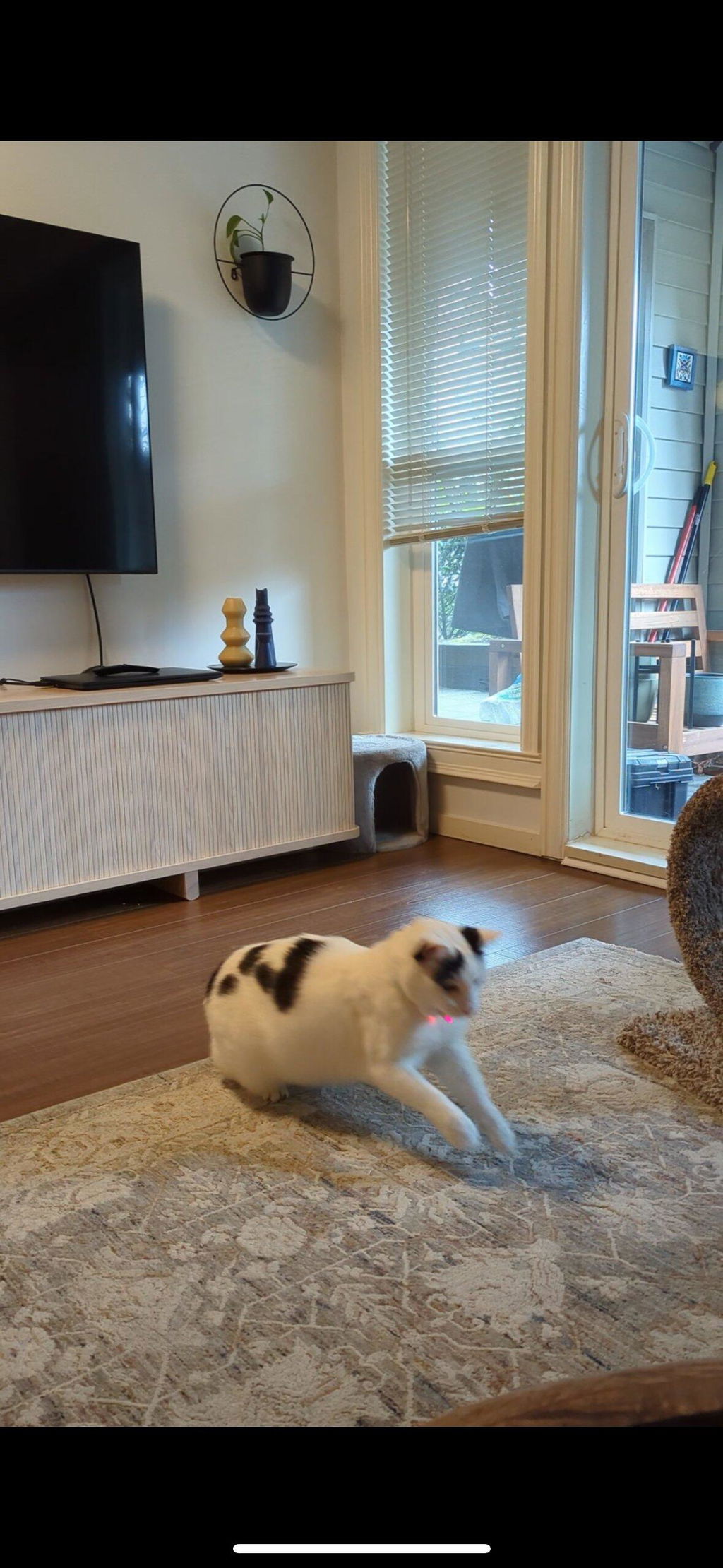
Maki playing with her ball. 😀
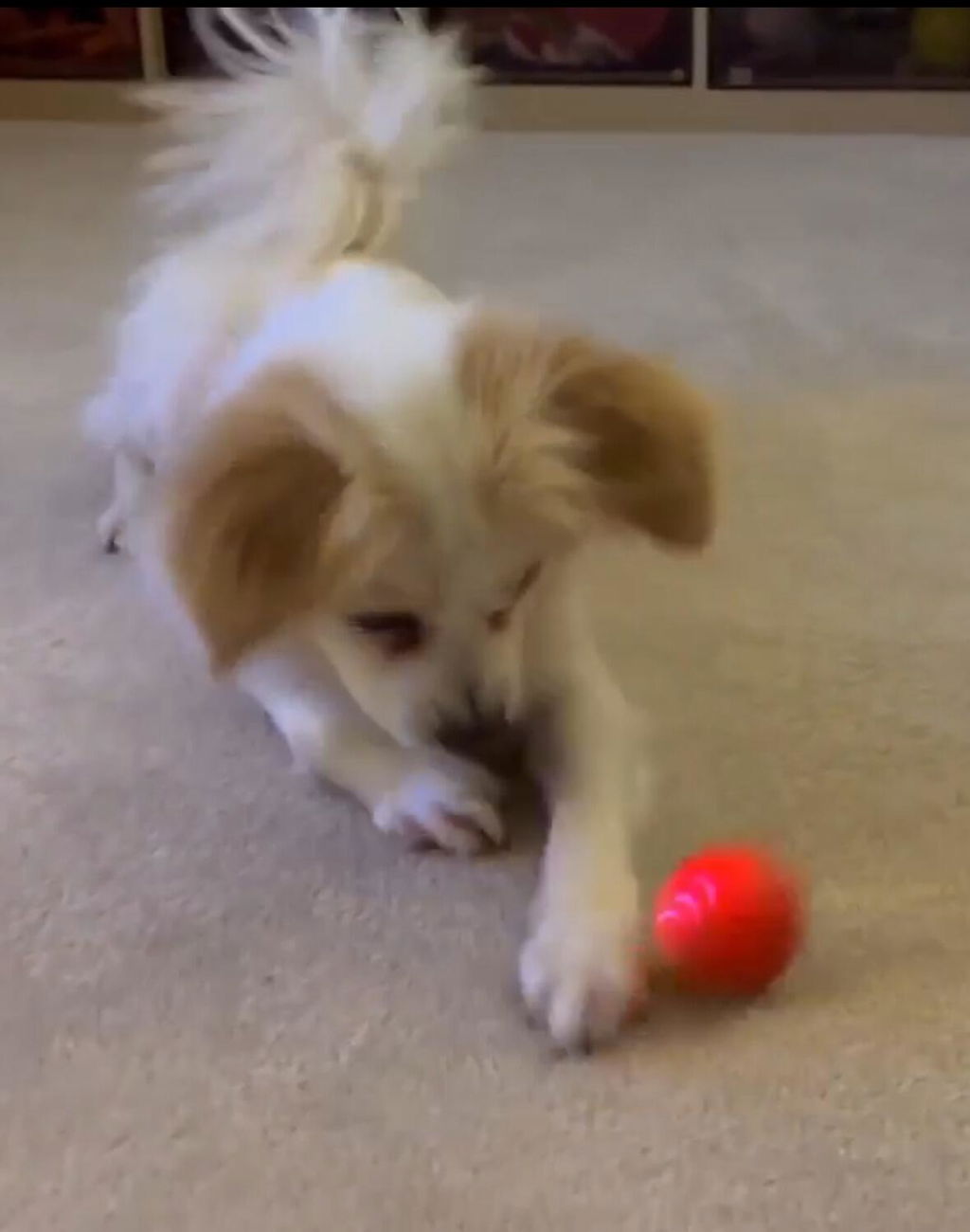
I'm using this stuff to keep my puppy busy and happy everyday.
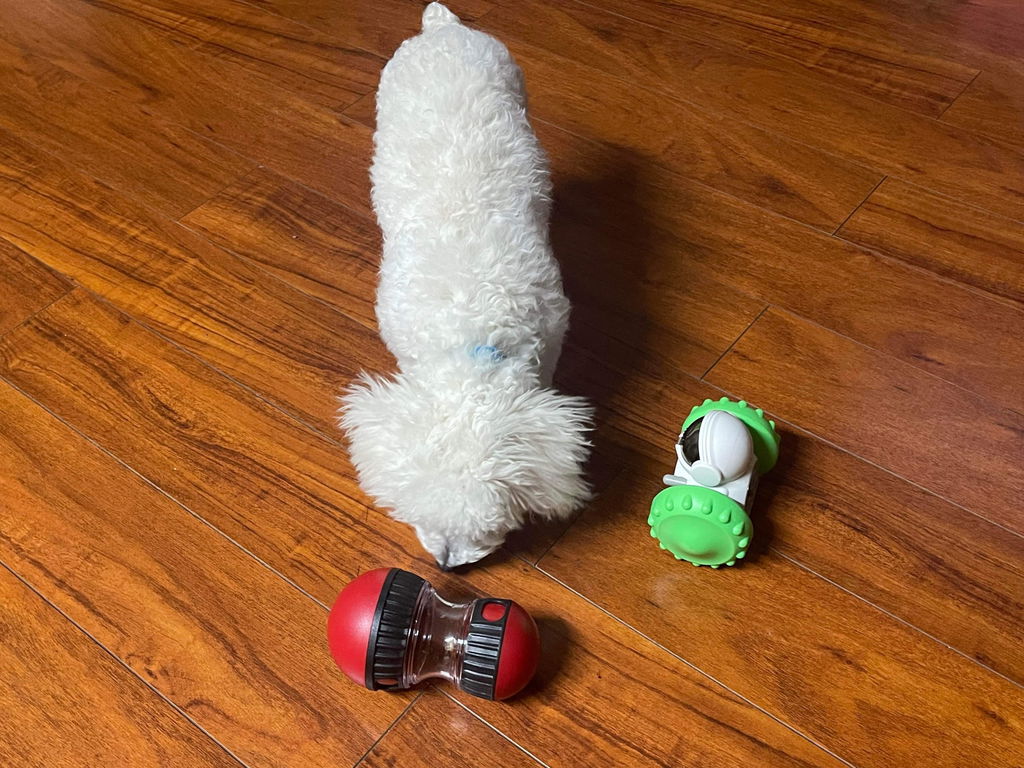
It keeps my puppy busy for more than 30 mins every time for a meal. and even after that she plays with it around as long as She get tired!
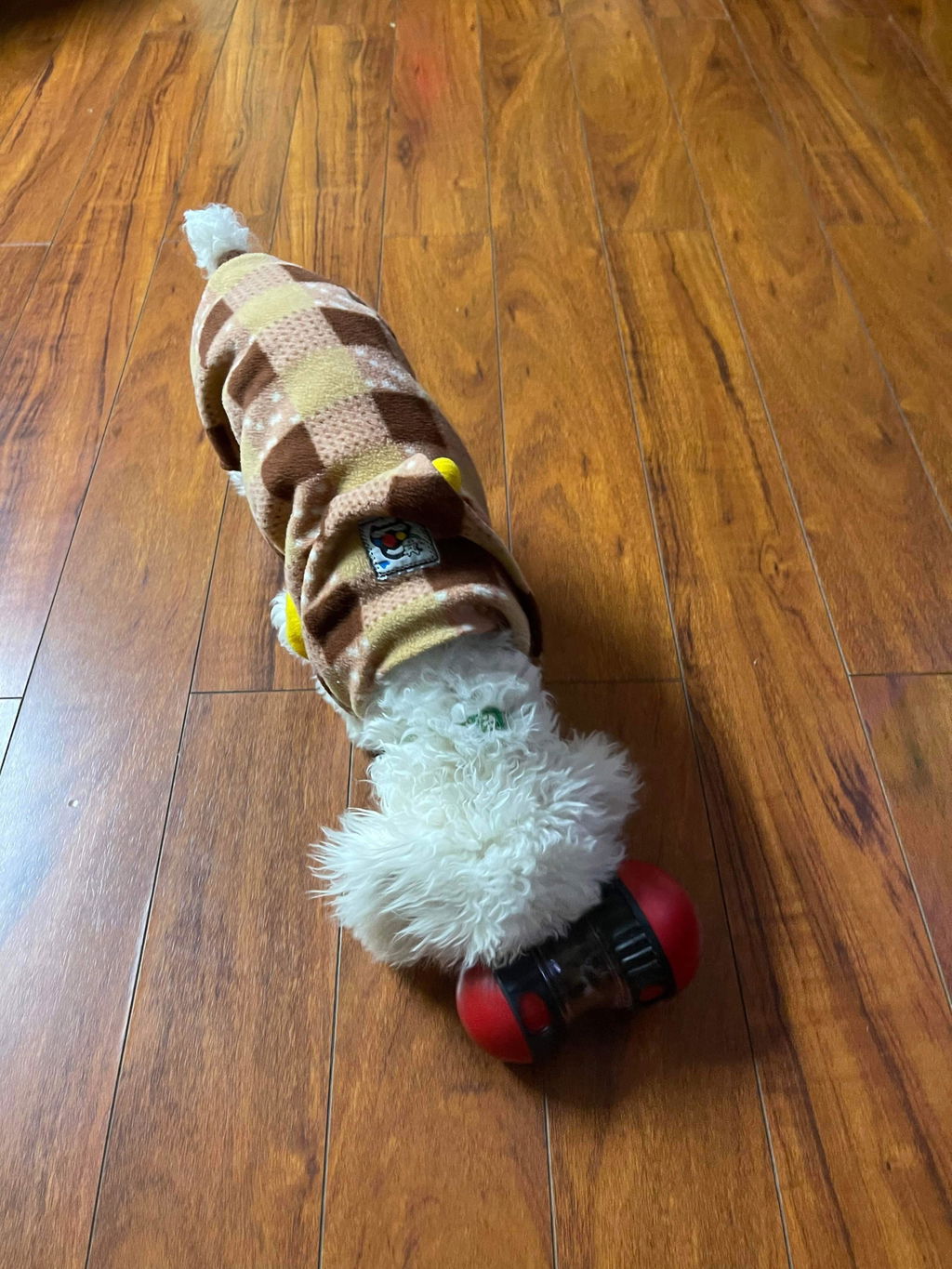
Fun "beginner level" toy. Works for cats too:)
Durable plastic, feels nice.
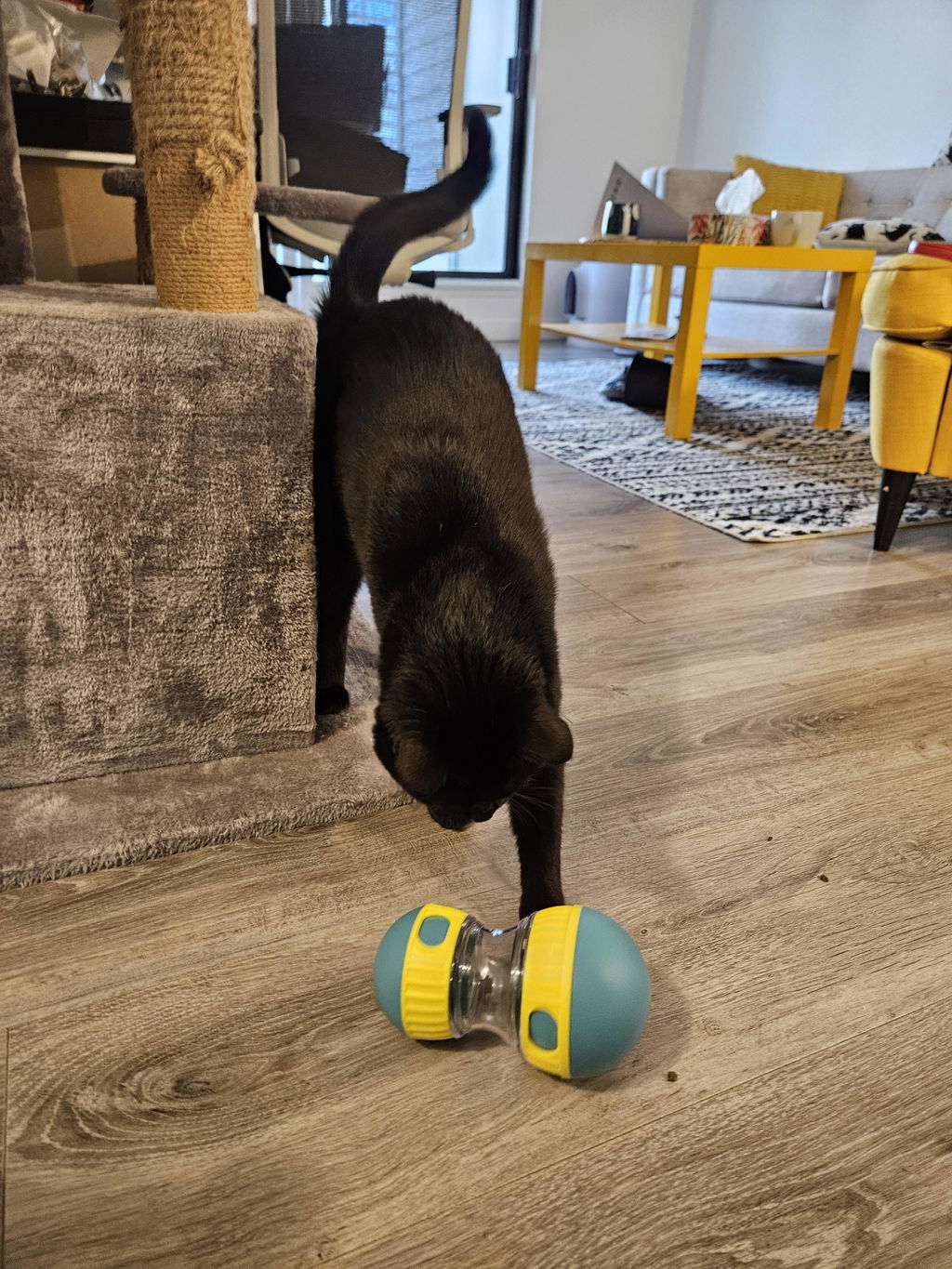
it is a bit hard on the walls but the cat just watches it. Does not interact with it. The ball works really well for what it is supposed to do.
If it was a bit softer the cat might enjoy it more.
I gave one to a neighbour who's dog loves it. She has a small dog so the size is just right.

Great bowl and such fun. Amazing the difference in time it now takes for my puppy to finish her meals. Much healthier for her! And she loves to play with it once it’s empty

Got this toy for my girl Archie and she absolutely loves it! It’s super durable, keeps her entertained for hours, and the treat dispenser is a fun bonus. Totally worth it

As soon as this ball comes out he gets very excited. The ball allows him to play by himself with the ball. His favourite toy by far.

The bone shape is super cute and simple, and makes mealtime fun for my pup. love it!