Why an interactive dog feeder fixes fast eating and stress
Index
How an interactive dog feeder fixes fast eating
Why an interactive dog feeder reduces stress
Fast eating is one of those habits that looks harmless until you see the side effects. Gulping air, coughing after meals, messy regurgitation, and constant begging can turn feeding time into a stressful routine for both you and your dog. The good news is you do not need a complicated training plan to make a real change. An interactive dog feeder can slow down eating while also giving your dog a calmer brain and a satisfied body.
Interactive feeders, slow feeders, and puzzle feeders are part of a bigger category: dog enrichment. They encourage sniffing, licking, and problem solving, which are natural behaviors that help many dogs settle. If your dog inhales meals in seconds and then paces the house like they are still hungry, this is often the missing piece.
How an interactive dog feeder fixes fast eating
Most fast eaters are not trying to be difficult. They are simply following instinct. In the wild, eating quickly protects food from competition. In our homes, the bowl is always full and safe, but the habit remains, especially in dogs that have experienced scarcity, multi dog households, or high excitement around meals.
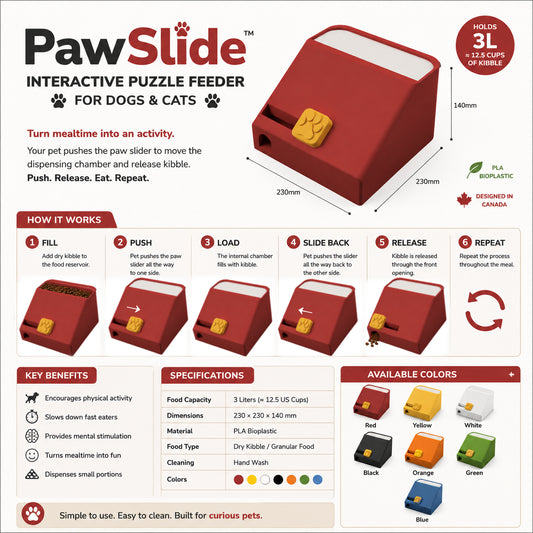
An interactive dog feeder fixes fast eating by adding small obstacles that force bite sized work. Instead of a wide open bowl, your dog has to lick around ridges, move pieces, or nudge kibble out of pockets. That slows the pace and reduces swallowed air, which may lower the risk of bloating and discomfort in some dogs. It also helps prevent that sudden blood sugar spike and crash that can make certain dogs feel edgy after eating.
For simple slowing without extra challenge, start with Slow Feeder Bowls. For dogs that need mental work as well as slower meals, you will usually get the best results by mixing in puzzle feeders and rotating options, like items from Interactive Toys.

Why an interactive dog feeder reduces stress
Stress at mealtime is not always loud. Sometimes it shows up as frantic tail wagging, spinning, barking, whining, or rushing the bowl. Other times it looks like guarding, hovering, or rushing back to check the kitchen after the food is gone. An interactive dog feeder reduces stress by giving your dog a job that matches their instincts: sniff, lick, and solve.
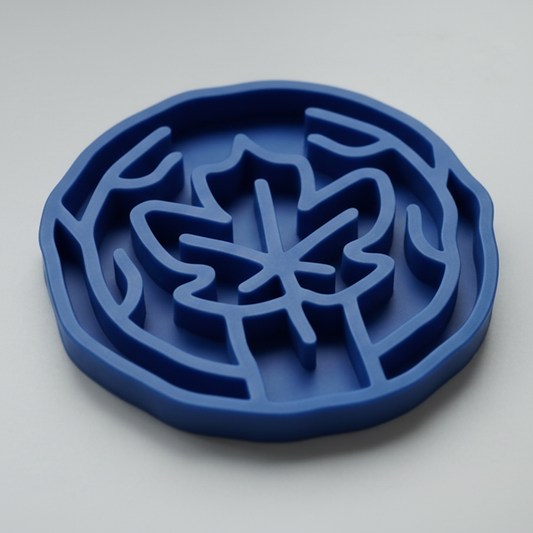
Licking is especially soothing for many dogs. It can be self regulating, similar to how chewing can help a dog decompress. That is why some families pair enrichment feeding with safe chews. If your dog calms down after working and chewing, you can explore Dog Chews as part of a balanced routine.
Puzzle feeders also redirect nervous energy into a predictable pattern. Instead of staring at you for the next treat, your dog learns that good things come from interacting with a toy. Over time, that can reduce demand barking and make the home feel calmer right after meals. Many dogs also sleep better after enrichment feeding because their brain has done real work, not just a quick gulp of calories.
Choosing an interactive dog feeder that actually works
The best interactive dog feeder is the one your dog will use consistently and safely. Choose based on your dog’s size, mouth shape, and frustration tolerance. A gentle option is often best for beginners, then you can increase challenge once your dog understands the game.
- Start easy: If your dog gives up quickly, pick a slow feeder bowl with wide channels before moving to complex puzzle feeders.
- Match the food: Kibble usually works in most puzzle feeders. Wet food is better in lick mats and some slow feeders. Many dogs do well with a mix.
- Use a measured portion: Counting calories matters. Enrichment is still food, just delivered differently.
- Supervise at first: If your dog is an intense chewer, choose durable materials and remove the feeder when finished.
- Rotate to prevent boredom: Swapping feeders every few days keeps interest high and supports long term dog enrichment.
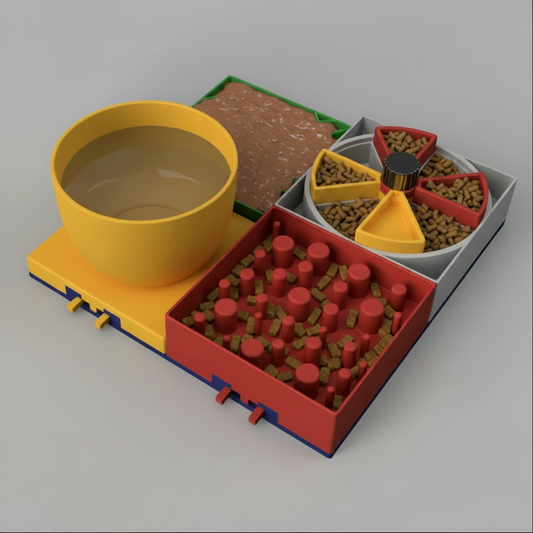
If you want a simple all in one option that suits many dogs, consider the Custom Slow Puzzle Feeder Bowl. It combines slowing features with a little challenge, which is often the sweet spot for fast eaters.

Slow feeders and puzzle feeders comparison table
Not sure which type fits your dog best? This quick guide can help you choose the right tool for fast eating and stress relief.
| Type | Best for fast eating | Best for stress relief | Challenge level | Great for |
|---|---|---|---|---|
| Slow feeder bowl | High | Medium | Low | Beginners, big gulpers, daily meals |
| Puzzle feeder | Medium to high | High | Medium to high | Smart dogs, bored dogs, indoor enrichment |
| Lick style feeder | Medium | High | Low to medium | Anxious dogs, calming routines, wet food |
| Treat dispensing interactive dog toys | Low to medium | Medium to high | Medium | Snack time, training rewards, active play |
One last tip: if your dog is changing feeding style, expect a short adjustment period. Praise calm behavior, keep sessions positive, and do not make it so hard that your dog gets frustrated. The goal is a steady rhythm: slower eating, quieter body language, and a dog who feels satisfied.
If you are ready to turn meals into calm, purposeful enrichment, explore Dogs and Cats Feeders and pick a feeder that fits your dog’s personality. Your dog deserves a feeding routine that feels safe, soothing, and fun, and you deserve the peace that comes with it.
Frequently Asked Questions
How long should an interactive dog feeder make my dog take to finish a meal?
A healthy target is about 8 to 15 minutes for many dogs, depending on portion size. If your dog takes much longer and seems frustrated, the feeder may be too difficult. If they still finish in under 2 minutes, choose a deeper slow feeder or add a puzzle feeder rotation.
Can an interactive dog feeder help with vomiting after eating too fast?
It can help because slowing the pace reduces gulping and swallowed air, which are common triggers for regurgitation. If vomiting continues, talk to your veterinarian to rule out food intolerance, reflux, or other medical issues.
Are puzzle feeders safe for dogs that chew everything?
Many are safe when you choose durable materials and supervise. Start with a sturdy slow feeder bowl and remove it once the meal is done. If your dog tries to shred plastic or swallow pieces, switch to a heavier duty option and ask your vet or trainer for guidance.
Let customers speak for us
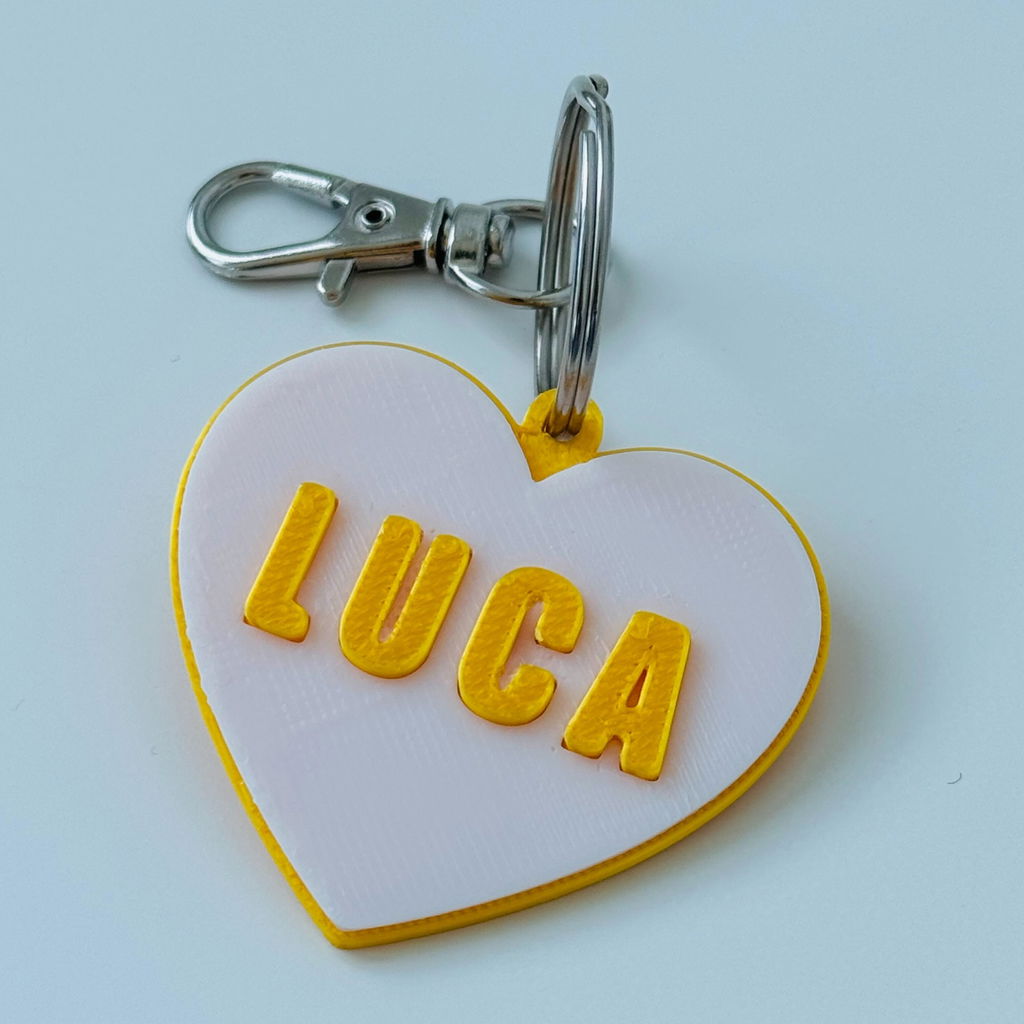
Golden Luca is pretty and it has my name and phone number on the flip side.
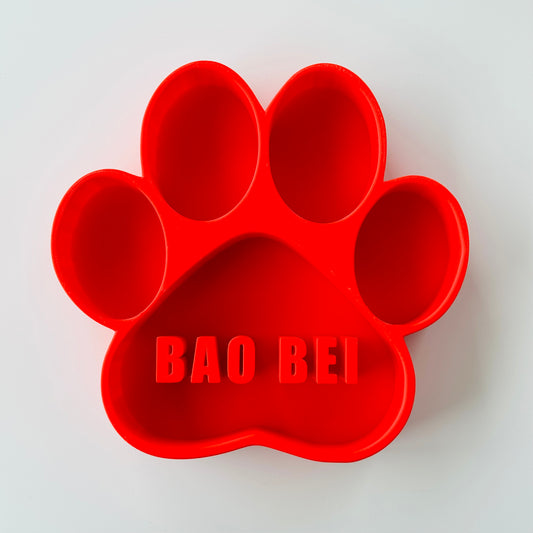
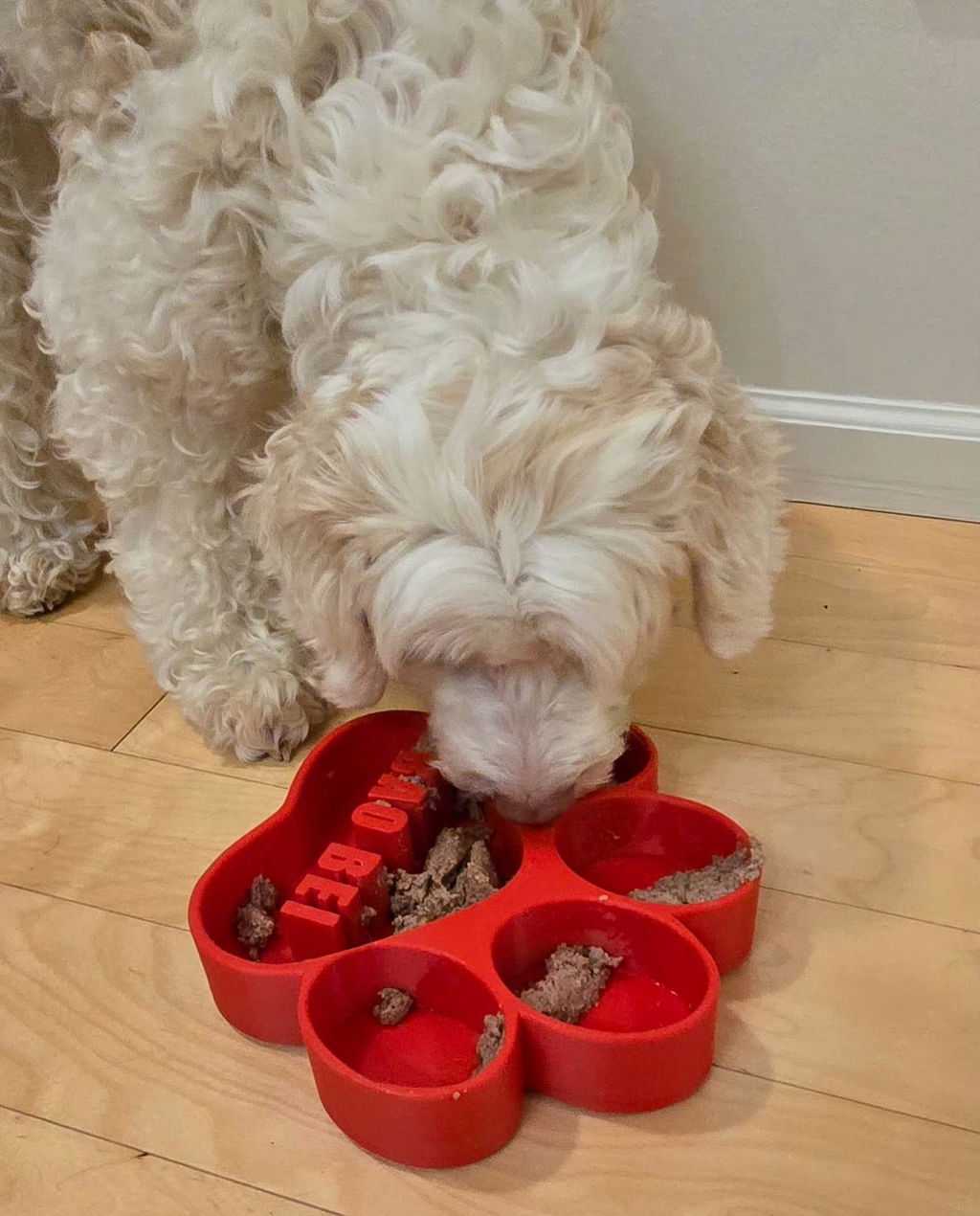
I bought it for Bao Bei to help him eat slower, also have a unique feeding bowl
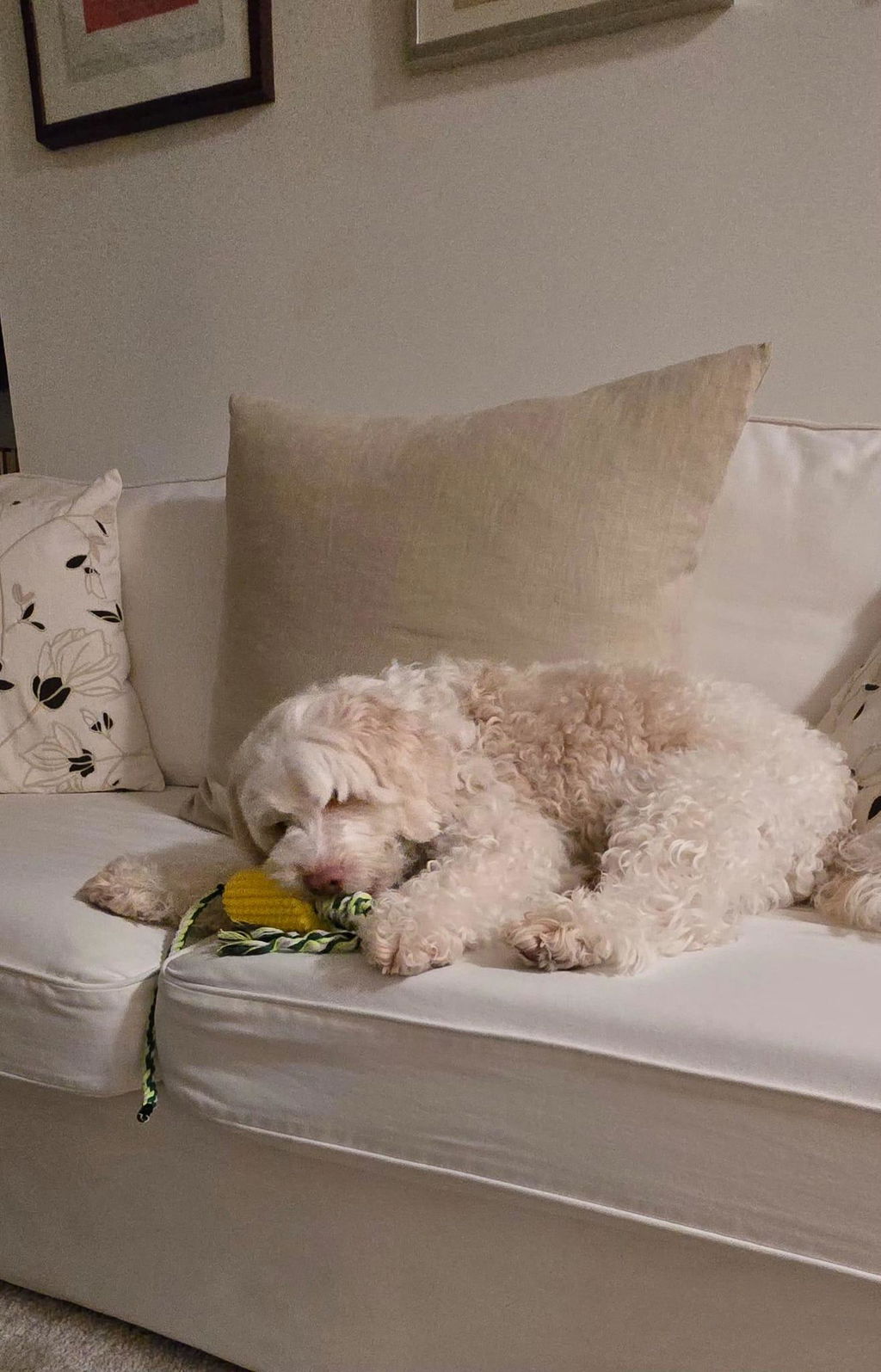
He is busy with it for hours and also I can fetch the toy when we want to spend time together
It made Sabar’s meal time more than double and I enjoy watching him eating from his unique bowl
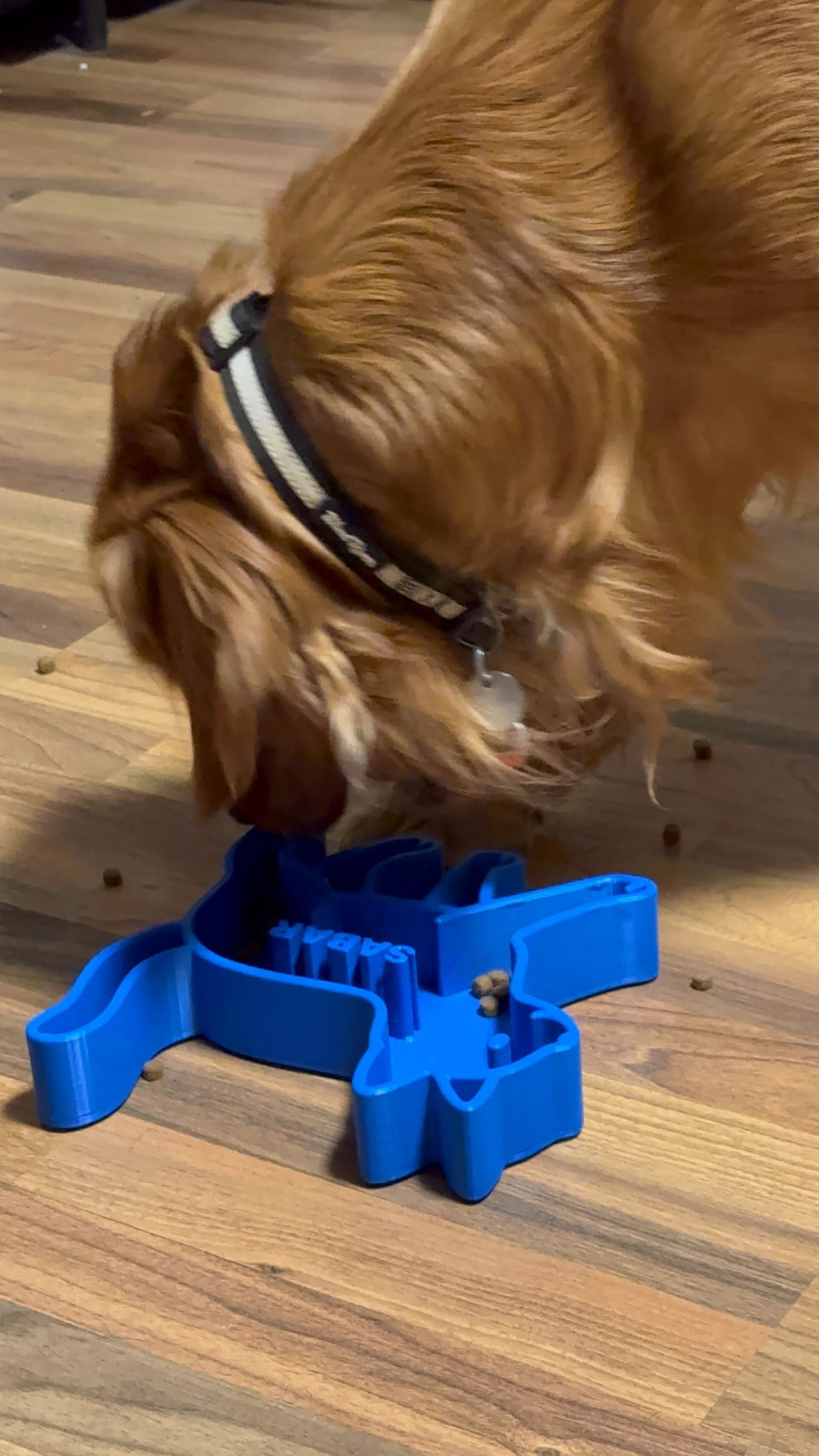
My paw was eating too fast and this bowl helped me to fix this problem
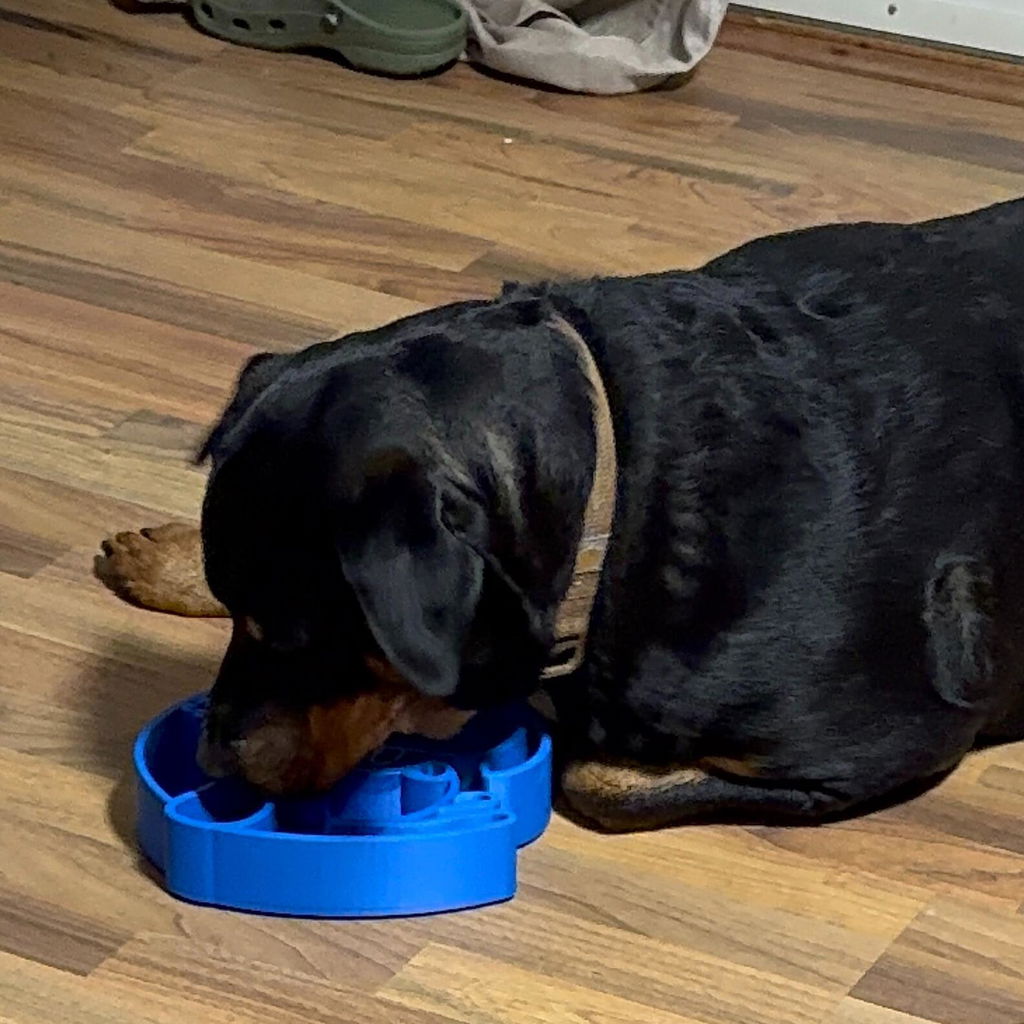
It can keep my cat's busy for a long time, but it should be under supervised I think. Long time playing with it can make them tired!
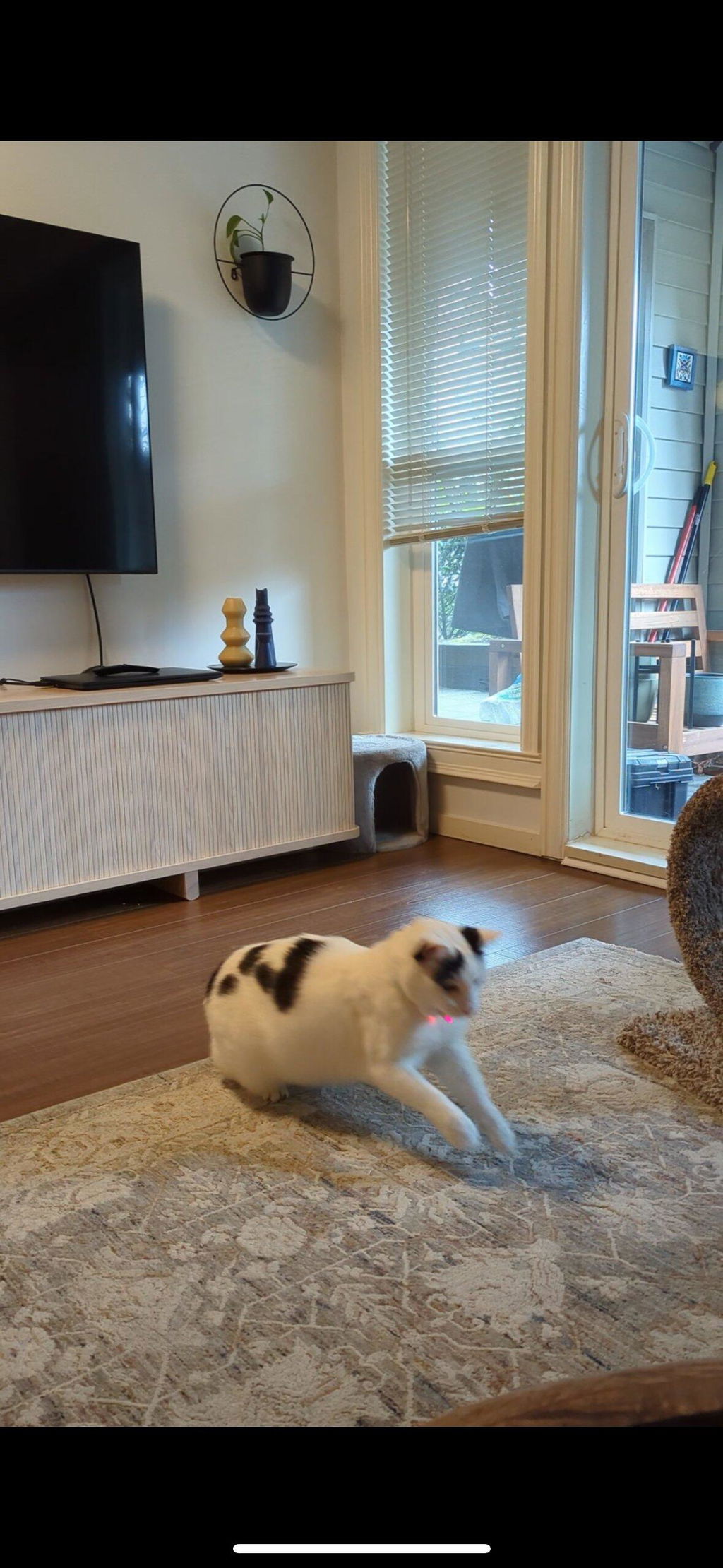
Maki playing with her ball. 😀
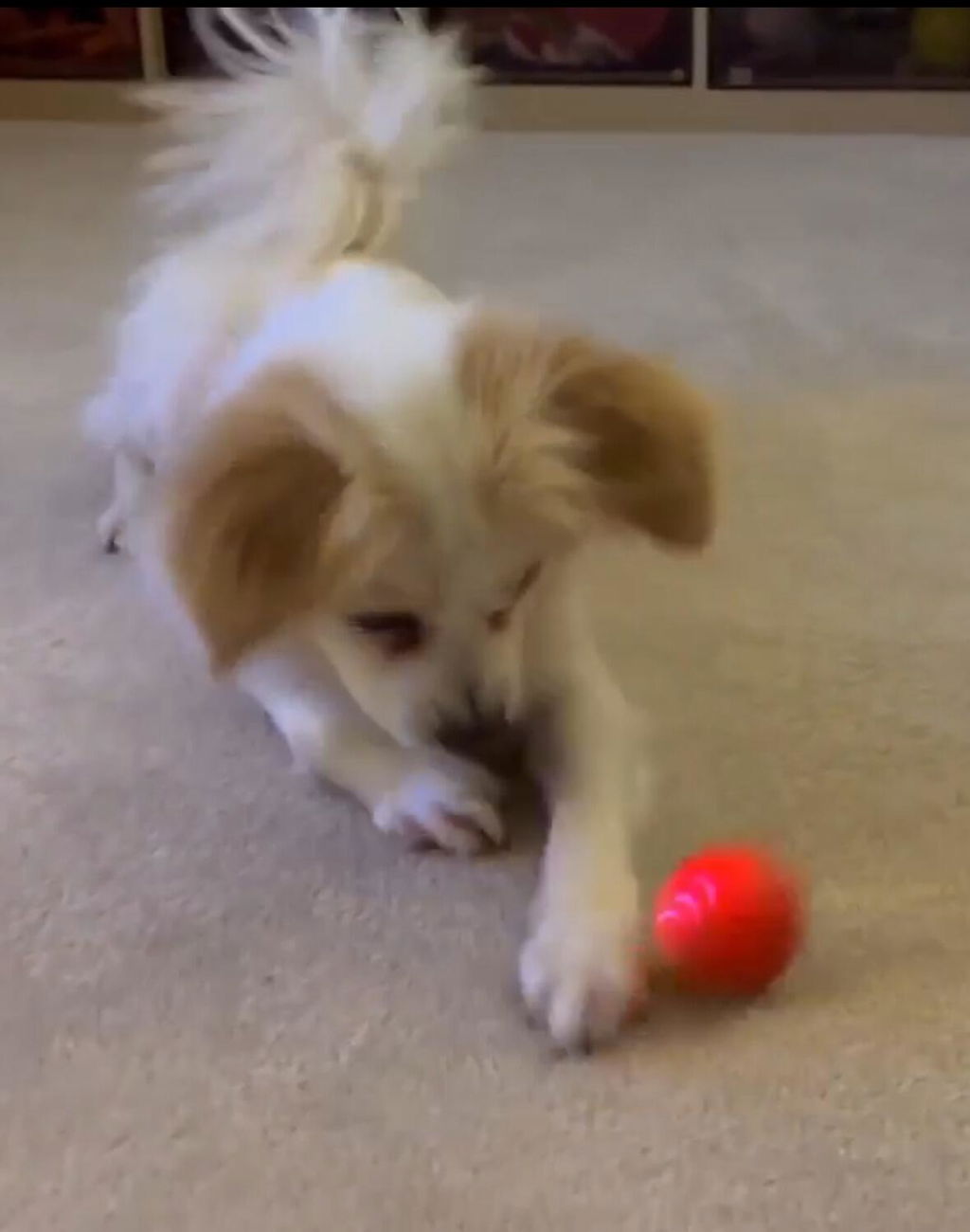
I'm using this stuff to keep my puppy busy and happy everyday.
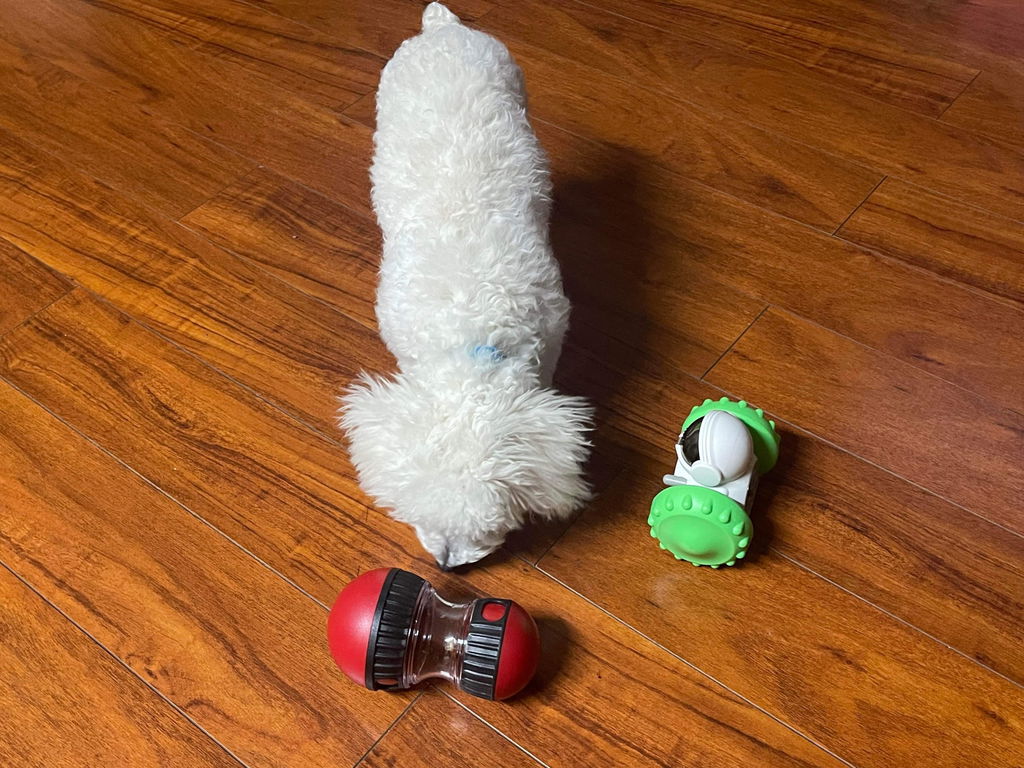
It keeps my puppy busy for more than 30 mins every time for a meal. and even after that she plays with it around as long as She get tired!
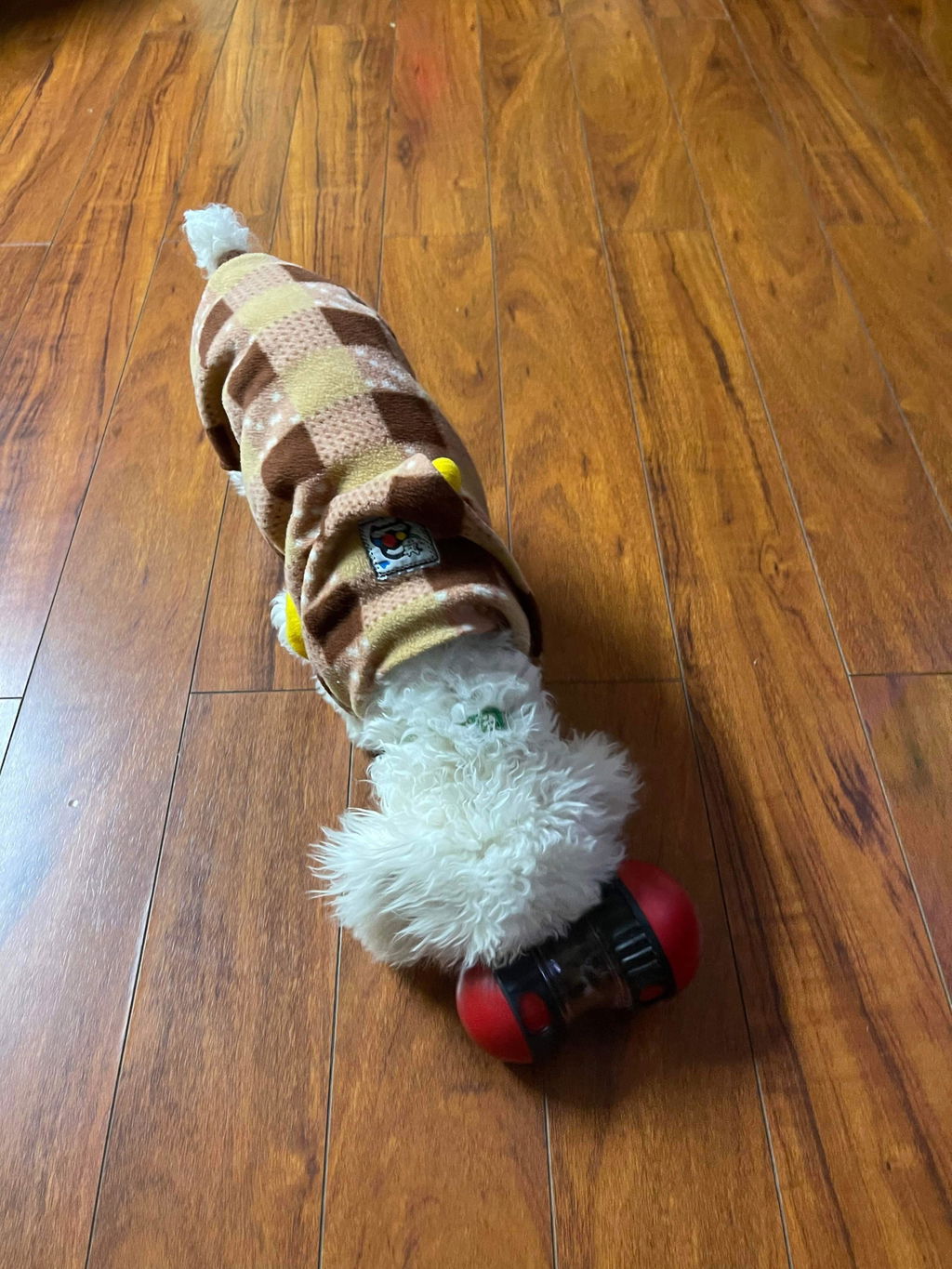
Fun "beginner level" toy. Works for cats too:)
Durable plastic, feels nice.
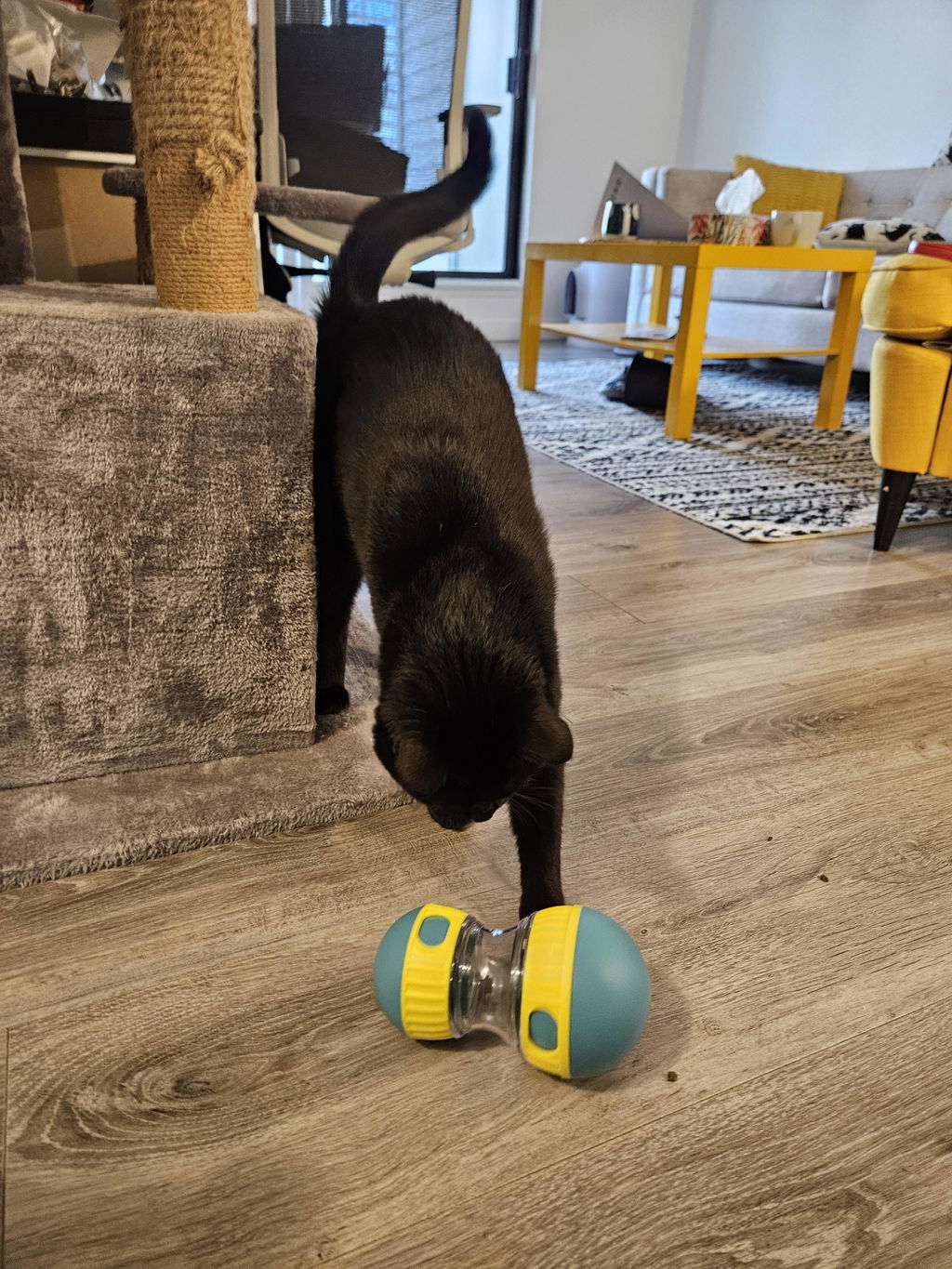
it is a bit hard on the walls but the cat just watches it. Does not interact with it. The ball works really well for what it is supposed to do.
If it was a bit softer the cat might enjoy it more.
I gave one to a neighbour who's dog loves it. She has a small dog so the size is just right.

Great bowl and such fun. Amazing the difference in time it now takes for my puppy to finish her meals. Much healthier for her! And she loves to play with it once it’s empty

Got this toy for my girl Archie and she absolutely loves it! It’s super durable, keeps her entertained for hours, and the treat dispenser is a fun bonus. Totally worth it

As soon as this ball comes out he gets very excited. The ball allows him to play by himself with the ball. His favourite toy by far.

The bone shape is super cute and simple, and makes mealtime fun for my pup. love it!