A cat puzzle feeder that turns lazy cats into active hunters
Index
Why a cat puzzle feeder turns lazy cats into active hunters
How to choose a cat puzzle feeder for active hunting
Some cats are natural hunters. Others would rather nap, snack, then nap again. If your cat is gaining weight, begging for food, or seems bored between meals, a cat puzzle feeder can be a gentle game changer. It turns eating into a mini hunt that taps into instinct, slows down fast eaters, and adds healthy movement without forcing exercise.
At Petsun, we see many pet parents searching for puzzle feeders, slow feeders, and mental stimulators that feel fun rather than frustrating. The good news is that even a very lazy cat can learn to work for kibble or treats, one paw at a time.
Why a cat puzzle feeder turns lazy cats into active hunters
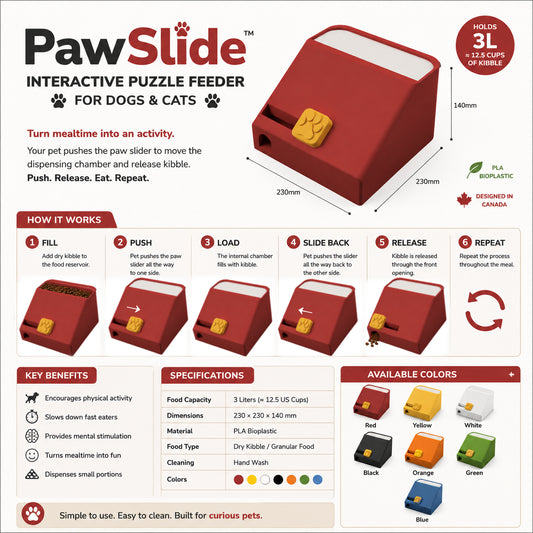
Cats are built to stalk, pounce, and catch small meals throughout the day. A bowl offers food with zero effort, so your cat misses the brain work that normally comes with eating. A cat puzzle feeder changes the routine by adding small challenges like sliding, pawing, nudging, or rolling to release food.
That small challenge does a lot:
- More movement: Even a few minutes of pawing and walking between compartments increases daily activity.
- Slower eating: Like slow feeders for dogs, puzzle feeders can reduce scarfing and help cats who vomit after meals.
- Better boredom relief: Cats who get enrichment often meow less for attention and show fewer naughty behaviors.
- Confidence boost: Solving a puzzle is rewarding. It can help shy cats feel more in control of their environment.
Think of it as cat enrichment that happens at the exact moment your cat is most motivated. Food is the best teacher.

How to choose a cat puzzle feeder for active hunting
Not all puzzle feeders fit every cat. The best match depends on your cat’s motivation, paw style, and stress level. Some cats love batting and chasing. Others prefer careful paw scoops. Start easy, then level up.
When shopping, look for:
- Adjustable difficulty: Great for beginners and long term use.
- Wide stable base: Prevents tipping and frustration.
- Easy to clean: Especially if you use wet food or freeze dried treats.
- Safe materials: Smooth edges and non toxic, pet safe construction.
If you want a feeder that supports both cats and dogs in a multi pet home, explore Dogs and Cats Feeders. For extra brain games beyond meals, Mental Stimulators add variety, similar to interactive dog toys but designed for everyday pet enrichment.
How to train a cat puzzle feeder routine without stress
The biggest mistake is making it too hard on day one. Cats can quit quickly if the puzzle feels impossible. Instead, build wins.
- Start with treats on top: Let your cat see and smell the reward. Place kibble in open areas first.
- Short sessions: Two to five minutes is enough for beginners. End before your cat gets annoyed.
- Mix bowl and puzzle: If your cat is anxious, feed part of the meal in the bowl and part in the puzzle feeder.
- Gradually increase difficulty: Move food deeper into channels or compartments as your cat learns.
- Rotate enrichment: Swap between puzzle feeders and other interactive toys to keep it exciting.
For cats that need extra motivation, try adding a few high value treats or using a small portion of their favorite kibble. Some pet parents also pair mealtime puzzles with physical play for a full routine. You can browse Interactive Toys when you want a fun follow up after the feeder session.

Cat puzzle feeder levels and best use table
Different puzzles create different kinds of hunting. This quick guide can help you pick the right starting point and know when to progress.
| Level | Feeder style | Best for | Common benefit |
|---|---|---|---|
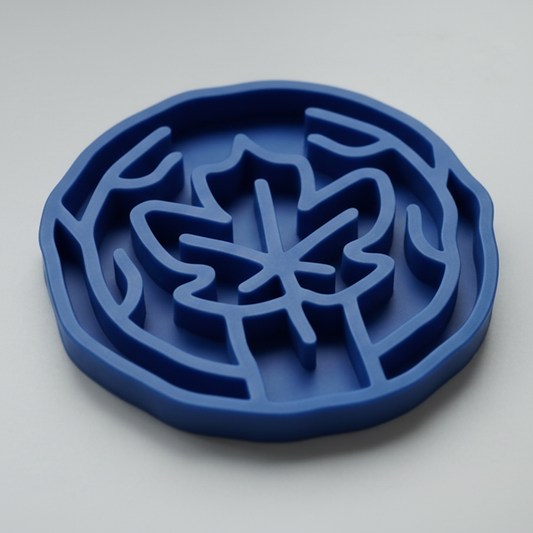
| Beginner | Open maze tray | Lazy cats, senior cats, first time puzzle feeders | Slows eating gently and boosts engagement |
| Intermediate | Sliding compartments | Cats who like paw scooping and problem solving | More mental work and longer meals |
| Advanced | Rolling treat dispenser | High energy cats and playful hunters | More movement and chase behavior |
| Custom fit | Customised slow feeder design | Multi pet homes or picky eaters | Personalized control of pace and portions |
If you love the idea of a customised slow feeder that feels like a true pet gift, take a look at the Custom Slow Puzzle Feeder Bowl. A personalized gift like this can support healthier eating habits while making daily meals feel like enrichment. It is also a thoughtful cat gift or dog gift for pet parents who already have plenty of chew toys and standard bowls.
A cat puzzle feeder is not about making your cat work too hard. It is about giving them a little purpose each day. You are inviting their inner hunter to show up, even if they still return to the couch afterward.
If you want to build a happier routine, start small today. Pick a puzzle feeder that fits your cat’s personality, celebrate tiny wins, and watch your lazy lounger turn into a focused hunter. Your cat deserves that spark, and you deserve the joy of seeing it.
Frequently Asked Questions
Will a cat puzzle feeder help with weight loss?
It can help by slowing eating, reducing boredom snacking, and adding light daily movement. Pair it with measured portions and your vet’s calorie guidance for best results.
What if my cat gets frustrated and quits?
Lower the difficulty right away. Put treats in easy to reach spots, keep sessions short, and offer part of the meal in a regular bowl at first. Confidence comes from quick wins.
Can I use wet food in a cat puzzle feeder?
Some puzzle feeders are designed for wet food, but many are best for kibble or dry treats. Choose an easy to clean model and wash it daily to keep things fresh and safe.
Let customers speak for us
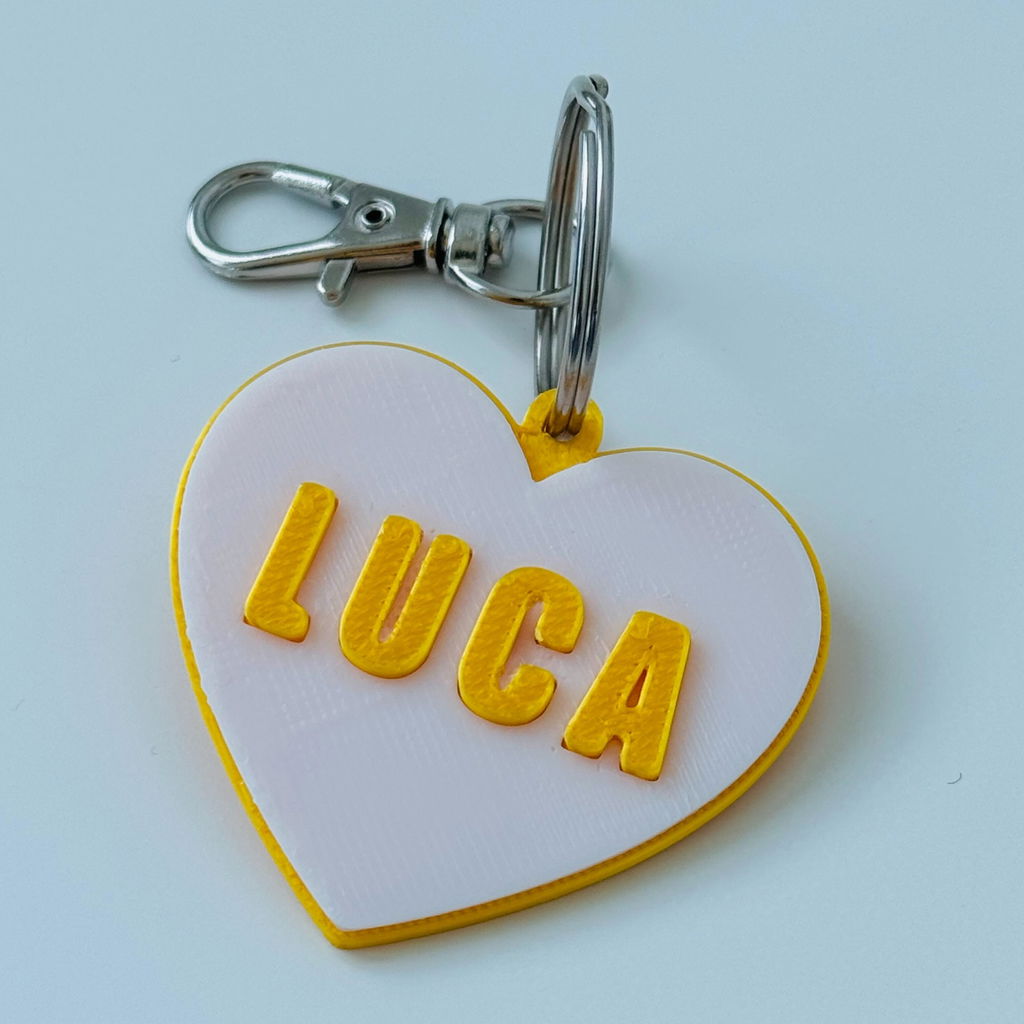
Golden Luca is pretty and it has my name and phone number on the flip side.
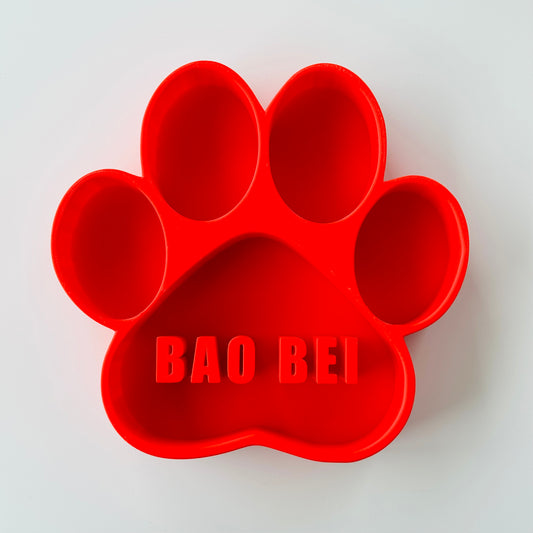
I bought it for Bao Bei to help him eat slower, also have a unique feeding bowl
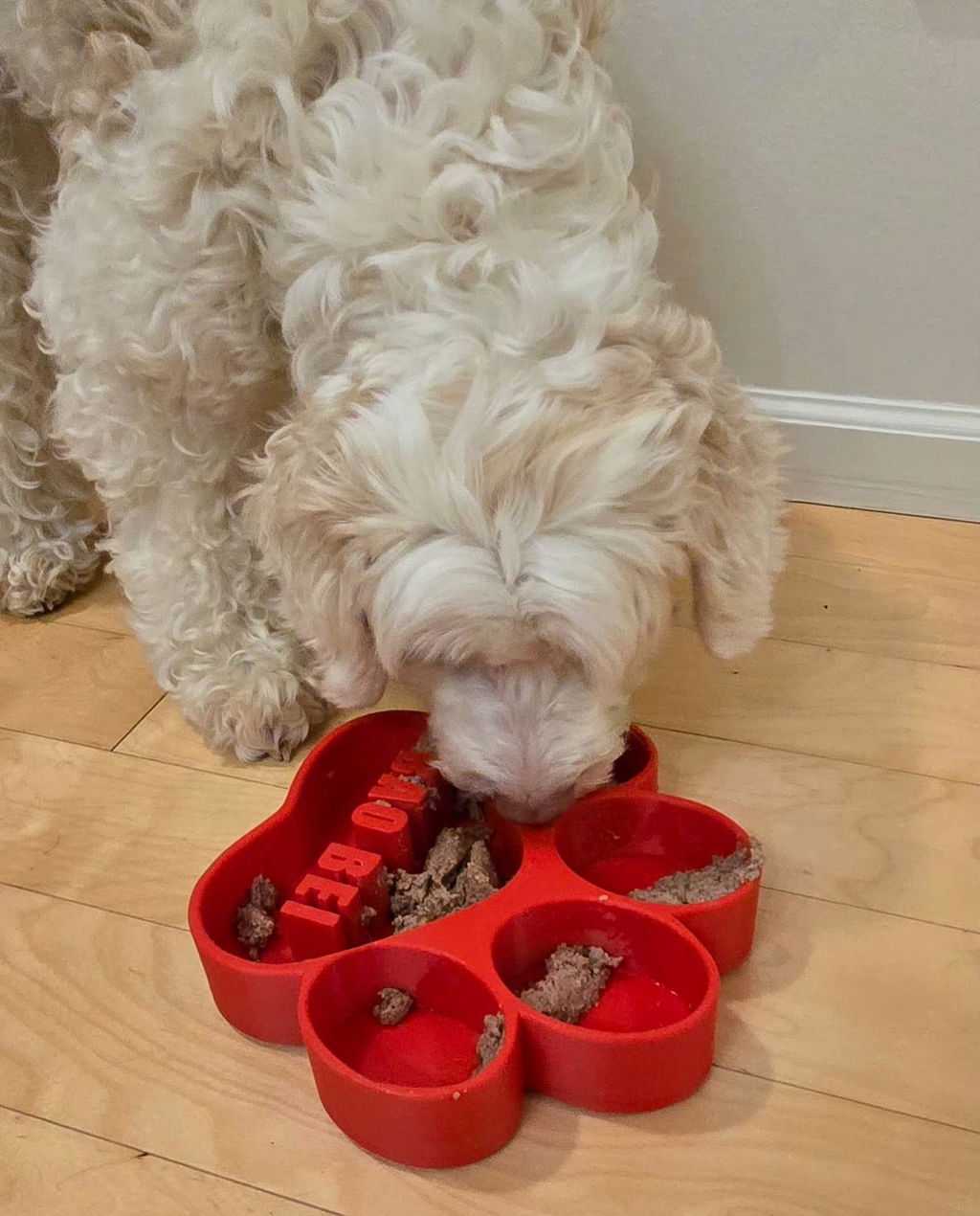
He is busy with it for hours and also I can fetch the toy when we want to spend time together
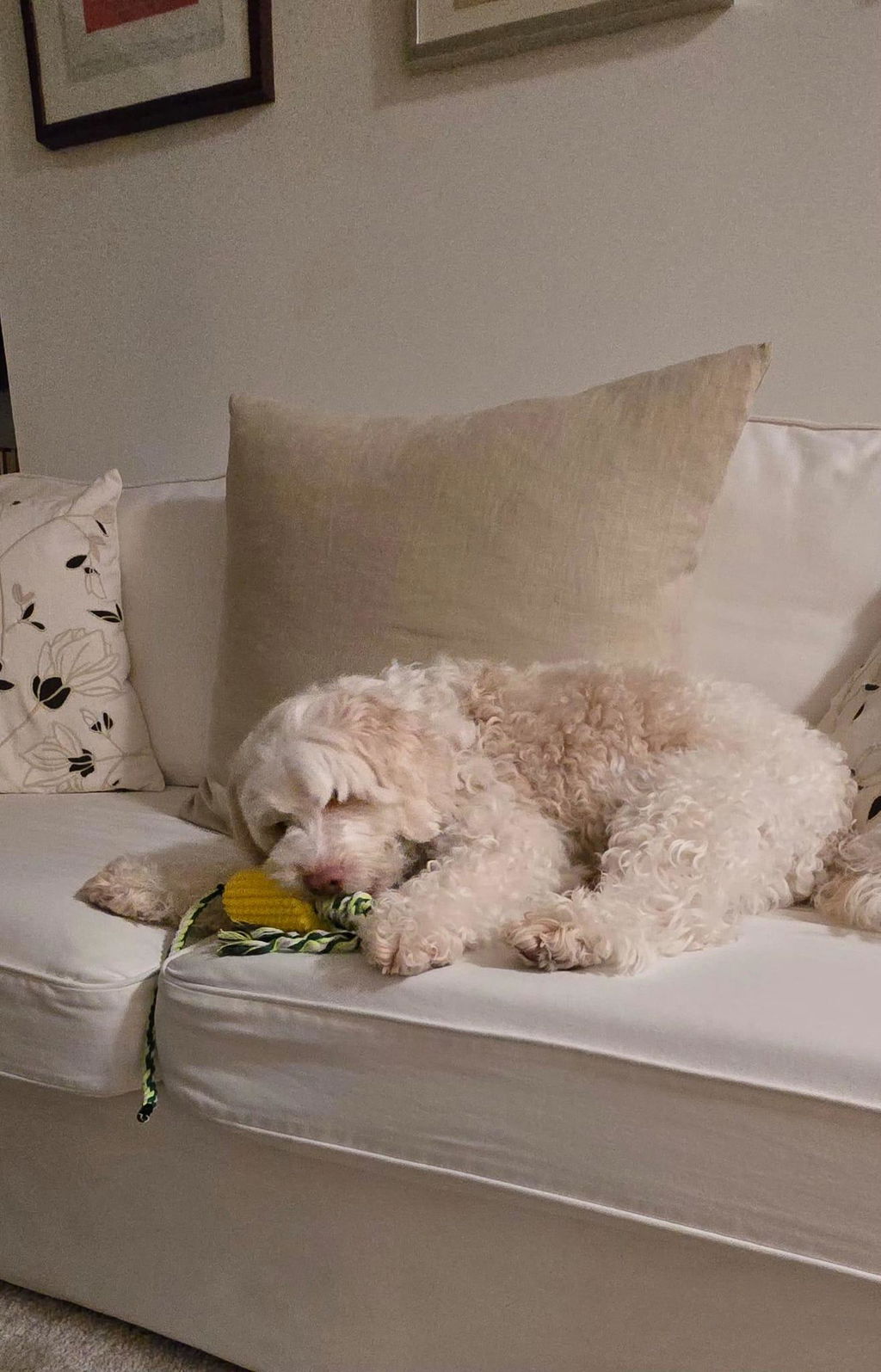
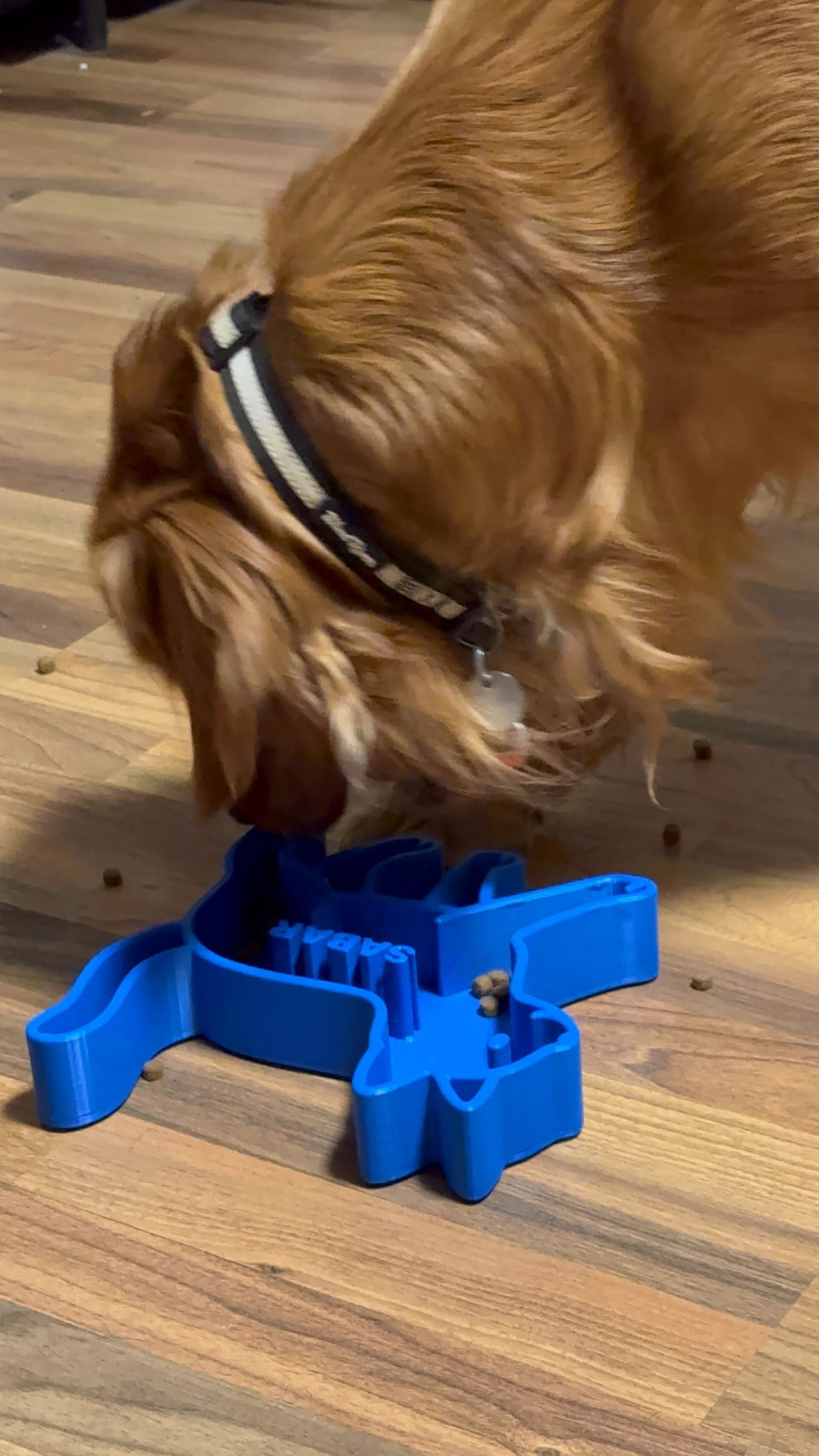
It made Sabar’s meal time more than double and I enjoy watching him eating from his unique bowl
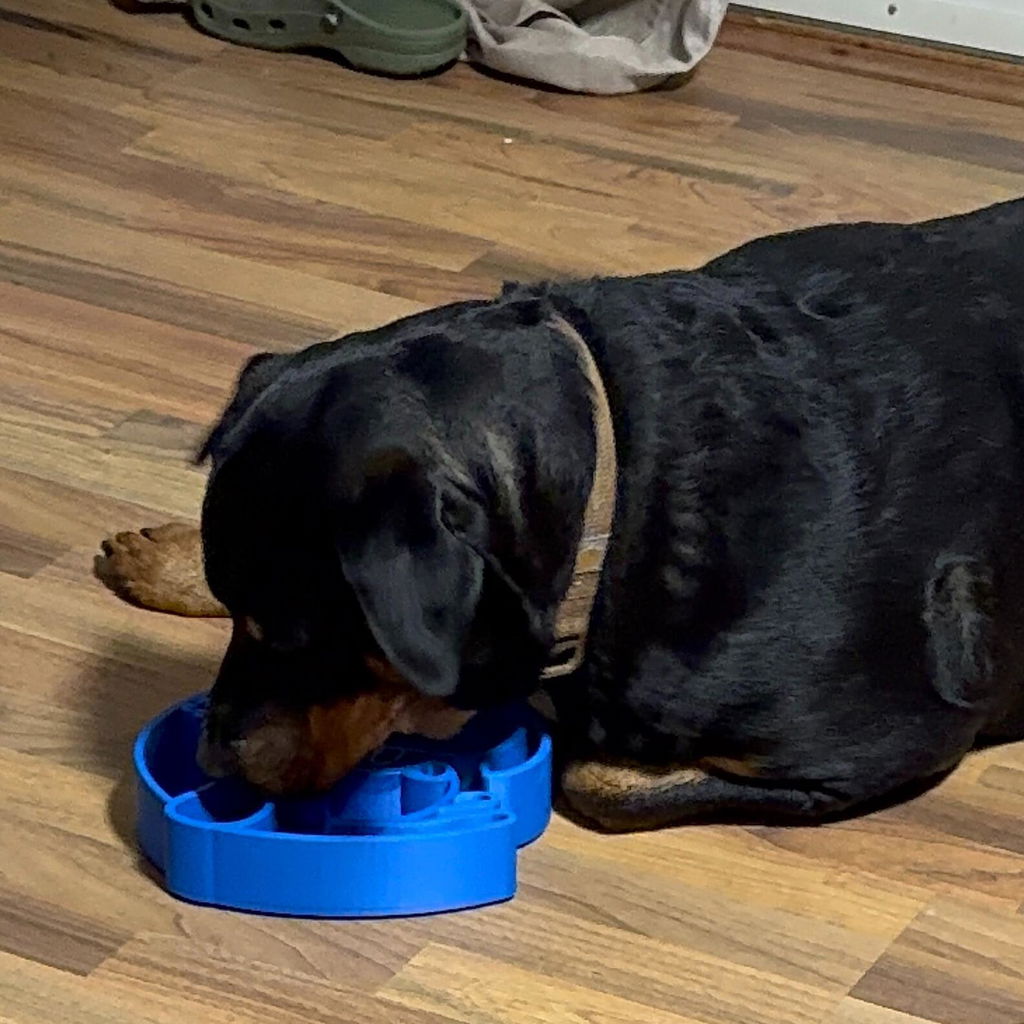
My paw was eating too fast and this bowl helped me to fix this problem
It can keep my cat's busy for a long time, but it should be under supervised I think. Long time playing with it can make them tired!
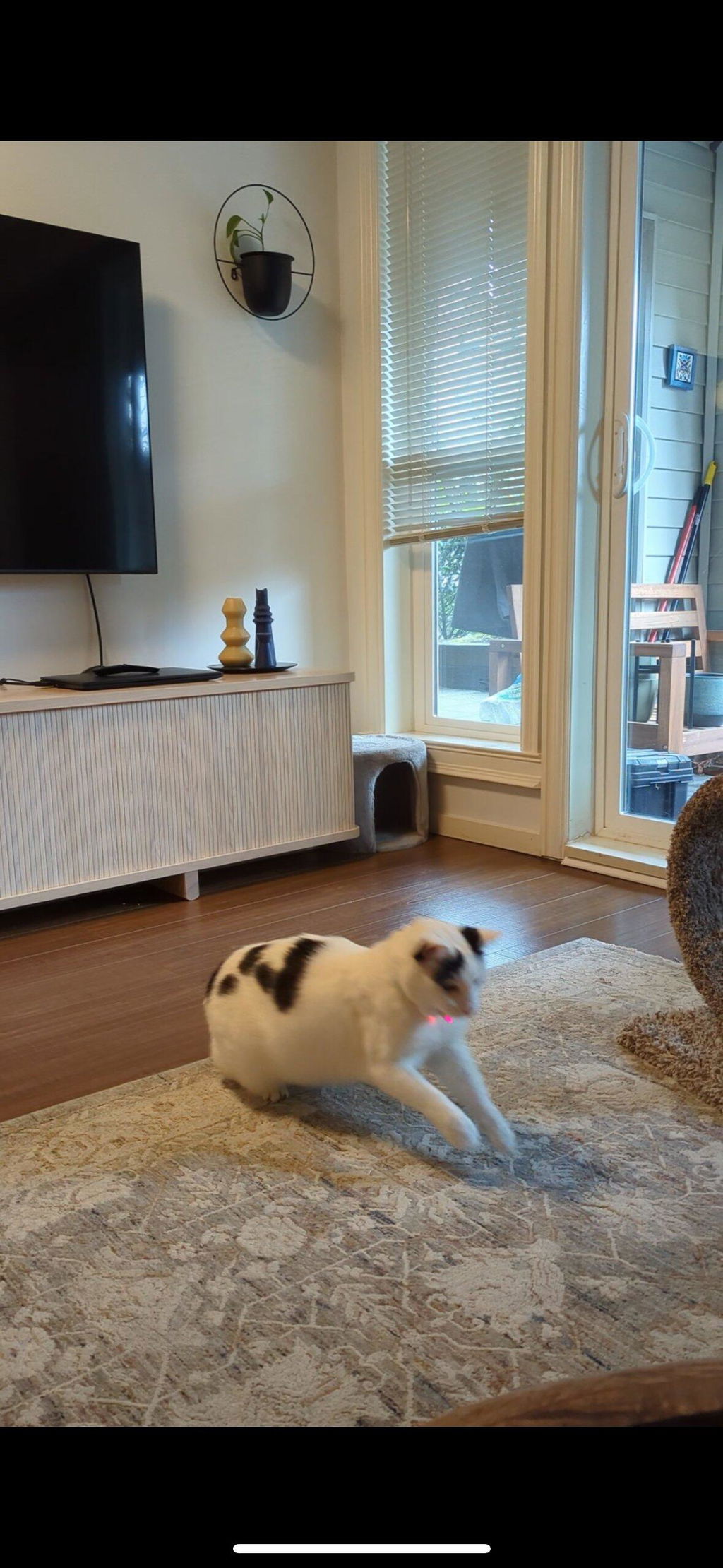
Maki playing with her ball. 😀
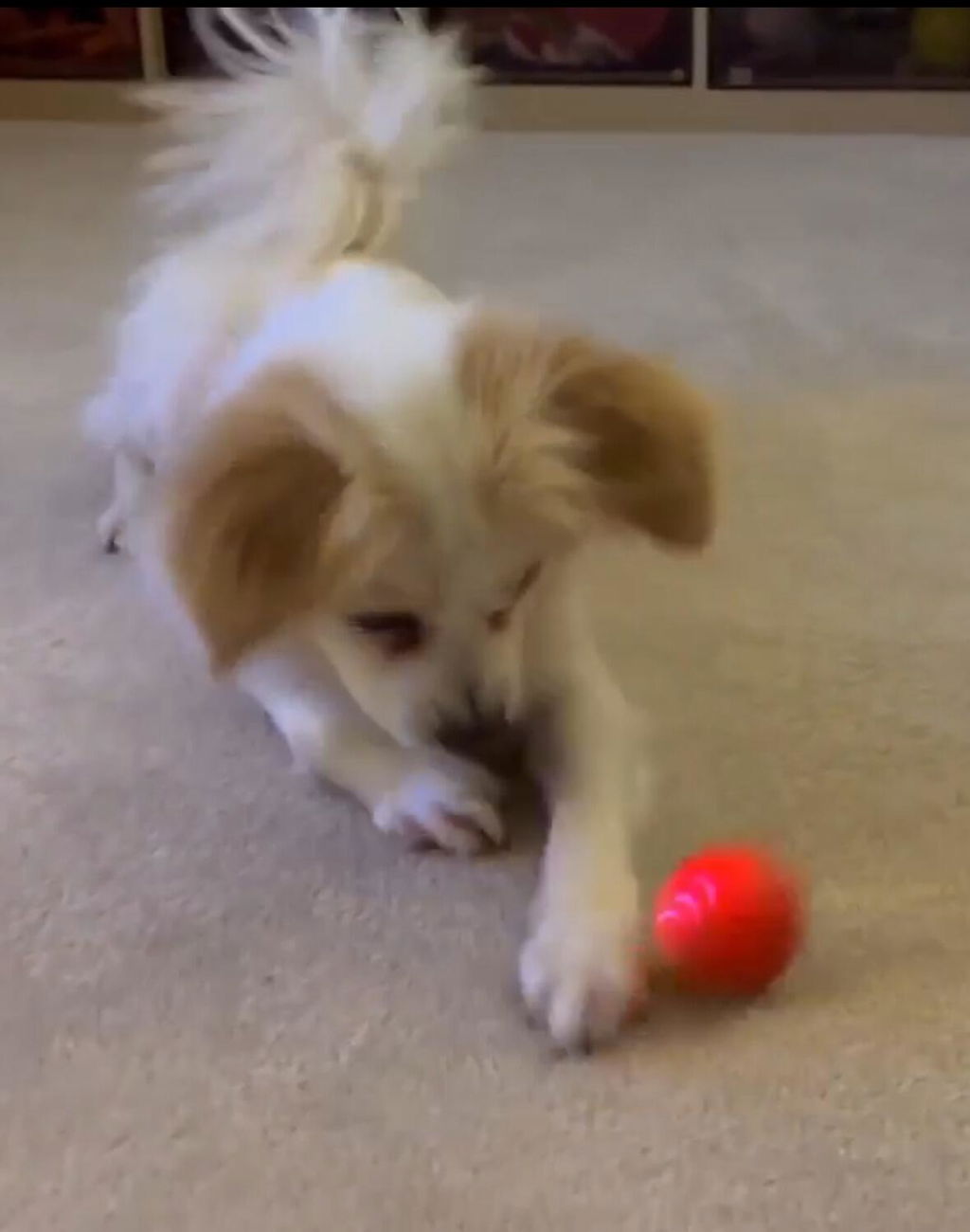
I'm using this stuff to keep my puppy busy and happy everyday.
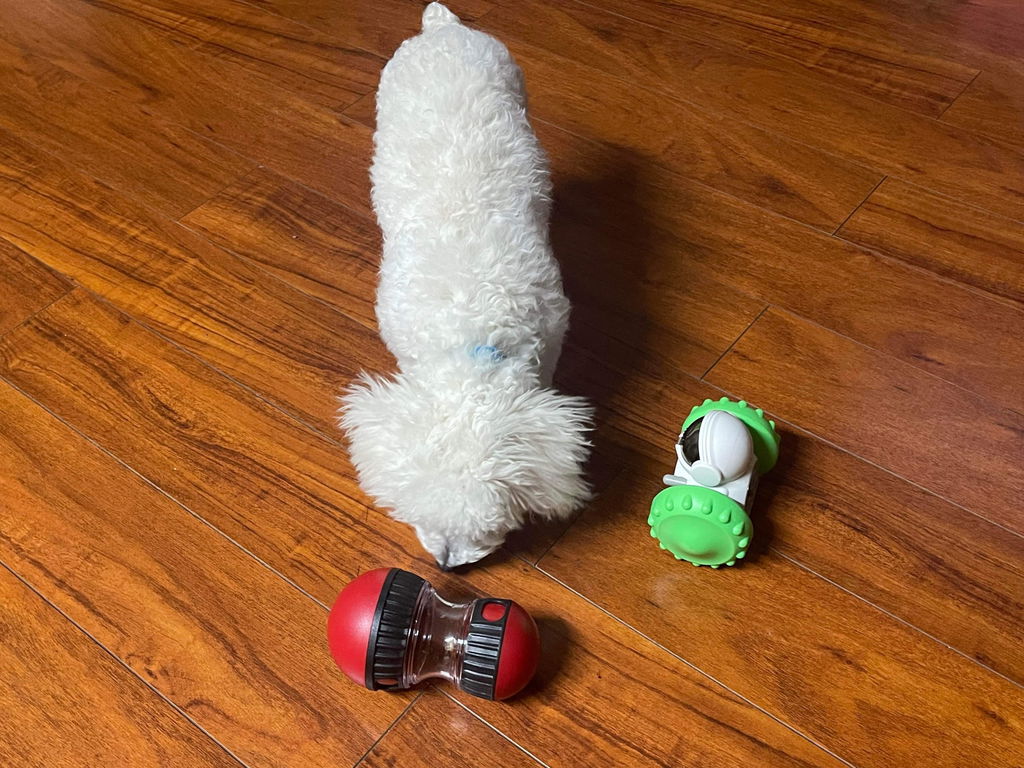
It keeps my puppy busy for more than 30 mins every time for a meal. and even after that she plays with it around as long as She get tired!
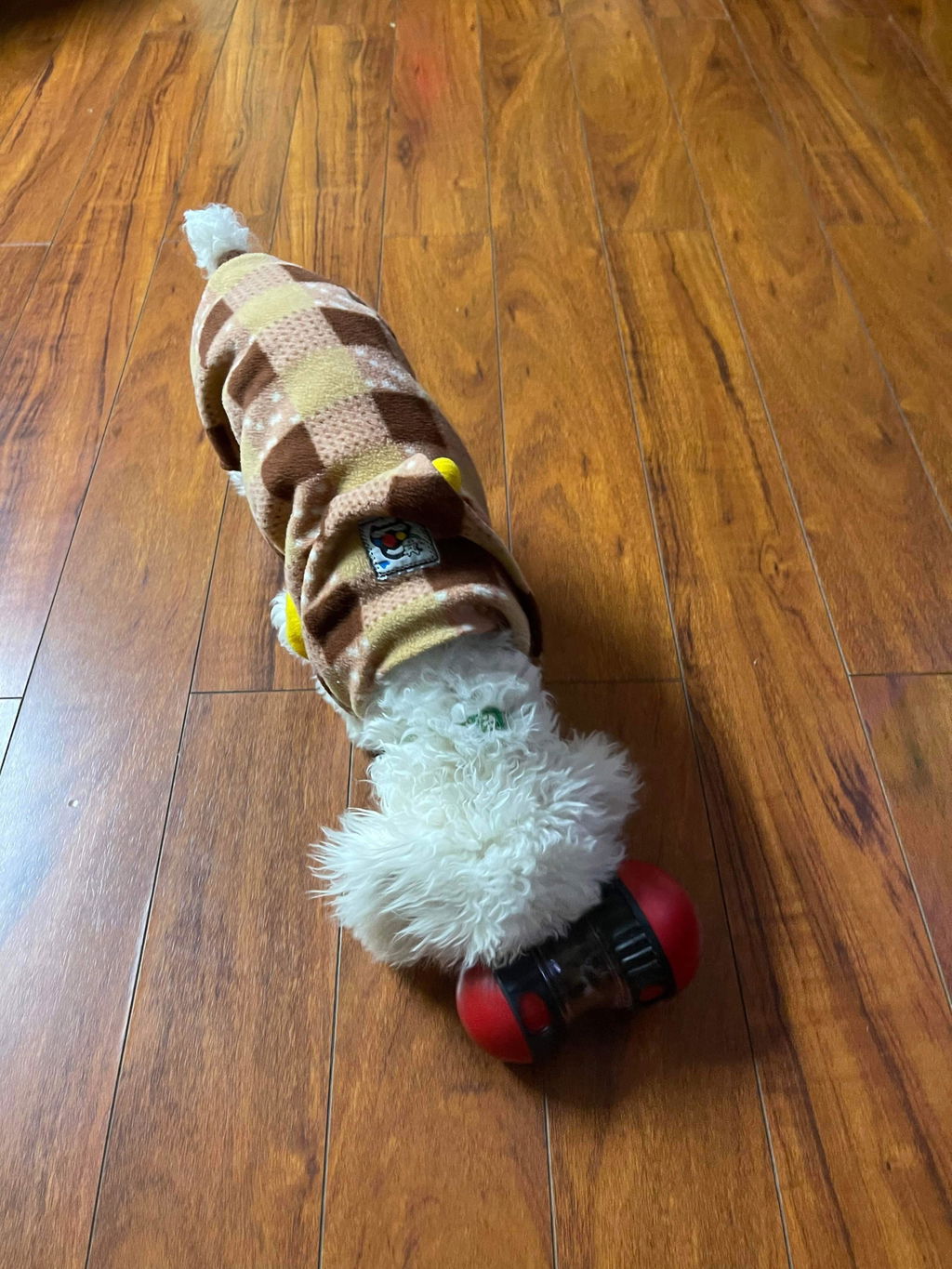
Fun "beginner level" toy. Works for cats too:)
Durable plastic, feels nice.
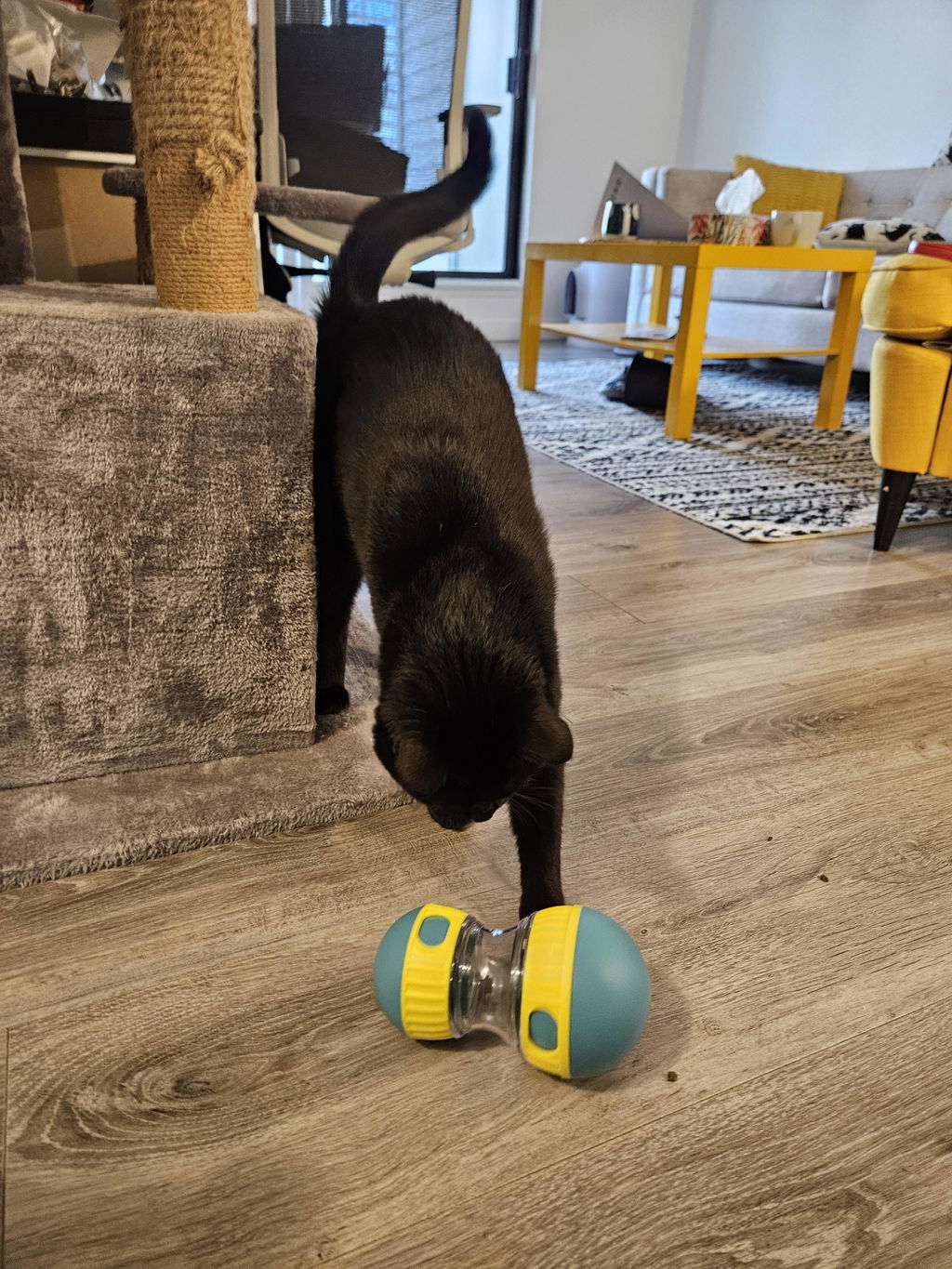
it is a bit hard on the walls but the cat just watches it. Does not interact with it. The ball works really well for what it is supposed to do.
If it was a bit softer the cat might enjoy it more.
I gave one to a neighbour who's dog loves it. She has a small dog so the size is just right.

Great bowl and such fun. Amazing the difference in time it now takes for my puppy to finish her meals. Much healthier for her! And she loves to play with it once it’s empty

Got this toy for my girl Archie and she absolutely loves it! It’s super durable, keeps her entertained for hours, and the treat dispenser is a fun bonus. Totally worth it

As soon as this ball comes out he gets very excited. The ball allows him to play by himself with the ball. His favourite toy by far.

The bone shape is super cute and simple, and makes mealtime fun for my pup. love it!