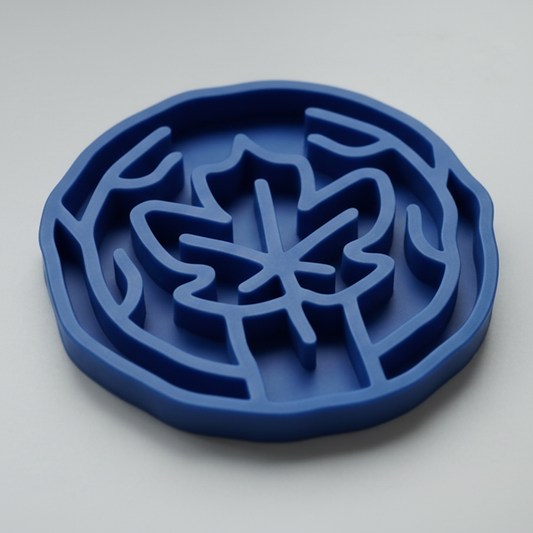
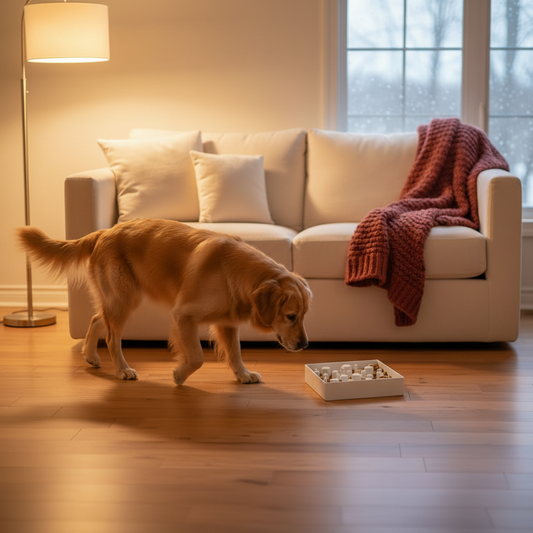
A cat treat puzzle toy that boosts daily activity
Index
Why a cat treat puzzle toy boosts daily activity
How to choose a cat treat puzzle toy that boosts daily activity
How to use a cat treat puzzle toy that boosts daily activity every day
A simple schedule for a cat treat puzzle toy that boosts daily activity
Indoor cats are smart, curious, and often a little too good at saving energy. If your cat naps most of the day and then asks for food again, you are not alone. A cat treat puzzle toy is one of the easiest ways to add movement and mental work to daily routines without stressing your cat out.
Think of it like healthy snacking with a purpose. Instead of treats disappearing in seconds, puzzle feeders and treat puzzles make your cat paw, sniff, and problem solve. That extra effort boosts daily activity, helps beat boredom, and can even support better mealtime habits.
Why a cat treat puzzle toy that boosts daily activity really works
Cats are natural hunters. In the wild, food comes after stalking, chasing, and searching. A cat treat puzzle toy brings back a small version of that cycle at home. This can reduce frustration and replace random zoomies with a calmer kind of play.
Daily activity improves because your cat is doing more than eating. They are shifting weight, stretching, using core muscles, and staying engaged longer. Many pet parents notice their cats seem more satisfied after a puzzle session compared to a quick bowl snack.
Another bonus: puzzle feeders can act like slow feeders. Slower eating can help cats that gulp, and it can turn treat time into enrichment time. If you shop for enrichment for the whole home, you can also explore Mental Stimulators for options that support calm, focused play.

How to choose a cat treat puzzle toy that boosts daily activity
Not every puzzle is the right match for every cat. The best cat treat puzzle toy is one that feels doable, safe, and fun. Here are a few practical things to look for.
Start with an easy win and level up slowly
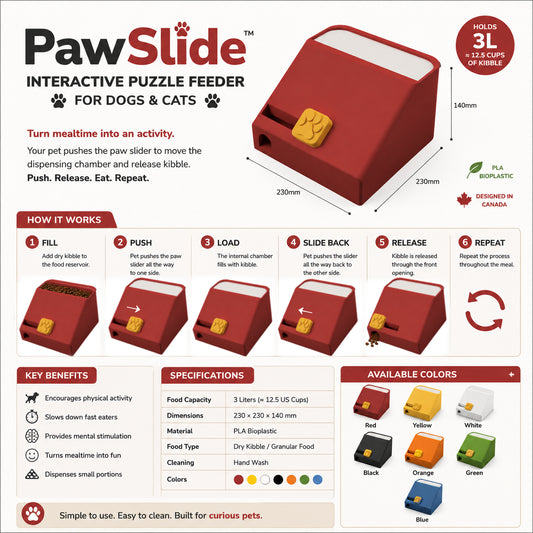
If your cat is new to puzzle feeders, start simple. A beginner toy with open tracks or wide holes helps your cat learn the idea fast. Once they understand that pawing leads to treats, you can move to more advanced puzzles with sliding lids or rotating parts.
Pick stable materials and easy cleaning
A good treat puzzle should not tip over every time your cat taps it. Look for a stable base and smooth edges. Cleaning matters too, since treat crumbs and oils can build up. Dishwasher safe parts or simple hand washing saves time.
Match the puzzle to treat size and diet goals
Tiny treats usually work best. If you use freeze dried treats, try breaking them into smaller pieces. This lets you control calories while still giving your cat plenty of successful rewards.
Many pet parents also like multi pet shopping, especially when looking for a dog gift or a cat gift in one order. If that is you, browse Gifts for Dogs and Cats. You will see ideas that work for both species, including enrichment styles that remind people of interactive dog toys, chew toys, and slow feeders.
| Cat treat puzzle toy type | Best for | Daily activity level | Tip |
|---|---|---|---|
| Rolling treat dispenser | Cats that like to chase | High | Use in a hallway for safe rolling space |
| Sliding lid puzzle feeder | Cats that enjoy problem solving | Medium | Start with lids half open so they learn faster |
| Track and paw puzzle | New puzzle users | Medium | Use extra smelly treats to build interest |
| Snuffle style mat | Sniffers and gentle eaters | Low to medium | Shake out crumbs and wash often |
How to use a cat treat puzzle toy that boosts daily activity at home
The goal is a routine your cat actually enjoys. Keep sessions short at first, even three to five minutes. End while your cat is still interested, not frustrated.
Place the puzzle on a non slip mat, away from loud appliances. Add a few treats, then help your cat succeed by nudging a treat closer to an opening. Praise softly. Over time, reduce the help.
If your cat eats part of their meal from a puzzle, that can be a gentle slow feeder approach. Dog parents often use slow feeders and puzzle feeders for dog enrichment, and the same idea applies here. You can also explore enrichment options in Interactive Toys to mix up play styles and prevent boredom.

A simple schedule for a cat treat puzzle toy that boosts daily activity
Consistency is more powerful than doing it once in a while. Try a simple plan you can actually keep.
- Morning: A small puzzle session before breakfast to start the day with movement.
- Afternoon: Two minutes of play, then a few treats in the puzzle to reset mood and reduce boredom.
- Evening: Use the puzzle toy as a calm wind down, then offer the rest of dinner.
If you have multiple pets, set up separate stations to avoid stress. And if your cat seems to guard the puzzle, keep sessions supervised and short.
Enrichment is also a thoughtful custom gift idea. Many families love personalised gift items for pets, like a customised slow feeder or a personalized dog bowl for their dog, while giving their cat a puzzle feeder for daily engagement. The real win is seeing your pets act more like themselves: curious, playful, and content.
When you want to make your cat’s day brighter, choose one small habit and stick with it. A cat treat puzzle toy can turn ordinary treats into a daily adventure. Visit Petsun home page and build a simple enrichment routine that helps your cat move, think, and feel loved every day.
Frequently Asked Questions
How do I get my cat to use a treat puzzle toy?
Start with an easy puzzle and use high value treats. Show your cat one quick success by placing a treat near an opening. Keep the first sessions short, then slowly increase the challenge.
Are puzzle feeders safe for cats that eat too fast?
Yes, many puzzle feeders act like slow feeders by making your cat work for each bite. Choose a stable design with smooth edges, and monitor at first to ensure your cat does not get frustrated.
How many treats should I put in a cat treat puzzle toy each day?
Use small portions and count them as part of your cat’s daily calories. Many cats do well with a few minutes of puzzle time once or twice daily, using tiny treats or a measured amount of kibble.
Let customers speak for us
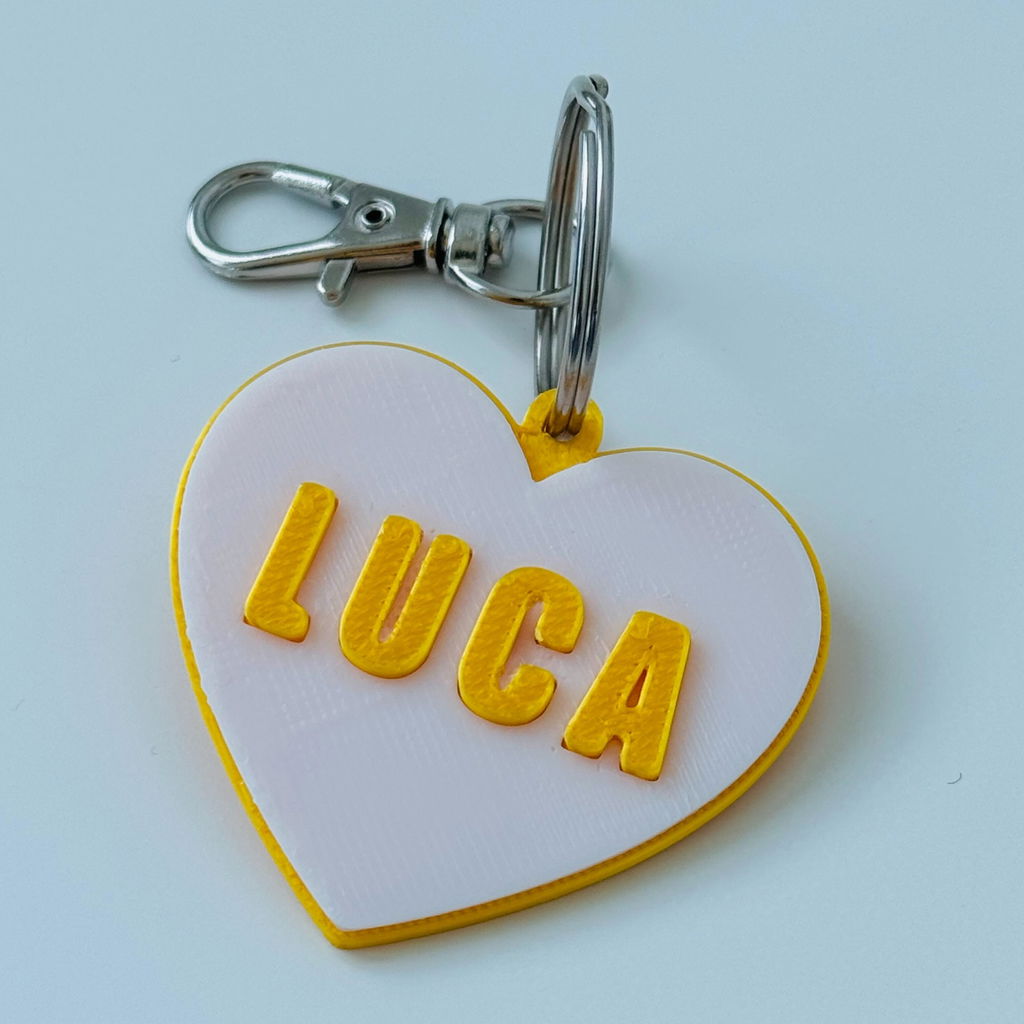
Golden Luca is pretty and it has my name and phone number on the flip side.
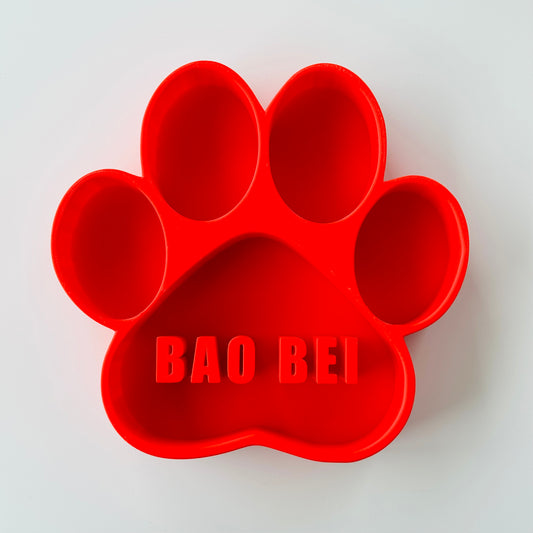
I bought it for Bao Bei to help him eat slower, also have a unique feeding bowl
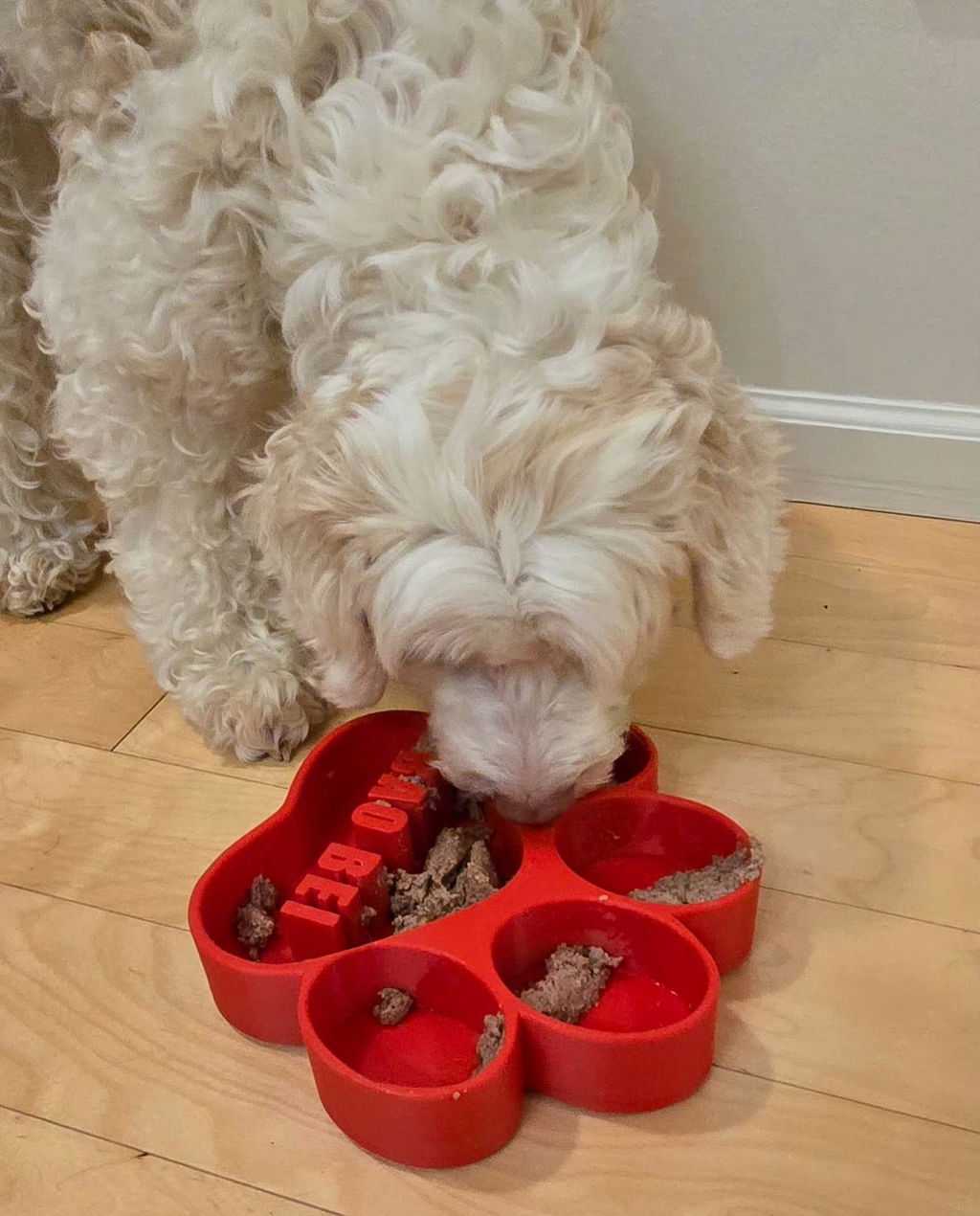
He is busy with it for hours and also I can fetch the toy when we want to spend time together
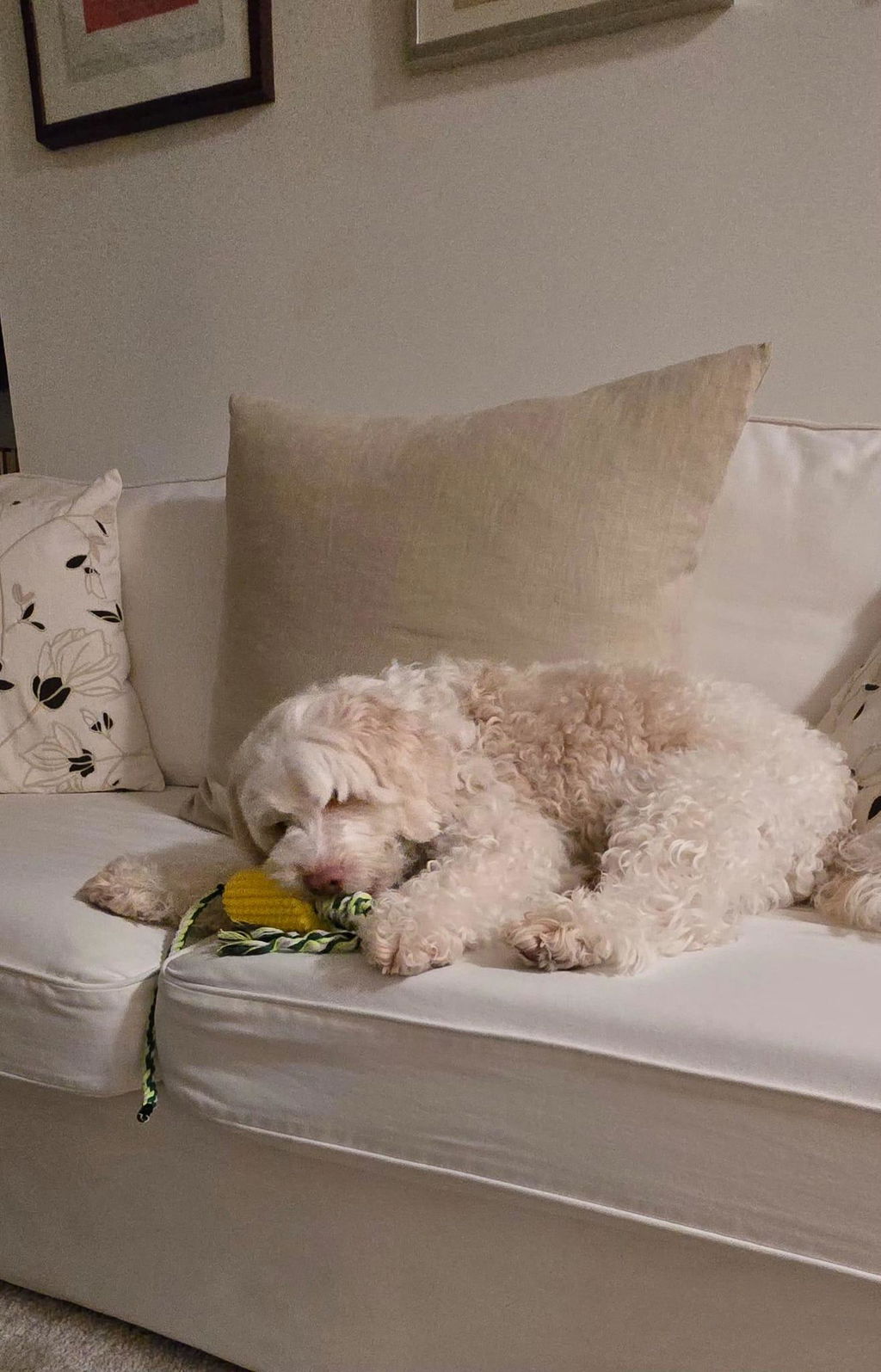
It made Sabar’s meal time more than double and I enjoy watching him eating from his unique bowl
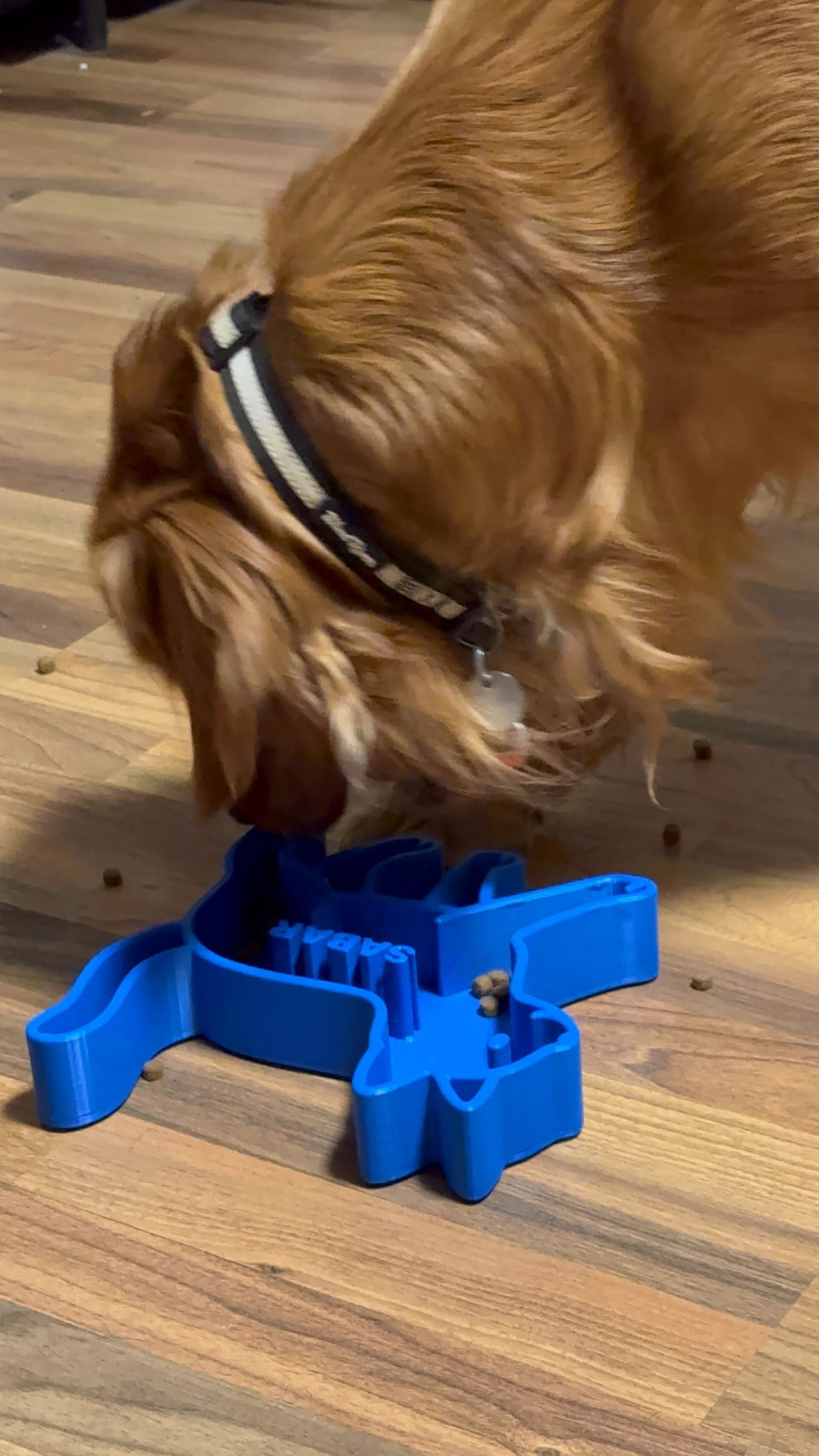
My paw was eating too fast and this bowl helped me to fix this problem
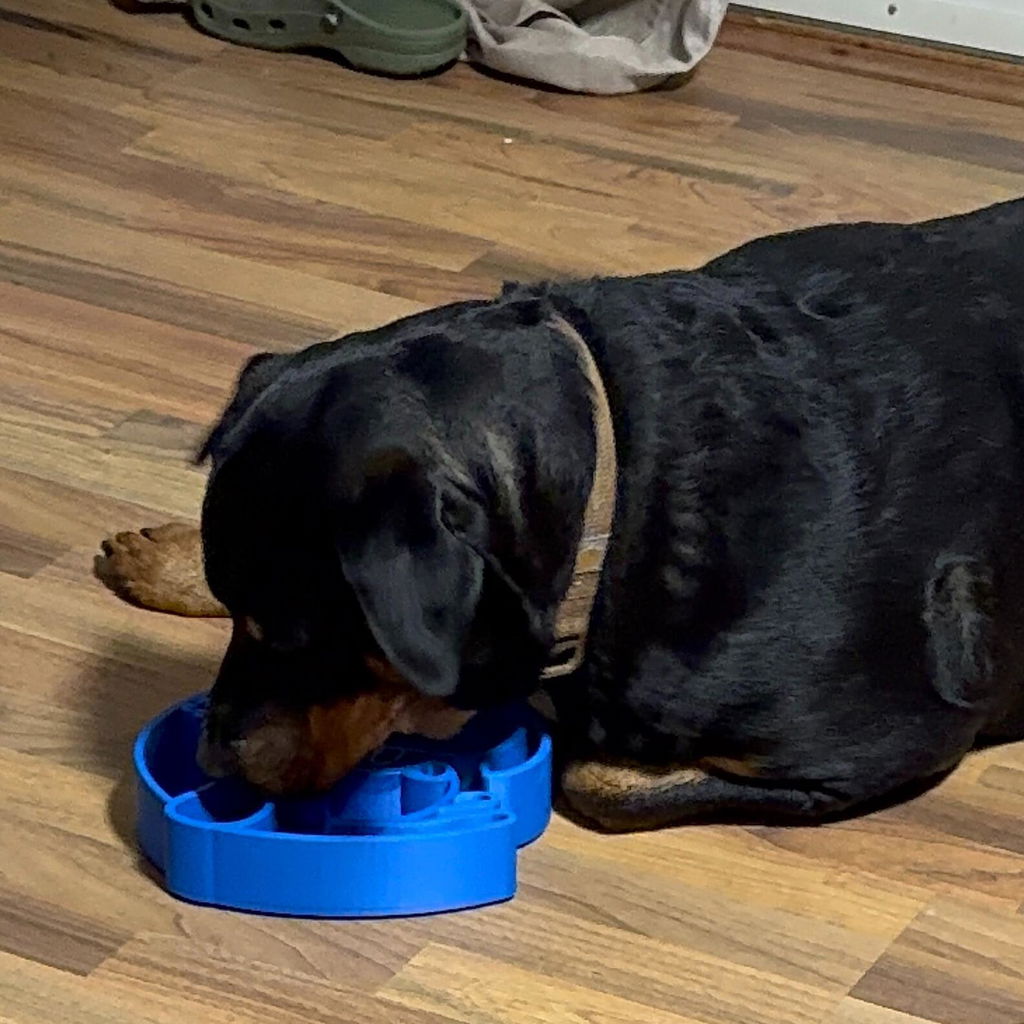
It can keep my cat's busy for a long time, but it should be under supervised I think. Long time playing with it can make them tired!
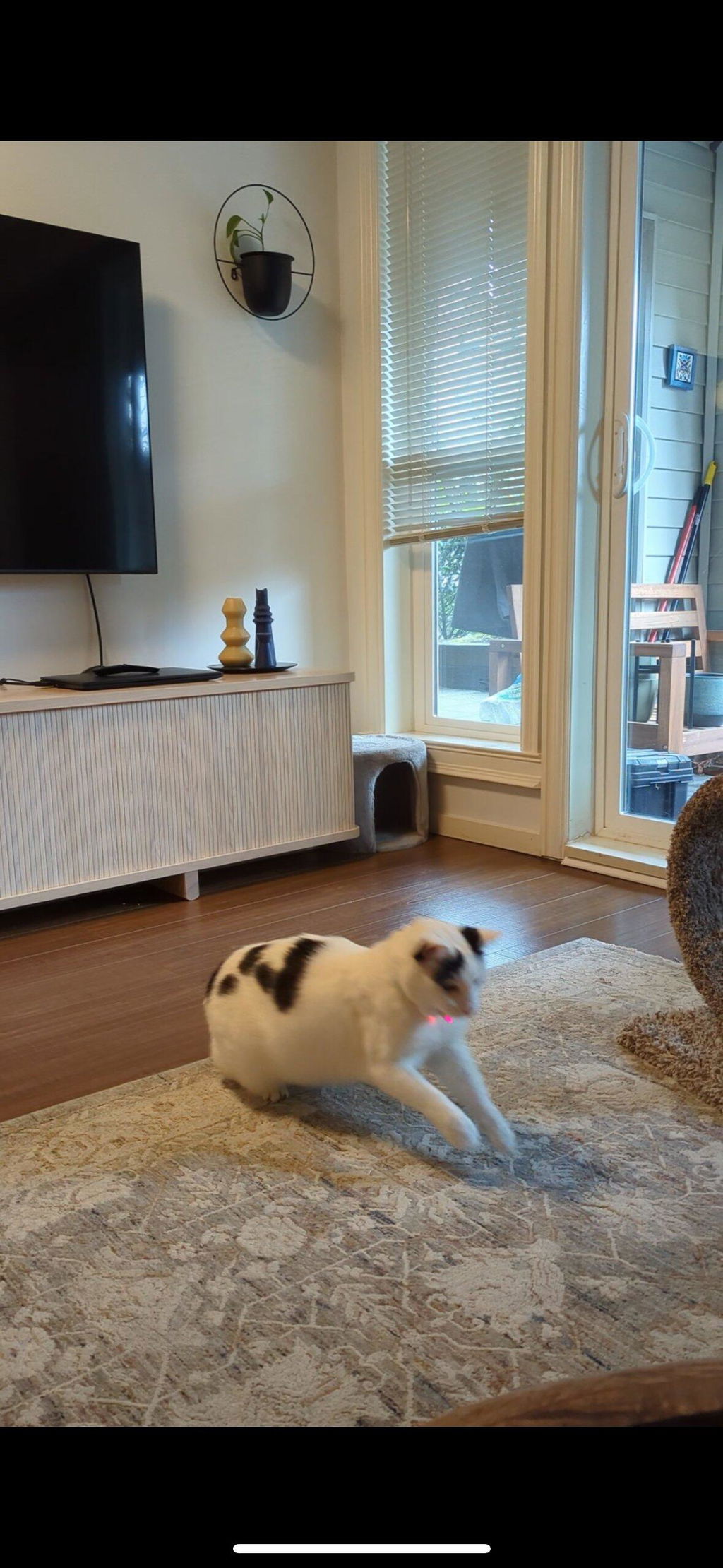
Maki playing with her ball. 😀
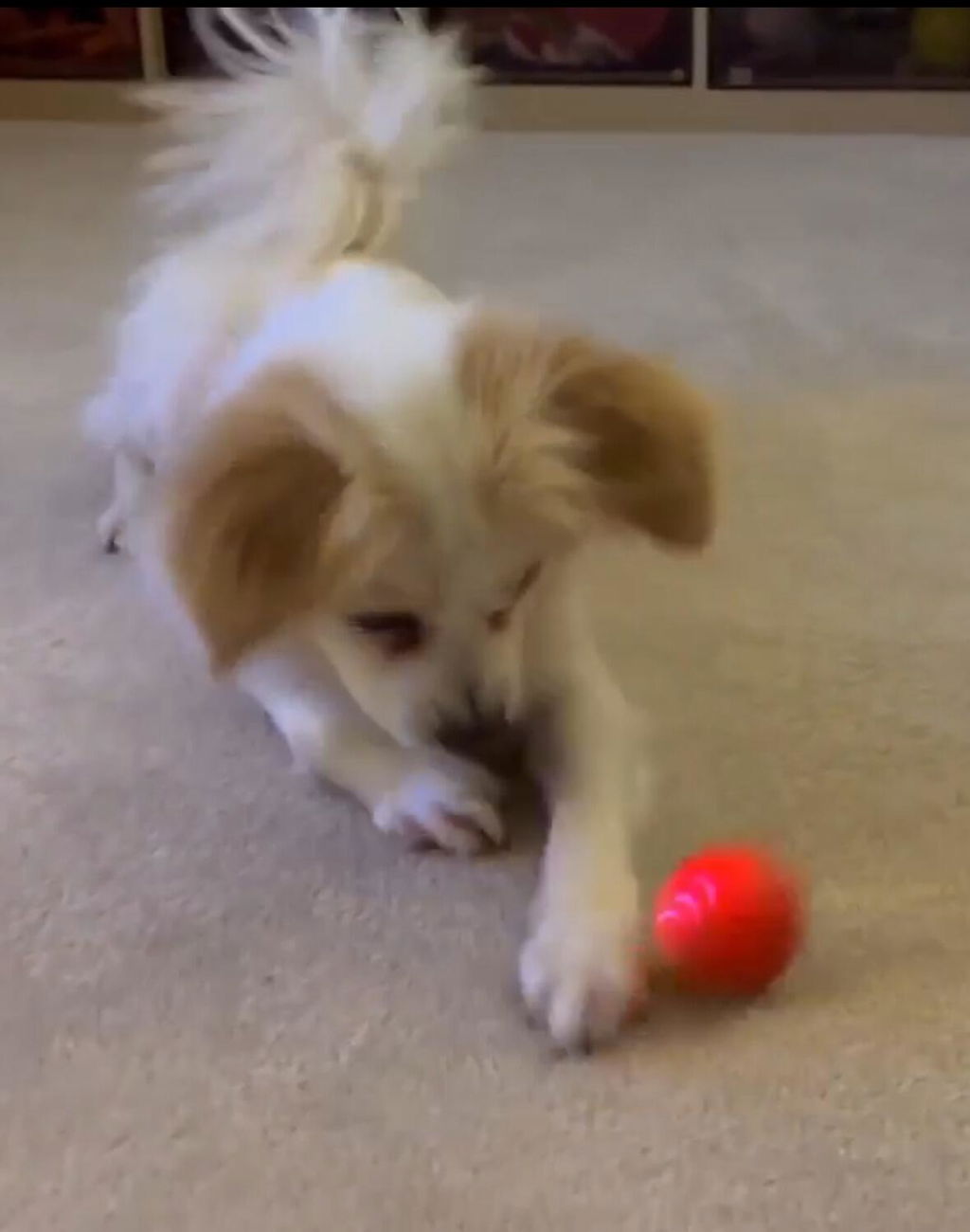
I'm using this stuff to keep my puppy busy and happy everyday.
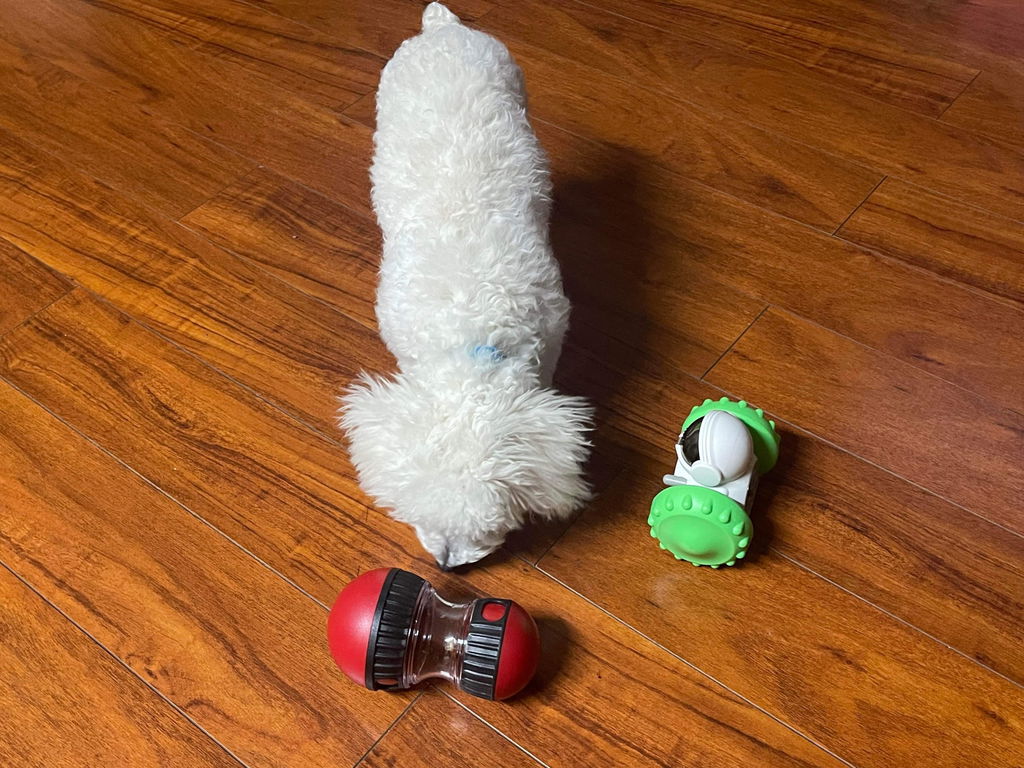
It keeps my puppy busy for more than 30 mins every time for a meal. and even after that she plays with it around as long as She get tired!
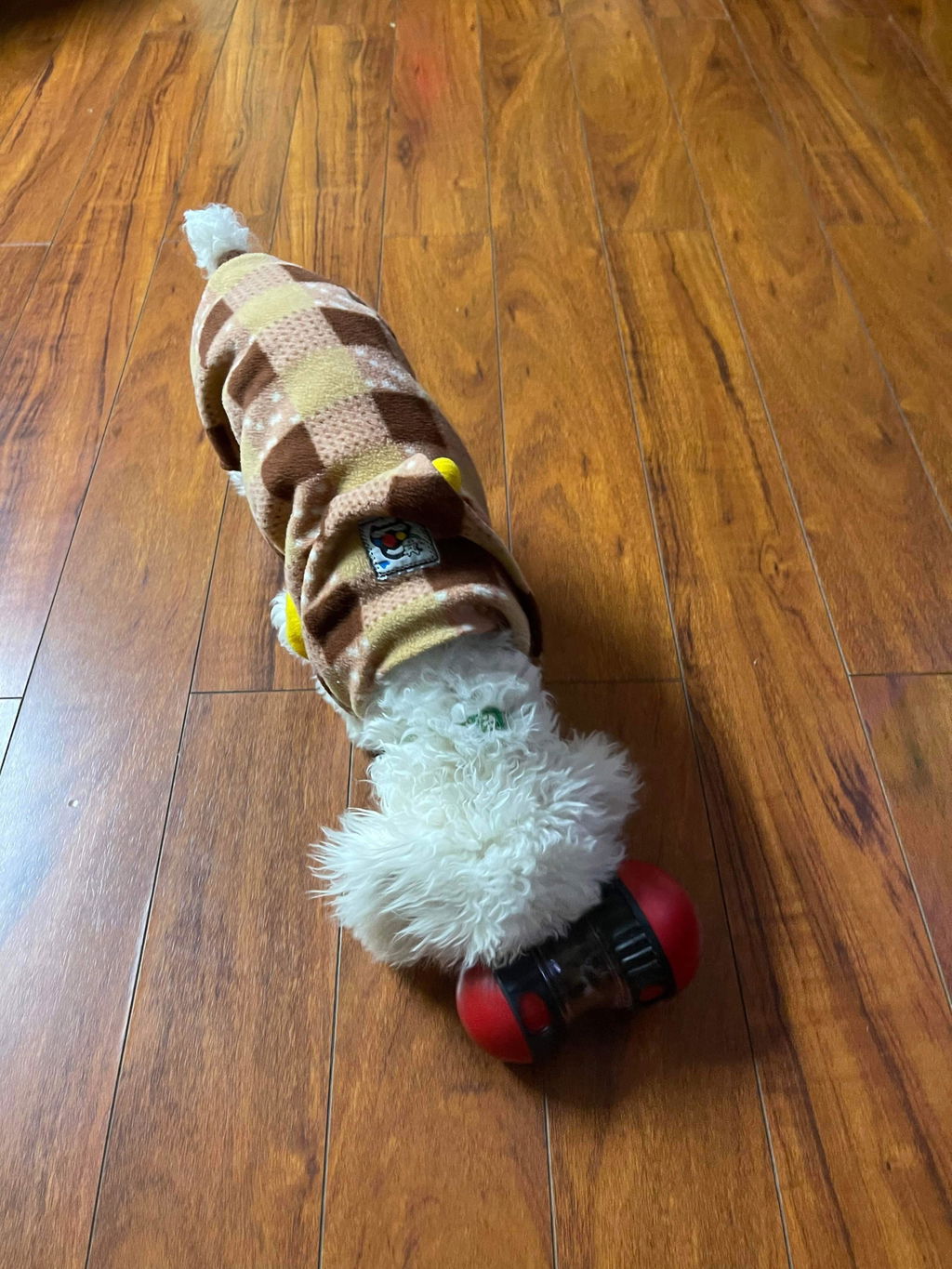
Fun "beginner level" toy. Works for cats too:)
Durable plastic, feels nice.
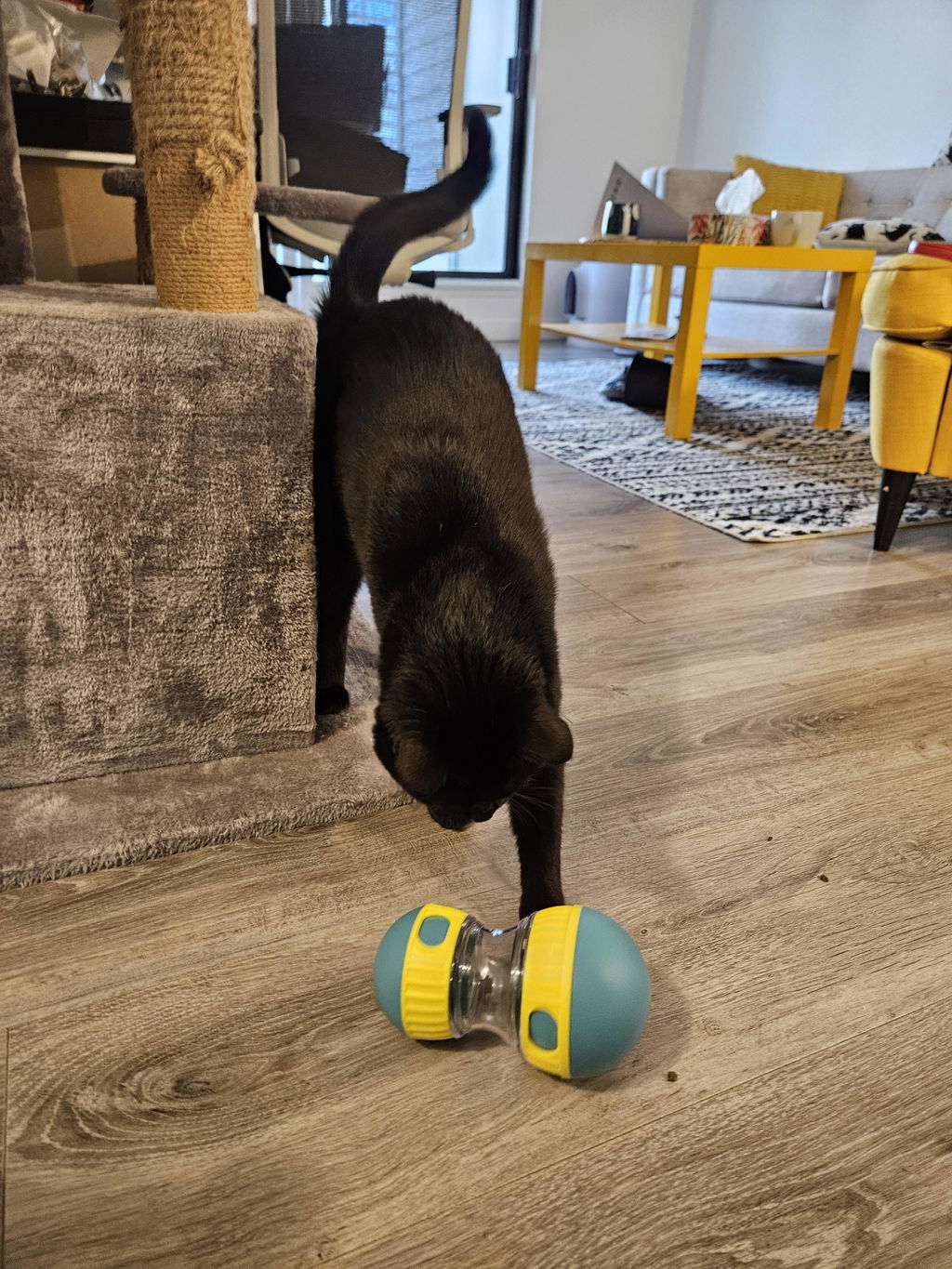
it is a bit hard on the walls but the cat just watches it. Does not interact with it. The ball works really well for what it is supposed to do.
If it was a bit softer the cat might enjoy it more.
I gave one to a neighbour who's dog loves it. She has a small dog so the size is just right.

Great bowl and such fun. Amazing the difference in time it now takes for my puppy to finish her meals. Much healthier for her! And she loves to play with it once it’s empty

Got this toy for my girl Archie and she absolutely loves it! It’s super durable, keeps her entertained for hours, and the treat dispenser is a fun bonus. Totally worth it

As soon as this ball comes out he gets very excited. The ball allows him to play by himself with the ball. His favourite toy by far.

The bone shape is super cute and simple, and makes mealtime fun for my pup. love it!