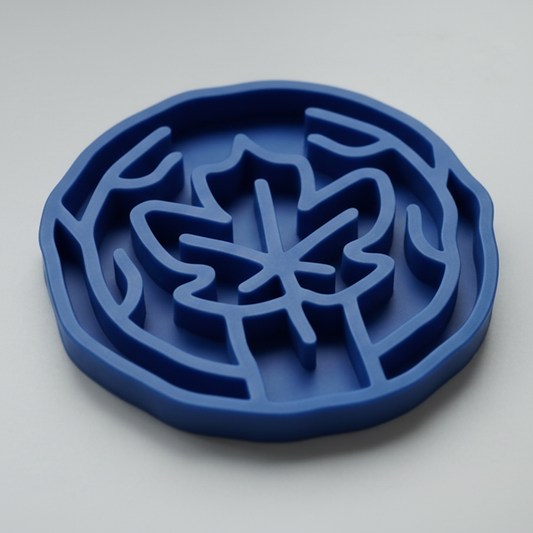
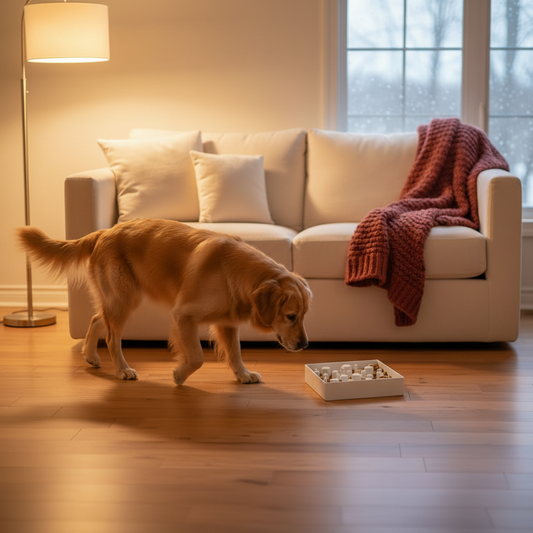
How a puzzle feeder puppy can improve training from day one
Index
Why a puzzle feeder puppy helps from day one
Puzzle feeder puppy training skills you build fast
Bringing home a puppy is exciting and overwhelming at the same time. You want calm meals, fewer nips, better focus, and smoother training sessions without turning your living room into chaos. A puzzle feeder puppy routine can help from day one, because it turns your puppy’s natural drive to sniff, lick, and problem solve into a positive habit. It is not just feeding. It is dog enrichment, confidence building, and training, all wrapped into a simple daily ritual.
Many trainers recommend using food as reinforcement, but hand feeding every piece is not realistic for every family. Puzzle feeders and slow feeders offer a middle path: your puppy earns meals through an interactive dog toy, which naturally strengthens patience and impulse control.
Why a puzzle feeder puppy can improve training from day one
On the first day, your puppy is learning what your home feels like, what is safe, and how to settle. A puzzle feeder gives structure. Instead of gulping food in seconds and looking for trouble, your puppy stays engaged and satisfied longer. That extra time matters, because it reduces boredom and helps prevent unwanted chewing and attention barking.
Puzzle feeders also encourage calm problem solving. When your puppy learns that quiet focus makes food appear, you are reinforcing the same emotional skills needed for leash walking, greeting guests, and staying relaxed in a crate. Think of it as training the brain first, before adding distractions.
For gentle, everyday enrichment, explore Dogs and Cats Feeders to find options that support slower eating and steadier energy.

Puzzle feeder puppy training skills you build fast with a puzzle feeder puppy
Using a puzzle feeder puppy plan is not a gimmick. It supports core training goals that most families want immediately.
Impulse control and calmer manners
When a puppy learns to work through a feeder, they practice waiting and staying engaged without grabbing. This pairs beautifully with simple cues like sit and down, because your puppy is already in a learning mindset. Over time, many puppies also become less frantic around the food bowl, which can reduce resource guarding risk when combined with safe handling and positive routines.
Focus and problem solving
Interactive dog toys and puzzle feeders activate the seeking system in the brain. That means your puppy is using their nose, eyes, and paws to get results. This kind of mental stimulation often translates to better focus during short training sessions, especially for puppies that get distracted easily.
Better chewing choices
Puppies chew because they are teething, exploring, and self soothing. If meals end too quickly, chewing often shifts to furniture or hands. Puzzle feeders make the meal last longer, and you can follow with appropriate chew toys. If your puppy loves to chomp, consider rotating safe edibles from Dog Chews along with feeder time to build a healthy routine.
| Puzzle feeder type | Best for day one | Training benefit | Supervision level |
|---|---|---|---|
| Slow feeder bowl | Puppies who eat too fast | Calm eating, impulse control | Low to medium |
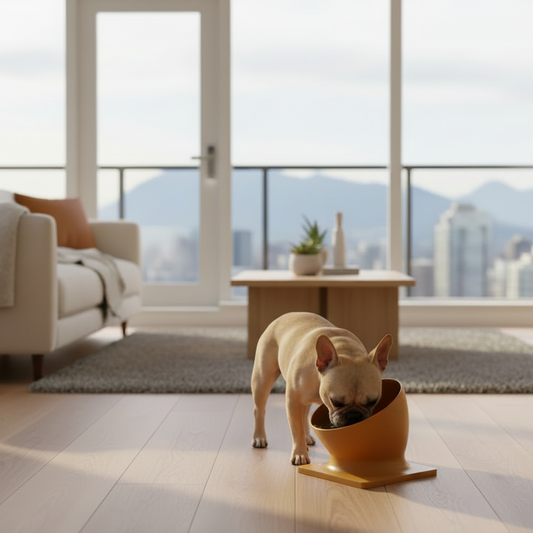
| Lick mat style feeder | Crate training and grooming days | Settling, positive association | Medium |
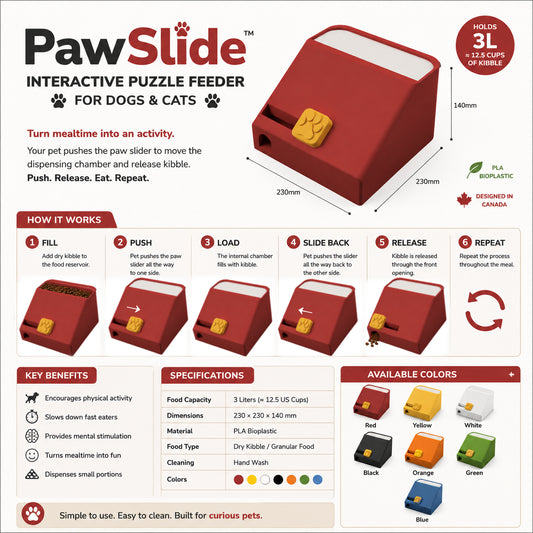
| Sliding compartment puzzle | Confident puppies who enjoy pawing | Problem solving, focus | High at first |
| Rolling dispenser toy | High energy puppies | Energy release, engagement | High |
How to choose the right puzzle feeder puppy setup
Start easier than you think. Day one should feel winnable. Pick a feeder that matches your puppy’s size and frustration tolerance. If your puppy gives up quickly, switch to a simpler slow feeder and build up over time.
Look for a stable base, puppy safe materials, and grooves that are not too deep for a small tongue. If you want something special that fits your space and feeding style, a customised slow feeder can also be a thoughtful dog gift, especially for new puppy parents. A personalized dog bowl or custom gift is practical and memorable, and it can help you stay consistent with portions.
For a great starting point, many families love Custom Slow Puzzle Feeder Bowl because it supports slow feeding and interactive meals in one simple tool.

A day one puzzle feeder puppy routine that works
Keep it simple and repeatable. Consistency is the real secret of puppy training.
- Morning offer part of breakfast in a slow feeder. Do two minutes of basic cues after, like sit and touch.
- Midday use a small puzzle feeder for a short calm break. This helps prevent midday zoomies turning into biting.
- Evening use the easiest puzzle option again. End with a safe chew toy and quiet time.
If your puppy gets frustrated, help them succeed by loosening the challenge. Scatter a few pieces near the top, or mix in higher value rewards. Always supervise, and remove the feeder if your puppy tries to chew and swallow parts.
For more variety, rotate interactive dog toys and brain games from Interactive Toys. A rotation prevents boredom and keeps training fresh.
In the first week, you will likely notice your puppy settling faster after meals, responding quicker to their name, and showing better emotional control when excited. Those wins add up. A puzzle feeder puppy routine is not only about slowing down eating. It is about building a confident learner who feels good in your home.
When you are ready to set your puppy up for calmer days and happier training, visit Petsun home page and choose a feeder or interactive dog toy that fits your puppy’s personality. Your puppy is learning every day, and your kindness, patience, and routine will become their safe place.
Your puppy’s first habits often become lifelong habits. Start with a gentle puzzle feeder today, and turn every meal into a moment of trust, calm, and connection. You will feel the difference in your home, and your puppy will feel it in their heart.
Frequently Asked Questions
What age can I start using a puzzle feeder puppy routine?
You can start on day one after your puppy arrives home, as long as the feeder is puppy safe and the difficulty is easy. Begin with a slow feeder bowl or a simple lick style feeder and supervise closely.
Can puzzle feeders replace training sessions for a puppy?
Puzzle feeders are not a full replacement, but they support training by improving focus, patience, and calm behavior. Combine puzzle feeding with short, upbeat sessions that last one to three minutes.
What if my puppy gets frustrated or chews the puzzle feeder?
Make the puzzle easier and help your puppy succeed by placing food near the top or using larger pieces. If chewing becomes the goal, remove the feeder and switch to a sturdier slow feeder and offer appropriate chew toys right after.
Let customers speak for us
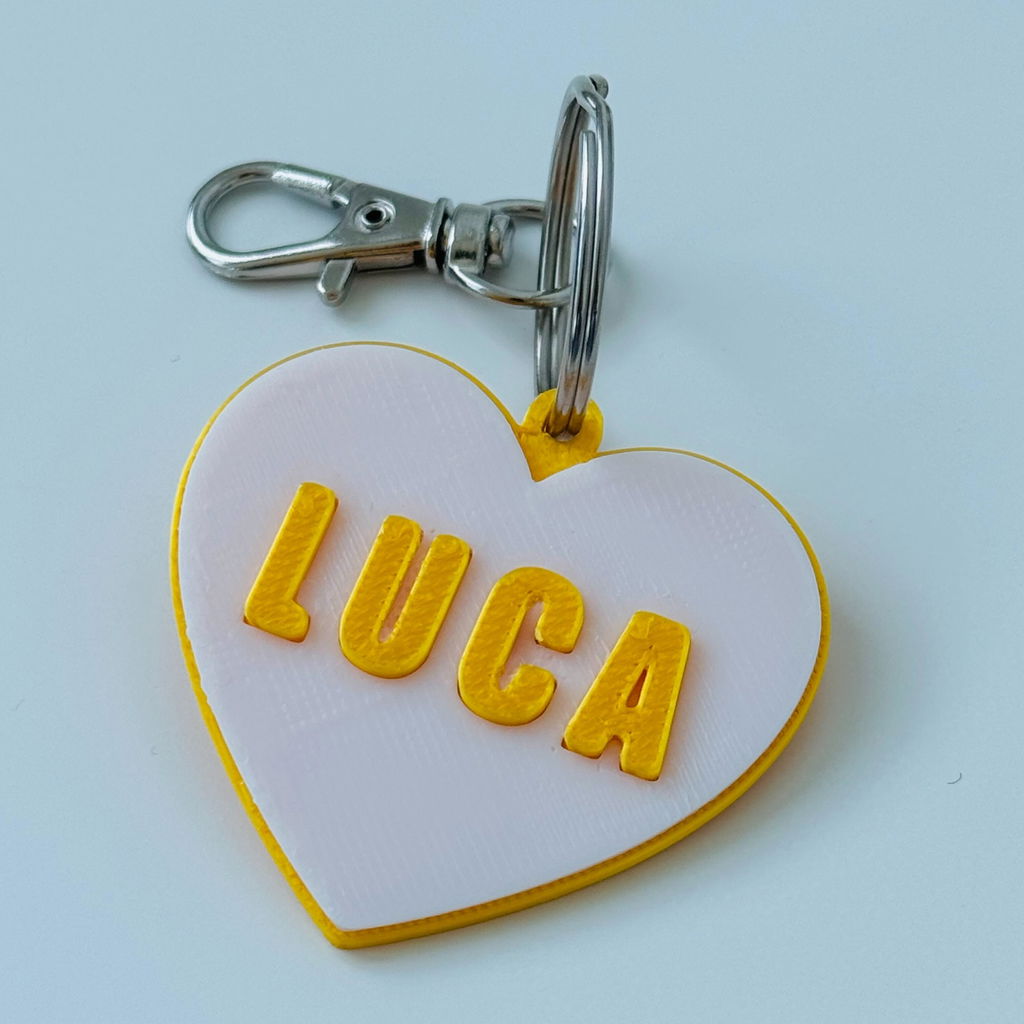
Golden Luca is pretty and it has my name and phone number on the flip side.
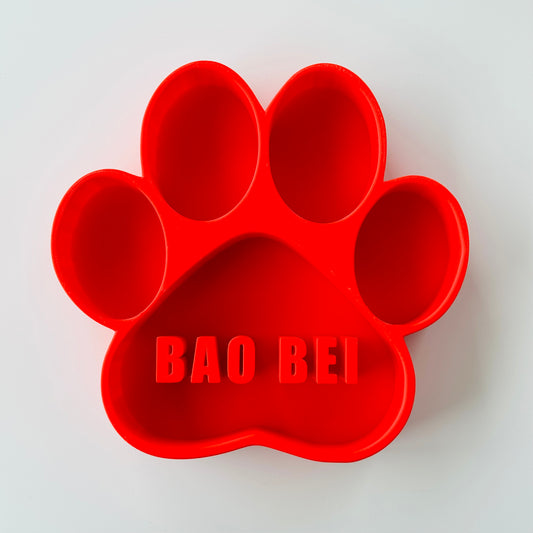
I bought it for Bao Bei to help him eat slower, also have a unique feeding bowl
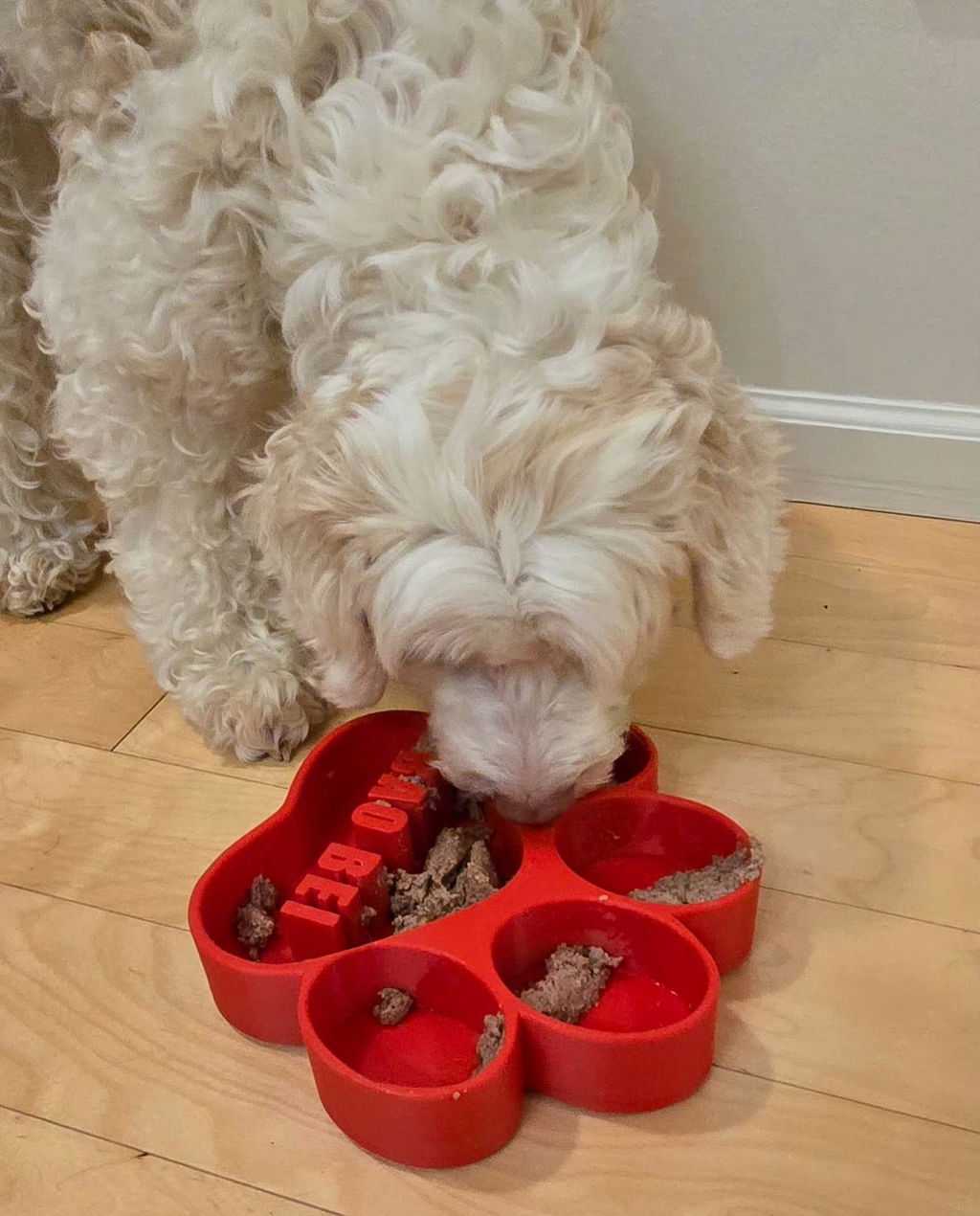
He is busy with it for hours and also I can fetch the toy when we want to spend time together
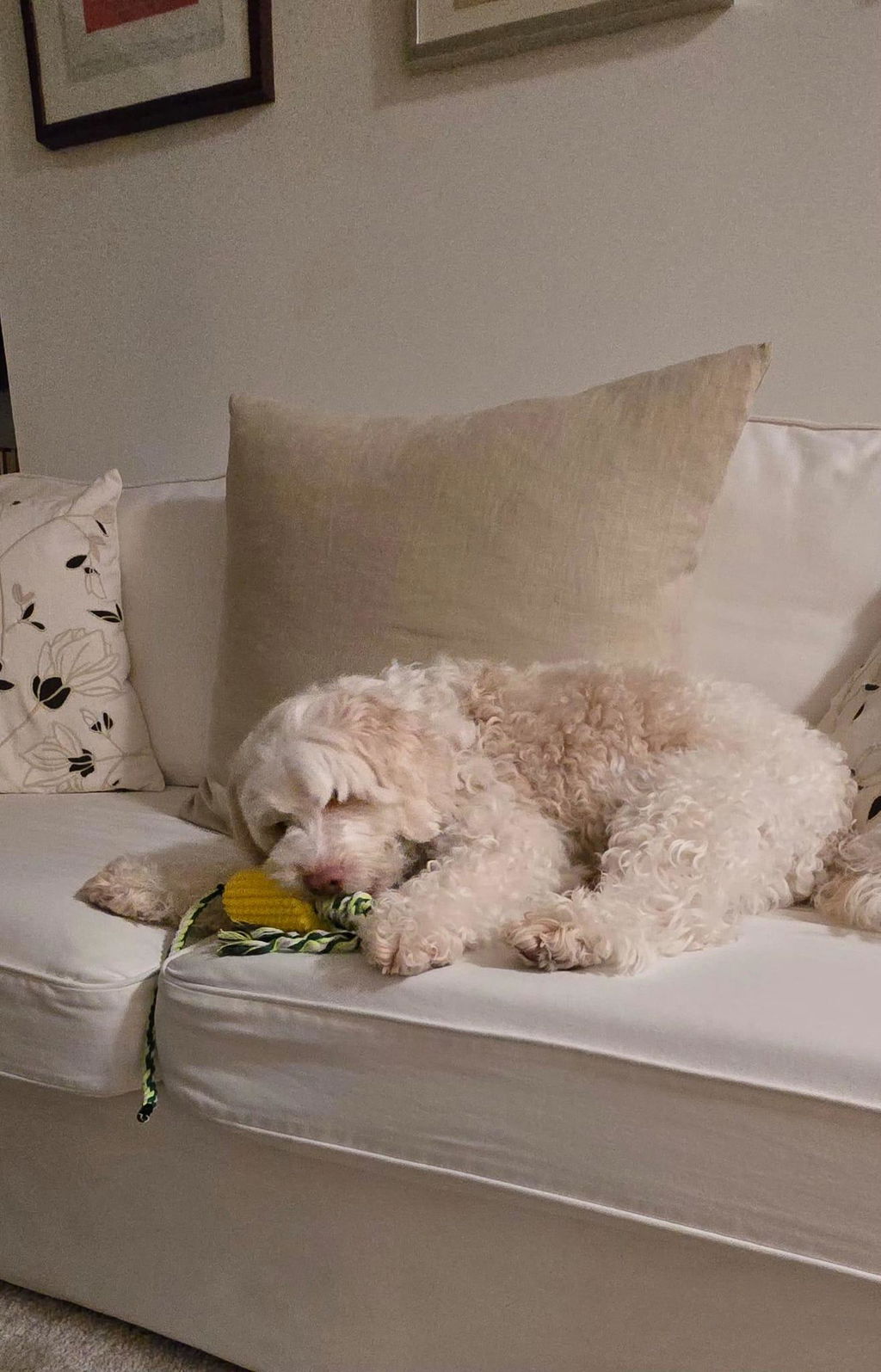
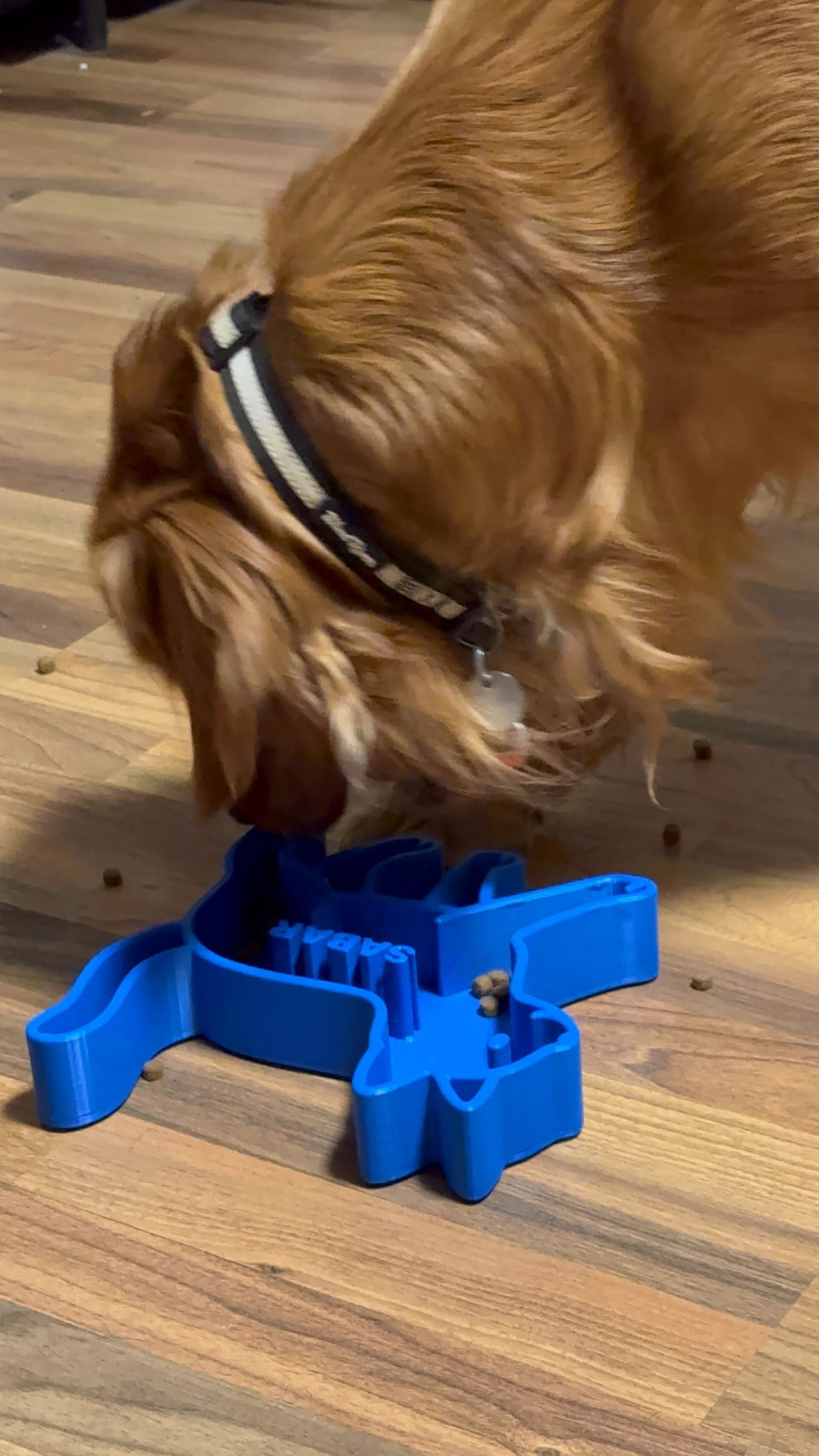
It made Sabar’s meal time more than double and I enjoy watching him eating from his unique bowl
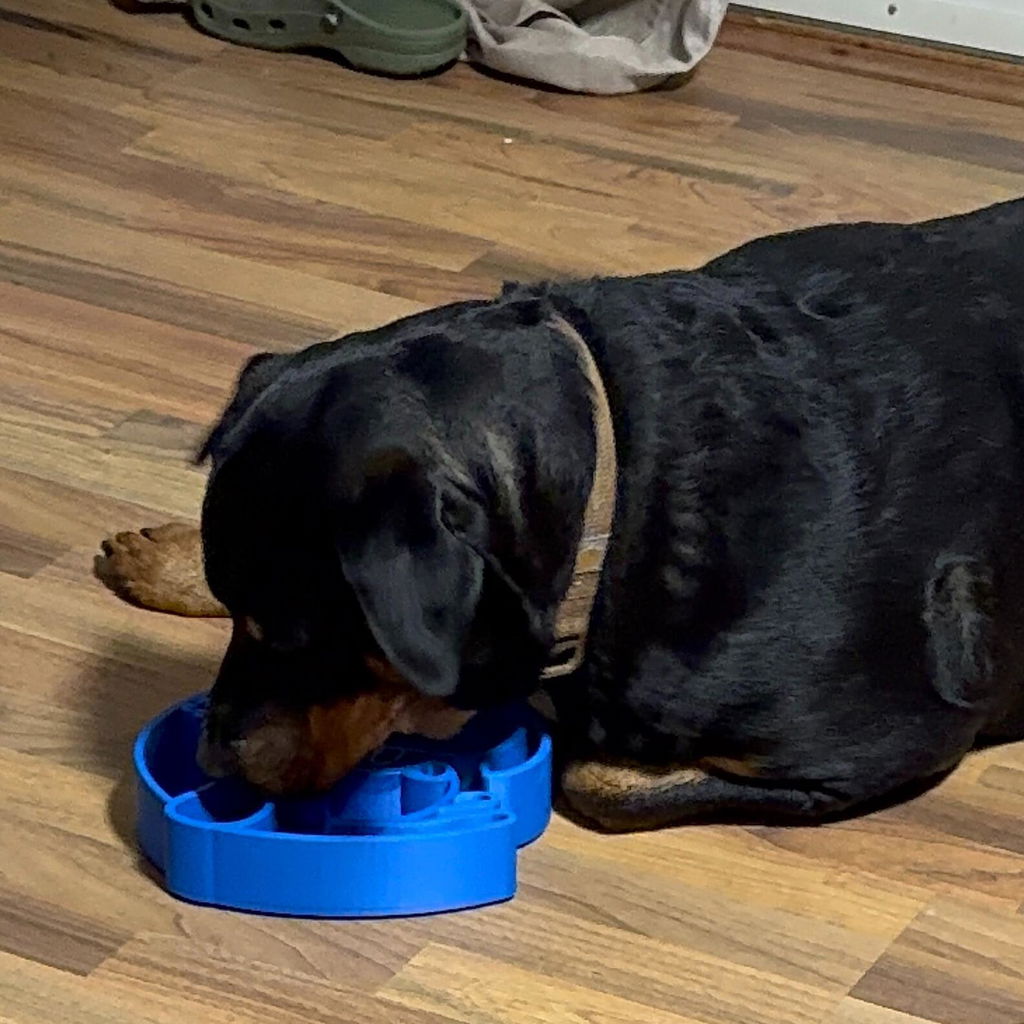
My paw was eating too fast and this bowl helped me to fix this problem
It can keep my cat's busy for a long time, but it should be under supervised I think. Long time playing with it can make them tired!
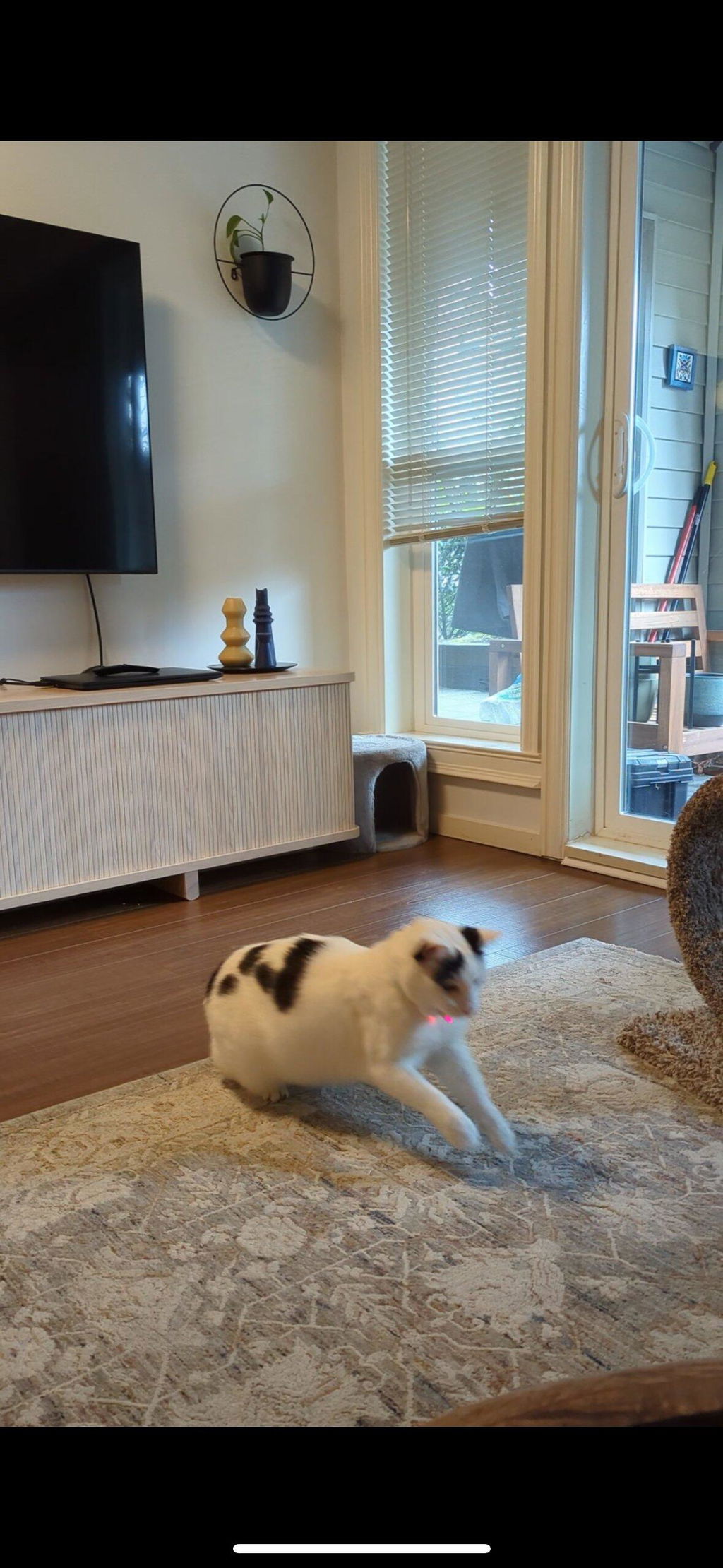
Maki playing with her ball. 😀
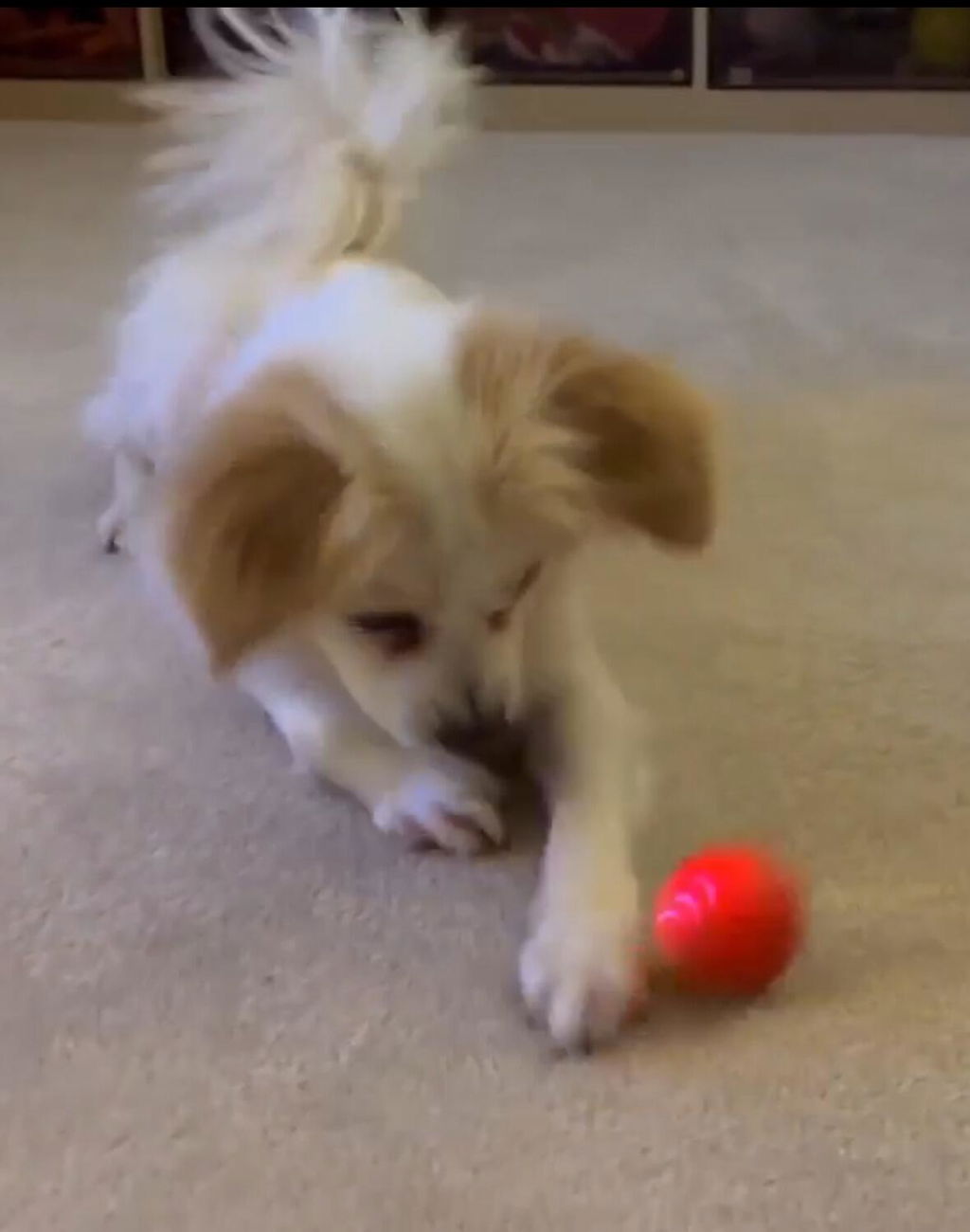
I'm using this stuff to keep my puppy busy and happy everyday.
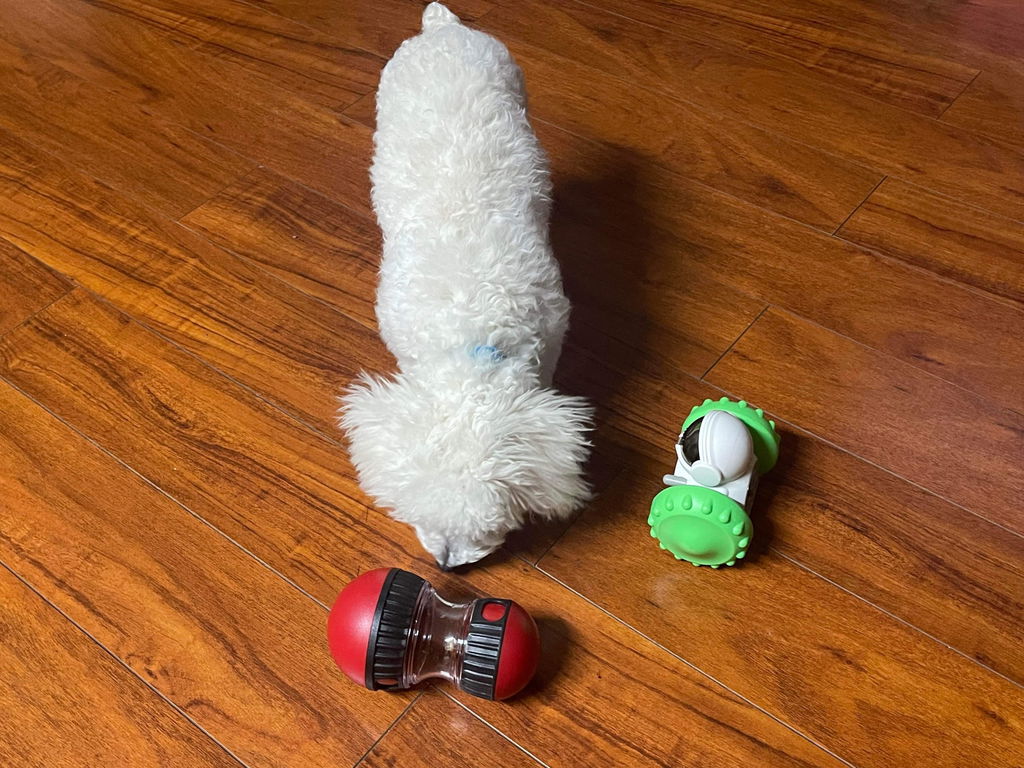
It keeps my puppy busy for more than 30 mins every time for a meal. and even after that she plays with it around as long as She get tired!
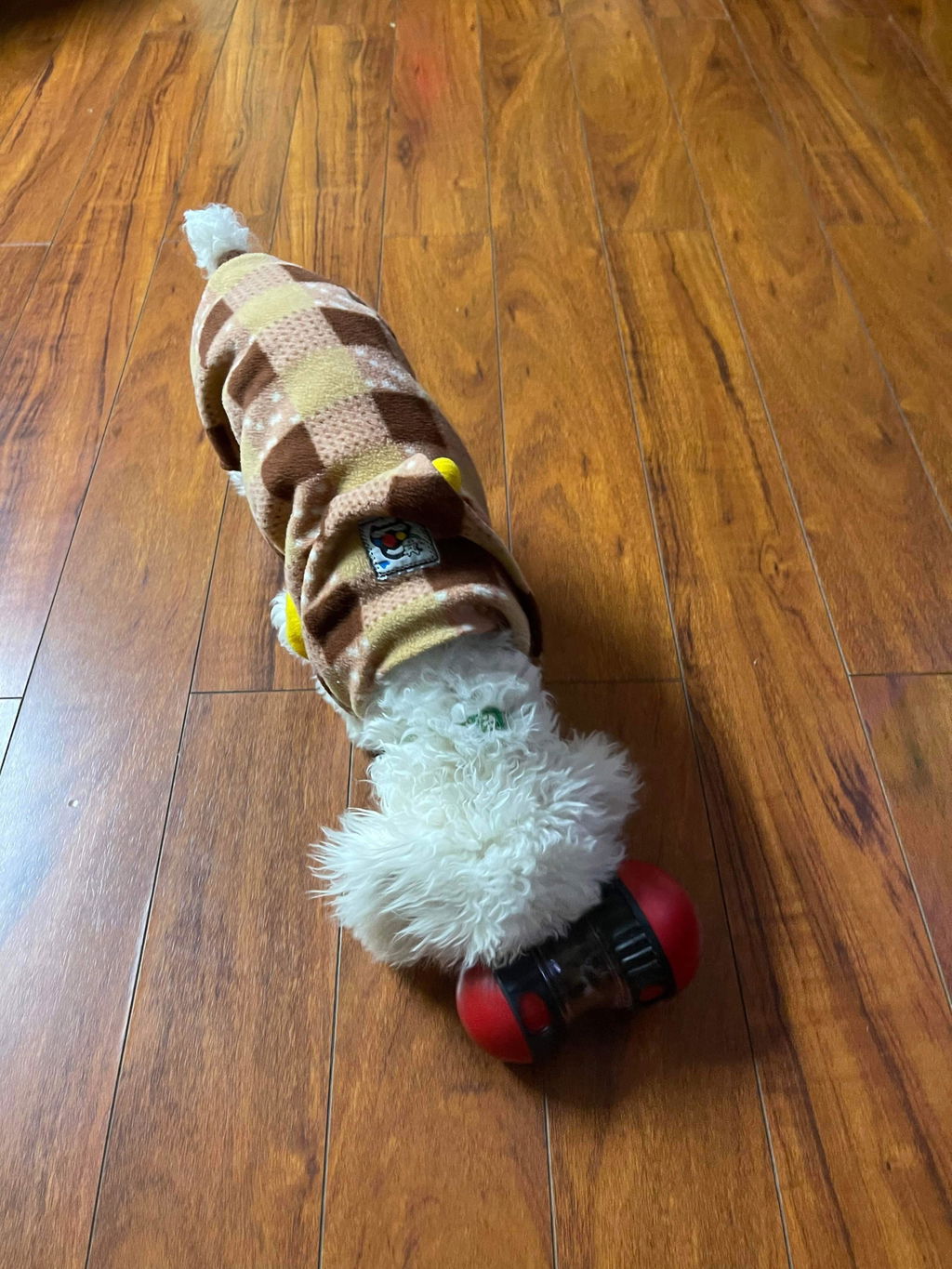
Fun "beginner level" toy. Works for cats too:)
Durable plastic, feels nice.
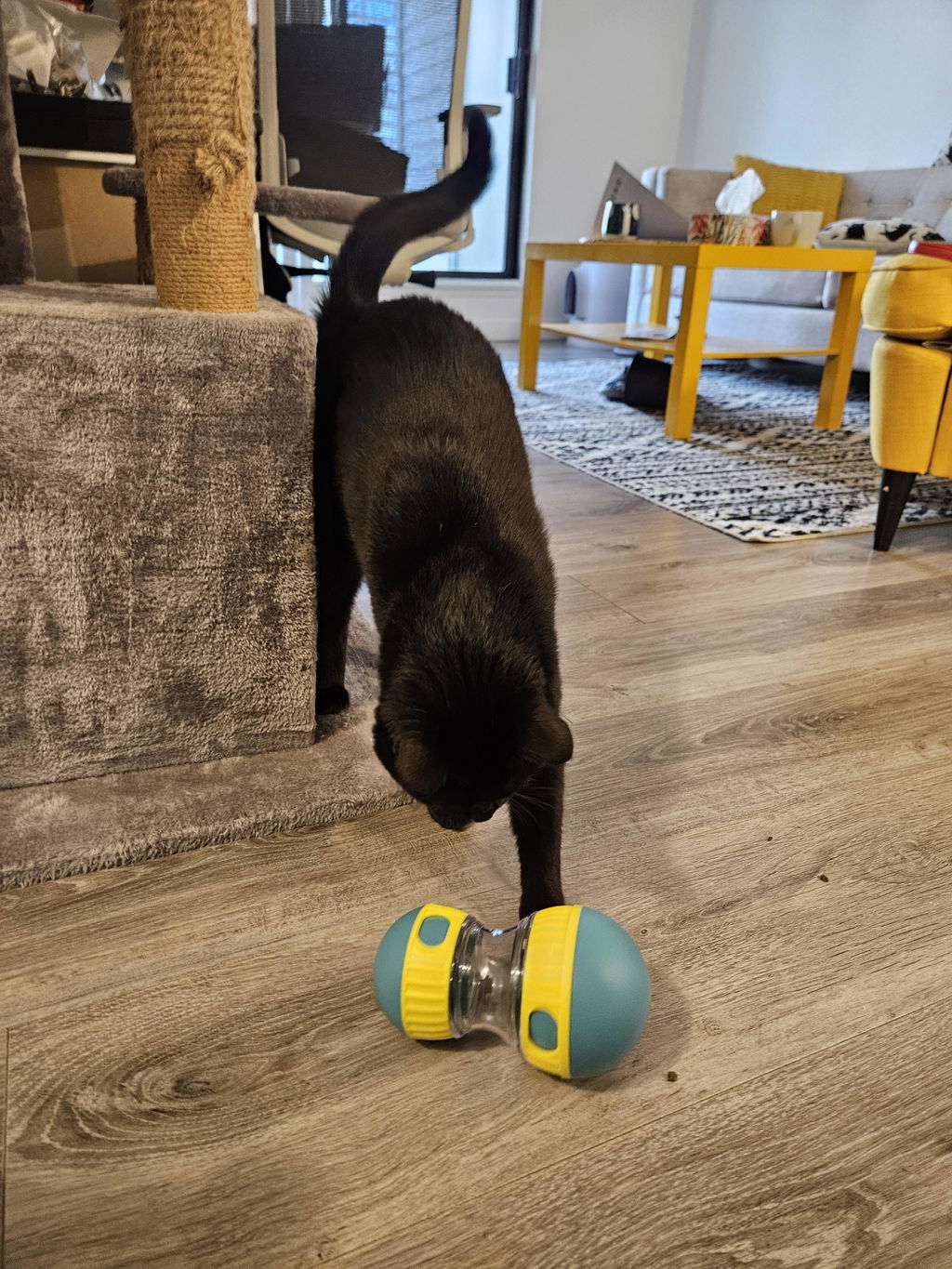
it is a bit hard on the walls but the cat just watches it. Does not interact with it. The ball works really well for what it is supposed to do.
If it was a bit softer the cat might enjoy it more.
I gave one to a neighbour who's dog loves it. She has a small dog so the size is just right.

Great bowl and such fun. Amazing the difference in time it now takes for my puppy to finish her meals. Much healthier for her! And she loves to play with it once it’s empty

Got this toy for my girl Archie and she absolutely loves it! It’s super durable, keeps her entertained for hours, and the treat dispenser is a fun bonus. Totally worth it

As soon as this ball comes out he gets very excited. The ball allows him to play by himself with the ball. His favourite toy by far.

The bone shape is super cute and simple, and makes mealtime fun for my pup. love it!