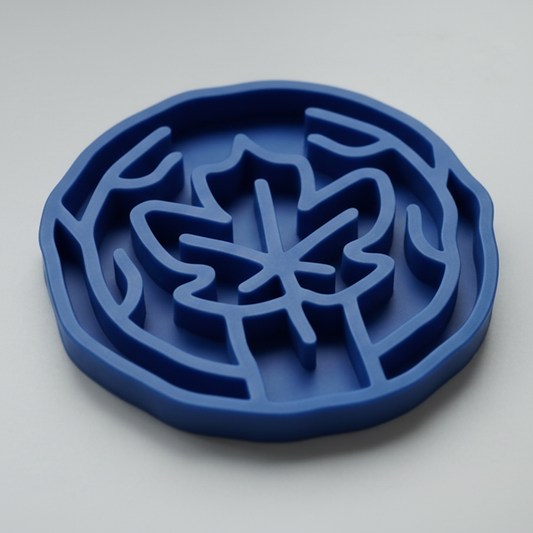
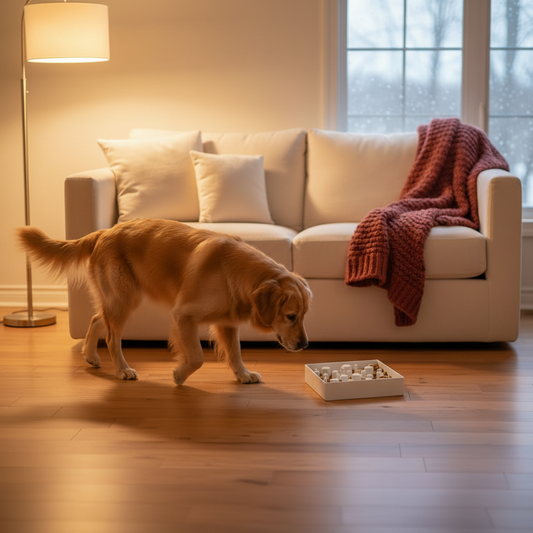
The best puzzle feeder for puppies that need mental work
Index
Why a puzzle feeder for puppies that need mental work
The best puzzle feeder for puppies that need mental work
How to choose a puzzle feeder for puppies that need mental work
Training tips for puzzle feeders for puppies that need mental work
Puppies are adorable, but they can be tiny tornadoes when their brains are bored. If your puppy is nipping, barking for attention, or racing around the house after meals, you may not need more exercise. You may need smarter dog enrichment. That is where puzzle feeders, slow feeders, and interactive dog toys shine. They turn daily feeding into a calm, focused activity that builds confidence and good habits.
In this guide, you will learn what makes a puzzle feeder safe for puppies, how to pick the right level, and which style is often the best puzzle feeder for puppies that need mental work.
Why a puzzle feeder for puppies that need mental work
Puppies learn with their mouths and their noses. A puzzle feeder gives them a job, encouraging sniffing, licking, and problem solving instead of chewing table legs. This style of feeding can also support slower eating, which helps many fast gulpers and can reduce the risk of tummy upset.
Another bonus is emotional. A predictable, rewarding challenge can help anxious puppies settle. Many trainers recommend food puzzles as a gentle way to build independence, especially when you are working from home and cannot entertain every minute.

The best puzzle feeder for puppies that need mental work
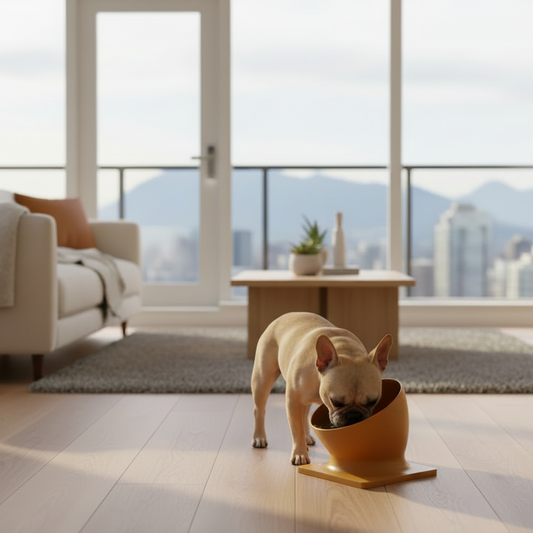
For most puppies, the best starting point is a shallow, easy grip slow feeder style puzzle. It offers mental work without frustration, and it is typically safer for small mouths than complex slider puzzles. Look for wide channels, smooth edges, and a stable base so the feeder does not skid around.
If you want one item that can grow with your puppy, a personalised option is even better. A customised slow feeder can make mealtime feel special, like a dog gift that you use every day. Many pet parents also love the idea of a personalized dog bowl as a custom gift for a new puppy.
For a strong all around choice, consider the Custom Slow Puzzle Feeder Bowl. It combines the benefits of slow feeders and puzzle feeders, making it a practical daily tool for dog enrichment, especially for puppies that need mental work. Because it is made for regular meals, it often gets used more consistently than a toy that only comes out sometimes.
To explore more options by feeding style, browse Dogs and Cats Feeders or see more mealtime solutions in Slow Feeder Bowls.
How to choose a puzzle feeder for puppies that need mental work
There is no single perfect puzzle for every puppy. The right choice depends on age, chewing style, and confidence. Use these simple guidelines to pick well.
Start with the right difficulty for puzzle feeders for puppies that need mental work
If your puppy is new to puzzles, choose beginner level designs. A puppy should succeed quickly at first. If the game is too hard, some puppies will bark, paw aggressively, or give up. A feeder that creates steady progress is better than one that causes frustration.
Choose safe materials and puppy friendly shapes
Prioritize food grade materials, smooth edges, and sturdy construction. Avoid tiny removable parts. If your puppy is a passionate chewer, supervised use matters, and you may want to pair enrichment feeding with appropriate chew toys.
Match the puzzle feeder to your feeding routine
For daily meals, slow feeders and lick friendly puzzles are easiest to keep consistent. For extra challenge a few times per week, add interactive dog toys that dispense kibble. A balanced routine can also include Interactive Toys for variety.
Training tips for puzzle feeders for puppies that need mental work
1. Make the first session easy. Sprinkle a few pieces of kibble on top so your puppy understands the idea right away.
2. Use high value rewards for confidence. If your puppy is hesitant, mix in a few tiny training treats.
3. Keep sessions calm and short. Five to ten minutes is great. Stop while your puppy is still enjoying it.
4. Supervise and rotate. Switching between puzzle feeders, interactive dog toys, and chew toys keeps enrichment fresh and reduces boredom.

Puzzle feeder comparison table for puppies
Different puzzle feeders create different kinds of mental work. This quick table can help you pick a match for your puppy and your home.
| Type | Best for | Mental work level | Mess level | Puppy tip |
|---|---|---|---|---|
| Shallow slow feeder bowl | Daily meals, fast eaters | Low to medium | Low | Great first puzzle feeder for puppies |
| Lick style puzzle mat | Calm settling, crate time | Low | Medium | Use puppy safe spreads in thin layers |
| Kibble dispensing interactive toy | High energy pups | Medium | Medium to high | Start on carpet or a mat to reduce noise |
| Slider puzzle board | Confident problem solvers | High | Low | Introduce after your puppy masters easier games |
The goal is not to “tire out” your puppy with impossible problems. The goal is steady success that keeps their brain busy in a healthy way. When you pick the right challenge, you will often see less pestering, better focus, and a calmer pup after meals.
If you are building a routine, consider creating a small enrichment kit: one puzzle feeder, one slow feeder, one interactive dog toy, and one safe chew. It also makes a thoughtful dog gift for new puppy parents, and you can even bundle it with a cat gift for multi pet homes.
Ready to make mealtime your puppy’s favorite “brain game” of the day? Explore Petsun and choose a puzzle feeder that fits your pup’s size, personality, and pace. Your puppy will feel proud, and you will feel the calm that comes with real dog enrichment.
Frequently Asked Questions
What is the best puzzle feeder for puppies that need mental work?
For most puppies, a shallow slow feeder style puzzle is the best place to start. It provides mental stimulation, encourages slower eating, and is usually easier and safer for puppy mouths than advanced slider puzzles.
Can a puzzle feeder replace walks for a high energy puppy?
No. Puzzle feeders are excellent dog enrichment, but puppies still need age appropriate physical activity and training. Think of puzzle feeders as a brain workout that complements walks, play, and rest.
How do I stop my puppy from chewing the puzzle feeder?
Supervise sessions, remove the feeder when food is finished, and offer a separate chew toy right after. If chewing continues, switch to a sturdier design and keep puzzle time shorter until your puppy learns the routine.
Let customers speak for us
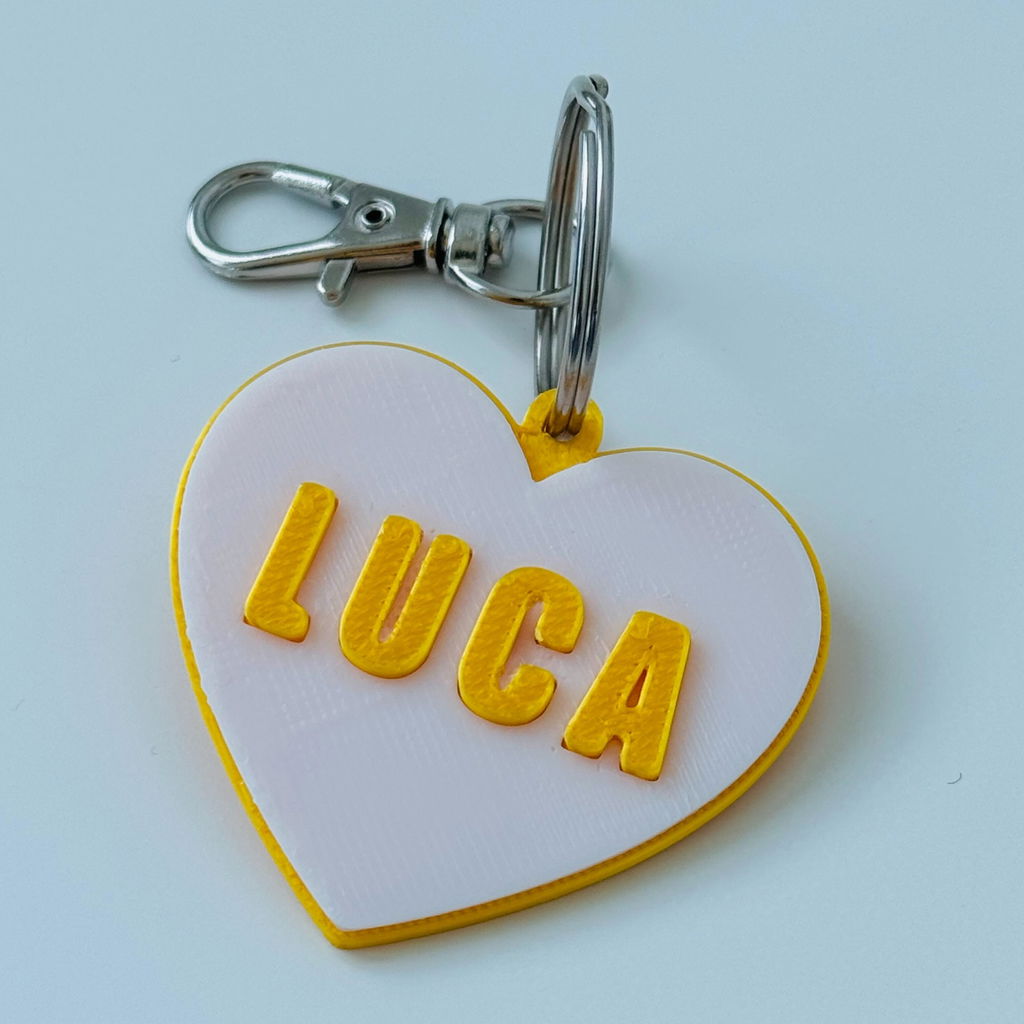
Golden Luca is pretty and it has my name and phone number on the flip side.
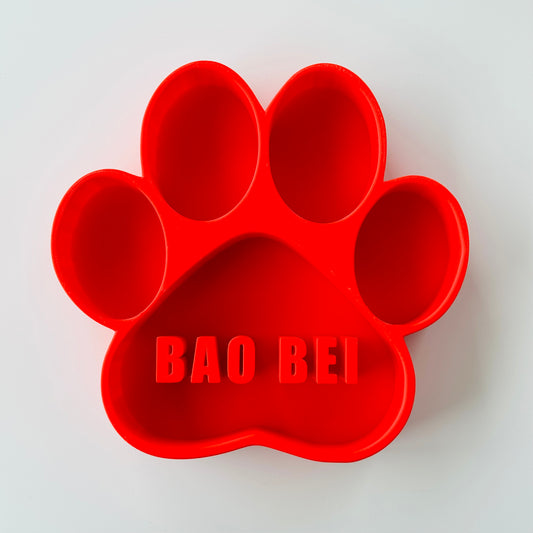
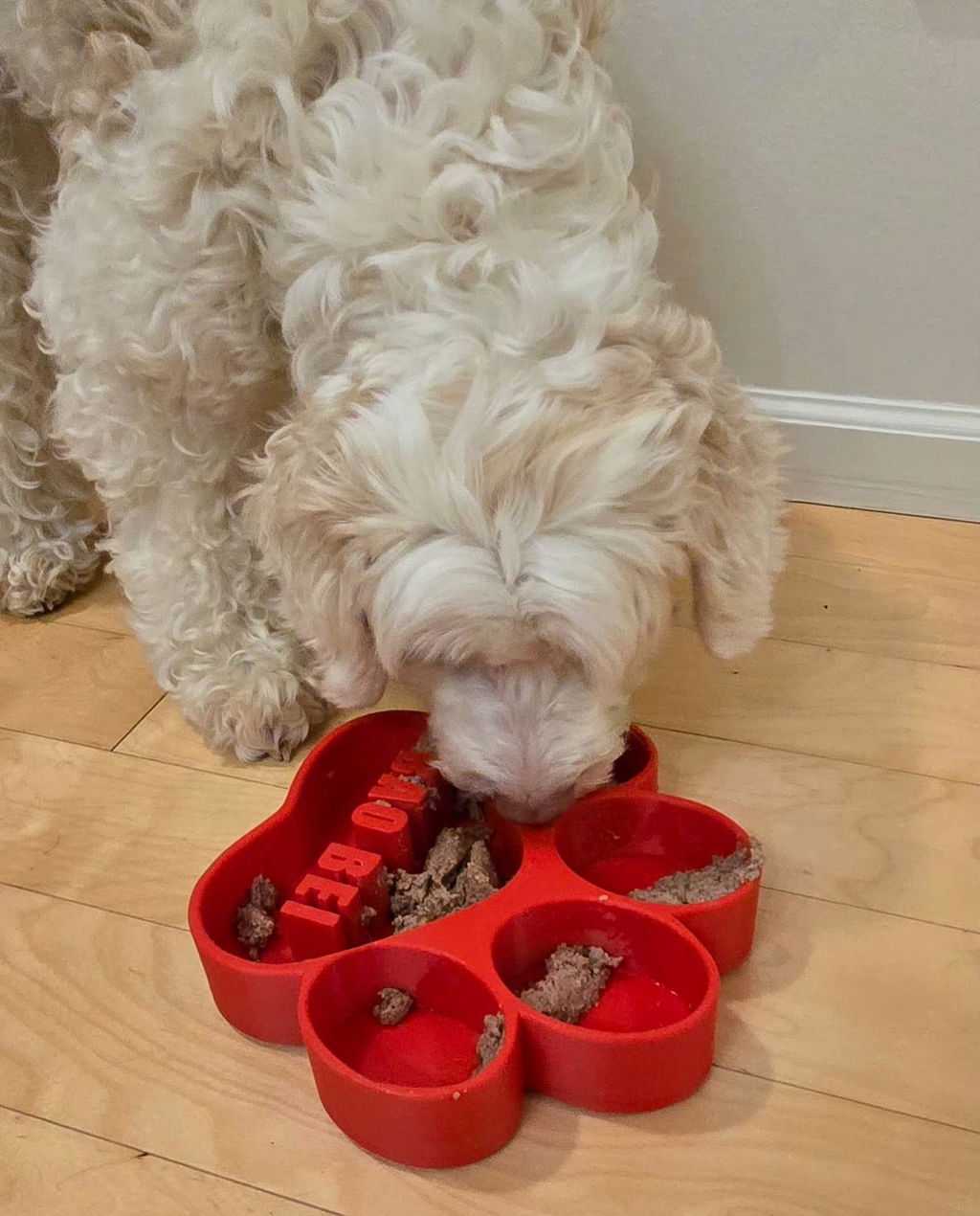
I bought it for Bao Bei to help him eat slower, also have a unique feeding bowl
He is busy with it for hours and also I can fetch the toy when we want to spend time together
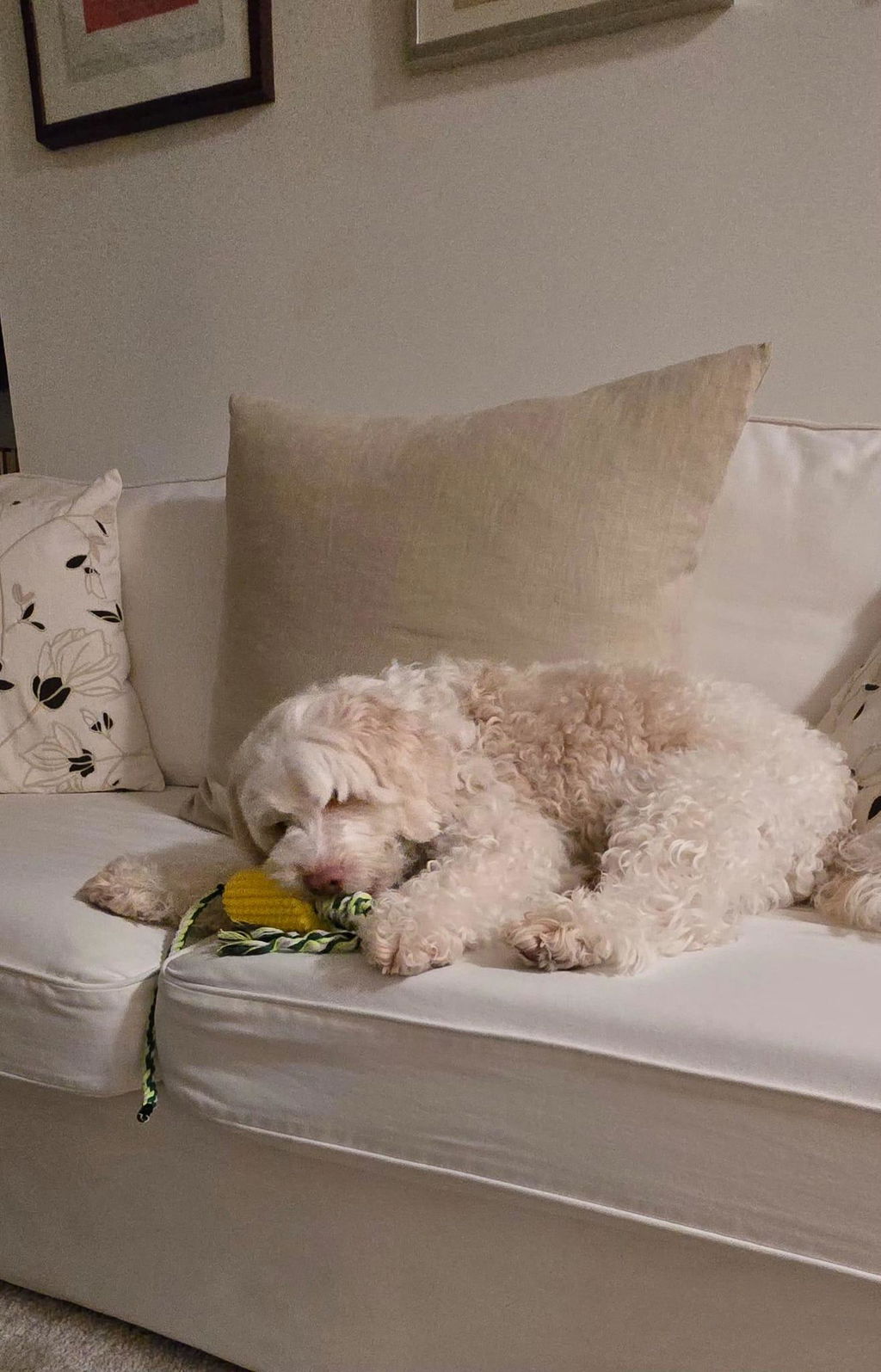
It made Sabar’s meal time more than double and I enjoy watching him eating from his unique bowl
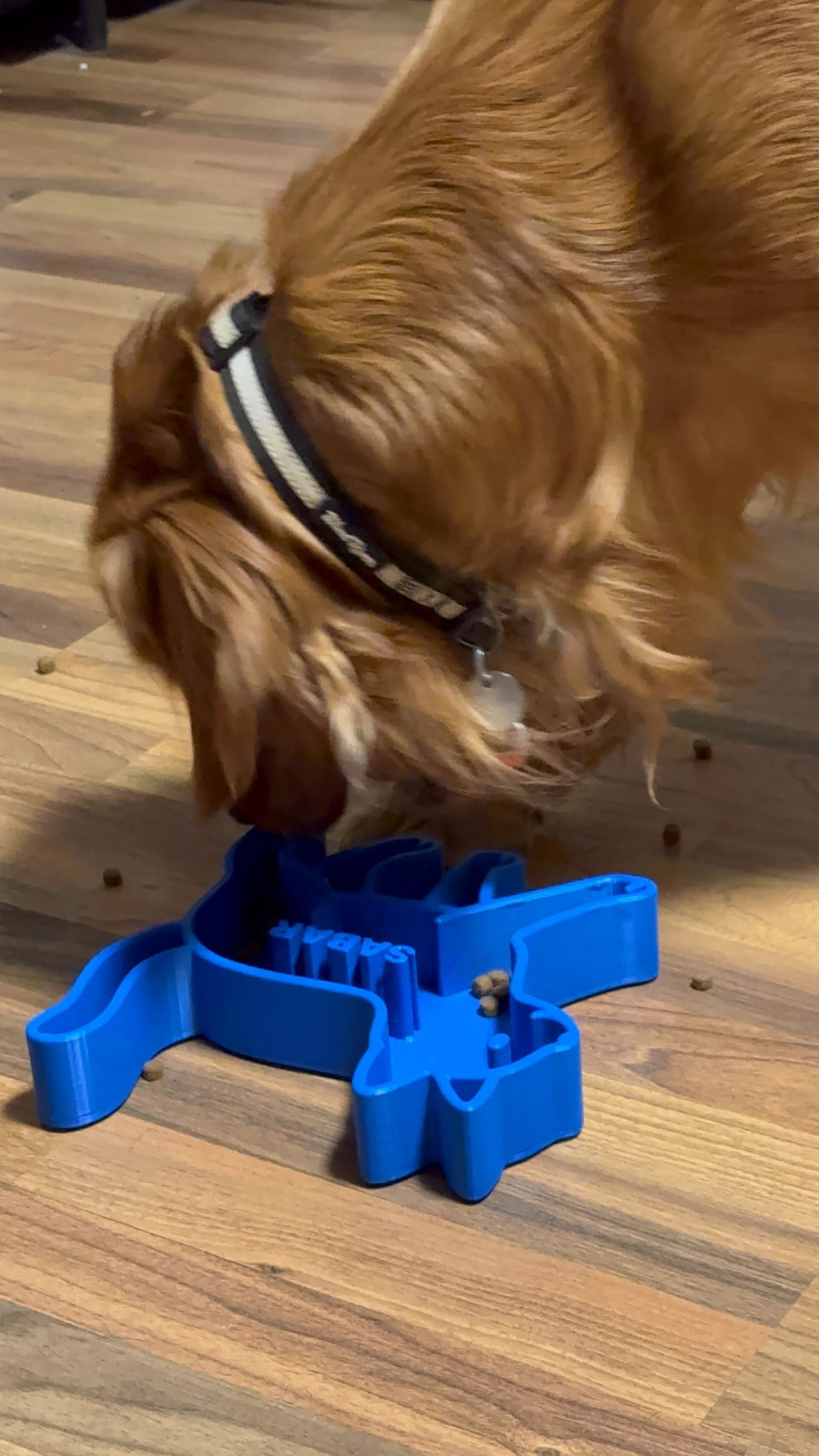
My paw was eating too fast and this bowl helped me to fix this problem
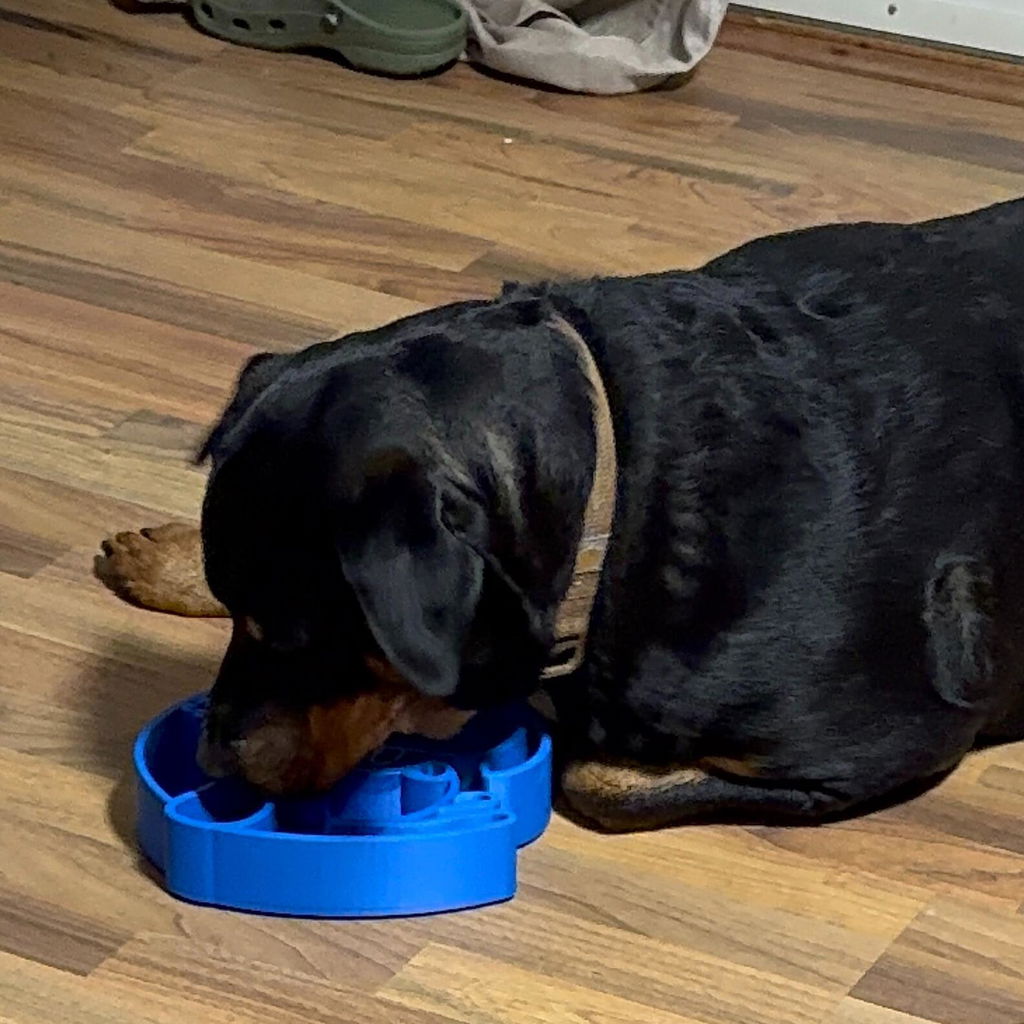
It can keep my cat's busy for a long time, but it should be under supervised I think. Long time playing with it can make them tired!
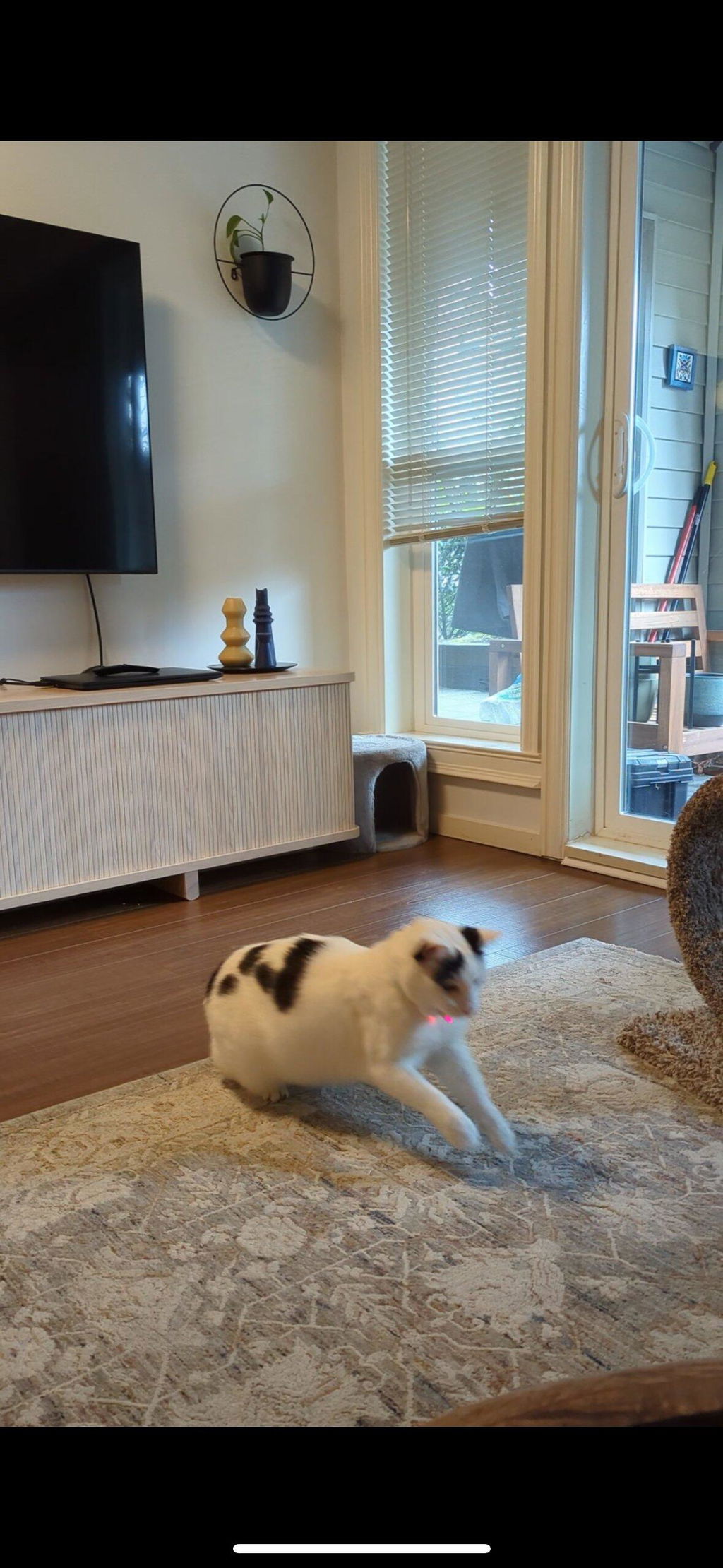
Maki playing with her ball. 😀
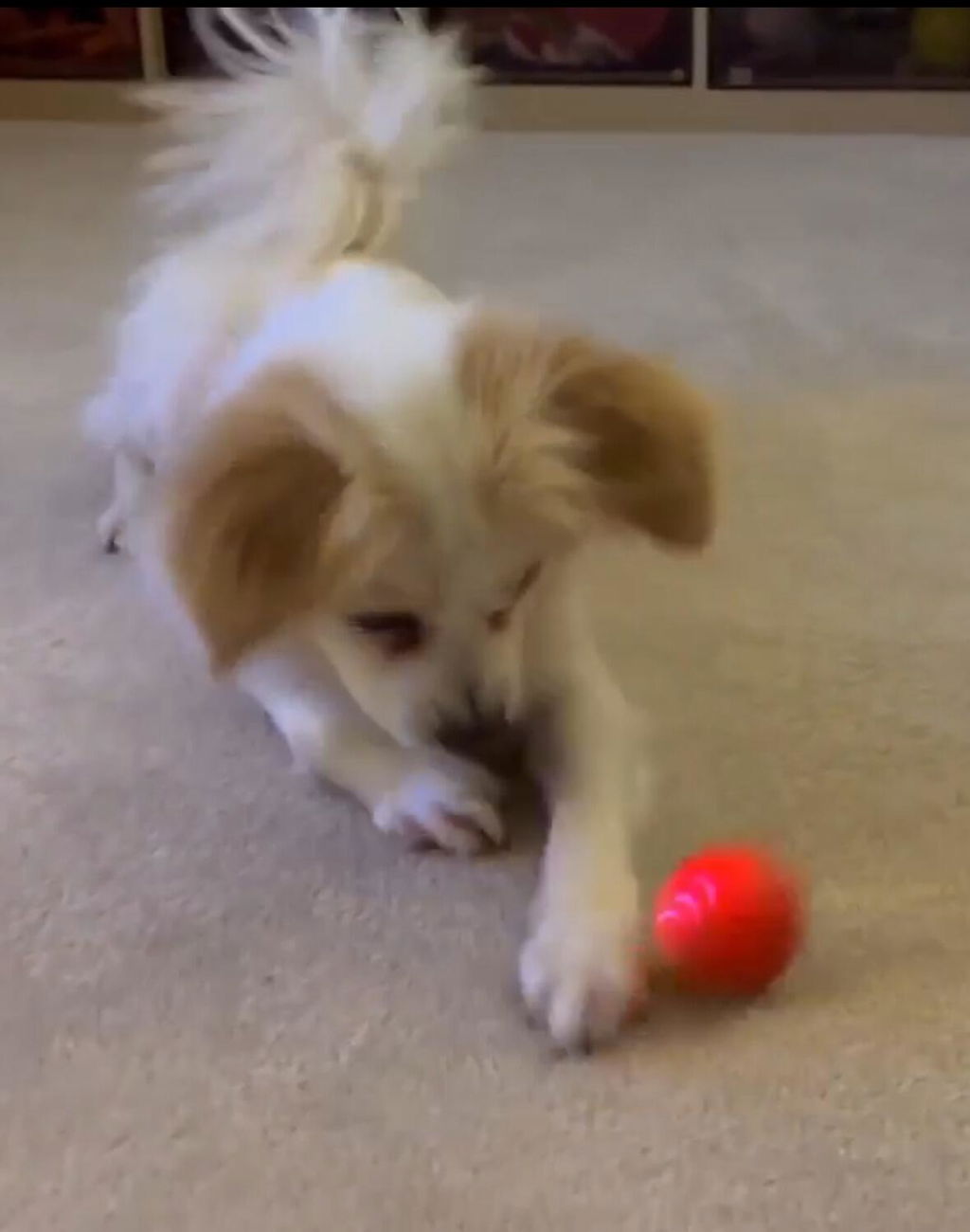
I'm using this stuff to keep my puppy busy and happy everyday.
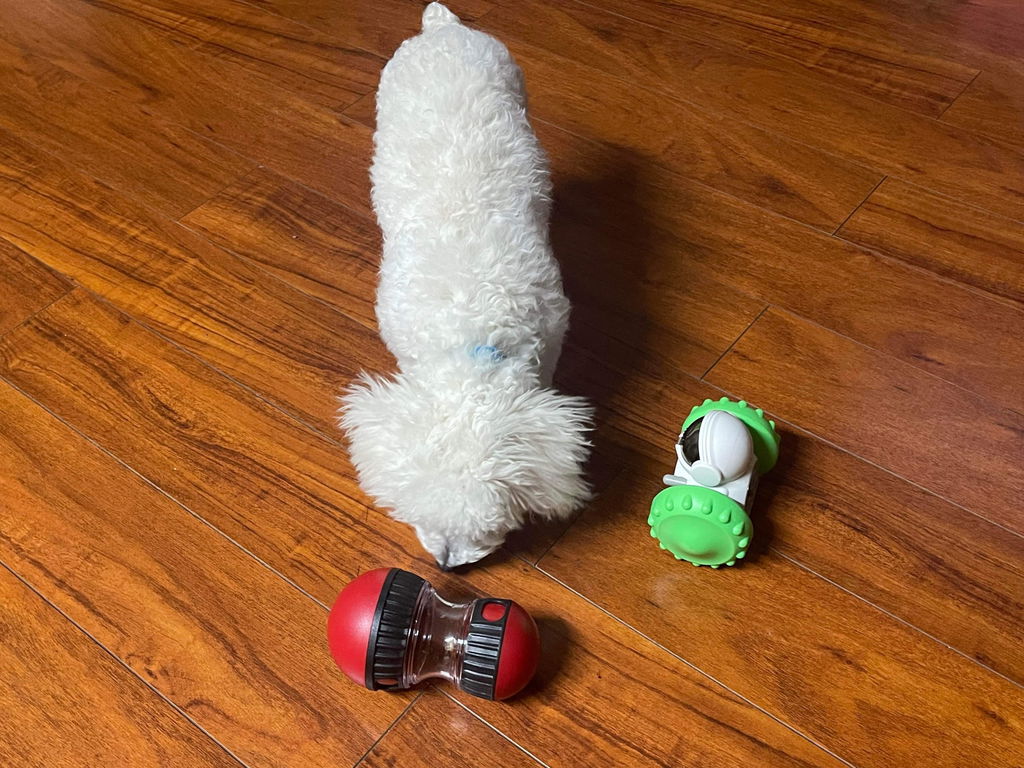
It keeps my puppy busy for more than 30 mins every time for a meal. and even after that she plays with it around as long as She get tired!
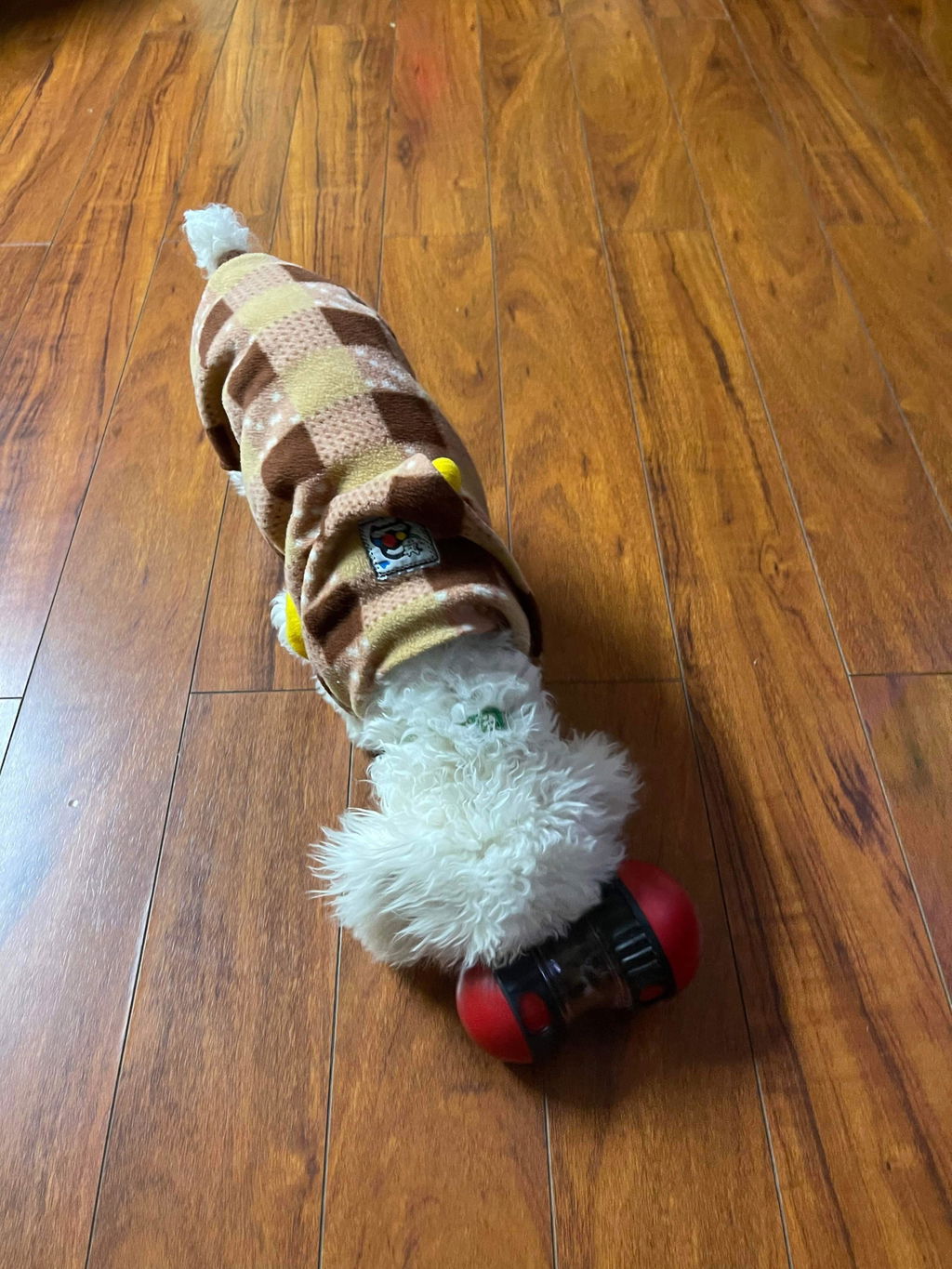
Fun "beginner level" toy. Works for cats too:)
Durable plastic, feels nice.
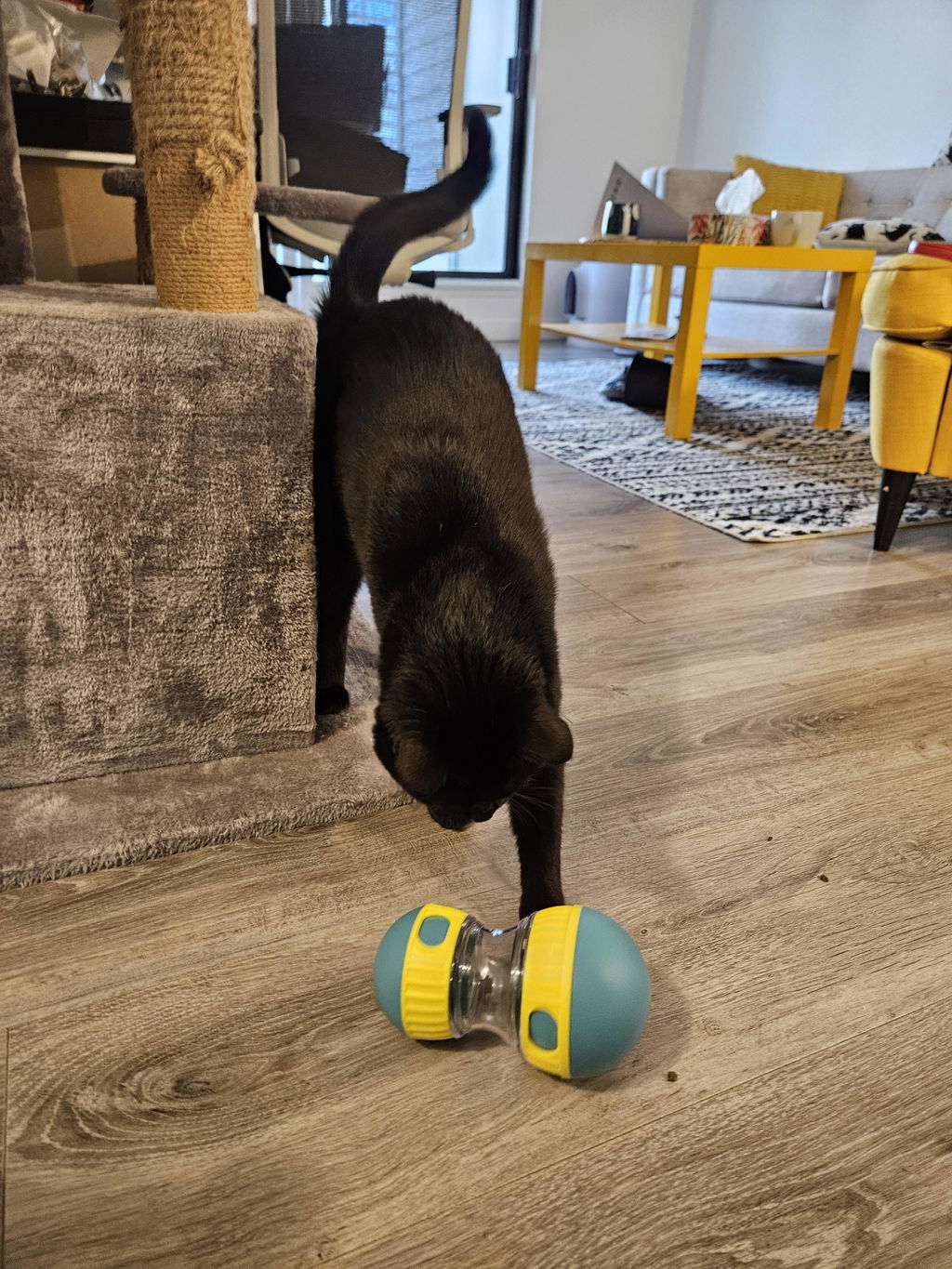
it is a bit hard on the walls but the cat just watches it. Does not interact with it. The ball works really well for what it is supposed to do.
If it was a bit softer the cat might enjoy it more.
I gave one to a neighbour who's dog loves it. She has a small dog so the size is just right.

Great bowl and such fun. Amazing the difference in time it now takes for my puppy to finish her meals. Much healthier for her! And she loves to play with it once it’s empty

Got this toy for my girl Archie and she absolutely loves it! It’s super durable, keeps her entertained for hours, and the treat dispenser is a fun bonus. Totally worth it

As soon as this ball comes out he gets very excited. The ball allows him to play by himself with the ball. His favourite toy by far.

The bone shape is super cute and simple, and makes mealtime fun for my pup. love it!