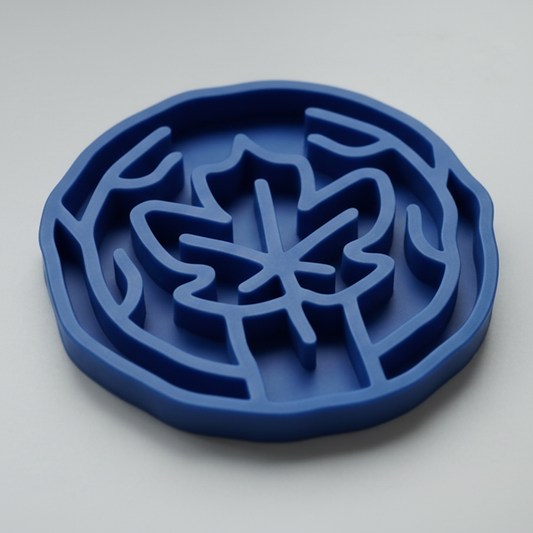
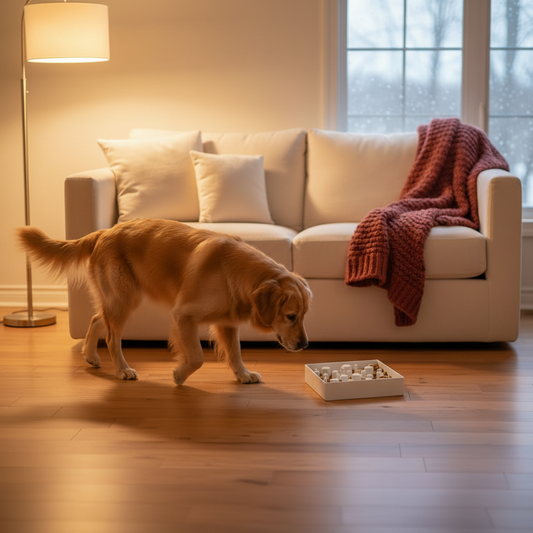
Puppy Puzzle Feeder for Early Training
Puppy Puzzle Feeder for Early Training Challenges
Why Puppies Struggle Without Enrichment
How a Puppy Puzzle Feeder Supports Early Training
Real Changes You Can See at Home
A Calmer Home Starts with Small Changes
Bringing home a puppy is exciting, but the reality can feel overwhelming. Between chewed furniture, rushed meals, and endless energy, many new pet parents quickly realize something is missing in their routine.
Puppy Puzzle Feeder for Early Training Challenges
Your puppy eats too fast, then gets bloated or restless. Minutes later, they are biting shoes, barking, or scratching at the couch. Traditional bowls and basic chew toys often do not solve the real issue. Instead of calming your puppy, they leave them bored, overstimulated, or both.
This creates a cycle that is exhausting. You feed them, they finish in seconds, and then the chaos begins again. It is not just about food. It is about how your puppy experiences their environment.

Why Puppies Struggle Without Enrichment
Puppies are naturally curious and energetic. In the wild, they would spend time searching, sniffing, and working for food. When meals come too easily in a standard bowl, their brain stays under-stimulated while their body stays full of unused energy.
This mismatch leads to destructive behavior. Fast eating also affects digestion and can create discomfort. What looks like bad behavior is often a lack of mental stimulation and structure.
Interactive dog toys and slow feeders exist for a reason. They mimic natural challenges and help puppies learn patience during feeding time.
How a Puppy Puzzle Feeder Supports Early Training
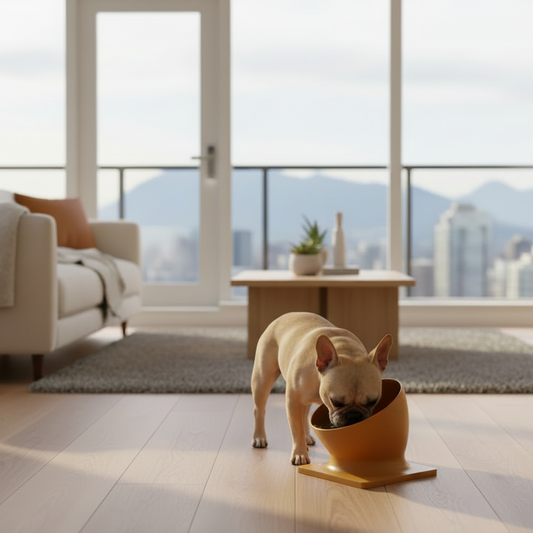
A puppy puzzle feeder changes the entire feeding experience. Instead of finishing meals in seconds, your puppy engages with the food. They sniff, paw, and solve small challenges to access each bite.
This turns feeding into training. It naturally slows eating and builds focus. Products like the Custom Slow Puzzle Feeder Bowl combine slow feeder design with dog enrichment, supporting both mental and physical development.
You can also explore options in Interactive Toys that pair well with feeding routines. Together, they create a more balanced daily structure for your puppy.
Real Changes You Can See at Home
The difference is not subtle. Puppies who use puzzle feeders become calmer after meals. Instead of pacing or chewing random objects, they feel mentally satisfied.
| Before Puzzle Feeder | After Puzzle Feeder |
|---|---|
| Fast eating in seconds | Slow, controlled feeding |
| Chewing furniture | Focused, calm behavior |
| High restlessness | Improved relaxation |
| No mental stimulation | Active problem solving |
Many pet parents also notice better digestion and fewer signs of discomfort after meals. A simple change in how food is delivered can reshape daily behavior.

A Calmer Home Starts with Small Changes
When your puppy is mentally engaged, everything feels easier. Feeding time becomes peaceful instead of rushed. Your home stays cleaner. Your dog feels more balanced.
Exploring tools like Slow Feeder Bowls is not just about feeding. It is about building better habits from the start.
Small changes can protect your dog’s health and bring more calm into your everyday life.
1. At what age can I start using a puppy puzzle feeder?
You can start as early as 8 weeks old, as long as the feeder is puppy-safe and easy to navigate.
2. Will a puzzle feeder really stop destructive behavior?
It helps reduce it significantly by providing mental stimulation, though it should be combined with exercise and routine.
3. Is a slow feeder better than a regular dog bowl?
Yes, it encourages healthier eating habits and keeps your puppy engaged longer during meals.
Let customers speak for us
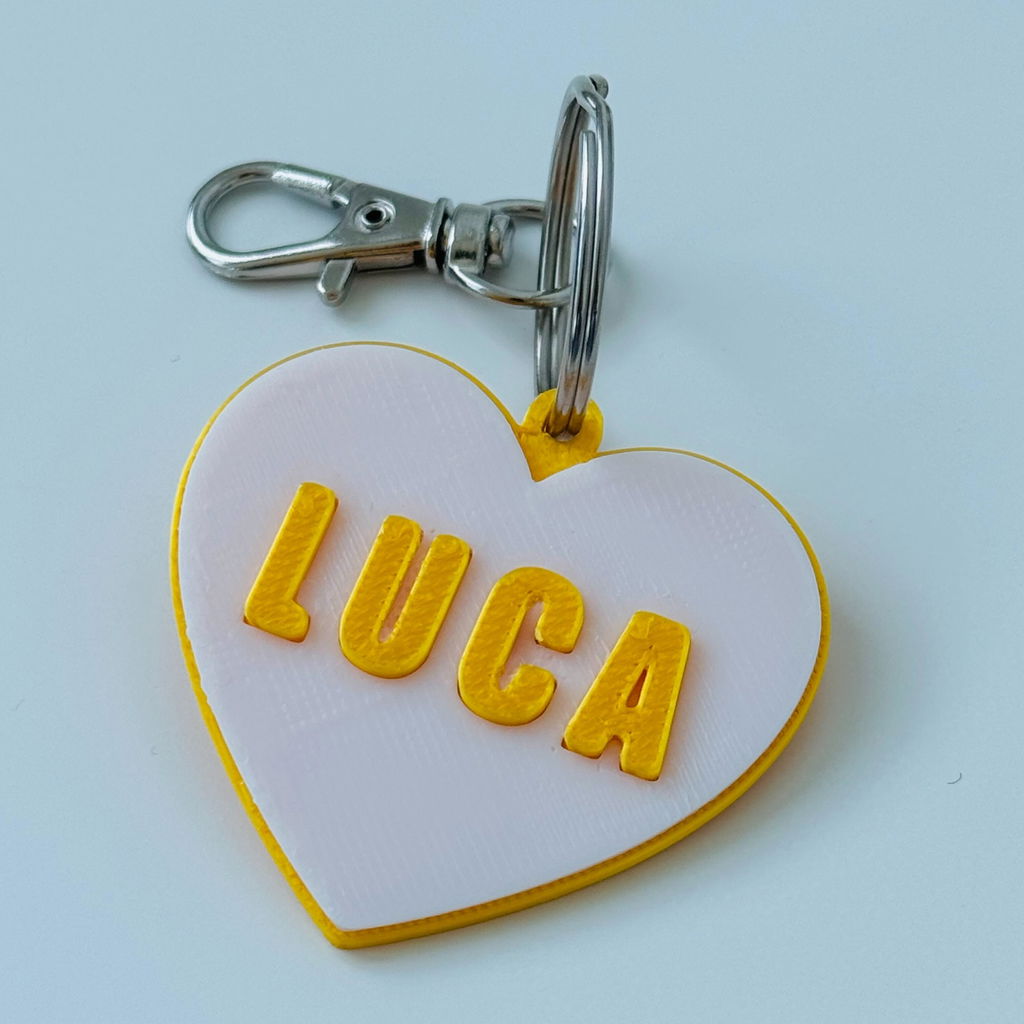
Golden Luca is pretty and it has my name and phone number on the flip side.
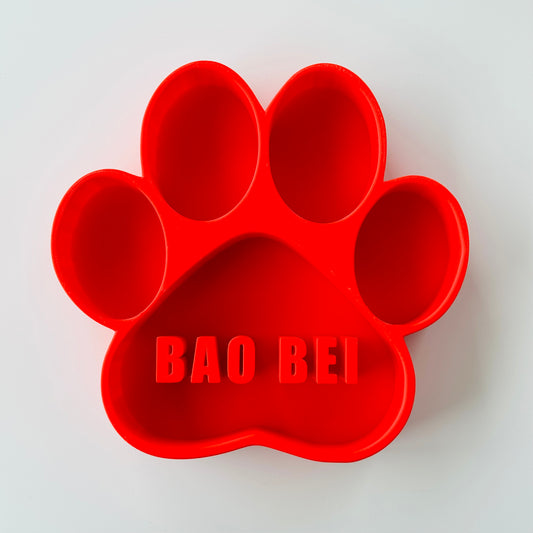
I bought it for Bao Bei to help him eat slower, also have a unique feeding bowl
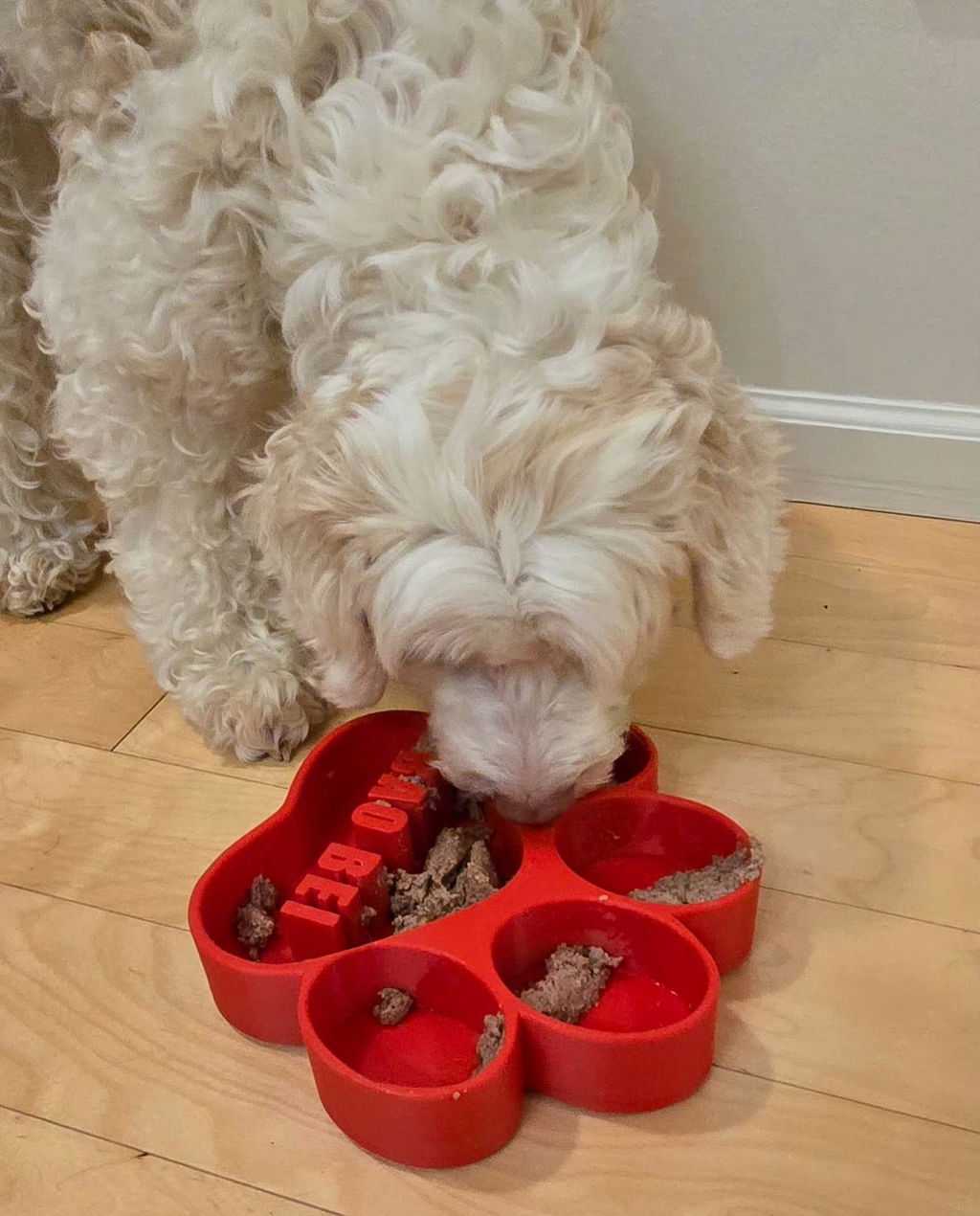
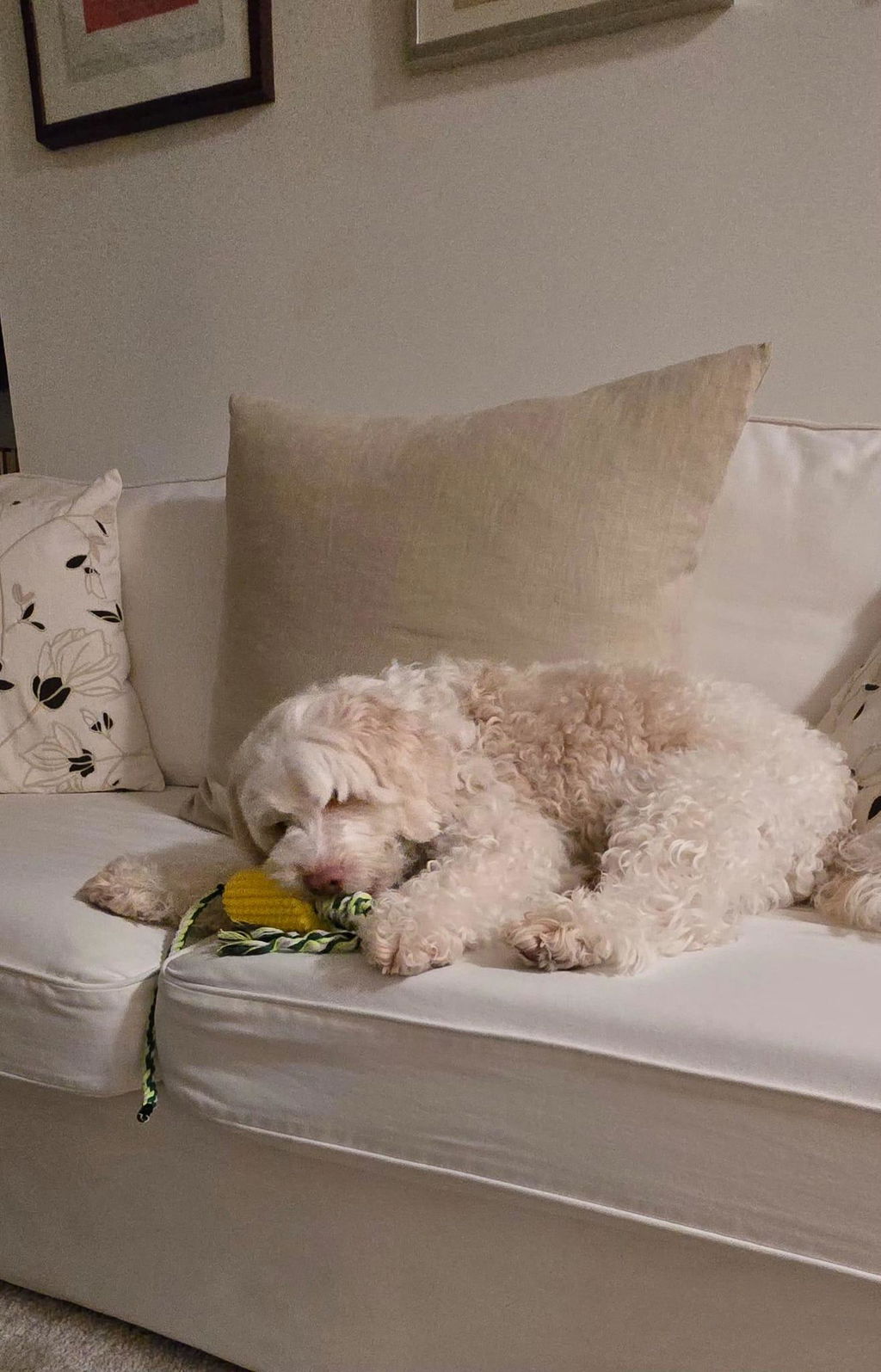
He is busy with it for hours and also I can fetch the toy when we want to spend time together
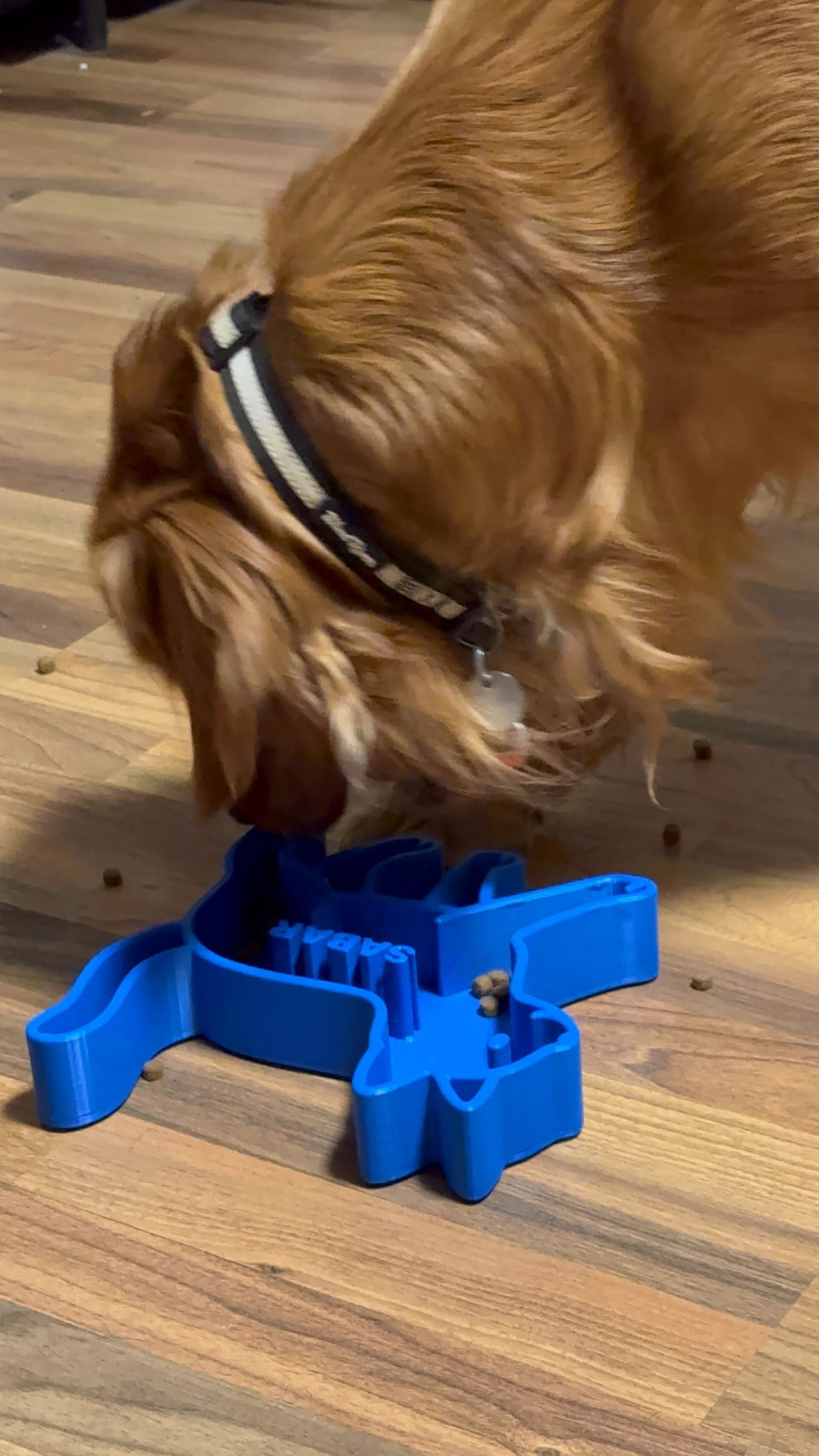
It made Sabar’s meal time more than double and I enjoy watching him eating from his unique bowl
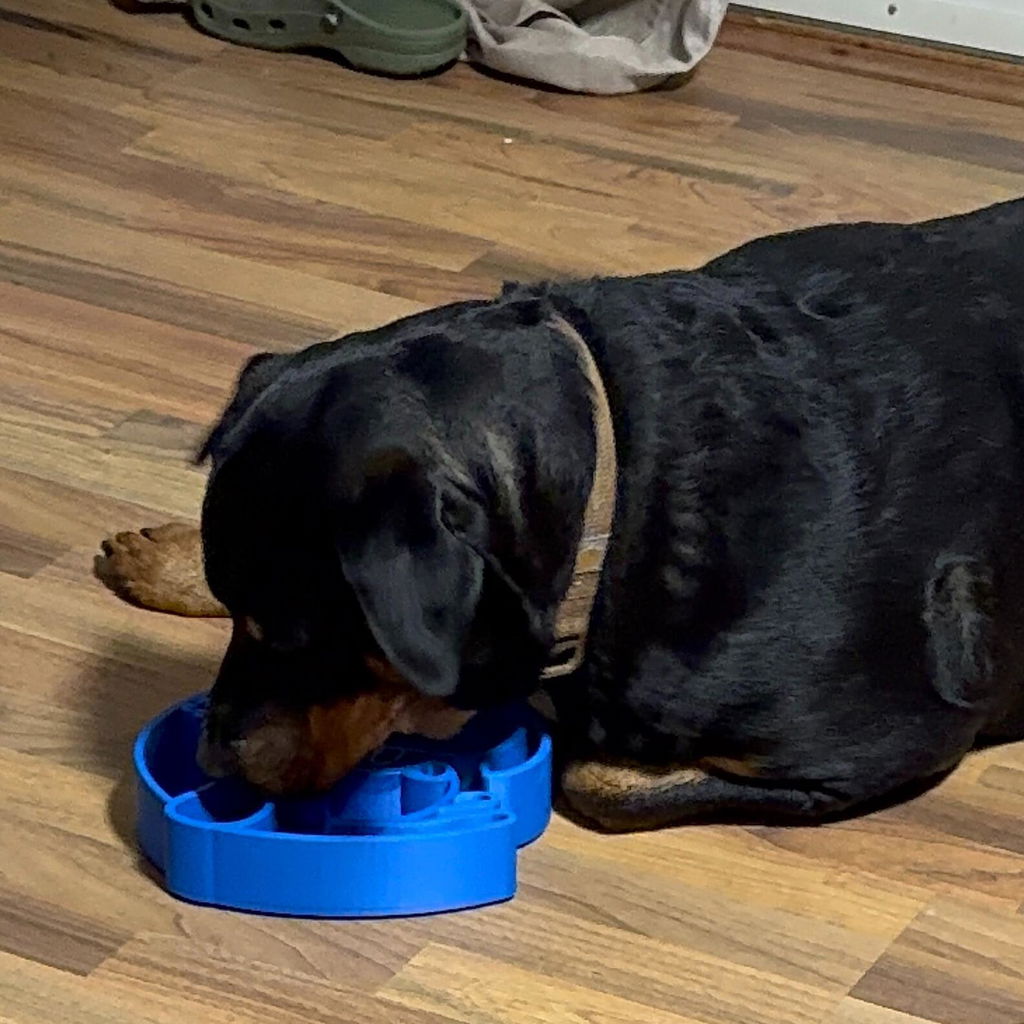
My paw was eating too fast and this bowl helped me to fix this problem
It can keep my cat's busy for a long time, but it should be under supervised I think. Long time playing with it can make them tired!
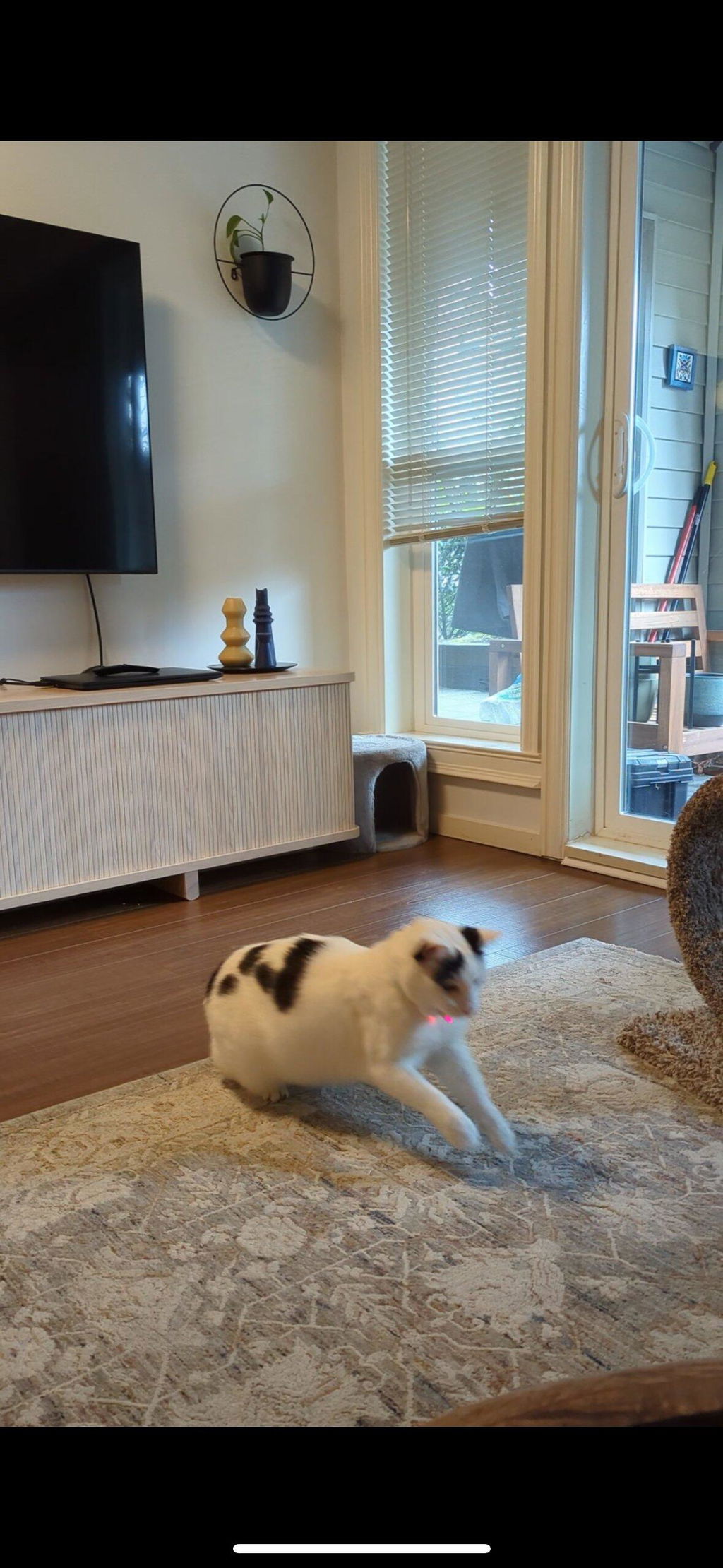
Maki playing with her ball. 😀
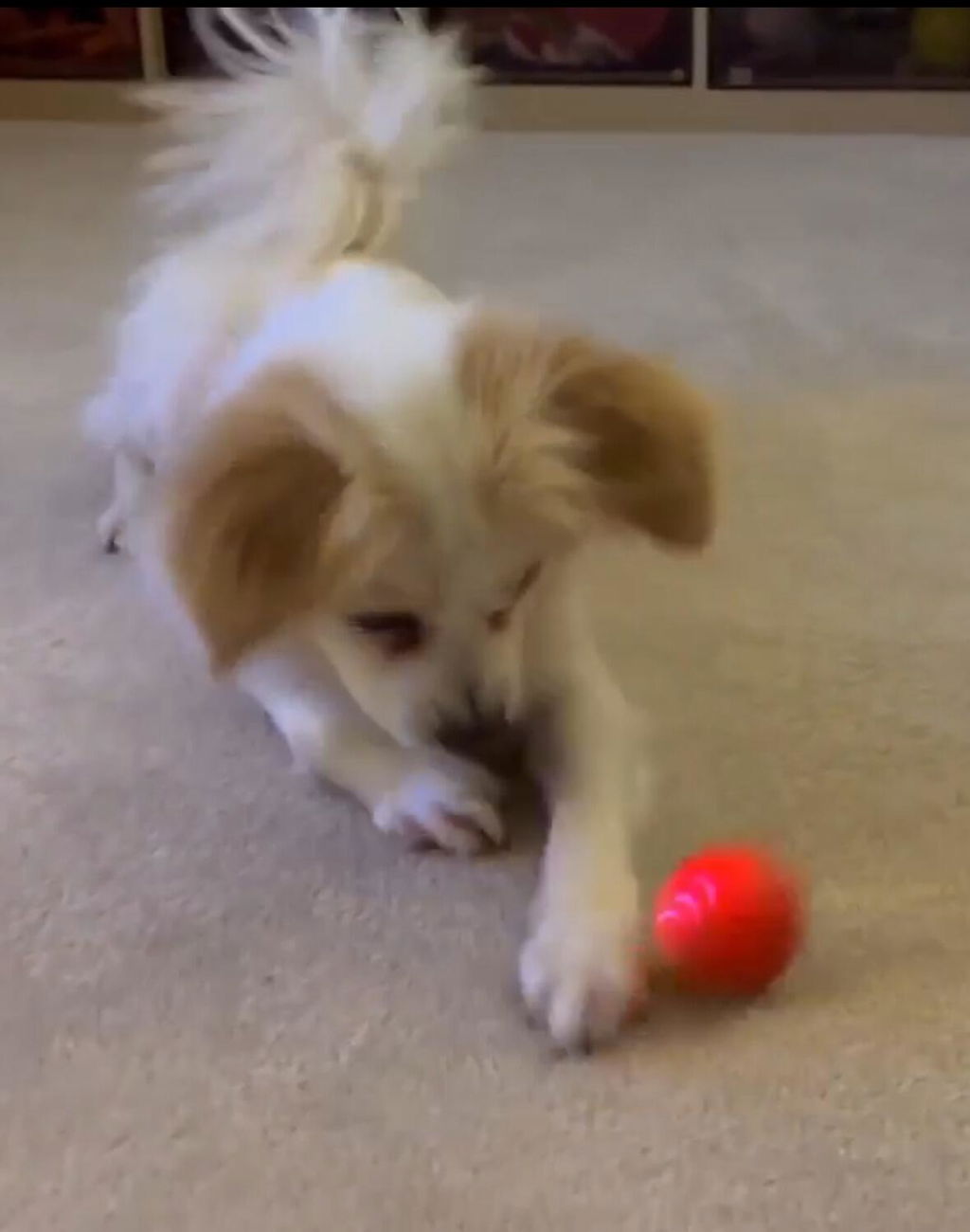
I'm using this stuff to keep my puppy busy and happy everyday.
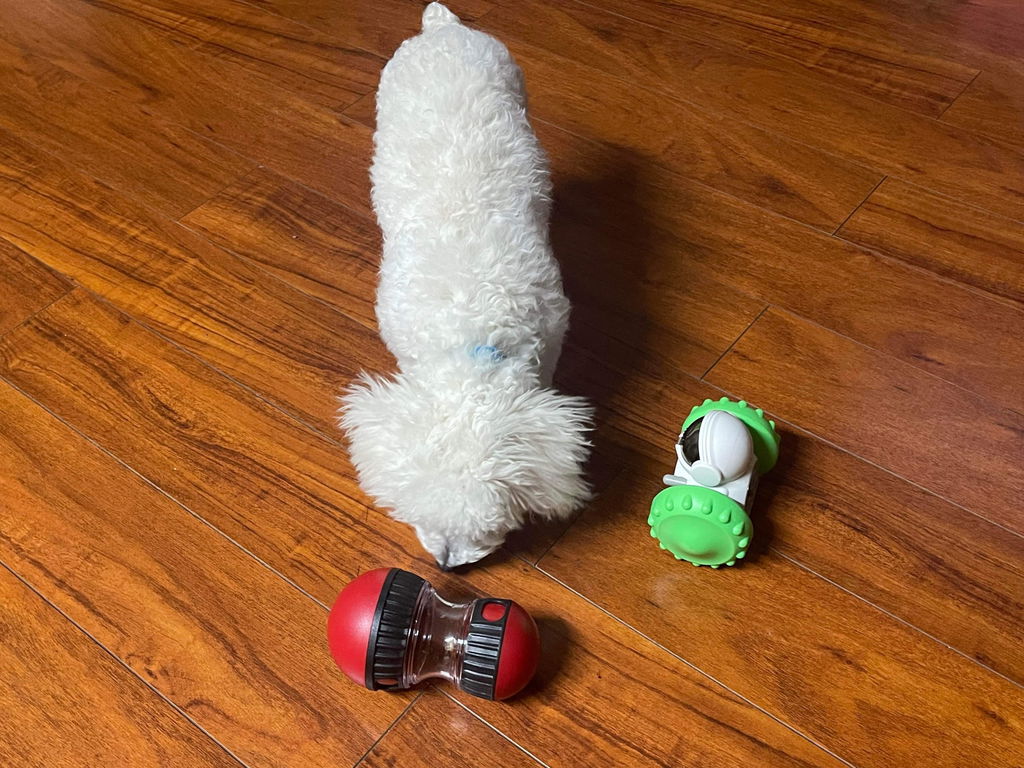
It keeps my puppy busy for more than 30 mins every time for a meal. and even after that she plays with it around as long as She get tired!
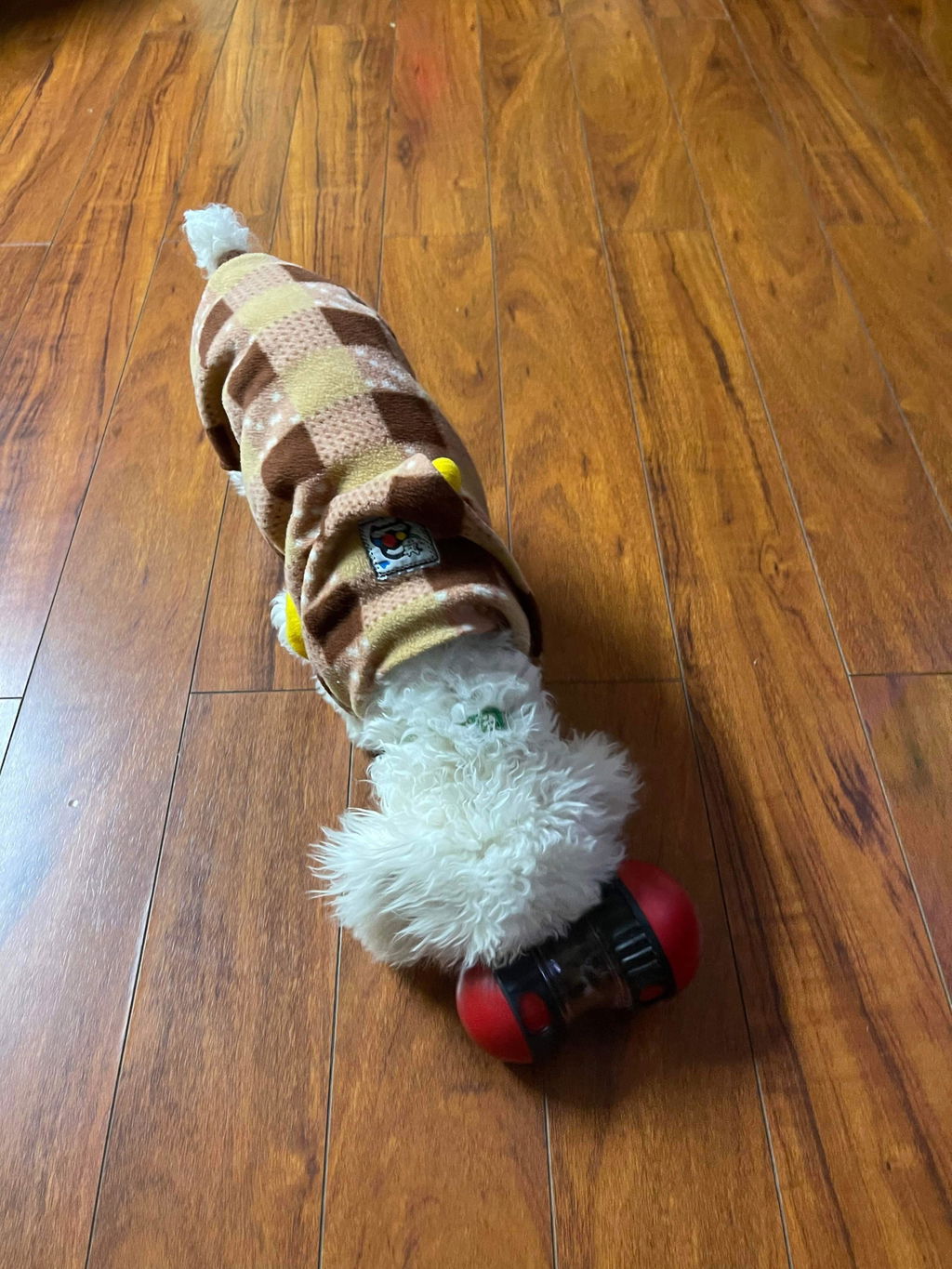
Fun "beginner level" toy. Works for cats too:)
Durable plastic, feels nice.
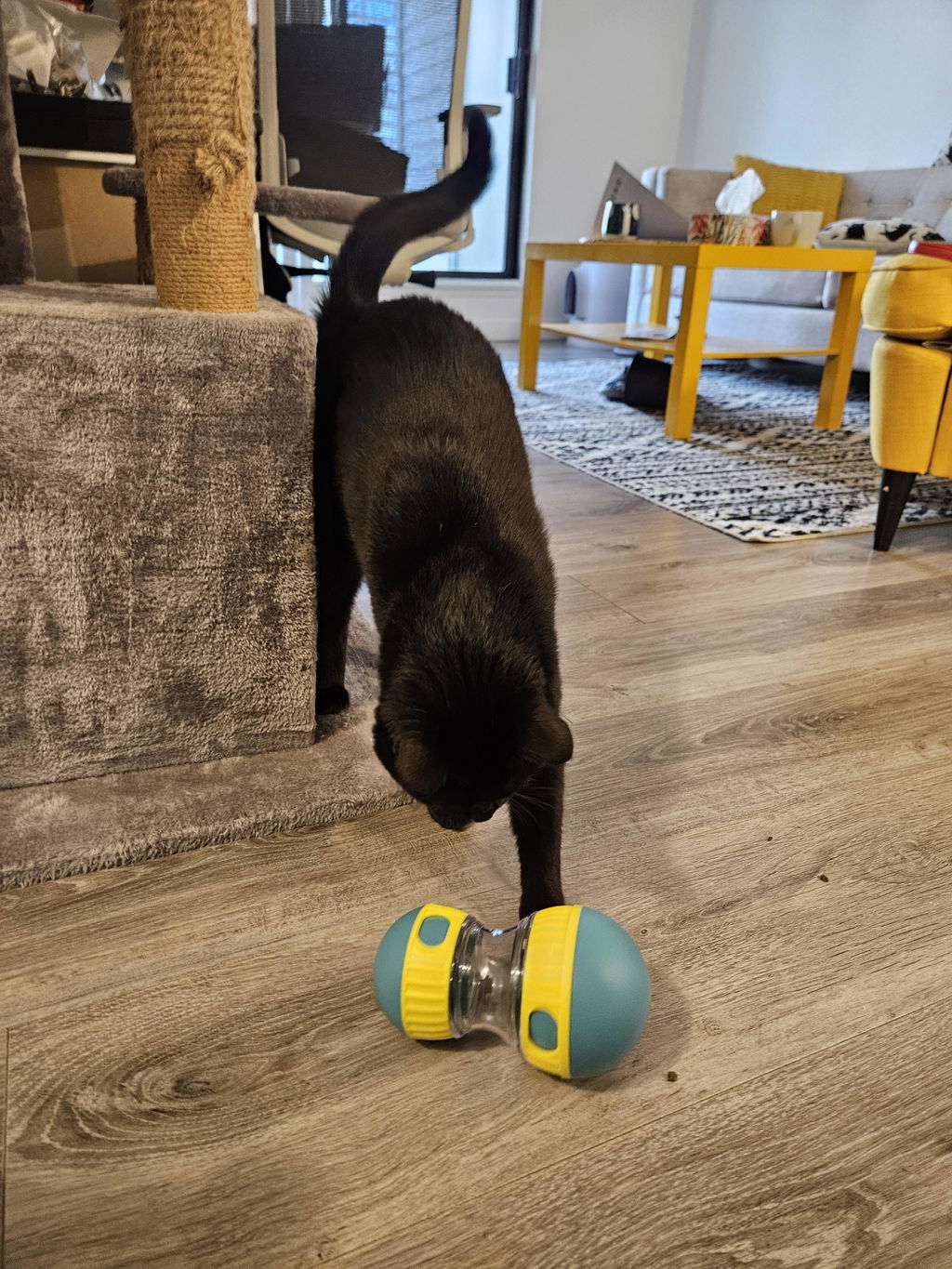
it is a bit hard on the walls but the cat just watches it. Does not interact with it. The ball works really well for what it is supposed to do.
If it was a bit softer the cat might enjoy it more.
I gave one to a neighbour who's dog loves it. She has a small dog so the size is just right.

Great bowl and such fun. Amazing the difference in time it now takes for my puppy to finish her meals. Much healthier for her! And she loves to play with it once it’s empty

Got this toy for my girl Archie and she absolutely loves it! It’s super durable, keeps her entertained for hours, and the treat dispenser is a fun bonus. Totally worth it

As soon as this ball comes out he gets very excited. The ball allows him to play by himself with the ball. His favourite toy by far.

The bone shape is super cute and simple, and makes mealtime fun for my pup. love it!